
TL;DR

Get garden gear delivered free with Prime
- Fast, free delivery on millions of items
- Prime Video, Amazon Music and more included
- Member-only deals all year
The Natural History Museum in London is running climate research in its own gardens, using 50 sensors to track temperature, humidity and microclimates, plus acoustic recordings of birdsong, traffic and pond life. During June’s heatwave, soil in the museum’s woodland areas measured 10 degrees cooler than paved areas. The museum’s berry harvest reporting and a Kew Fungarium public opening are separate items in the same report.
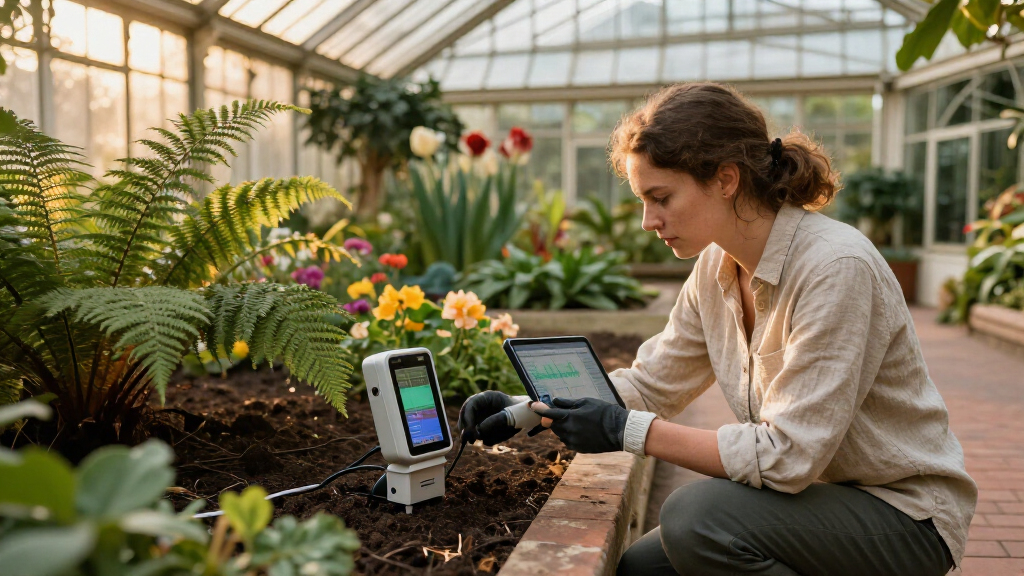
London’s Natural History Museum is using its own gardens as a living laboratory for climate research, studying how plants and wildlife react and adapt to changing urban conditions. Scientists have installed 50 sensors across the site to monitor temperature, humidity and microclimate variations, alongside acoustic recordings of birdsong, traffic noise and underwater pond sound. The work aims to show how gardeners can adapt their plots and allotments to cope with climate change.
The research programme, described by the museum as pioneering, examines how urban nature responds to environmental pressures such as rising temperatures. According to Amateur Gardening, which first reported the details, the sensors are distributed throughout the museum’s gardens and continuously record microclimate data.
The monitoring has already produced findings during June’s heatwave. Soil temperature sensors in the woodland areas of the gardens recorded temperatures 10 degrees cooler than in the paved areas. Scientists are using this contrast to investigate how different urban environments respond to heat, and how nature-based interventions such as planting and vegetation might help mitigate urban warming.
Beyond temperature tracking, the team records underwater acoustic data from the garden pond, together with birdsong and ambient noise including traffic. According to the museum, this combination of data is intended to reveal how nature interacts with its surroundings and builds resilience to future environmental challenges.
What the Garden Data Means for Urban Gardeners
The research matters because it offers gardeners, allotment holders and urban planners direct evidence on which interventions actually cool and support urban environments. The 10-degree soil temperature gap between wooded and paved areas provides a concrete measure of how vegetation buffers heat — information that can inform decisions about tree planting, paving reduction and garden design in towns and cities.
The findings also come at a time when UK growers are experiencing the effects of extreme weather firsthand. British Berry Growers reported a bumper harvest this year, with the crop six per cent up on last year’s already unusually large yield — largely because most berries are grown in polytunnels with drip irrigation, shielding them from record-breaking heat. However, the industry body expressed concern that late-season strawberry crops may suffer as plants become exhausted by prolific early fruiting.
How the Museum Built Its Living Laboratory
The Natural History Museum, described as world-famous, has increasingly positioned its outdoor spaces as a scientific resource rather than purely ornamental grounds. The current programme extends that approach by combining physical sensors with acoustic biology — a field that uses sound recordings to study wildlife behaviour and ecosystem health.
Acoustic monitoring of both pond life and above-ground noise, including traffic, allows researchers to track how species respond to the urban sound environment over time. The museum gardens sit in central London, making them a useful test case for studying nature under the heat, noise and habitat pressures typical of dense cities.
“Our raspberries and grapes have loved this summer. Brambles grow in our garden hedge and they have been absolutely dripping with big, fat, delicious berries.”
— Ruth Hayes, Amateur Gardening
Findings Still Emerging From the Sensors
The museum has not yet published a full dataset or peer-reviewed results from the monitoring programme, and no timeline for formal findings has been announced. The 10-degree temperature difference was recorded during a single June heatwave, so it remains to be seen whether that contrast holds across seasons and longer periods.
It is also unclear how directly the central-London garden findings will translate to smaller domestic plots and allotments, which differ in scale, soil and surrounding infrastructure. The report does not specify how long the sensor network has been operating or when recommendations for gardeners will be released.
On the berry harvest, the extent of any damage to late-season strawberry crops is not yet known, as British Berry Growers’ concern is a projection rather than a confirmed outcome.
Coming Milestones for Garden Science
The museum’s monitoring programme is expected to continue collecting data, with researchers building a longer-term picture of how the garden’s microclimates and wildlife respond to seasonal change and future heatwaves. Gardeners and allotment holders can watch for practical guidance drawn from the findings.
Separately, the Kew Fungarium — the world’s largest fungi collection, with more than 1 million dried specimens dating back to the early 18th century, including material collected by Charles Darwin — is opening to the public for the first time. A behind-the-scenes tour with Fungarium Collections Manager Lee Davies takes place on September 29, 2pm to 2.45pm, for adults aged 18 and over, with tickets available via kew.org. Berry growers, meanwhile, will be watching whether early-season exhaustion affects the final strawberry harvest.
Key Questions
What is the Natural History Museum’s garden climate research?
The museum is studying how plants and wildlife in its own gardens react and adapt to changing urban conditions, using 50 sensors that measure temperature, humidity and microclimate variations, along with acoustic recordings of birdsong, traffic and underwater pond sound.
What did the sensors find during June’s heatwave?
Soil temperature sensors in the museum gardens’ woodland areas recorded temperatures 10 degrees cooler than in paved areas, allowing scientists to study how different urban environments respond to rising temperatures.
How can this research help ordinary gardeners?
By showing which nature-based interventions — such as trees and planting — measurably cool urban environments, the research is intended to inform how gardeners and allotment holders adapt their plots to cope with climate change. Specific recommendations have not yet been published.
Why have UK berry harvests been strong despite the heat?
According to British Berry Growers, this year’s crop is six per cent up on last year’s unusually large harvest. Most berries are grown in polytunnels with drip irrigation, protecting them from record heat, though there are concerns about late-season strawberry crops.
How can the public visit the Kew Fungarium?
Kew’s Fungarium is opening to the public for the first time, with a behind-the-scenes tour on September 29 from 2pm to 2.45pm, led by Fungarium Collections Manager Lee Davies. Tickets are available at kew.org for adults aged 18 and over.
Source: rss
Fall Picks
fall essentials
As an affiliate, we earn on qualifying purchases.