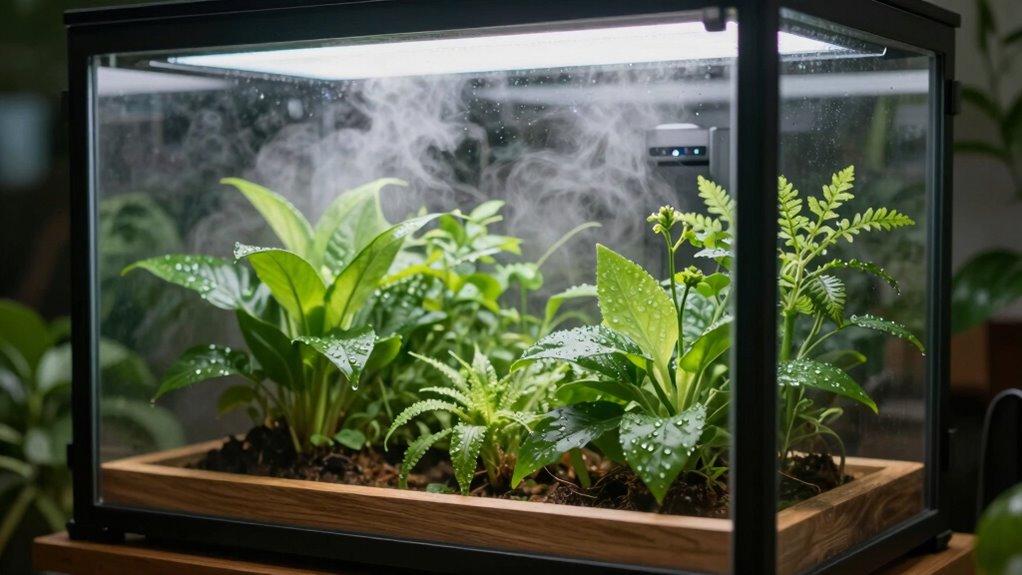

Mini greenhouse cabinets can boost humidity and speed up plant growth, but if not managed carefully, they can quickly turn risky by creating a breeding ground for pests like aphids or mold. Poor ventilation and excessive moisture encourage pest infestations and fungal issues, which can damage your plants. Keeping an eye on humidity and airflow is key to preventing problems. Stay with us, and you’ll discover expert tips to keep your mini greenhouse safe and thriving.

Get garden gear delivered free with Prime
- Fast, free delivery on millions of items
- Prime Video, Amazon Music and more included
- Member-only deals all year
Key Takeaways
- Excessive humidity in mini greenhouse cabinets fosters mold, mildew, and pest proliferation, turning a controlled environment into a risk zone.
- Poor ventilation traps moisture, increasing the likelihood of pest breeding and plant diseases.
- Regular monitoring and airflow management are essential to prevent humidity from reaching harmful levels.
- Overly humid conditions can create a breeding ground for pests like whiteflies and spider mites.
- Proper environment control transforms the cabinet from a risk into a beneficial space for healthy plant propagation.
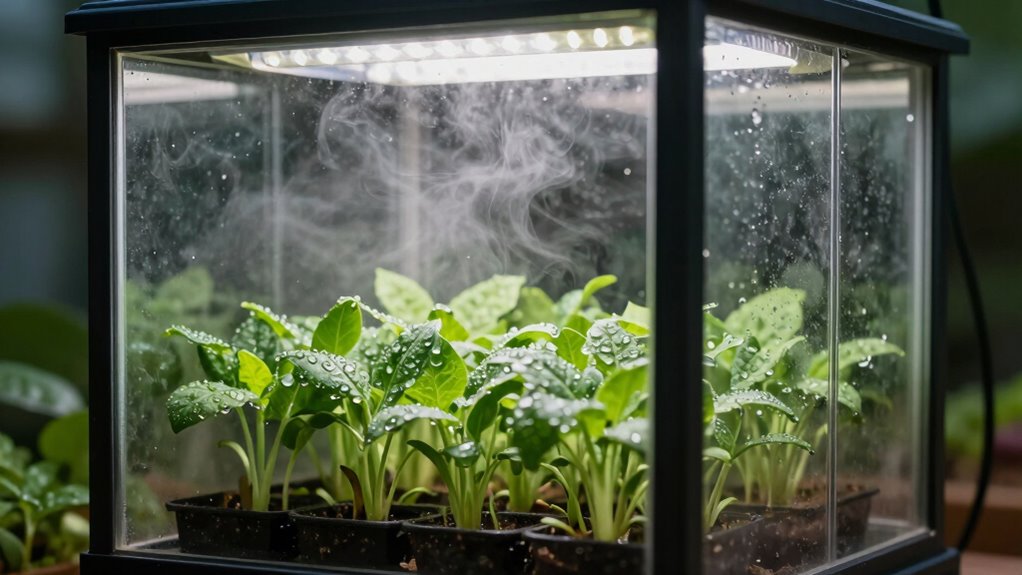
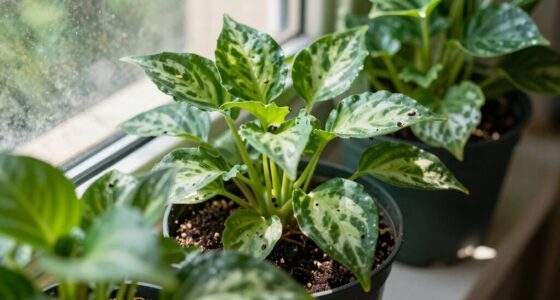
In addition to supporting plant propagation, mini greenhouse cabinets are invaluable for pest control. When you keep your plants confined in a controlled environment, you reduce exposure to pests like aphids, spider mites, and whiteflies. You can also more easily inspect your plants for early signs of infestations and take swift action before pests spread. The cabinet acts as a barrier, limiting pests’ access and allowing you to manage infestations more effectively. This containment makes it easier to implement integrated pest management strategies, such as introducing beneficial insects or applying organic treatments, without risking contamination of your entire garden.
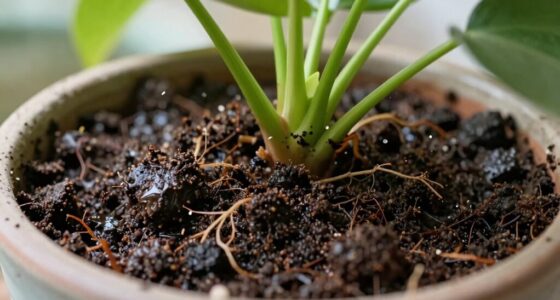
Yet, the very environment that fosters plant propagation can inadvertently create a haven for pests if you’re not vigilant. High humidity and stagnant air can promote pest proliferation, turning a safe space into a breeding ground. Regularly opening the cabinet for airflow, cleaning it thoroughly, and inspecting your plants are vital steps to keep pests at bay. Using natural remedies or insecticidal soaps can help you control pests without resorting to harsh chemicals, which could harm your plants or compromise the controlled environment. Managing humidity levels is crucial for maintaining a healthy environment within the cabinet, as excessive moisture can also lead to mold and mildew growth. Additionally, understanding the importance of ventilation can help you prevent excessive moisture buildup and ensure optimal plant health. Proper air circulation helps reduce the likelihood of mold and mildew developing in high-humidity conditions. Incorporating a humidity monitoring device can further assist in maintaining the right balance of moisture and prevent the environment from becoming too damp for pests and fungi alike.
Ultimately, mini greenhouse cabinets are powerful tools that give you control over your plant’s early stages of growth and help protect them from pests. But this control comes with responsibility. You need to stay attentive to humidity levels, ensure proper ventilation, and monitor your plants regularly. Proper humidity management plays a key role in creating a balanced environment that supports healthy growth while deterring pests. By doing so, you turn a seemingly risky environment into a thriving space for healthy growth. When managed properly, these cabinets can significantly boost your success in plant propagation and pest management, turning what might seem like a delicate balancing act into a reliable gardening strategy.
mini greenhouse cabinet with humidity control
As an affiliate, we earn on qualifying purchases.
As an affiliate, we earn on qualifying purchases.
Frequently Asked Questions
How Do Mini Greenhouse Cabinets Compare to Traditional Greenhouses?
You’ll find mini greenhouse cabinets are more compact and easier to manage than traditional greenhouses, making them ideal for vertical gardening. They offer a controlled environment that enhances pest control, reducing the risk of infestations. However, the increased humidity can turn risky quickly if not monitored. Unlike larger greenhouses, cabinets require less space and energy, but you must stay vigilant to prevent humidity from causing mold or plant diseases.
Can Mini Greenhouse Cabinets Be Used Indoors Year-Round?
Yes, you can use mini greenhouse cabinets indoors year-round. They improve indoor air quality by adding humidity, which benefits many houseplants. However, you need to monitor humidity levels carefully to prevent mold and pest problems. Proper ventilation and pest prevention measures are essential to keep the environment healthy. With these precautions, your mini greenhouse cabinet can be a year-round indoor gardening solution that’s both effective and safe.
What Are the Ideal Plant Types for Mini Greenhouse Cabinets?
You should choose plants that thrive in high humidity and benefit from controlled environments, like herbs, succulents, or tropical plants. These plants respond well to the humidity control your mini greenhouse cabinet offers, promoting healthy plant growth. Avoid plants needing dry conditions, as excess humidity can cause issues. Focus on species that flourish in moist, warm settings to maximize your mini greenhouse’s potential and keep your plants happy and healthy year-round.
How Energy-Efficient Are These Cabinets?
Think of your mini greenhouse cabinet as a cozy, energy-saving fortress. Its insulation benefits trap warmth and moisture, reducing the need for constant heating or cooling. This design considerably boosts energy savings, making it more efficient than open setups. You’ll enjoy healthier plants with less energy waste, transforming your gardening space into a smart, eco-friendly haven. With proper use, it’s a small investment that pays off in energy efficiency.
Are There Safety Concerns With Humidity Levels?
Yes, there are safety concerns with humidity levels in mini greenhouse cabinets. Poor humidity regulation can create mold, bacteria, or even damage your plants. To stay safe, you should regularly monitor humidity levels and follow safety precautions like proper ventilation and avoiding overwatering. Maintaining balanced humidity guarantees your plants thrive without risking mold growth or other hazards that could compromise your setup’s safety.
As an affiliate, we earn on qualifying purchases.
Conclusion
So, next time you’re worried about your delicate plants, remember that a mini greenhouse cabinet isn’t just a handy tool—it’s a game-changer. As if by chance, those tiny cabinets create the perfect humidity boost, turning what once seemed risky into a thriving oasis. Sometimes, the smallest changes make the biggest difference. With this little secret, you’ll find yourself effortlessly nurturing your plants, witnessing growth that feels almost too good to be true.
ventilation fan for greenhouse cabinet
As an affiliate, we earn on qualifying purchases.
As an affiliate, we earn on qualifying purchases.
organic pest control for indoor plants
As an affiliate, we earn on qualifying purchases.
As an affiliate, we earn on qualifying purchases.
Columbus Day / Indigenous Peoples' Day Picks
long weekend sales
As an affiliate, we earn on qualifying purchases.