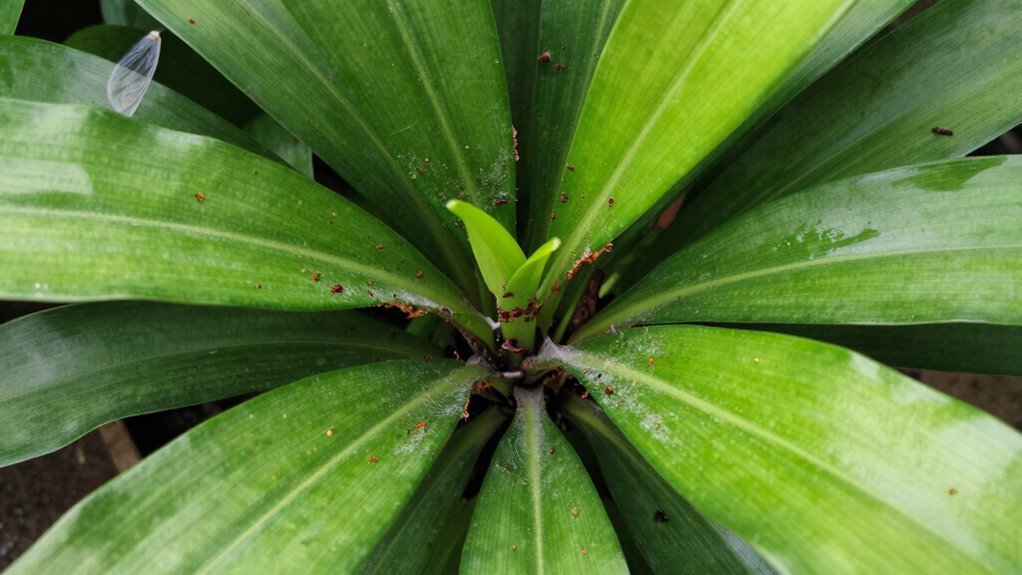

When you bring new houseplants home, you might unknowingly introduce pests like aphids or spider mites that hide in soil or under leaves. These pests can stay dormant in your existing plants, only to reappear when new plants are added, disrupting your collection. Without proper quarantine and inspection, these pests quickly spread, causing damage and making pest control more difficult. Keep going to discover how you can prevent and manage these hidden threats effectively.

Get garden gear delivered free — and shop member deals
- Fast, free delivery on millions of items
- Access to Prime Big Deal Days deals on October 6–7
- Prime Video, Amazon Music and more included
Key Takeaways
- New houseplants may harbor hidden pests that quickly spread to existing plants.
- Without quarantine, pests from new plants can establish and re-infest the collection.
- Pests can be introduced via plants from nurseries or outside sources, reactivating old infestations.
- Lack of inspection and treatment allows pests to multiply on new plants, reigniting old problems.
- Proper quarantine and pest management prevent new plants from reintroducing pests to established collections.
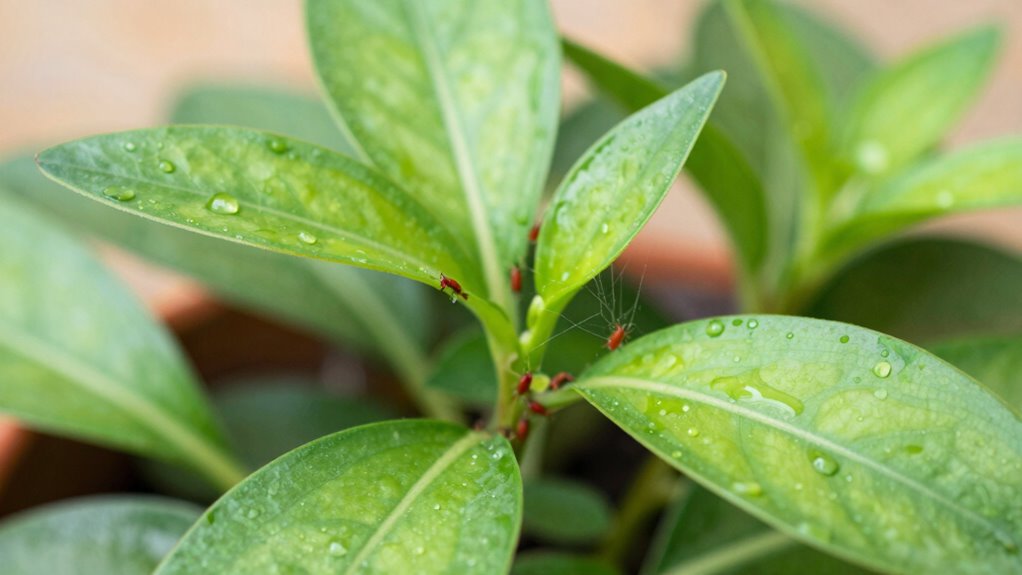
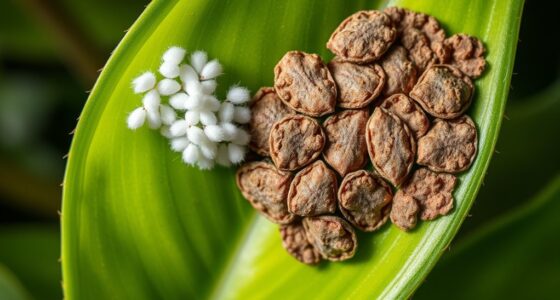
Bringing new houseplants into your home can brighten your space, but it often comes with the risk of introducing old pest problems. When you bring in plants from outside or a nursery, they might carry pests like aphids, spider mites, or scale insects without showing obvious signs. These pests can quickly spread to your existing plants, causing damage and making pest management more complicated. To prevent this, pest prevention should be your priority. One effective method is plant quarantine. When you acquire new plants, isolate them in a separate space for a few weeks before placing them with your other houseplants. This quarantine period allows you to monitor the new plant for pests or diseases and treat any issues early, preventing them from spreading.
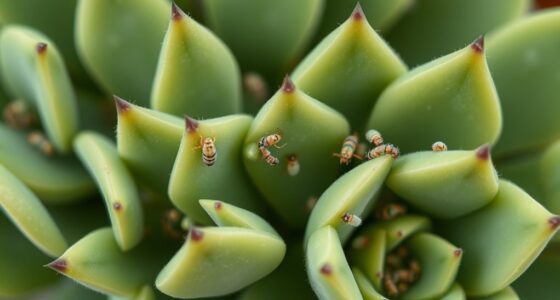
During quarantine, you should inspect your new plant thoroughly. Look under leaves, along stems, and in the soil for tiny insects or eggs. If you notice anything suspicious, treat the plant immediately with an appropriate insecticidal soap or neem oil. This step is vital because pests often hide in hard-to-see places, and early detection can save your entire collection. Even if the plant looks healthy, don’t skip the quarantine process—pests can be hidden and may only become visible after they’ve multiplied. Additionally, understanding the importance of proper pest identification can help you choose the most effective treatment. Regular inspection and monitoring are essential components of effective pest management, helping you catch problems early before they become widespread. Incorporating preventative measures, like cleaning tools and avoiding overwatering, can further reduce the risk of pest infestations. Being aware of common pest signs can also help you recognize issues sooner. Moreover, understanding the life cycle of pests can guide you in timing your treatments for maximum effectiveness.
houseplant pest control insecticidal soap
As an affiliate, we earn on qualifying purchases.
As an affiliate, we earn on qualifying purchases.
Frequently Asked Questions
How Can I Tell if a New Plant Is Infested Before Bringing It Home?
To tell if a new plant is infested before bringing it home, do a thorough plant inspection. Look for signs like tiny webs, discolored or sticky leaves, or visible pests such as aphids or mites. Practicing pest prevention starts with this careful inspection. If you notice anything suspicious, consider quarantining the plant or treating it before placing it near your other houseplants, helping you avoid spreading pests.
Are Some Plant Species More Prone to Pests Than Others?
Yes, some plant species are more prone to pests than others. Plant species with dense foliage, soft tissues, or those native to Pest susceptibility hotspots tend to attract pests more often. For example, ferns and succulents can be more vulnerable. To protect your plants, research their pest susceptibility, choose healthy specimens, and regularly inspect them. This way, you catch any issues early and prevent pests from spreading.
What Are the Signs of Pest Infestation in New Houseplants?
You might worry that new plants won’t show signs of pests right away, but look for telltale signs like sticky residue, holes in leaves, or tiny webbing. Check for discolored or deformed leaves, and inspect stems closely. Pest identification helps you recognize specific pests, guiding your treatment options. Catching these early prevents a pest problem from spreading, making your plant care easier and more effective.
Can Pests From New Plants Spread to Other Houseplants?
Yes, pests from new plants can spread to your other houseplants. Pest transmission occurs when pests transfer through shared tools, close contact, or via infested soil. To prevent this, always quarantine new plants for at least two weeks before introducing them to your collection. During quarantine, inspect thoroughly and treat any pests to avoid spreading infestations to your healthy plants.
How Long Should I Quarantine New Plants to Prevent Pest Transfer?
Think of plant quarantine as a shield protecting your garden oasis. You should isolate new plants for at least 2 to 4 weeks, like a watchtower guarding against unseen invaders. During this time, closely inspect for pests and treat any issues early. This pest prevention method prevents tiny intruders from sneaking into your existing plants, safeguarding your lush sanctuary from old pest problems and keeping your houseplants thriving.
As an affiliate, we earn on qualifying purchases.
Conclusion
Bringing new houseplants into your home can inadvertently reintroduce pests, with studies showing that up to 60% of plants imported carry unwanted critters. To keep your plants healthy, always inspect and quarantine new arrivals before placing them among your existing greenery. By staying vigilant, you prevent old pest problems from reemerging and guarantee your indoor jungle stays vibrant and pest-free. Remember, a little prevention goes a long way in maintaining a pest-free home.
indoor plant pest inspection tools
As an affiliate, we earn on qualifying purchases.
As an affiliate, we earn on qualifying purchases.
As an affiliate, we earn on qualifying purchases.
Halloween Picks
halloween
As an affiliate, we earn on qualifying purchases.