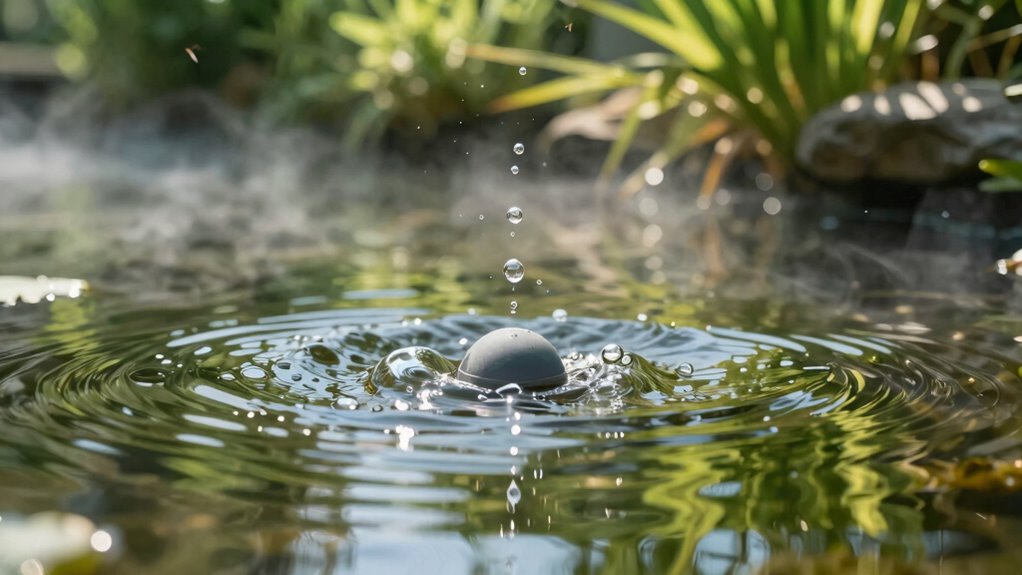
Pond aeration boosts oxygen levels naturally, which benefits beneficial bacteria, aquatic plants, and fish, leading to healthier water. As oxygen increases, it prevents stagnation and reduces algae growth, creating a less inviting environment for mosquito larvae. By improving water movement and quality, aeration helps keep your pond ecosystem balanced and mosquito-free. Want to discover how to choose, install, and maintain the right system? Keep exploring to learn more.
Key Takeaways
- Pond aeration increases oxygen levels, supporting beneficial bacteria that naturally break down organic matter, improving water quality.
- Proper aeration prevents stagnation and reduces breeding habitats for mosquitoes.
- Enhanced oxygenation discourages algae overgrowth, which can create stagnant areas ideal for mosquito larvae.
- Aeration promotes water circulation, helping to maintain a balanced ecosystem that minimizes mosquito breeding sites.
- Regular pond aeration combined with aquatic plant management creates an inhospitable environment for mosquitoes and supports ecological health.
How Does Pond Aeration Help Stop Mosquitoes and Improve Water Quality
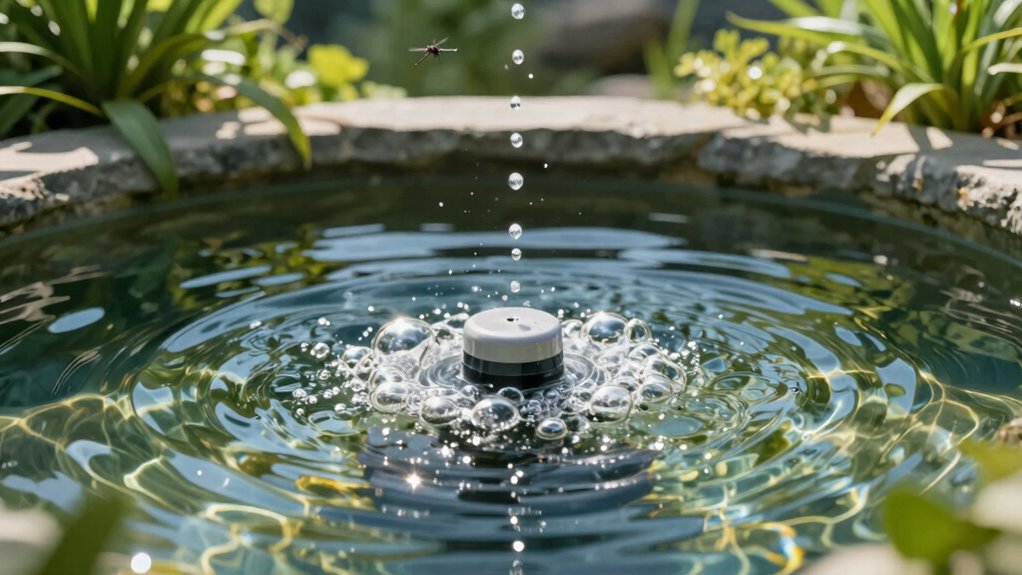
Pond aeration is a highly effective way to reduce mosquito breeding and boost water quality. By improving pond ecology, it promotes a balanced environment that discourages mosquito larvae from thriving. When you introduce aeration, water circulation increases, helping oxygenate the entire pond. This circulation prevents stagnation, which is essential because mosquitoes prefer still water for breeding. Enhanced water movement also encourages beneficial bacteria to break down organic matter more efficiently, reducing nutrients that attract algae and other pollutants. As a result, the pond becomes healthier and clearer. Better pond ecology fosters a stable ecosystem where harmful mosquito larvae struggle to develop, making aeration a natural and sustainable solution to mosquito problems and water quality issues. Additionally, water oxygenation supports the growth of aquatic life, further stabilizing the pond environment. Moreover, improved water quality helps prevent the buildup of harmful substances that can negatively impact both aquatic ecosystems and water usability.
Choosing the Best Pond Aeration System for Your Pond
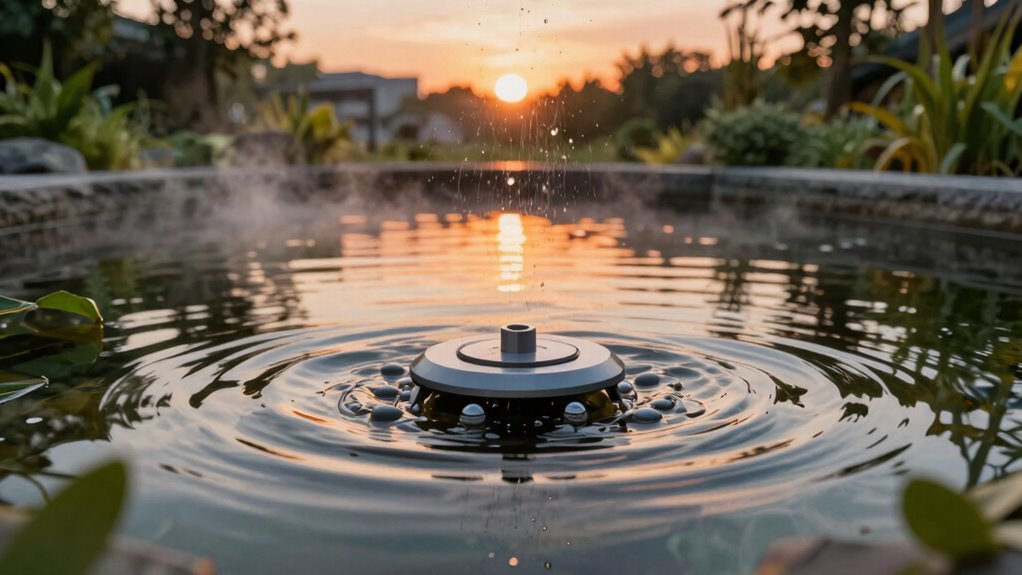
Choosing the right pond aeration system depends on your pond’s size, shape, and specific needs. For deeper ponds, consider systems with higher airflow capacity to guarantee oxygen reaches the bottom effectively. Shallow ponds may only require smaller, energy-efficient options that provide sufficient surface agitation. Pay attention to pond depth when selecting equipment, as inadequate aeration can lead to uneven oxygen distribution. Energy efficiency is also essential; look for systems designed to operate with minimal power consumption, saving you money and reducing environmental impact. Consider whether you prefer diffused aerators or surface aerators based on your pond’s characteristics. Evaluating ventilation considerations and proper installation methods can further enhance system performance, ensuring your pond remains healthy and balanced. Additionally, understanding aeration system types allows you to select the most suitable technology for your specific pond conditions. Proper maintenance and understanding of oxygen transfer efficiency can optimize the system’s performance, keeping your pond healthy and clear. Recognizing the importance of water circulation can further improve oxygen distribution and prevent stagnation in your pond. Selecting the appropriate aeration system also involves assessing noise levels, especially if your pond is in a residential area, to ensure minimal disturbance. By evaluating these factors, you can choose a pond aeration system that maintains healthy water quality while being cost-effective and easy to operate.
Installing and Maintaining Your Pond Aerator Made Easy
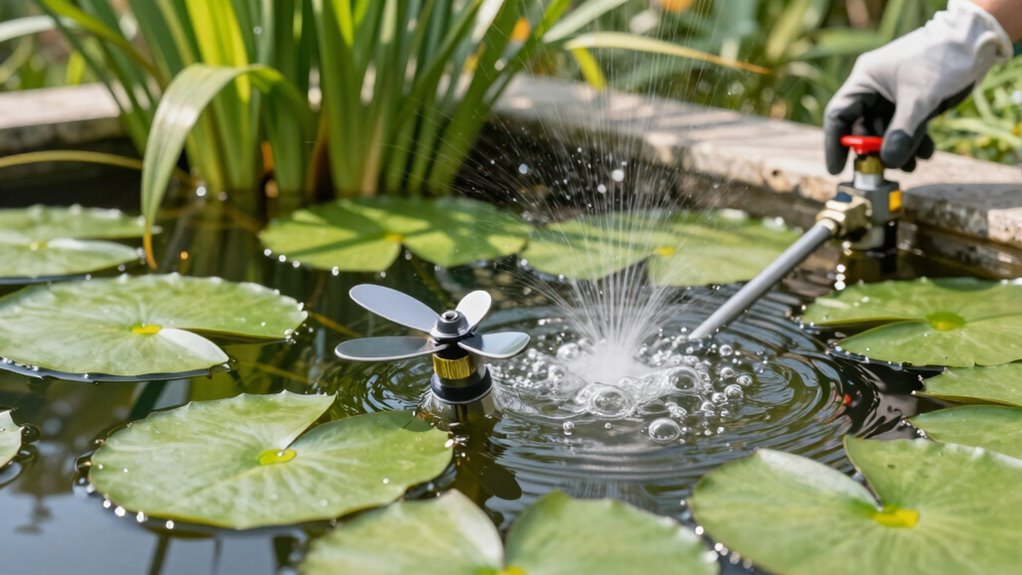
Installing and maintaining your pond aerator can be straightforward if you follow a few simple steps. First, observe your pond’s behavior to identify areas with stagnant water or poor circulation. Proper aerator placement is key—position it where water movement is minimal to maximize oxygen distribution and improve overall pond health. Use a stable, level surface and ensure the power source is protected from moisture. Regularly inspect the aerator for debris or wear, and clean or replace parts as needed. Keep an eye on performance; if the aerator isn’t creating enough movement, reposition it slightly. Routine maintenance keeps your system running efficiently, helping to maintain healthy pond behavior while reducing mosquito breeding grounds. Additionally, choosing sustainable aeration systems can enhance long-term pond health and support eco-friendly practices. Understanding pond ecosystem health can help guide your maintenance routine for optimal results. Incorporating smart aeration technology can also improve monitoring and efficiency, making maintenance even easier. Being mindful of energy efficiency can further reduce operating costs and environmental impact over time. Regularly reviewing the aerator’s specifications ensures it continues to meet your pond’s needs effectively.
The Environmental Benefits of Using Aeration Instead of Chemicals
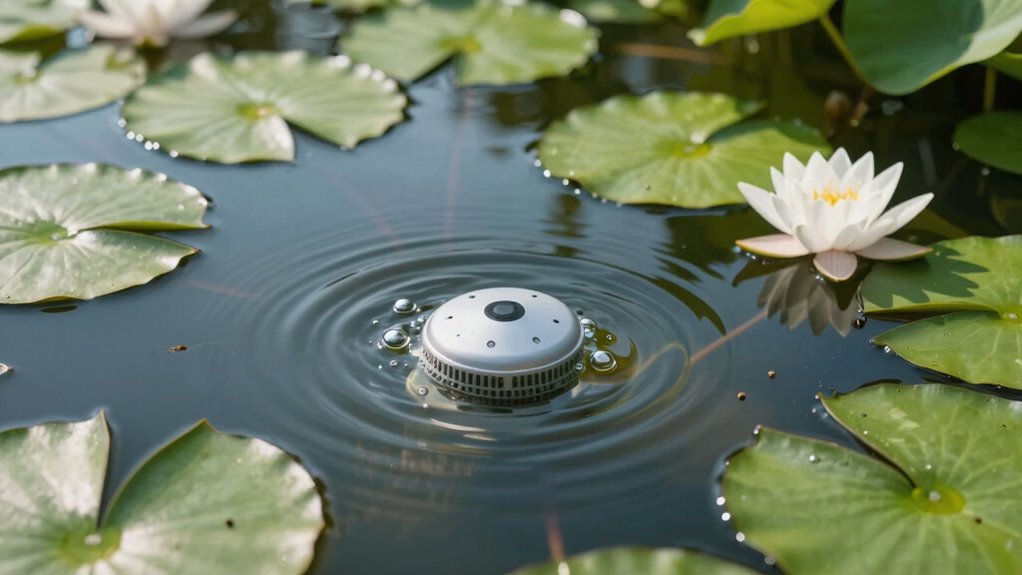
Using aeration instead of chemicals helps improve water quality naturally, making your pond healthier without harmful residues. It supports biodiversity by creating a balanced environment where aquatic life can thrive. By choosing aeration, you’re actively protecting your pond’s ecosystem and promoting sustainability. Additionally, free floating systems can be easily maintained and adjusted to suit various pond sizes and conditions. Incorporating natural water treatment methods further enhances the ecological balance and reduces the need for chemical interventions. Implementing connected technology can also help monitor water conditions in real-time, optimizing aeration efficiency and pond health, which aligns with the principles of sustainable pond management and environmental stewardship. Moreover, understanding how oxygen levels influence aquatic ecosystems can help you make better decisions for ongoing pond care.
Eco-Friendly Water Quality
Aeration offers a natural and sustainable way to improve water quality without relying on chemicals that can harm the environment. By enhancing water circulation, aeration helps distribute oxygen evenly throughout the pond, supporting healthy aquatic plants and beneficial bacteria. These plants naturally filter nutrients and pollutants, reducing algae growth and maintaining a balanced ecosystem. Additionally, water movement promotes the natural breakdown of organic matter, preventing stagnation and foul odors. Proper aeration also supports ecosystem balance, ensuring that all aquatic life thrives in harmony. Unlike chemical treatments, aeration doesn’t introduce harmful substances into the water, making it safer for wildlife and humans alike. The increased oxygen levels also promote the breakdown of organic matter, preventing stagnation and foul odors. Proper aeration can also help prevent the proliferation of mosquito larvae by disrupting their breeding habitat oxygen transfer efficiency. Additionally, aeration works to improve water circulation, which is essential for maintaining a healthy pond environment. Efficient energy use in aeration systems ensures that ponds receive adequate oxygenation without excessive operational costs. Overall, aeration fosters a cleaner, healthier pond environment by working with nature, not against it, ensuring water quality improves without chemicals that could disrupt the delicate ecological balance.
Biodiversity Preservation Strategies
Choosing eco-friendly methods to maintain pond health directly supports the preservation of local biodiversity. Aeration encourages wetland restoration by enhancing oxygen levels, which benefits aquatic plants and animals. It also promotes habitat connectivity, allowing species to thrive across different pond zones and neighboring ecosystems. Unlike chemical treatments that can harm non-target species, aeration preserves natural processes, encouraging a balanced ecosystem. This approach helps maintain diverse populations of fish, insects, and amphibians, essential for a healthy pond. Additionally, healthier ponds attract birds and other wildlife, supporting overall biodiversity. By prioritizing aeration, you’re actively contributing to the resilience and richness of your local environment, ensuring that various species continue to coexist and thrive without disruption from harmful chemicals. Proper aeration equipment plays a crucial role in maintaining consistent oxygen levels and supporting these ecological benefits. Incorporating sustainable pond management practices further enhances the positive impact on biodiversity and ecosystem health.
How Aeration Supports Fish and Plant Life in Your Pond
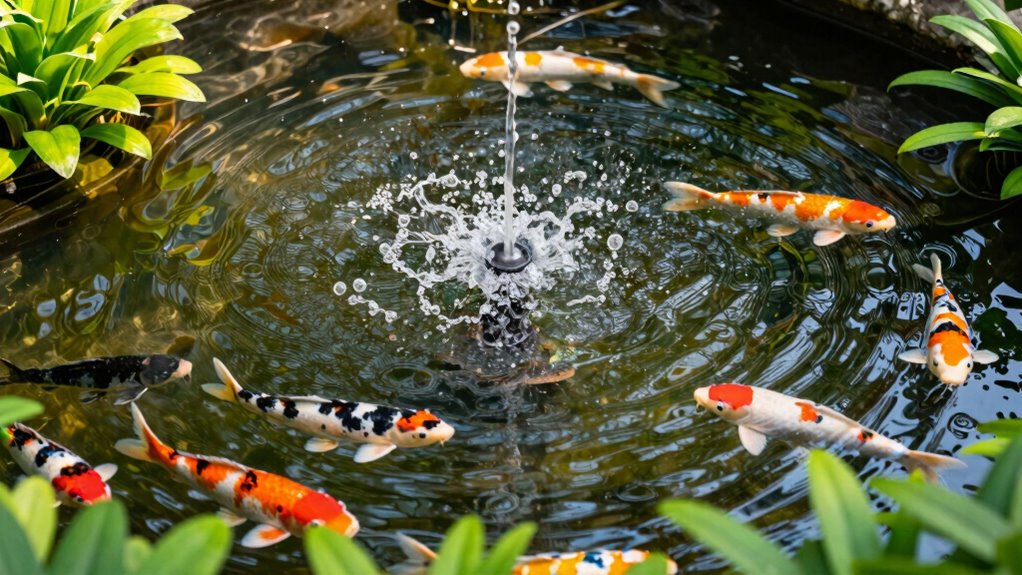
When your pond is properly aerated, it creates a healthier environment for fish and plants by increasing oxygen levels in the water. This boost supports aquatic plants by promoting healthy growth and preventing decay, which can release harmful substances. Oxygen-rich water also improves fish habitats, helping fish breathe more easily and reducing stress. With better oxygen circulation, beneficial bacteria break down organic waste more efficiently, maintaining clearer water and reducing toxins. Aeration guarantees that oxygen reaches all areas of your pond, preventing dead zones where fish and plants struggle. As a result, your pond becomes a thriving ecosystem, with vibrant aquatic plants and happy fish, all thanks to effective aeration that keeps the environment balanced and healthy.
Common Mistakes to Avoid When Setting Up Pond Aeration
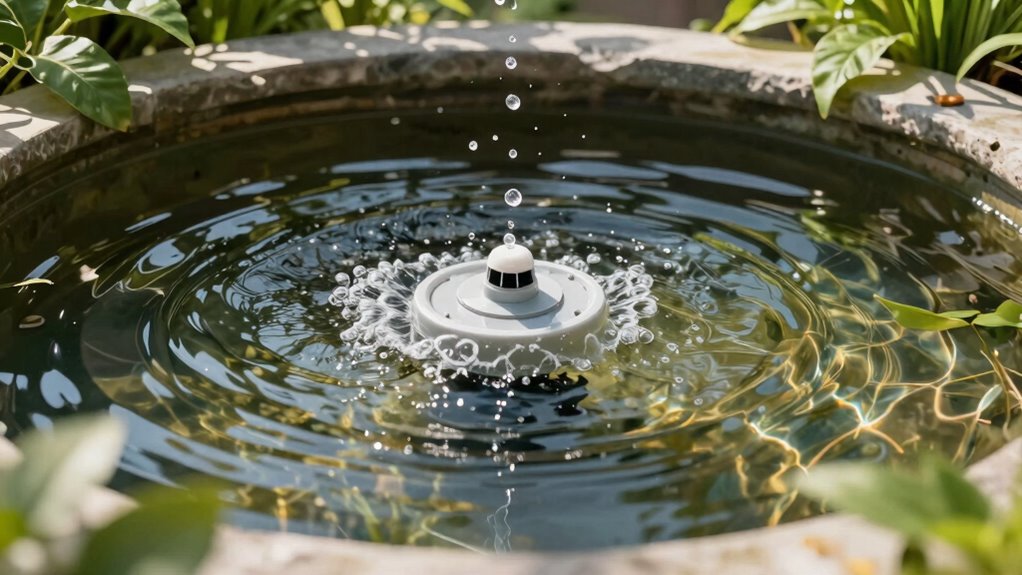
Setting up pond aeration incorrectly can undermine the health of your pond’s ecosystem. One common mistake is choosing the wrong size or type of aerator, which can fail to provide adequate oxygen levels, affecting fish and plant life. Another mistake is neglecting pest control considerations; improper aeration can create stagnant areas that attract mosquitoes. Additionally, poor placement of aeration equipment can harm pond aesthetics, making your pond look cluttered or uneven. Failing to follow manufacturer instructions or overestimating the needed power can also lead to inefficient operation, wasting energy and money. To avoid these pitfalls, plan carefully, select appropriate equipment, and ensure proper installation. Doing so helps maintain a balanced ecosystem, keeps pests at bay, and preserves your pond’s beauty.
Final Tips for Keeping Your Pond Healthy and Mosquito-Free
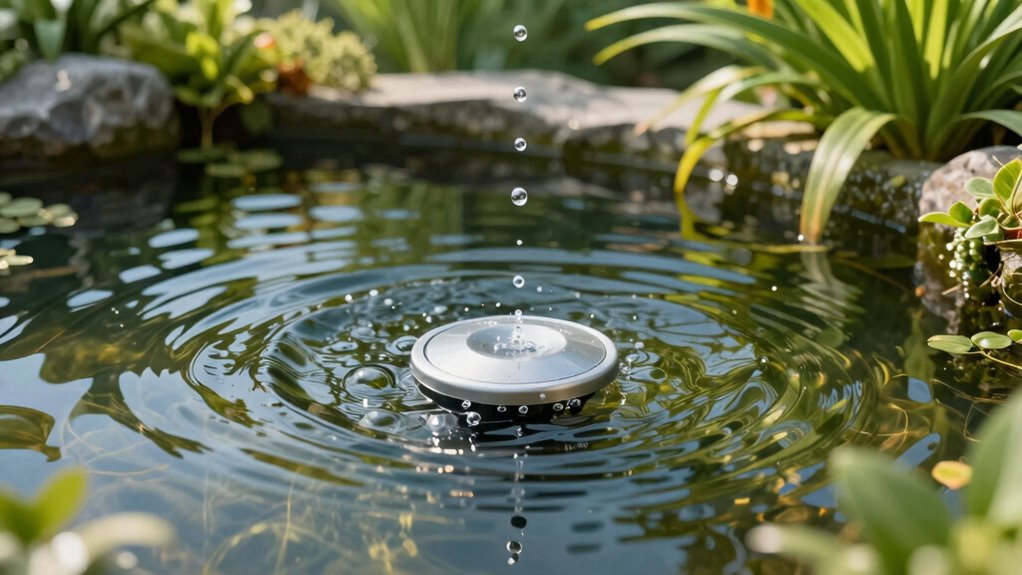
Maintaining your pond regularly is key to keeping it healthy and mosquito-free. Incorporate beneficial plants to help control algae and mosquito larvae naturally. By sticking to routine upkeep and planting smart, you’ll create a balanced pond ecosystem that stays clean and safe.
Regular Maintenance Routines
Regular maintenance is essential to keep your pond healthy and prevent mosquito breeding. Consistent pond cleanup removes debris and limits hiding spots for larvae, while algae control keeps water clear and oxygen levels high. Regularly skim surface debris and remove fallen leaves. Check for excessive algae growth, which can deplete oxygen and promote mosquito breeding. Use the following table to understand key tasks:
| Maintenance Task | Purpose |
|---|---|
| Pond cleanup | Reduces debris and mosquito habitats |
| Algae control | Prevents oxygen depletion and stagnation |
Staying on top of these routines ensures your pond remains balanced, healthy, and mosquito-free, making it a safe, beautiful space.
Beneficial Plant Integration
Integrating beneficial aquatic plants into your pond plays a crucial role in maintaining a healthy, mosquito-free environment. Aquatic weeds like submerged plants and floating vegetation help block sunlight from reaching the pond’s bottom, reducing algae growth and improving water clarity. Clear water discourages mosquito larvae from thriving, as they prefer murky, stagnant conditions. By planting native aquatic plants, you also promote a balanced ecosystem that supports beneficial insects and wildlife. These plants absorb excess nutrients, preventing nutrient buildup that fuels algae and weeds. Regularly trimming and managing aquatic weeds keeps your pond healthy and prevents overgrowth. Maintaining good water clarity not only enhances the pond’s appearance but also creates an inhospitable environment for mosquitoes, ensuring your pond remains clean, healthy, and mosquito-free.
Frequently Asked Questions
Can Pond Aeration Be Used in Natural Lakes or Only Man-Made Ponds?
You can use pond aeration in natural lakes, but there are some aeration limitations to take into account. Unlike man-made ponds, natural lakes are larger and more complex, requiring more powerful or strategically placed aeration systems. Proper assessment ensures that aeration effectively increases oxygen levels without disrupting the natural ecosystem. If you plan to aerate a natural lake, consult experts to design a system tailored to its size and ecological needs.
How Long Does It Take to See Results After Installing Aeration?
You’ll typically see visible improvements within a few days to a couple of weeks after installing pond aeration. The timing expectations depend on your pond’s size, depth, and initial conditions. As oxygen levels increase, you’ll notice clearer water, reduced algae, and fewer mosquitoes. Keep in mind, consistent operation enhances results, so stay patient and monitor your pond regularly to enjoy the full benefits of aeration.
Is Pond Aeration Effective in All Climates and Seasons?
Think of pond aeration as a versatile musician, playing a tune adaptable to any climate or season. It’s quite effective across various climates and seasonal changes, maintaining water quality and reducing mosquitoes year-round. While some adjustments might be needed for extreme cold or heat, aeration generally proves resilient and adaptable, ensuring your pond stays healthy and vibrant no matter the weather. Its seasonal effectiveness makes it a dependable solution in every environment.
What Are the Ongoing Costs of Maintaining an Aeration System?
You’ll need to budget for ongoing costs like electric costs, which depend on your aeration system’s size and usage. Maintenance frequency varies but typically involves checking and cleaning the equipment every few months to guarantee efficiency. Regular upkeep prevents costly repairs and keeps your pond healthy. Overall, expect consistent, moderate expenses for electricity and maintenance, making sure your aeration system continues to function effectively year-round.
Can Aeration Help Control Algae Growth Besides Mosquitoes?
Yes, aeration helps control algae growth by improving water circulation, increasing oxygen levels, and promoting algae suppression. As you enhance water clarity, you reduce nutrient buildup that algae thrive on. With better oxygen flow, you create an environment less favorable for algae blooms, leading to clearer water and healthier pond ecosystems. So, by investing in aeration, you’ll enjoy cleaner water, improved water clarity, and a natural defense against algae.
Conclusion
Think of your pond as a tiny universe, where oxygen is the heartbeat that keeps everything alive. By installing the right aeration system, you’re planting seeds of balance and harmony, silencing mosquitoes’ chaos and nurturing aquatic life. With each breath of aeration, you’re tending this delicate cosmos, ensuring it thrives in health and peace. Keep the flow steady, and your pond will glow with vibrancy, a shining star in your outdoor world.