To set effective action thresholds in organic systems, you should establish clear visual criteria for pest levels, such as pests per leaf or plant. Regular monitoring using tools like sticky traps or visual inspections helps detect early signs of infestation. Only intervene when pest populations exceed your predefined threshold, ensuring biological controls work effectively and beneficial organisms aren’t harmed. Continuing your efforts will help you develop customized thresholds that support healthy, sustainable crop management.

Get garden gear delivered free — and shop member deals
- Fast, free delivery on millions of items
- Access to Prime Big Deal Days deals on October 6–7
- Prime Video, Amazon Music and more included
Key Takeaways
- Define clear visual criteria for pest levels based on pest density or damage thresholds.
- Use regular monitoring methods like visual inspections and sticky traps to track pest populations.
- Establish economic injury levels to determine when pest damage justifies intervention.
- Deploy biological controls only after pest populations exceed set thresholds to prevent unnecessary treatments.
- Maintain consistent monitoring schedules to enable timely, informed management decisions in organic systems.

Determining appropriate action thresholds is essential for effective pest and disease management in organic systems. By setting these thresholds, you can decide when intervention is truly necessary, avoiding unnecessary treatments that may disrupt beneficial organisms or compromise organic standards. To do this effectively, you need to understand the role of biological controls and pest monitoring. Biological controls involve using natural enemies like predatory insects, parasitic wasps, or microbial agents to keep pest populations in check. These allies can be highly effective, but their success depends on timely and accurate pest monitoring. Pest monitoring allows you to assess pest populations regularly, so you can identify early signs of infestation before they reach damaging levels. This proactive approach helps you avoid overreacting and ensures interventions are applied only when needed.
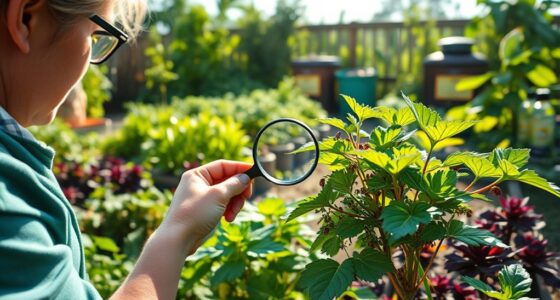
When setting action thresholds, consider the specific pest and crop you’re managing. For example, a small number of aphids on a few leaves may not warrant action if natural predators are present and active. However, if monitoring reveals a rapid increase in pest numbers and the presence of pests damaging the crop, then it’s time to intervene. Biological controls thrive when pest populations are kept below certain levels, so monitoring helps you maintain these levels naturally. You should establish clear, visual criteria for pest abundance, such as the number of pests per plant or leaf, and track these regularly. Using sticky traps, visual inspections, or pheromone traps can provide valuable data for making informed decisions.
Set thresholds based on economic injury levels, which is the pest density at which the cost of damage equals the cost of control. In organic systems, where chemical options are limited, these thresholds are even more critical. They help you avoid unnecessary use of biological controls or other organic methods, saving resources and supporting ecological balance. Remember, pest monitoring isn’t a one-time task; it requires consistent, scheduled checks. By doing so, you can detect pest population changes early and respond accordingly. When pest levels cross your predefined threshold, consider deploying biological controls or organic treatments, but only after confirming the pest population is beyond acceptable levels.
As an affiliate, we earn on qualifying purchases.
Frequently Asked Questions
How Do Economic Factors Influence Threshold Decisions?
Economic considerations and market fluctuations directly impact your threshold decisions. When market prices are high, you might set higher thresholds to avoid unnecessary interventions, saving costs. Conversely, during downturns, lower thresholds help prevent crop loss, ensuring profitability. Staying attentive to economic factors allows you to adjust your thresholds strategically, balancing costs and benefits effectively. This approach helps you maintain sustainable practices while maximizing economic returns in organic systems.
What Are the Best Tools for Monitoring Pest Levels?
You should use pest population monitoring techniques like pheromone traps to effectively track pest levels. For example, a vineyard might deploy pheromone traps to monitor grapevine moths, allowing precise timing for interventions. These tools give you real-time data, helping you decide when pest levels threaten crop health. Regularly checking these traps guarantees you catch pest outbreaks early, making pest management more targeted and sustainable.
How Often Should Thresholds Be Reviewed and Updated?
You should review and update your thresholds at least once each growing season, especially after crop rotation and soil health assessments. Regularly monitoring pest levels and observing changes in your soil helps you adapt thresholds effectively. If you notice shifts in pest populations or soil conditions, update your thresholds promptly to maintain organic integrity and prevent pest outbreaks, ensuring your system remains balanced and resilient.
Can Thresholds Vary for Different Crops Within the Same System?
Yes, thresholds can vary for different crops within the same system. Imagine a vibrant garden teeming with diverse plants—each with its own story, its own vulnerabilities. Crop diversity influences pest variability, so what triggers action in one crop might be different in another. You need to tailor thresholds carefully, considering each crop’s unique traits, to effectively manage pests without unnecessary interventions, ensuring a balanced, healthy ecosystem.
How Do Weather Patterns Impact Threshold Setting?
Weather patterns substantially impact threshold setting because climate variability influences pest migration and activity levels. You must adjust thresholds based on recent weather, as warm, humid conditions often increase pest pressure, requiring earlier intervention. Conversely, cooler or drier periods may lower pest risks, allowing higher thresholds. Monitoring local climate trends helps you better predict pest behavior, ensuring your thresholds are responsive, effective, and tailored to changing environmental conditions.
As an affiliate, we earn on qualifying purchases.
Conclusion
So, next time you’re debating whether to act on that tiny pest sighting, remember: in organic systems, patience is a virtue—and maybe a virtue you’ll one day regret. Set your thresholds wisely, or risk turning your garden into a pest playground. After all, who needs control when you can just hope Mother Nature sorts it all out? Just sit back, relax, and enjoy the chaos—because, clearly, that’s the organic way.
beneficial insect biological controls
As an affiliate, we earn on qualifying purchases.
As an affiliate, we earn on qualifying purchases.
As an affiliate, we earn on qualifying purchases.
Fall Picks
fall essentials
As an affiliate, we earn on qualifying purchases.