Meet your garden’s microscopic bodyguards: beneficial nematodes. These tiny, soil-dwelling predators hunt common pests like grubs, beetles, and root maggots, offering an eco-friendly alternative to chemicals. Easy to apply—just mix them with water and spray or water your garden—they’re safe for beneficial insects, pets, and people. Plus, they boost soil health by improving structure and nutrient cycling. Curious to discover how these natural defenders can protect your plants naturally? Keep exploring to learn more.
Key Takeaways
- Beneficial nematodes are microscopic soil predators that naturally target pests like grubs, beetles, and root maggots.
- They are easy to apply by mixing with water and spraying onto affected soil areas.
- These nematodes are safe for beneficial insects, pets, and humans, making them an eco-friendly pest control option.
- They enhance soil health by improving structure, aeration, and nutrient cycling, supporting healthy plant roots.
- Using beneficial nematodes reduces reliance on chemicals, promoting sustainable and resilient gardening practices.
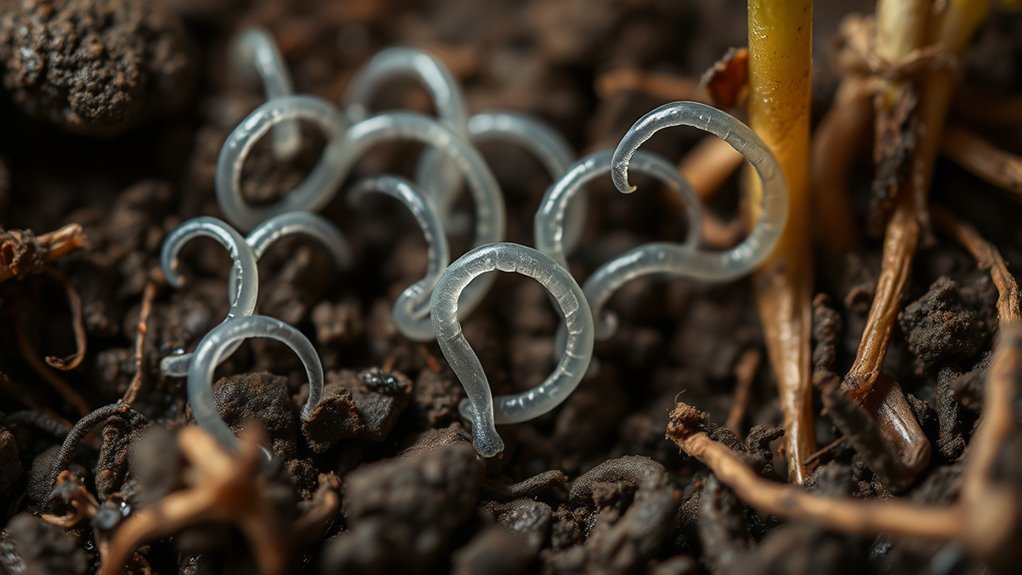
Have you ever considered natural ways to control garden pests? Beneficial nematodes offer an effective, eco-friendly solution that fits perfectly into your pest control strategies. These tiny, soil-dwelling organisms are natural predators of many common garden pests, including grubs, beetles, and root maggots. When you introduce beneficial nematodes into your garden soil, you’re enlisting a team of microscopic bodyguards that hunt down and eliminate pests underground, reducing the need for chemical pesticides. This approach not only protects your plants but also supports overall soil health benefits, making your garden more resilient and productive over time.
Applying beneficial nematodes is straightforward. You typically mix them with water and then spray or water the soil where pests are active. Because they’re naturally occurring, they don’t harm beneficial insects, pets, or humans, making them a safe addition to your pest control strategies. Once in the soil, nematodes actively seek out pests to infect and kill, reproducing as they go, which leads to a self-sustaining control method. This biological approach can be particularly effective in controlling pests at various stages of their life cycle, especially larval and juvenile stages that are often resistant to chemical treatments.
Using beneficial nematodes also promotes soil health advantages beyond pest control. These organisms help improve soil structure by encouraging microbial activity and nutrient cycling. As they move through the soil, they create pathways that enhance aeration and water penetration, fostering a healthier environment for plant roots. Their presence can lead to a more balanced soil ecosystem, reducing the need for synthetic fertilizers and other soil amendments. This natural process results in a more sustainable garden that thrives without relying heavily on chemicals. Additionally, vetted beneficial nematodes are widely available from reputable suppliers, ensuring quality and efficacy.
Furthermore, beneficial nematodes are versatile and can be used in various gardening settings—from vegetable patches to flower beds. They are especially useful in organic gardening, where chemical pesticides are off-limits. Because they target pests underground, they’re an excellent complement to above-ground pest management methods, providing thorough protection. Regular applications during pest season can keep infestations under control without disrupting the natural balance of your garden ecosystem.
Incorporating beneficial nematodes into your pest control strategies is a smart, environmentally friendly choice. Not only do they effectively reduce pest populations, but they also enhance soil health benefits, leading to a stronger, healthier garden. By trusting nature’s own pest fighters, you create a safer, more sustainable space for your plants to flourish, all while minimizing your ecological footprint.
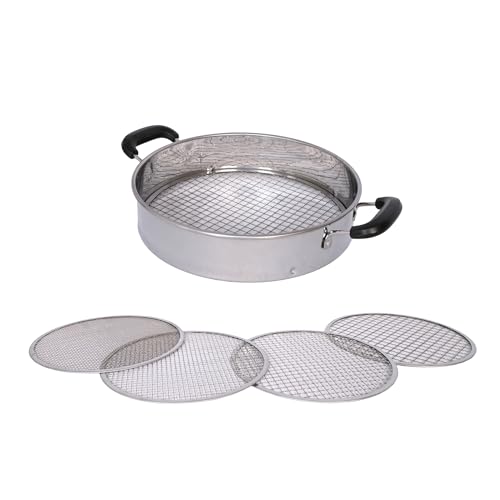
Multi-Purpose Soil Sifter with Handle | Includes 4 Changeable Screens | Ideal for Soil, Rock, Compost, and Debris Sifting
Comes with 4 different mesh sizes(3,6,9,12mm) to meet various gardening and sifting needs — ideal for soil, sand,...
As an affiliate, we earn on qualifying purchases.
Frequently Asked Questions
Are Beneficial Nematodes Safe for Pets and Children?
You might wonder if beneficial nematodes are safe for pets and children. Rest assured, they’re generally considered safe because they target specific soil pests and don’t harm humans or animals. For pet safety and children’s health, follow application instructions carefully. Keep pets and kids away during and shortly after treatment, then let the nematodes work naturally. When used properly, beneficial nematodes are a safe, eco-friendly pest control option for your garden.
How Long Do Beneficial Nematodes Remain Effective in the Soil?
Beneficial nematodes typically stay effective in the soil for about 2 to 4 weeks, though this depends on soil conditions and moisture levels. Their nematode lifespan varies but generally lasts around 2 to 3 weeks once applied. To maximize soil longevity, you should water your garden well after application and avoid tilling the soil. Regular reapplication helps maintain pest control and guarantees ongoing protection for your plants.
Can Beneficial Nematodes Control All Types of Garden Pests?
You might wonder if beneficial nematodes can control all garden pests. The answer is no; pest specificity varies because different nematode species target specific pests. Nematode diversity is essential for effective pest control, as some excel against soil-borne larvae, while others fight surface pests. To maximize benefits, identify your pests first and choose the right nematode types, ensuring your garden’s natural defenses are well-rounded and effective.
What Environmental Conditions Favor Beneficial Nematode Activity?
Think of ideal conditions as a perfect dance floor for beneficial nematodes. They thrive when soil moisture stays consistently moist and temperatures stay within 55-85°F. Too dry or too hot, and they slow down or die off. Conversely, overly cold or wet conditions can hinder their activity. To maximize their pest control power, keep soil evenly moist and avoid extreme temperature swings, creating the best environment for these natural allies.
How Often Should I Reapply Beneficial Nematodes for Ongoing Pest Control?
You should reapply beneficial nematodes every 3 to 4 weeks to maintain effective pest control. Regular application frequency guarantees they stay active in your soil, preventing pest resurgence. Keep in mind that environmental factors like moisture and temperature influence their effectiveness; reapplications are especially important after heavy rain or irrigation. Staying consistent with application frequency helps keep pests in check and your garden healthy.

Wild Badger Power 2-in-1 Yard Care System, 31cc, 4-Cycle Gas Engine Straight Shaft Multi-Tool with Brush Cutter, String Grass Trimmer and Shoulder Harness
3 in 1 Multi-function: 17" String Trimmer/Edger and 10" Brush Cutter included, blade diameter: 10 inches.
As an affiliate, we earn on qualifying purchases.
Conclusion
Now that you know about beneficial nematodes, you’re equipped to protect your garden naturally. Did you know that these tiny allies can reduce pest populations by up to 80%? That’s a huge win for a chemical-free garden! By introducing beneficial nematodes, you’re not only safeguarding your plants but also promoting a healthier environment. So go ahead, embrace these natural bodyguards and watch your garden thrive effortlessly!

Bully Tools Broad Fork Garden Tool - Heavy Duty Broadfork for Loosening, Digging & Breaking Hard Soil - 5 Steel Tines for Cultivating & Tilling - Fiberglass Handles - 100% Made in the USA - 43.75 Inch
100% MADE IN THE USA: Crafted with pride in the USA, this Bully Tools broad fork features 5...
As an affiliate, we earn on qualifying purchases.

VEVOR Broad Fork, 5-Tine Pitchfork with Dual Fiberglass Handles, Heavy Duty Garden Fork, Ergonomic U-Shaped Design Broadfork Hand Tiller, Gardening Tool for Composting Transplanting Aeration
Durable & Long-Lasting: The integrated forged broad fork head and fiberglass handle design significantly enhance wear resistance, extending...
As an affiliate, we earn on qualifying purchases.