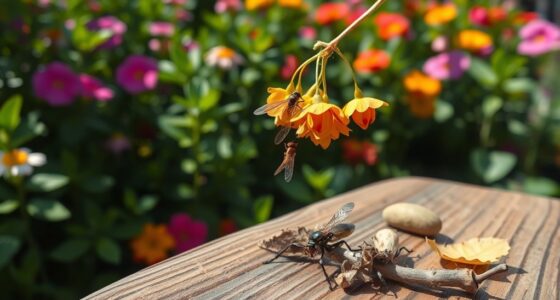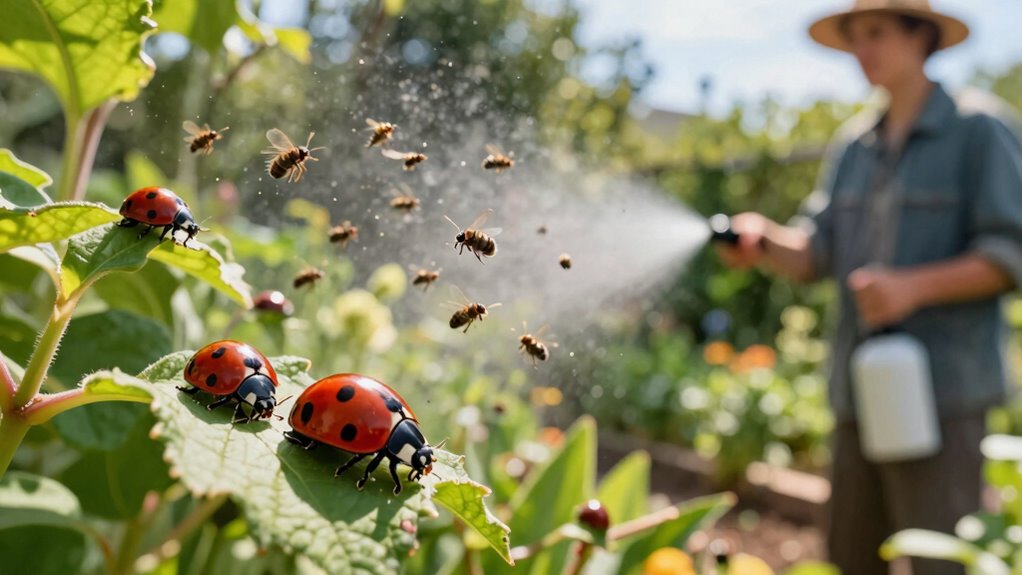

Releasing beneficial insects at the wrong time wastes their effort and reduces their pest control effectiveness. If you release them too early, they may starve without enough pests to feed on; if too late, pests might have already caused serious damage. Proper timing depends on monitoring pest levels, understanding insect life cycles, and considering weather and crop stages. Keep these factors in mind to make your releases more successful and get better results. Learn more to optimize your pest management strategy.

Get garden gear delivered free with Prime
- Fast, free delivery on millions of items
- Prime Video, Amazon Music and more included
- Member-only deals all year
Key Takeaways
- Releasing beneficial insects too early when pests are absent or low leads to starvation and reduced effectiveness.
- Timing releases after pests have caused significant damage diminishes the benefits of biological control.
- Ignoring pest life cycles and emerging pest stages results in mismatched releases and poor pest suppression.
- Releasing beneficial insects during adverse weather conditions (extreme heat, cold, or rain) decreases their survival.
- Failing to monitor pest levels and crop stages causes mistimed releases, wasting resources and reducing pest management success.

Timing is everything when it comes to releasing beneficial insects in your garden or farm. If you get the timing wrong, you risk wasting your efforts and losing valuable pest control opportunities. Proper timing is essential for effective pest management and maintaining ideal crop health. When beneficial insects are released too early or too late, they may not find enough pests to feed on, or they might arrive when pests are already damaging your crops extensively. This not only diminishes their effectiveness but can also lead to frustration and unnecessary expenses.
Timing is crucial for beneficial insects to effectively control pests and protect crop health.
You need to closely monitor your pest populations before releasing beneficial insects. Ideally, you want to introduce them when pest numbers are just starting to rise but haven’t yet reached damaging levels. This approach helps guarantee the beneficial insects can keep pest populations in check before they cause serious harm. If you wait too long, pests may have already caused significant damage, and the beneficial insects might not be able to catch up. Conversely, releasing them too early can result in the beneficial insects starving or not establishing well because their prey isn’t available yet. This misstep wastes the insects and reduces their ability to control future pest outbreaks. Additionally, understanding the life cycles of pests and beneficial insects is crucial for timing releases effectively. Knowing the timing of pest emergence can help synchronize releases for optimal pest suppression.
Weather conditions influence the ideal release timing as well. For example, releasing beneficial insects during extreme heat, cold, or rainy weather can hinder their survival and activity. You should aim to release beneficial insects during mild, stable weather conditions to maximize their chances of establishing and thriving. Also, consider the growth stage of your crops; releasing beneficial insects when plants are most vulnerable ensures they can protect your crops at critical moments. Furthermore, monitoring weather forecasts helps you choose the best days for releases, avoiding adverse conditions that could jeopardize the insects’ success. Being aware of local climate patterns can also help plan the most effective release schedule.
Ultimately, timely releases are key to maximizing pest management and maintaining crop health. By paying attention to pest levels, weather, and crop development, you can make smarter decisions that use your beneficial insects efficiently. When done correctly, your efforts will lead to healthier plants, reduced chemical use, and a more resilient farm or garden ecosystem. The right timing makes all the difference in turning beneficial insects into effective allies in your pest control strategy.
Products Worth Considering

VEVOR Walk-In Tunnel Greenhouse with Watering System, 15 x 7 x 7 ft

Traeger Woodridge Pro Wood Pellet Grill and Smoker, 970 sq. in., WiFIRE

Rachio 3 Smart Sprinkler Controller, 16 Zones
As an affiliate, we earn on qualifying purchases.
Frequently Asked Questions
How Can I Identify Beneficial Insects in My Garden?
To identify beneficial insects in your garden, start with pollinator identification by observing insects like bees and butterflies that visit flowers. For pest identification, look for insects such as ladybugs and lacewings that prey on harmful pests. Use a field guide or smartphone app to compare their appearance. Pay attention to their size, color, and behavior, helping you distinguish beneficial insects from pests and support your garden’s health.
What Are the Signs of Over-Releasing Beneficial Insects?
If you notice pest resurgence despite releasing beneficial insects, you might be over-releasing, leading to insect dependency. Signs include a sudden drop in pest control effectiveness and the beneficial insects relying heavily on frequent releases. This overdependence can weaken their natural predation skills. To avoid this, monitor pest levels carefully and release insects only when needed, ensuring they complement natural pest control rather than replace it entirely.
Are There Specific Weather Conditions Best for Releasing Beneficial Insects?
You should release beneficial insects during mild, stable weather, avoiding extreme heat, cold, or rain. Climate considerations like temperature and humidity play a vital role; ideally, release them when daytime temperatures are between 65-80°F. Seasonal timing is also key—spring or early summer often works best, as it aligns with pest emergence and provides ideal conditions for insects to establish and thrive.
How Long Do Beneficial Insects Typically Take to Control Pests?
Like the swift arrow of Cupid’s bow, beneficial insects typically take a few days to a week to control pests effectively. Their lifespan varies, but most work within this window when released at the most favorable timing. If you release them too early or late, you might delay results or waste their potential. For best results, monitor pest levels and release beneficial insects when pests are just beginning to rise, ensuring a faster, more efficient control process.
Can Beneficial Insects Harm My Native Insect Population?
Beneficial insects generally won’t harm your native insect population if used correctly, but some interactions might occur. They can sometimes compete with native insects for resources, potentially disrupting ecosystem balance. To minimize impact, choose species that are specific to the pests you want to control and follow release guidelines carefully. Observing native insect interactions after release helps guarantee your pest management supports overall ecosystem health.
Conclusion
By timing your releases correctly, you prevent beneficial insects from becoming just another missed opportunity—like planting seeds in barren soil. When you align their release with pest activity and environmental conditions, you give them the best chance to thrive and do their job. Remember, rushing or delaying can turn a potential ally into wasted effort. Treat timing as the heartbeat of your integrated pest management; when in sync, nature’s balance effortlessly restores itself.