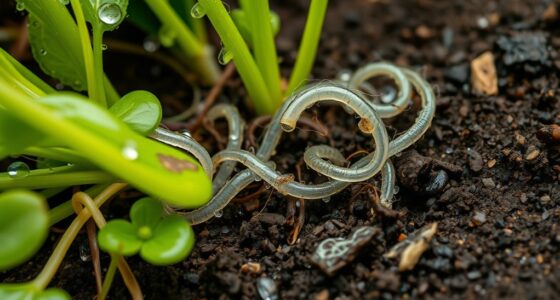
By creating healthy habitats, you support native predators that naturally control pests, reducing reliance on chemicals. Restoring native plants and removing invasive species can provide shelter, food, and breeding grounds for beneficial insects and animals. This habitat-focused approach fosters ecosystem resilience and long-term pest management. When the environment is balanced, pest outbreaks become less frequent. If you want to discover how these strategies can transform pest control, keep exploring the key principles behind this eco-friendly method.

Get garden gear delivered free with Prime
- Fast, free delivery on millions of items
- Prime Video, Amazon Music and more included
- Member-only deals all year
Key Takeaways
- Enhancing native habitats supports predator populations that naturally control pests, reducing reliance on chemical pesticides.
- Restoring habitat complexity provides shelter, food, and breeding sites for beneficial predators.
- A habitat-focused approach fosters resilient ecosystems capable of self-regulating pest populations.
- Native predators thrive in well-maintained habitats, improving the effectiveness of biological control.
- Long-term pest management benefits from understanding and restoring local ecological conditions and native habitats.
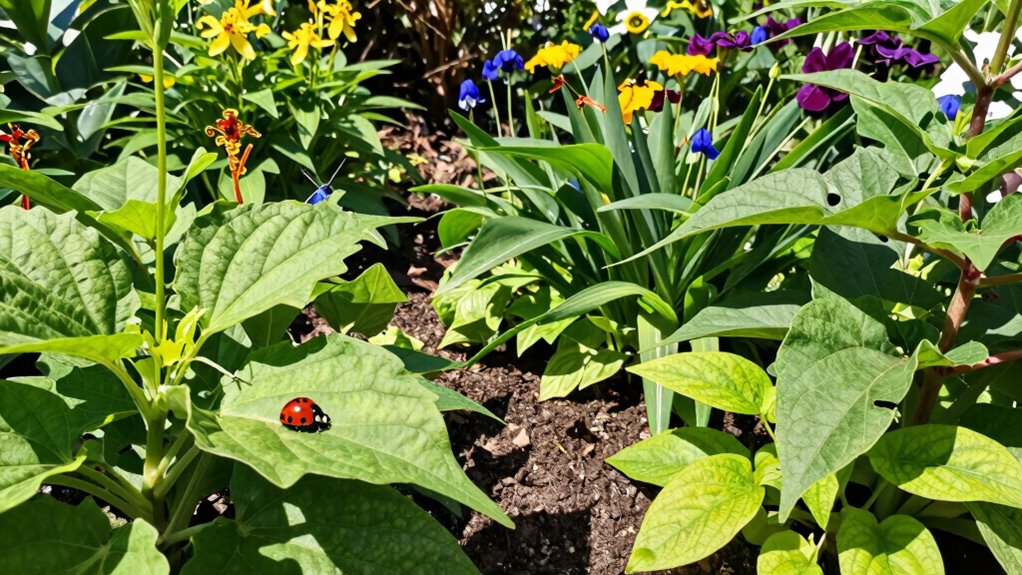
Biological control has emerged as a powerful and sustainable solution in managing pests and invasive species. Instead of relying on chemical pesticides, you can harness nature’s own methods to restore balance to ecosystems. One of the most effective strategies involves encouraging native predators—those animals that naturally feed on pests—to thrive in their environments. By doing so, you help reduce pest populations without harming other species or disrupting the ecosystem. Native predators are adapted to the local conditions, making them highly effective at controlling pests naturally. However, for these predators to do their job effectively, habitat restoration plays an essential role. Restoring native habitats ensures that predators have the shelter, food sources, and breeding grounds they need to sustain their populations. Creating suitable habitats is also crucial for supporting native predator populations and maintaining ecological balance.
Encouraging native predators through habitat restoration naturally controls pests and supports ecosystem health.
When you focus on habitat restoration, you’re actively creating a landscape that supports native predators. Removing invasive plants, planting native species, and providing refuges like brush piles or native grasses boost predator populations. This, in turn, keeps pest numbers in check, preventing outbreaks that could damage crops, forests, or natural habitats. Restoring habitat isn’t just about planting; it involves understanding the needs of native predators and designing landscapes that support their lifecycle. For example, certain native birds or insects might require specific nesting sites or continuous food sources to thrive. By tailoring habitat restoration efforts to meet these needs, you set the stage for a self-regulating ecosystem. Additionally, habitat complexity can influence predator effectiveness by offering diverse niches and resources. Incorporating native plantings can further enhance habitat quality by providing consistent food and cover for predators. Incorporating ecological principles into your habitat restoration can lead to more resilient and effective biological control outcomes.
Encouraging native predators through habitat restoration offers a sustainable alternative to chemical controls. It minimizes environmental impacts, protects beneficial insects, and promotes overall biodiversity. You become part of a natural cycle, where pests are kept in check by the predators that evolved alongside them. This dynamic is especially important in agricultural settings, where healthy ecosystems can improve crop resilience and reduce the need for chemical interventions. Furthermore, habitat restoration can be a community effort, involving local landowners, conservation groups, and farmers working together to create landscapes that support native predators.
Ultimately, this approach begins with understanding the local ecology and making intentional efforts to restore habitats suited for native predators. When you prioritize habitat restoration, you’re fostering a resilient environment capable of naturally controlling pests. This win-win strategy reduces reliance on chemicals, protects biodiversity, and supports long-term ecological health. The key lies in recognizing that healthy habitats are the foundation for effective biological control, and by nurturing native predators through thoughtful habitat management, you’re helping create sustainable, pest-free ecosystems.
As an affiliate, we earn on qualifying purchases.
Frequently Asked Questions
How Do Habitat Improvements Attract Beneficial Insects?
Habitat improvements attract beneficial insects by providing food, shelter, and breeding sites, which support pest suppression and promote ecosystem balance. When you create diverse plantings, add flowering plants, and leave undisturbed areas, beneficial insects like ladybugs and predatory wasps thrive. These insects naturally control pests, reducing the need for chemical interventions. In turn, your habitat becomes a self-sustaining system that maintains healthy, balanced pest populations.
What Specific Plants Support Biological Control Agents?
Think of your garden as a welcoming haven for beneficial insects. You support biological control agents by planting a diverse array of native flora, which provides food and shelter. Specific plants like dill, fennel, and yarrow attract ladybugs, parasitic wasps, and lacewings. By embracing plant diversity, you create an ecosystem where natural enemies thrive, helping you manage pests naturally and effectively.
Are There Risks of Introducing New Habitat Modifications?
Yes, introducing new habitat modifications can pose risks like habitat disruption and negatively impact native species. You might unintentionally create conditions that favor pests or invasive species, disrupting the ecosystem balance. To mitigate these risks, carefully plan habitat changes, monitor their effects, and prioritize preserving native plants and animals. Thoughtful modifications ensure you support biological control agents without harming the native biodiversity you’re aiming to protect.
How Long Does It Take to See Results From Habitat Changes?
You’ll typically see results from habitat changes within a few months, but it can take up to a year for full effects. Improving soil health and increasing predator diversity helps balance ecosystems faster. Notably, studies show that diverse predator populations can reduce pest numbers by 50% or more in just six months. Consistent habitat modifications promote long-term pest control, making your efforts worthwhile and sustainable over time.
Can Habitat Management Replace Chemical Pest Control Entirely?
Habitat management can considerably reduce your reliance on chemical pest control, but it might not replace it entirely. By integrating pest management and monitoring your pests closely, you can identify issues early and develop targeted strategies that promote natural predators. This approach enhances biological control, making your pest management more sustainable. However, in severe infestations, combining habitat management with selective chemical controls ensures effective, long-term pest suppression.
beneficial insect habitat shelters
As an affiliate, we earn on qualifying purchases.
As an affiliate, we earn on qualifying purchases.
Conclusion
By focusing on creating better habitats, you harness nature’s own balance to control pests effectively. This approach isn’t just theory; research shows healthier ecosystems foster natural predators, reducing reliance on chemicals. Embracing habitat improvement supports long-term pest management and biodiversity. So, instead of quick fixes, trust in nature’s intricate relationships—because when you nurture the environment, biological control becomes a sustainable, proven win. It’s a strategy grounded in ecological science that truly works.
As an affiliate, we earn on qualifying purchases.
As an affiliate, we earn on qualifying purchases.
Columbus Day / Indigenous Peoples' Day Picks
long weekend sales
As an affiliate, we earn on qualifying purchases.