Habitat manipulation supports natural enemies that help control pests, reducing your need for chemical pesticides. You can plant cover crops like clover or vetch between main crops, providing shelter and food for beneficial insects such as predatory beetles and parasitic wasps. Adding floral strips along your fields offers nectar and pollen during key periods, boosting natural enemy populations. Implementing these practices at the right times can create a sustainable, healthier farm environment—if you want to learn more, keep exploring these strategies.

Get garden gear delivered free — and shop member deals
- Fast, free delivery on millions of items
- Access to Prime Big Deal Days deals on October 6–7
- Prime Video, Amazon Music and more included
Key Takeaways
- Habitat manipulation, such as planting cover crops and floral strips, supports natural enemies like predatory insects and parasitoids.
- Cover crops provide shelter and overwintering sites, enhancing natural enemy survival and activity.
- Floral strips attract beneficial insects with nectar and pollen, boosting biological pest control.
- Proper timing and maintenance of habitats ensure continuous support for natural enemies throughout the season.
- Overall, habitat manipulation reduces chemical pesticide use by promoting natural pest suppression.

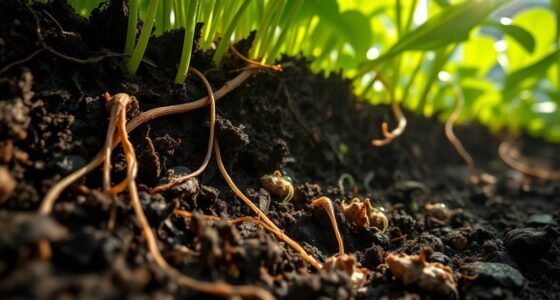
Habitat manipulation plays a crucial role in supporting natural enemies that help control pest populations. By creating an environment conducive to beneficial insects, you can reduce reliance on chemical pesticides and promote a healthier, more sustainable ecosystem. One effective way to do this is through the strategic use of cover crops and floral strips. Cover crops, like clover or vetch, are planted between main crops to provide shelter, food, and overwintering sites for beneficial insects such as predatory beetles, parasitic wasps, and lacewings. These plants not only improve soil health but also serve as a habitat that encourages natural enemies to establish and thrive. Floral strips, on the other hand, are narrow bands of flowering plants sown along crop edges or within fields. They attract pollinators and beneficial insects, offering nectar and pollen that sustain them throughout their active periods.
By incorporating cover crops into your planting schedule, you’re creating a multi-layered habitat that supports natural enemies year-round. For example, planting a cover crop during off-season periods ensures that beneficial insects have a refuge when pests are scarce elsewhere. This continuous habitat availability helps maintain a stable population of natural enemies, which can quickly respond when pest outbreaks occur. Floral strips further enhance this environment by providing a consistent source of nectar and pollen, which many beneficial insects depend on for energy and reproduction. These strips can be designed with native wildflowers or commercially available seed mixes tailored to attract specific natural enemies in your region.
Implementing cover crops and floral strips is straightforward and adaptable to various farming practices. You can sow cover crops in fall or early spring, adjusting timing to match your crop cycle. For floral strips, choose plants that bloom during critical pest periods, ensuring natural enemies have access to resources when they need them most. Regularly maintaining these habitats—by avoiding herbicides in these areas and allowing plants to flower fully—maximizes their benefits. You’ll notice an increase in beneficial insect activity, which naturally suppresses pest populations and reduces the need for chemical interventions.
cover crop seed mix for beneficial insects
As an affiliate, we earn on qualifying purchases.
As an affiliate, we earn on qualifying purchases.
Frequently Asked Questions
How Does Habitat Manipulation Impact Non-Target Organisms?
Habitat manipulation can benefit non-target organisms by increasing biodiversity benefits and supporting ecosystem resilience. As you implement these techniques, you create diverse environments that help various species thrive, not just pests. This promotes natural balance and reduces the need for chemical controls. By fostering a healthy ecosystem, you enhance resilience, making your landscape more adaptable to pests and environmental changes. Overall, habitat manipulation positively impacts a wide range of non-target organisms.
What Are the Costs Associated With Habitat Manipulation Strategies?
Did you know that habitat manipulation can increase pest control costs by up to 25%? You might face challenges like high initial investment, ongoing maintenance, and unpredictable environmental impacts, which affect cost effectiveness. Implementation challenges include identifying suitable habitats and maintaining ecological balance. Despite these costs, strategic habitat manipulation can reduce chemical use, but you need to weigh these expenses against long-term benefits to determine if it’s worth the investment.
Can Habitat Manipulation Be Combined With Chemical Controls?
Yes, you can combine habitat manipulation with chemical controls within an Integrated Pest Management (IPM) approach. This combination helps maintain ecological balance by reducing reliance on chemicals and promoting natural enemies. You should apply chemicals judiciously, considering timing and dosage, to avoid harming beneficial organisms. By integrating these methods thoughtfully, you enhance pest control effectiveness while supporting a healthier, balanced ecosystem.
How Long Does It Take for Natural Enemies to Establish?
While patience is a virtue, natural enemies typically establish within a few weeks to months, depending on factors influencing acclimation like habitat quality, climate, and prey availability. You might see early signs of their presence in about 2-4 weeks, but full establishment can take longer. Consistent habitat management and favorable conditions speed up this process, helping you achieve balanced pest control naturally and effectively.
Are There Specific Plant Species Best Suited for Habitat Manipulation?
You should focus on plant selection that enhances species compatibility with natural enemies. Native plants are often best suited, as they attract and support beneficial insects effectively. Choose species that provide nectar, pollen, or shelter, like flowering herbs or cover crops. By selecting the right plants, you create a welcoming habitat that encourages natural enemies to establish quickly and maintain pest control naturally.
flowering plant seed mix for beneficial insects
As an affiliate, we earn on qualifying purchases.
As an affiliate, we earn on qualifying purchases.
Conclusion
By shaping the landscape around pests, you’re planting seeds of balance, inviting natural enemies to your garden’s symphony. Every leaf and corner becomes a hidden sanctuary, where beneficial creatures thrive like whispers of hope amid chaos. With careful habitat manipulation, you’re not just fighting pests—you’re orchestrating a delicate dance of nature’s resilience. Embrace this dance, and watch your garden flourish as a vibrant tapestry woven with harmony and life’s quiet, persistent strength.
beneficial insect habitat strips
As an affiliate, we earn on qualifying purchases.
As an affiliate, we earn on qualifying purchases.
natural pest control cover crops
As an affiliate, we earn on qualifying purchases.
As an affiliate, we earn on qualifying purchases.
Fall yard work Picks
leaf blowers
As an affiliate, we earn on qualifying purchases.