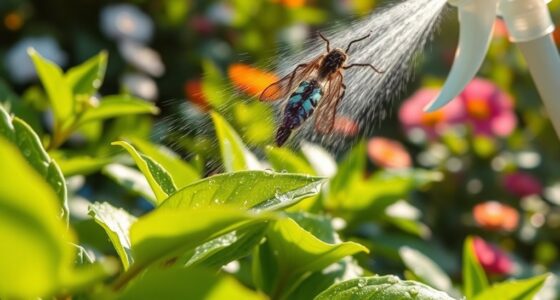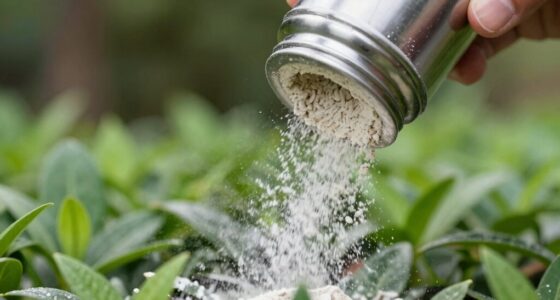
You should act early with organic control because it prevents serious damage and makes pest management more effective. When you catch pests at the initial stage, you stop them from reproducing and spreading, reducing the need for harsh treatments later. Using organic methods like neem oil or beneficial insects supports your garden’s health without disrupting beneficial microbes. Stay with us to discover more about how early action keeps your garden thriving and resilient.

Get garden gear delivered free with Prime
- Fast, free delivery on millions of items
- Prime Video, Amazon Music and more included
- Member-only deals all year
Key Takeaways
- Early intervention prevents pest populations from establishing and causing extensive damage.
- Organic controls are most effective when pests are in their initial, manageable stages.
- Addressing issues early limits pest reproduction and spread, reducing the need for harsher treatments.
- Preventive practices and monitoring help catch problems before they become severe.
- Maintaining healthy soil and plant resilience reduces susceptibility to severe pest damage.
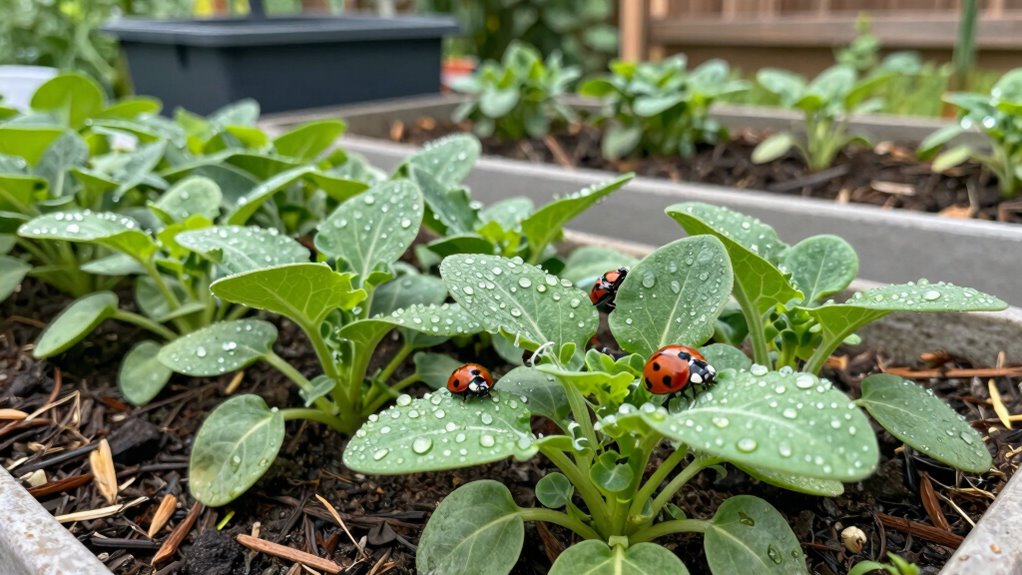
Preventing severe damage to your plants is most effective when you act early with organic controls. When you stay vigilant and implement preventive measures, you help maintain healthy soil and keep pests at bay before they become overwhelming. One of the most important steps is to understand and support soil health. Healthy soil is teeming with beneficial microorganisms, nutrients, and organic matter that naturally bolster your plants’ defenses. By enriching your soil with compost and organic amendments, you create an environment where plants are stronger and more resilient against pests and diseases. This proactive approach reduces the likelihood of infestations taking hold, making it easier to manage issues before they escalate.
Supporting soil health early strengthens plants and prevents pest infestations before they take hold.
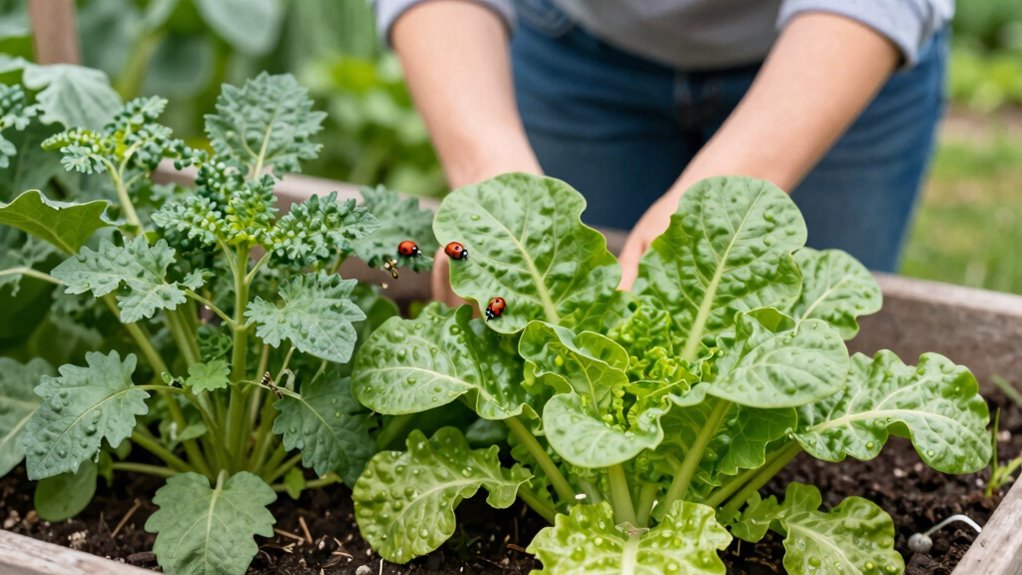
Regular soil testing can help you better understand the nutrient levels and microbial activity in your garden, enabling more targeted organic treatments. Pest monitoring plays a key role in early intervention. Regularly inspecting your plants allows you to identify signs of pests or damage at the earliest stages. Look for small insects, eggs, or telltale holes in leaves—these tiny clues are your first warning signs. When you catch pests early, you can target them with organic controls like neem oil, insecticidal soaps, or beneficial insects such as ladybugs and lacewings. These methods are most effective when pests are in their initial stages, preventing them from reproducing and spreading further. Consistent pest monitoring helps you develop a keen eye, so you can respond swiftly rather than waiting for visible, severe damage to appear.
Using organic controls early not only curbs pest populations but also supports the overall health of your garden ecosystem. Unlike chemical pesticides, organic methods tend to be more selective, posing less risk to beneficial insects, pollinators, and your soil’s microbial balance. When you act promptly, you reduce the need for more aggressive interventions later, which can disturb soil health and lead to resistance. Early action also means fewer chemical residues on your plants and in your soil—keeping your garden safer and more sustainable over time. To maximize these benefits, understanding the importance of soil health is essential for building a resilient garden. Implementing preventive practices like crop rotation and mulching can further enhance your efforts, creating a robust environment that resists pest invasions. Additionally, incorporating companion planting can help deter pests naturally and foster beneficial relationships within your garden ecosystem.
In essence, your success in organic gardening hinges on proactive care. By prioritizing soil health and practicing consistent pest monitoring, you create a resilient garden that can withstand pest pressures without severe damage. Acting early with organic controls keeps pests in check, preserves soil vitality, and guarantees your plants stay healthy and productive. The key is to stay attentive and responsive—address issues before they become major problems. This approach not only safeguards your plants but also fosters a balanced, thriving garden environment for seasons to come.
Products Worth Considering

Husqvarna Power Axe 350i 18-Inch Cordless Chainsaw Kit
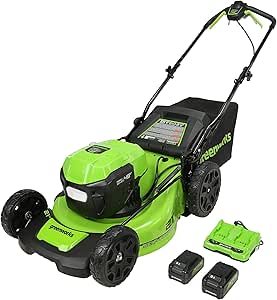
Greenworks 48V (24V x 2) 21-inch Self-Propelled Lawn Mower, Battery Kit

EGO POWER+ 21 Cordless Electric Lawn Mower Kit, Self-Propelled
As an affiliate, we earn on qualifying purchases.
Frequently Asked Questions
Can Organic Control Methods Be Effective for All Pests?
Organic control methods can be effective for many pests, but not all. Unlike synthetic pesticides, organic methods focus on natural solutions, reducing chemical residues. You may see good results on common pests; however, some stubborn pests might require additional strategies. It’s important to identify the pest accurately and use integrated approaches for best effectiveness. Organic methods often work best when you act early, before pest damage becomes severe.
How Early Should I Start Organic Pest Control?
You should start organic pest control as early as possible, ideally before you notice any signs of pests. Early intervention allows you to implement preventative strategies that keep pests from establishing themselves and causing damage. By acting promptly, you reduce the need for harsher treatments later on, protect your plants naturally, and maintain a healthy environment. Don’t wait until the damage feels severe—prevention is key to effective organic pest management.
Are Organic Methods Safe for Beneficial Insects?
You might wonder if organic methods threaten beneficial insects. The good news is, organic safety means these methods are designed to be selective, targeting pests without harming helpful beneficial insects. When used properly, organic controls minimize risks, so your garden’s ecosystem stays balanced. If you’re cautious and apply treatments thoughtfully, you can protect your plants while preserving the helpful insects that naturally keep pests in check.
Do Organic Controls Require More Frequent Application?
Yes, organic controls often need more frequent application because natural repellents break down faster than chemical ones. Regular treatments help maintain a beneficial habitat by keeping pests at bay without harming helpful insects. You’ll want to reapply natural repellents every few days, especially during peak pest activity, to stay ahead of damage. Consistent, timely applications protect your garden while supporting a healthy, balanced ecosystem.
Can Organic Control Methods Prevent Pest Problems Entirely?
Yes, organic control methods like natural repellents and companion planting can help prevent pest problems entirely. By using natural repellents, you deter pests before they become a threat. Companion planting attracts beneficial insects and creates a barrier against pests. Consistently applying these strategies keeps pests at bay, reducing the chances of damage and maintaining a healthy garden without relying on chemical interventions.
Conclusion
So, next time your plants look a tad off, don’t wait for a full-blown catastrophe. Grab that organic control and act early—because nothing says “I’ve got this under control” like preventing damage before it turns your garden into a disaster zone. Who needs fancy chemicals when a little proactive love and organic solutions can save the day? Remember, a stitch in time saves nine… and a healthy garden saves you from endless regret!