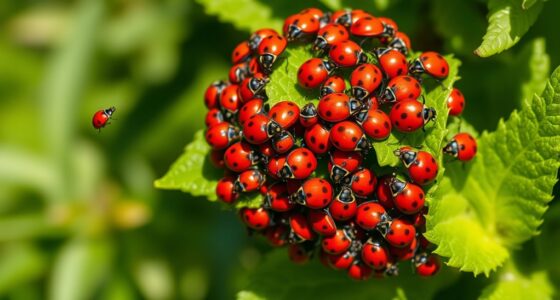
Spinosad works by targeting the insect nervous system, causing paralysis and eventual death. To get the best results, apply it when pests are most active and vulnerable, typically early in an infestation. Timing is essential because applying too early or too late can reduce control and promote resistance. Proper application strategies, like rotating chemicals and monitoring pest levels, can help maximize effectiveness. If you keep exploring, you’ll discover more ways to optimize its use effectively.

Get garden gear delivered free with Prime
- Fast, free delivery on millions of items
- Prime Video, Amazon Music and more included
- Member-only deals all year
Key Takeaways
- Spinosad targets the insect nervous system by activating nicotinic acetylcholine receptors, leading to paralysis and death.
- Proper timing involves applying during early pest infestation stages for maximum effectiveness and resistance management.
- Applying when pests are actively feeding enhances control and reduces unnecessary product use.
- Timing should consider environmental conditions to optimize residual activity and minimize impact on beneficial insects.
- Rotating spinosad with insecticides of different modes of action helps prevent resistance development.
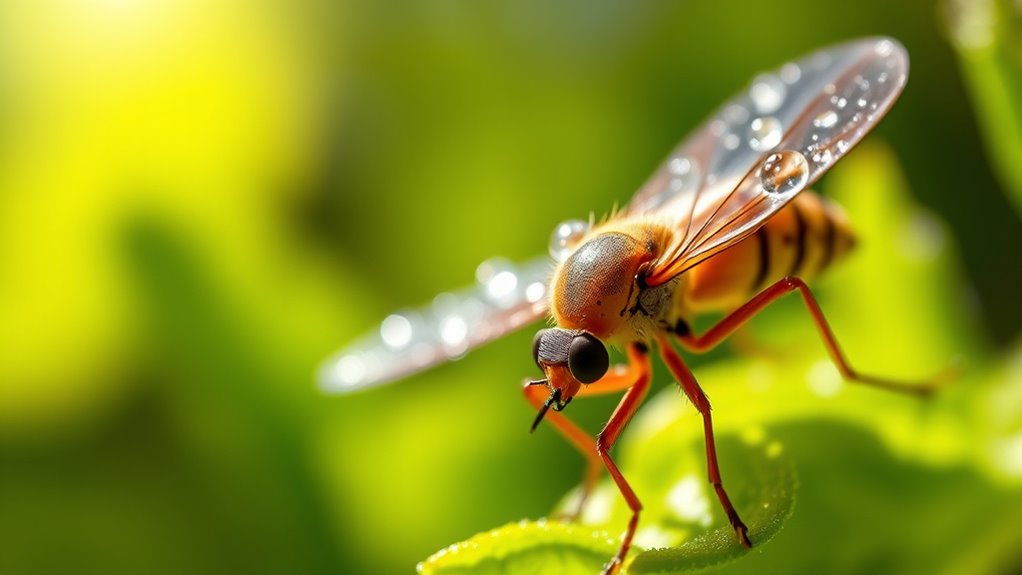
Spinosad is a natural insecticide widely used in pest control because of its effectiveness and low toxicity to non-target organisms. Its mode of action targets the nervous system of insects, causing paralysis and eventual death. However, understanding how resistance development can occur is essential for maintaining its efficacy. Repeated use of spinosad on the same pest populations without proper management can lead to resistance, making it less effective over time. To prevent this, you should rotate spinosad with other insecticides that have different modes of action. This strategy helps reduce the selective pressure on pests, slowing down the development of resistant strains. Additionally, implementing integrated pest management practices, such as biological controls and cultural methods, can further minimize the risk of resistance.
Application timing plays a critical role in maximizing spinosad’s effectiveness while curbing resistance. The key is to apply it when pest populations are at their most vulnerable, typically during early infestation stages. Applying too early might mean wasting product on pests that haven’t yet caused significant damage, while applying too late can reduce control effectiveness and promote resistance. You should monitor pest levels closely and target applications during peak activity periods, ideally when pests are most exposed and actively feeding. This timing not only improves control efficiency but also lowers the frequency of applications needed, reducing the chances for pests to develop resistance.
Furthermore, the timing of application impacts the insecticide’s selectivity and environmental impact. Applying spinosad during periods of low beneficial insect activity can help preserve natural predators that keep pest populations in check. Conversely, spraying during peak pest activity ensures rapid knockdown, minimizing crop damage. Keep in mind that environmental conditions, such as temperature and humidity, influence spinosad’s residual activity, so applying during suitable weather conditions can enhance its performance and reduce the need for repeat applications. Being aware of pest management strategies and their timing can significantly improve overall pest control effectiveness and sustainability.
Spinosad insecticide for garden pests
As an affiliate, we earn on qualifying purchases.
As an affiliate, we earn on qualifying purchases.
Frequently Asked Questions
Is Spinosad Safe for Beneficial Insects?
Spinosad can be safe for beneficial insects if used carefully, but its toxicity varies. You should consider beneficial insect safety before application, as spinosad toxicity may affect pollinators and natural enemies. To protect beneficial insects, apply it during times when they are less active, like early morning or late evening. Always follow label instructions and avoid spraying directly on flowering plants to minimize harm.
How Long Does Spinosad Remain Effective After Application?
Spinosad hangs around like a steadfast guardian, providing residual activity for about 1 to 2 weeks after application. Its degradation timeline depends on environmental conditions—hot, sunny days speed it up, while cooler, shaded areas prolong effectiveness. To keep pests at bay, reapply as needed, typically every 7 to 14 days. Remember, maintaining this schedule guarantees continuous protection without harming beneficial insects.
Can Spinosad Be Used Indoors Safely?
Yes, you can use spinosad indoors safely if you follow proper safety precautions. When doing indoor application, make sure you keep the area well-ventilated and avoid direct contact with treated surfaces. Always read the label carefully, wear protective gear, and keep children and pets away during and after application. By following these guidelines, you can effectively control pests indoors while maintaining safety for everyone.
What Are Common Signs of Spinosad Resistance?
About 10% of pest populations develop genetic resistance to spinosad. If you notice pests continuing to feed or reproduce despite treatment, it’s a sign of resistance. Early detection is key; look for survivors after application or shifts in pest behavior. These signs indicate that pests may have developed genetic resistance, and you should consider alternative or integrated pest management strategies to effectively control the problem.
Does Spinosad Affect Aquatic Life?
Spinosad can affect aquatic life due to its aquatic toxicity, so you should use it carefully near water bodies. It poses environmental impact concerns because it may harm beneficial insects and aquatic organisms. When applying spinosad, avoid runoff into ponds, rivers, or lakes, and follow label instructions strictly to minimize risks. Proper handling helps protect aquatic ecosystems while effectively managing pests.
As an affiliate, we earn on qualifying purchases.
Conclusion
Understanding how spinosad works and when to apply it opens its full potential in pest control. Think of it as your secret weapon, targeting pests with precision and efficiency. By timing your applications correctly, you guarantee maximum impact—like a well-placed arrow hitting its mark. So, stay informed and strategic; your crops and garden will thank you. After all, knowledge is the most powerful tool in your pest management arsenal.
Spinosad application timing tools
As an affiliate, we earn on qualifying purchases.
As an affiliate, we earn on qualifying purchases.
beneficial insects safe insecticides
As an affiliate, we earn on qualifying purchases.
As an affiliate, we earn on qualifying purchases.
Halloween Picks
halloween
As an affiliate, we earn on qualifying purchases.