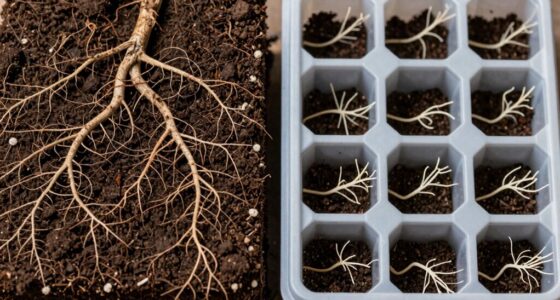
For long-lasting outdoor pest control, granules are your best choice since they provide slow release and broad coverage around your perimeter. Sprays are ideal for targeted, quick action on specific pests or spots indoors. Dusters work well for easy, spot treatments in cracks and crevices. Choosing the right form depends on your specific needs, pest type, and environment. Keep exploring to find out how to use each method effectively for safe, efficient pest management.

Get garden gear delivered free — and shop member deals
- Fast, free delivery on millions of items
- Access to Prime Big Deal Days deals on October 6–7
- Prime Video, Amazon Music and more included
Key Takeaways
- Granules are ideal for outdoor perimeter and long-lasting indoor pest prevention, providing slow release and targeted application.
- Sprays are best for immediate, spot-treatment of visible pests or hard-to-reach areas.
- Dusters efficiently apply powders in cracks, crevices, and around baseboards for targeted pest control.
- Use granules for broader coverage, sprays for quick knockdowns, and dusters for detailed, precise spots.
- Choosing the right form depends on pest behavior, treatment area, and environmental considerations.
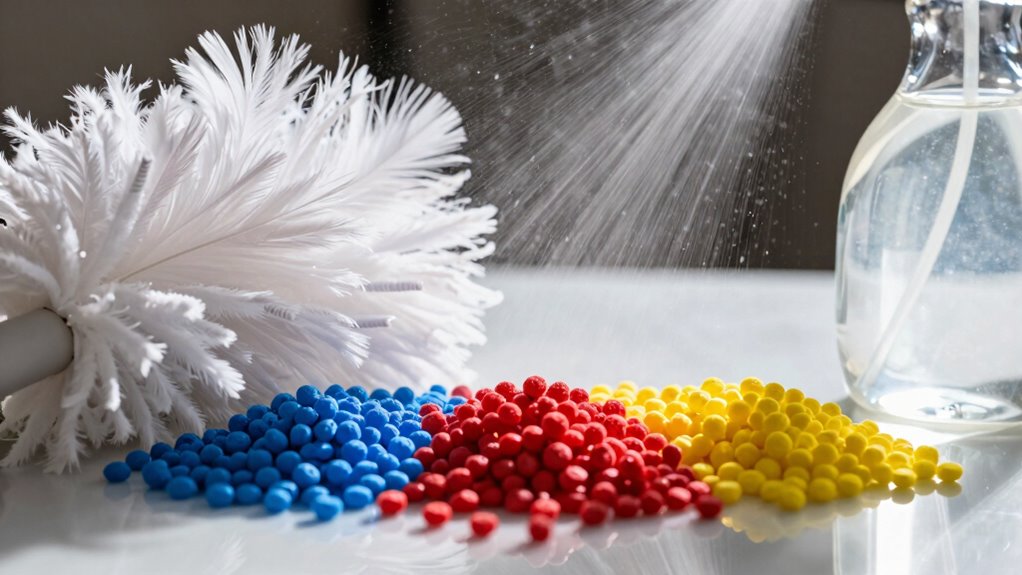
Granules are ideal for outdoor pest control or long-lasting indoor treatments. They provide a slow-release method that keeps pests at bay over extended periods. When applying granules, your goal should be even coverage, spreading the granules around the perimeter of your home, garden beds, or other infested areas. This technique not only guarantees thorough pest control but also minimizes environmental impact by reducing runoff and preventing over-application. It’s essential to follow manufacturer instructions regarding quantity and placement to avoid excess application, which can lead to soil and water contamination. Granules tend to be less invasive than sprays, and because they stay put once applied, they pose a lower risk of drifting into unintended areas, making application techniques more controlled and environmentally friendly. Using environmentally friendly products helps protect surrounding ecosystems while maintaining effective pest control. Additionally, understanding the different pest control methods available can help you choose the most suitable approach for your situation. Proper preparation and understanding of pest behavior can further enhance the effectiveness of your chosen method. Being aware of application techniques can also improve the overall success of your pest management plan. Incorporating safe handling procedures ensures that you minimize potential risks during application and cleanup.
As an affiliate, we earn on qualifying purchases.
Frequently Asked Questions
Are Dusters Safe for Electronic Equipment?
Yes, dusters are generally safe for electronic equipment if you follow proper electronic safety and dusting techniques. Use a soft, anti-static duster to avoid static buildup that could damage sensitive components. Keep the duster gentle and avoid applying too much pressure. Regularly clean dusters to maintain effectiveness, and always turn off and unplug devices before dusting to prevent electrical issues. Proper dusting keeps electronics clean without risking damage.
Can Granules Be Used for Indoor Pest Control?
Yes, granules can be used for indoor pest control, acting like tiny warriors spreading through your space. Think of them as strategic soldiers in your indoor pest prevention plan, quietly working beneath the surface. To guarantee effectiveness, follow granule application techniques carefully—spread them evenly in cracks, corners, and entry points. This helps target pests at their source, creating a barrier that protects your home without the chaos of sprays.
How Long Does a Spray Typically Last?
A spray typically lasts anywhere from a few days to a few weeks, depending on the product and application. Compared to granules or dusters, sprays generally have a shorter longevity. When storing sprays, consider temperature and avoid direct sunlight to preserve effectiveness. A longevity comparison shows sprays need reapplication more often, so keep track of usage. Proper storage guarantees the spray remains effective until needed again.
Are There Eco-Friendly Options for Dusters?
Yes, there are eco-friendly options for dusters. You can choose dusters made from sustainable materials like bamboo or recycled plastics, which support eco-friendly cleaning practices. These options help reduce environmental impact and promote sustainable pest control. Look for products that are biodegradable and free from harsh chemicals. Using eco-friendly dusters not only keeps your space clean but also aligns with your commitment to protecting the environment.
Do Sprays Work Better Outdoors or Indoors?
Sprays are like a good song—more effective indoors than outdoors, where wind and weather play a symphony of chaos. For outdoor pest control, sprays can work well if used precisely, but their effectiveness often drops outside. Indoors, sprays shine, targeting pests directly and providing quick relief. So, if you want reliable indoor spray effectiveness, use them carefully indoors, but for outdoor jobs, consider other options.
indoor pest spray for quick action
As an affiliate, we earn on qualifying purchases.
As an affiliate, we earn on qualifying purchases.
Conclusion
Choosing the right form is like selecting the perfect brush for a masterpiece—you want precision, ease, and impact. Dusters, granules, and sprays are your tools, each symbolizing different shades of your problem-solving palette. When you pick wisely, you’re not just applying a product; you’re opening a secret door to a cleaner, healthier space. So trust your instincts, choose your weapon, and let your home shine as a proof of your thoughtful touch.
pest control dusters for cracks and crevices
As an affiliate, we earn on qualifying purchases.
As an affiliate, we earn on qualifying purchases.
environmentally friendly pest granules
As an affiliate, we earn on qualifying purchases.
As an affiliate, we earn on qualifying purchases.
Fall yard work Picks
leaf blowers
As an affiliate, we earn on qualifying purchases.