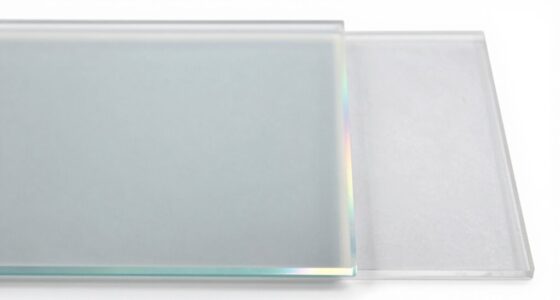
Choosing between polycarbonate and poly film for your greenhouse impacts durability, insulation, and costs. Polycarbonate is more durable, offers better thermal protection, and requires less maintenance, but it costs more upfront. Poly film is budget-friendly, easier to install, but degrades faster and needs frequent replacement. Deciding the right material depends on your gardening goals and budget. Keep exploring to discover which option best fits your needs and climate conditions.
Key Takeaways
- Polycarbonate greenhouses offer greater durability, UV protection, and long-term low maintenance compared to poly film structures.
- Poly film provides a cost-effective, lightweight, and easy-to-install option suitable for seasonal or DIY setups.
- Polycarbonate’s multi-wall design enhances insulation and climate control, ideal for maintaining stable growing environments.
- Poly film requires more frequent replacements and repairs due to lower UV resistance and susceptibility to tears.
- The choice depends on budget, longevity needs, and desired light quality, significantly impacting greenhouse performance and maintenance.

DGSL 14 Pcs Polycarbonate Greenhouse Panels, 6' x 2' x 0.24'' Twin-Wall Panels, Polycarbonate Sheet for All Weather Outdoor Garden and Greenhouse Covering
Polycarbonate Panels: The greenhouse roof panels allow 80% light transmission into the greenhouse, which greatly benefits plant growth….
As an affiliate, we earn on qualifying purchases.
As an affiliate, we earn on qualifying purchases.
What Are the Main Differences Between Polycarbonate and Poly Film Greenhouses?
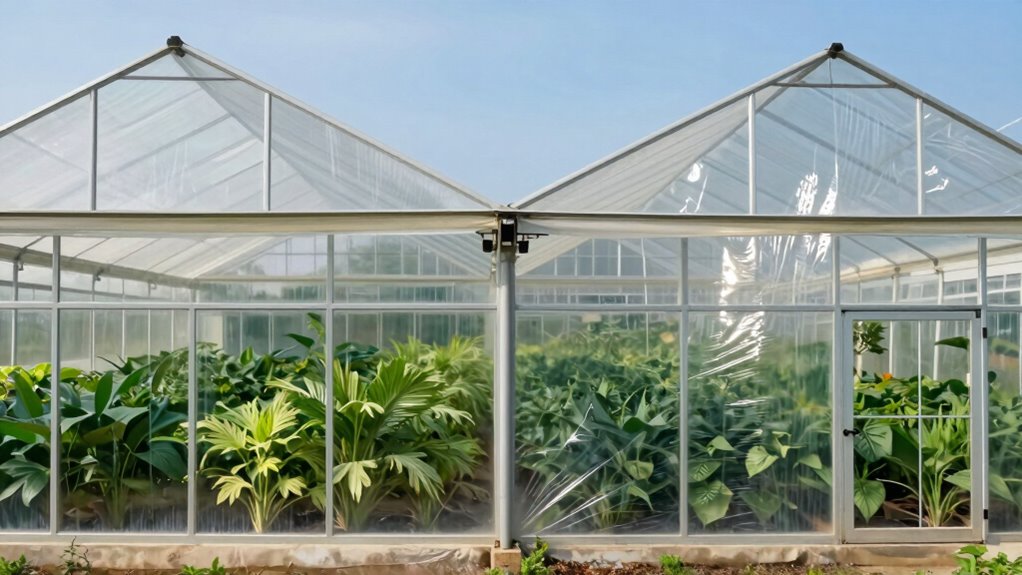
Polycarbonate and poly film greenhouses each have distinct characteristics that can influence your gardening choices. Polycarbonate panels excel in UV resistance, providing better protection against harmful rays and lasting longer without degrading. They also offer superior light diffusion, spreading sunlight evenly across your plants, which promotes healthy growth. Poly film, on the other hand, is typically less UV resistant and may need replacement more often, but it provides excellent light transmission, ensuring your plants receive ample sunlight. While polycarbonate is more durable and offers better UV shielding, poly film is lightweight and more affordable. Your decision depends on whether you prioritize longevity and light quality or cost-effectiveness and ease of installation. Additionally, energy-efficient materials can further enhance your greenhouse’s sustainability and operational savings. Considering the overall cost-benefit is essential when choosing the appropriate material for your specific gardening needs. Incorporating material durability factors can also help determine which option best suits your long-term gardening goals.

chicarry Greenhouse Plastic Sheeting, 12 x 25ft 6 mil Clear Greenhouse Film, UV Resistant Plastic Sheeting Heavy Duty, Polyethylene Green House Plastic Cover for Farms, Garden, Agriculture
【High Strength and Toughness】Our plastic films feature 5-Layer Co-Extrusion technology for high mechanical strength and flexibility, and they…
As an affiliate, we earn on qualifying purchases.
As an affiliate, we earn on qualifying purchases.
How Much Do Polycarbonate and Poly Film Greenhouses Cost, and What’s Their Maintenance Like?

While the initial investment varies, polycarbonate greenhouses generally cost more upfront than poly film options due to their durable materials and frame structures. The cost comparison shows that polycarbonate structures can be two to three times pricier initially, but they often last longer. Maintenance requirements also differ: polycarbonate panels are easier to clean and resist scratches, needing only periodic cleaning with mild soap. Poly film greenhouses are more affordable upfront but require more frequent repairs or replacements because the film may tear or degrade over time, especially under harsh weather. Regular inspections and prompt repairs are essential for both types, but polycarbonate’s sturdiness reduces overall maintenance efforts. Additionally, understanding material properties can help you make a more informed decision aligned with your specific needs. Considering long-term durability can also influence your choice based on how much effort you’re willing to invest over time. For example, weather resistance is a key factor that impacts the longevity and performance of each material under varying environmental conditions. Moreover, thermal insulation properties play a significant role in maintaining optimal growing conditions and can vary greatly between materials.

EVERECO 6 Pcs Polycarbonate Greenhouse Panels, 6'FT x 2'FT x 0.24" in Twin-Wall Polycarbonate Sheet, All-Season UV Protected Plastic Roof Sheeting for Greenhouse Covering/Outdoor Garden
[High Transmittance & UV Protection] Made of optical-grade material, this polycarbonate sheet has over 90% light transmittance. Sunlight…
As an affiliate, we earn on qualifying purchases.
As an affiliate, we earn on qualifying purchases.
Which Material Lasts Longer: Polycarbonate or Poly Film? Durability and Longevity Explained
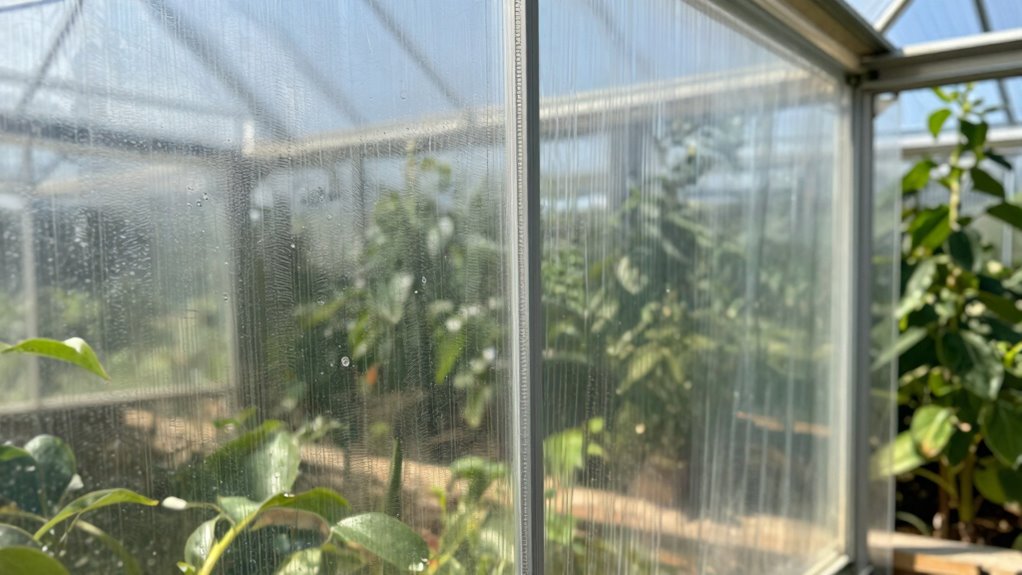
When choosing between polycarbonate and poly film greenhouses, understanding how long each material lasts can help you make a smarter investment. Polycarbonate generally outlasts poly film because of its superior UV resistance and impact strength. Its UV-resistant coating protects it from sun damage, maintaining clarity and structural integrity over many years. Additionally, polycarbonate offers high impact strength, making it resistant to hail, hail, and accidental impacts that could crack or puncture poly film. Poly film, while cheaper initially, tends to degrade faster due to weaker UV resistance, leading to brittleness and tears over time. Its shorter lifespan means you’ll need more frequent replacements. Overall, polycarbonate’s durability and resilience make it a longer-lasting choice for a sustainable, low-maintenance greenhouse. UV protection is a key factor in extending the lifespan of greenhouse materials, ensuring they withstand harsh environmental conditions for years to come. Incorporating material longevity into your decision can significantly affect the overall cost and effort required for maintenance. Moreover, advances in UV-resistant coatings continue to enhance the durability of polycarbonate, making it an even more reliable choice for long-term greenhouse use. Proper maintenance also plays a crucial role in maximizing the lifespan of your greenhouse materials, helping you get the most value from your investment. Additionally, selecting materials with enhanced weather resistance can further extend the lifespan of your greenhouse structure, especially in challenging climates.
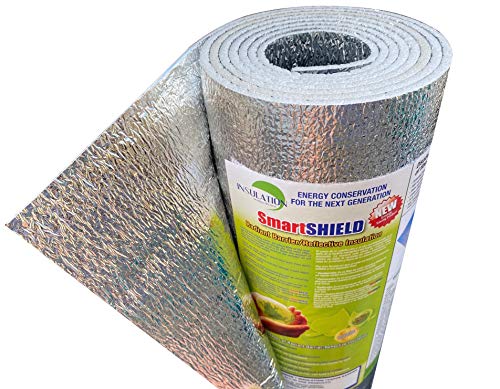
INSULATION MARKETPLACE SmartSHIELD -3mm 48inx10ft ReflectiveINSULATION roll, Foam Core Radiant Barrier, ThermalINSULATION Shield – Engineered Foil
EXTREMELY EFFECTIVE – reflect 95% of radiant energy, perfect RADIANT BARRIER.
As an affiliate, we earn on qualifying purchases.
As an affiliate, we earn on qualifying purchases.
How Do Polycarbonate and Poly Film Greenhouses Compare in Insulation and Climate Control?

If you’re aiming to maintain a stable growing environment, understanding how each material influences insulation and climate control is essential. Polycarbonate offers higher thermal efficiency due to its thicker, multi-wall design, trapping more heat and reducing temperature fluctuations. It also excels at humidity regulation, minimizing condensation buildup. Poly film, being thinner and less insulating, provides less thermal efficiency but allows for better light transmission. Its permeability can help with humidity control but may lead to greater heat loss. Consider these factors:
- Polycarbonate’s multi-wall structure enhances insulation
- Poly film’s light transmission supports plant growth
- Polycarbonate reduces heat loss with better thermal efficiency
- Poly film offers more natural humidity regulation
- Both materials impact climate control differently based on design and climate needs
Which Greenhouse Material Is Best for Your Gardening Goals? Making the Right Choice

Choosing the right greenhouse material depends on your specific gardening goals and local climate conditions. If you plan a seasonal setup to extend your growing season, poly film might be ideal due to its affordability and ease of installation. For a permanent structure that offers durability and better climate control, polycarbonate is a better choice. Consider whether you’re a DIY enthusiast or prefer professional installation. DIY setups with poly film are quick and inexpensive, perfect for hobbyists. However, if you want a long-lasting, low-maintenance greenhouse, investing in a professionally built polycarbonate structure makes sense. Your decision should align with how often you’ll use the greenhouse, your budget, and your skill level. Making the right choice ensures your gardening goals are met effectively. Additionally, understanding the Indigenous Wisdom for Health Products can inspire sustainable and culturally respectful practices in your gardening and greenhouse setup. Incorporating these sustainable practices into your greenhouse planning can further enhance its environmental benefits, especially considering the importance of environmentally friendly materials in reducing ecological impact. Furthermore, selecting materials with UV protection can improve the longevity and performance of your greenhouse, aligning with sustainable and durable design principles. Being aware of material durability and maintenance can help you choose options that require less frequent repairs and replacements, saving time and resources over the long term.
Frequently Asked Questions
How Do Environmental Factors Affect Polycarbonate and Poly Film Greenhouse Performance?
Environmental factors critically impact polycarbonate and poly film greenhouse performance. UV stability is essential, especially for poly film, which can degrade faster without proper UV protection, reducing durability. Polycarbonate offers better thermal insulation, helping maintain consistent temperatures despite outdoor weather changes. Strong sunlight, wind, and temperature fluctuations challenge both materials, but choosing UV-stabilized poly film or insulated polycarbonate can enhance longevity and energy efficiency, ensuring your greenhouse performs most effectively year-round.
Are There Specific Plants That Thrive Better in One Material Over the Other?
Did you know certain plants prefer specific greenhouse materials? For instance, tropical plants often thrive better in polycarbonate greenhouses because they need stable temperatures and UV protection. On the other hand, moisture-loving plants like ferns and orchids might do well in poly film structures due to their higher moisture retention. Your choice depends on plant compatibility and moisture preferences, ensuring ideal growth conditions for your greenhouse garden.
Can Polycarbonate or Poly Film Greenhouses Be Customized in Size and Design?
Yes, you can customize polycarbonate and poly film greenhouses to fit your specific needs. Both materials offer excellent design flexibility, allowing you to choose various sizes, shapes, and features. You can add vents, doors, or skylights to improve airflow and light. With customization options, you’ll create a greenhouse that maximizes space, enhances functionality, and matches your aesthetic preferences, ensuring ideal growing conditions for your plants.
What Are the Safety Considerations When Installing These Greenhouse Materials?
Installing these greenhouse materials is like handling delicate glass—you need to prioritize safety. Always wear gloves and eye protection during installation to prevent cuts and injuries. Follow proper procedures for material handling, guaranteeing supports are secure and the structure is stable. Keep the workspace clear of debris, and use appropriate tools to avoid accidents. By focusing on installation safety, you protect yourself and ensure your greenhouse remains durable and effective.
How Do Energy Costs Compare When Heating or Cooling Each Greenhouse Type?
You’ll find polycarbonate greenhouses more energy-efficient because their superior insulation properties help retain heat during winter and keep cool air inside in summer, lowering energy costs. In contrast, poly film greenhouses typically have lower insulation, leading to higher heating and cooling expenses. Your choice impacts energy savings, with polycarbonate offering better temperature regulation, reducing the need for frequent climate control, and ultimately saving you money on energy bills.
Conclusion
Choosing between polycarbonate and poly film greenhouses depends on your gardening needs. Did you know polycarbonate can last up to 10-15 years, while poly film typically lasts 1-3 years? This means investing in polycarbonate could save you money long-term. Consider durability, climate control, and budget to make the best choice. With the right material, you’ll create a thriving, efficient greenhouse that meets your gardening goals for years to come.