
TL;DR

Get garden gear delivered free with Prime
- Fast, free delivery on millions of items
- Prime Video, Amazon Music and more included
- Member-only deals all year
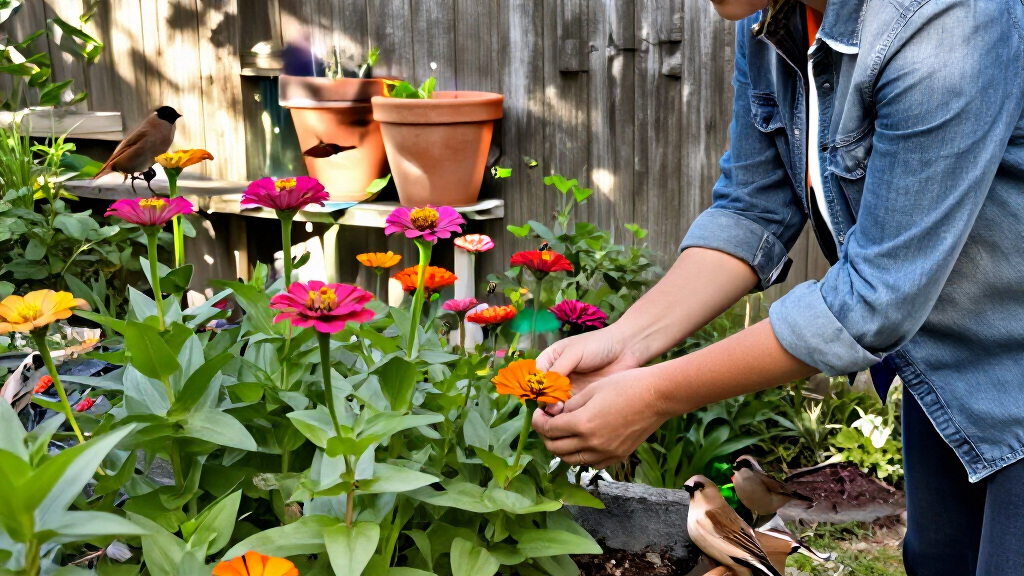
Gardening Know How recommends double-flowered coneflowers as a perennial alternative for gardeners who like zinnias’ bold colors and full-looking blooms. Unlike zinnias, coneflowers can return each year once established, and their seedheads may provide food for birds. The report does not identify a specific cultivar or make a guarantee about bird visits or performance in every garden.
Gardening Know How recommends double-flowered coneflowers as a perennial alternative for gardeners who want the bold, abundant look of zinnias without replanting the display every year. The report says established coneflowers can return in suitable conditions, while their seedheads may be used by birds.
The report’s proposed “zinnia dupe” is a double coneflower, a form of Echinacea whose layered petals can create rounded, pom-pom-like flower centers. The article describes these blooms as more elaborate than the simple daisy-like coneflower many gardeners may picture. Planted in a group, they can make a bed look full and colorful, though the report does not specify a particular variety or compare measured bloom counts.
The central practical difference is that zinnias are annuals, so gardeners generally need to start over each year, while coneflowers are perennials. Gardening Know How says coneflowers can return after establishment in a suitable spot and may form more substantial clumps over time. It describes them as suited to sunny positions and well-drained soil, and says established plants can tolerate periods of dry weather.
The article also points to the flowers’ seedheads in fall and winter. Gardeners can leave them standing to add structure after other plants have faded; birds may use the seeds. That is a potential wildlife benefit, not a promise that birds will visit every garden. The report provides no data on which bird species use the seedheads or how much food they supply.
A Perennial Option for Colorful Beds
For gardeners who want a repeated display without sowing or planting the same annual flowers each spring, a perennial can reduce the need to rebuild a bed from scratch. Double coneflowers offer a possible middle ground: a bold, layered flower display with the potential to return when growing conditions suit the plant.
Leaving seedheads in place also changes how the garden can function after flowering. Instead of cutting every stem back immediately, gardeners can retain winter structure and a possible seed source for birds. The trade-off is that coneflowers do not replicate every feature of zinnias: the source says zinnias offer greater flexibility in color, work well as cut flowers, and can produce many blooms in one season.
Products Worth Considering

Weber Original Kettle Charcoal Grill, 22-Inch, Black

Husqvarna 122C 22-cc 2-Cycle Gas String Trimmer, 17-Inch Curved Shaft

Greenworks 48V (2 × 24V) 20-Inch Brushless Cordless Push Lawn Mower with Two 4.0Ah Batteries and Dual-Port Charger
As an affiliate, we earn on qualifying purchases.
How Coneflowers Compare With Zinnias
The source is a Gardening Know How report framed as a gardening recommendation, not a formal trial or research finding. Its author says they admire zinnias’ color range, flower shapes, and ability to make a garden look abundant, but notes that annual plants require gardeners to renew the display each year.
The suggested substitute is specifically the double-flowered form of coneflower, not a claim that all coneflowers look or perform like zinnias. The article describes newer double varieties as having layered petals and dramatic centers. It also acknowledges that zinnias retain advantages for cutting and color choice, so the comparison concerns a similar visual effect and perennial growth rather than identical plants.
“The best dupe, in my humble opinion, for a zinnia is a double coneflower.”
— Gardening Know How report
Performance Depends on Garden Conditions
The report does not name a specific double-coneflower cultivar, give planting or care measurements, or provide a publication date. It also does not quantify how long plants take to establish or how reliably they return across different climates and soil conditions. Its advice is to choose a suitable sunny, well-drained location, but local growing guidance may be needed for a particular garden.
Bird use is also described as a possibility rather than a guaranteed outcome. The source gives no species list, seed-feeding measurements, or comparison with other plants. The recommendation should be read as a general gardening suggestion, not evidence that double coneflowers will match every zinnia display or attract birds in every setting.
Choosing Plants for a Repeat Display
Gardeners considering the swap can look for double-flowered Echinacea varieties suited to their local growing conditions, then check the plant label or a local horticultural source for mature size, hardiness, and care requirements. Grouping plants may help create the full-bed effect described in the report, though the source gives no recommended spacing or planting quantity.
After flowering, gardeners who want to leave potential food for birds can keep some seedheads standing into colder months rather than cutting all stems back immediately. The source does not set out a maintenance schedule, so any pruning or seasonal care should follow guidance for the chosen variety and local conditions. Zinnias remain an option for gardeners prioritizing a wide choice of colors, cut flowers, and a single-season display.
Key Questions
What plant does Gardening Know How recommend as a zinnia alternative?
It recommends double-flowered coneflowers, whose layered petals can create rounded, full-looking blooms.
Do coneflowers come back every year?
The report says coneflowers are perennials and can return after establishment in a suitable spot. It does not guarantee performance in every climate or garden.
Why might gardeners leave coneflower seedheads standing?
Standing seedheads can add structure in fall and winter, and birds may use the seeds, according to the report.
Are double coneflowers the same as zinnias?
No. They may offer a similarly bold visual effect, but the source says zinnias provide more color flexibility, are useful as cut flowers, and can produce many blooms in a season.
Source: rss