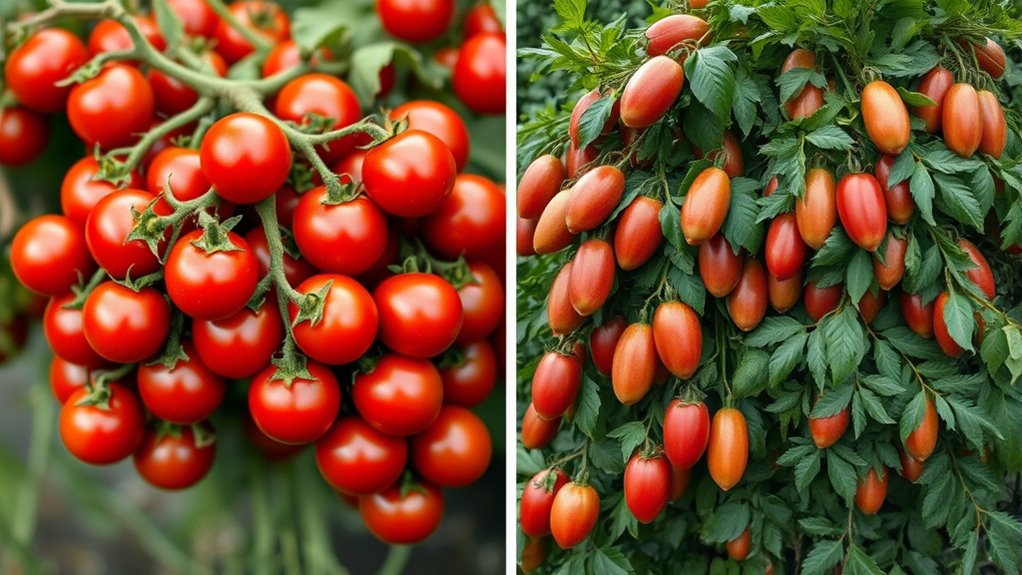

Understanding the difference between determinate and indeterminate tomatoes helps you manage diseases effectively. Determinate varieties grow to a fixed size and produce fruit simultaneously, making early prevention easier. Indeterminate types grow continuously, requiring ongoing pest and disease monitoring throughout the season. Your approach to soil prep, pest control, and crop rotation depends on which you choose. Keep in mind that knowing these differences can improve your overall disease management strategy—discover more insights below.
Open a free Amazon Business account
Business pricing, bulk buying and tax-exempt orders.
As an affiliate, we earn on qualifying purchases.
Key Takeaways
- Determinate tomatoes have a concentrated harvest window, allowing targeted disease prevention, while indeterminate types require ongoing monitoring.
- Crop rotation is more effective with determinate varieties due to their shorter growth cycle.
- Indeterminate tomatoes need continuous pest and disease management because of their extended growth period.
- Good soil drainage and hygiene practices are essential for both types to minimize disease risk.
- Using physical barriers and organic controls helps manage pests and diseases effectively in indeterminate varieties.
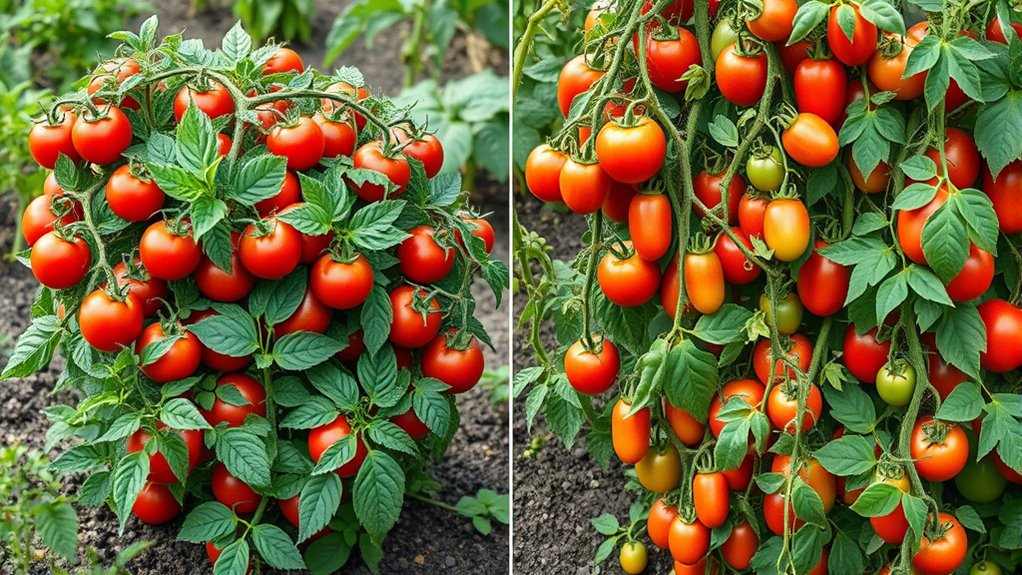
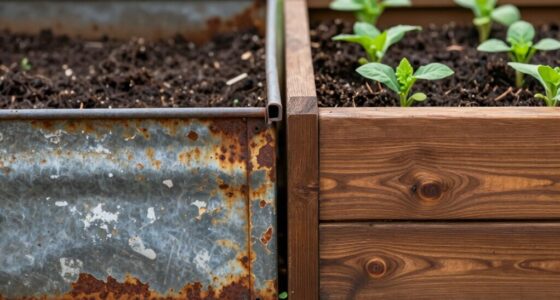
Tomatoes come in a wide range of varieties, each suited to different growing conditions and culinary uses. When choosing between determinate and indeterminate tomato plants, understanding their growth habits can help you manage disease risks more effectively. First, proper soil preparation is essential. Before planting, you should focus on soil preparation tips like adding organic matter, ensuring good drainage, and balancing pH levels. Healthy, well-drained soil reduces plant stress and creates an environment less favorable for diseases like blight and fusarium wilt. Incorporate compost or aged manure to boost soil fertility, which helps plants grow strong and resist pests and diseases naturally. Avoid planting in compacted or overly wet soil, as these conditions promote fungal growth and root rot, especially for indeterminate varieties that grow taller and need more support.
When it comes to pest control strategies, the differences in growth habits between determinate and indeterminate tomatoes influence how you should approach disease management. Determinate tomatoes tend to grow to a certain height and produce fruit all at once, making them easier to manage in terms of crop rotation and early pest intervention. Since their harvest window is concentrated, you can apply preventative measures early on, such as mulching to suppress weeds and pests, and applying organic pest control methods like neem oil or insecticidal soap to keep common pests like tomato hornworms and aphids at bay. Indeterminate varieties, on the other hand, grow continuously throughout the season, which means pest pressure can be more persistent. Regular monitoring becomes critical; you need to check plants frequently for signs of disease and pest activity. Using row covers can help prevent pests from laying eggs, while maintaining good garden hygiene—like removing fallen leaves and pruning infected foliage—reduces the risk of disease spread.
Both types benefit from crop rotation, but determinate plants, with their shorter growth cycle, allow you to rotate crops more quickly and reduce soil-borne disease buildup. For indeterminate varieties, it’s important to keep a close eye on plant health and implement integrated pest management strategies, combining physical barriers, biological controls, and chemical treatments when needed. Additionally, understanding the global impact of disease management practices can help growers adopt more sustainable methods that protect their crops and the environment. Overall, understanding how each tomato variety grows and interacts with its environment helps you tailor soil preparation tips and pest control strategies effectively. This proactive approach minimizes disease risks, promotes healthy growth, and guarantees you enjoy a bountiful harvest, regardless of the type of tomato you choose to grow.
organic tomato pest control products
As an affiliate, we earn on qualifying purchases.
As an affiliate, we earn on qualifying purchases.
Frequently Asked Questions
Which Tomato Variety Is More Resistant to Common Pests?
You’ll find that determinate tomato varieties generally have better pest resistance, making them less susceptible to common pests. They tend to have a more compact growth habit, which can reduce pest habitat. Indeterminate types may be more vulnerable due to their extensive foliage, increasing disease susceptibility and pest problems. Choosing determinate tomatoes can help you manage pests more effectively and keep your plants healthier throughout the season.
How Do Growing Conditions Differ Between Determinate and Indeterminate Tomatoes?
Determinate tomatoes grow quickly and stop once they set fruit, requiring less frequent watering and more compact growth habits. In contrast, indeterminate tomatoes keep growing and producing throughout the season, needing consistent watering and spacious support. You’ll notice their growth habits differ: determinate plants are bushy and easier to manage, while indeterminate plants demand more attention, space, and ongoing watering to sustain their continuous development.
Can I Harvest Determinate and Indeterminate Tomatoes at the Same Time?
Yes, you can harvest determinate and indeterminate tomatoes at the same time, but it depends on your harvest timing and crop management. Determinate tomatoes typically ripen all at once, making them ideal for a single harvest, while indeterminate varieties produce fruit continuously, requiring ongoing harvests. To synchronize, you may need to modify watering and fertilization strategies. Proper crop management helps guarantee you enjoy ripe tomatoes from both types simultaneously.
Are There Specific Soil Requirements for Each Tomato Type?
You should tailor soil conditions to each tomato type’s needs. Both prefer a soil pH between 6.0 and 6.8, but indeterminate tomatoes often need richer, well-drained soil to support ongoing growth, while determinate types benefit from balanced nutrients that promote early fruiting. Make certain you adjust nutrient requirements accordingly, providing ample nitrogen early on and potassium and phosphorus as fruit develops, to optimize health and yield for both varieties.
How Does Pruning Impact Disease Prevention in Tomato Plants?
Pruning techniques considerably boost disease prevention in your tomato plants by improving airflow and reducing humidity, which discourages fungal growth. Regularly remove suckers and lower leaves that touch the ground to minimize disease spread. By maintaining open, well-ventilated plants through effective pruning, you lower the risk of diseases like blight and mold, ensuring healthier plants and better yields. Always prune carefully to avoid creating entry points for pathogens.
As an affiliate, we earn on qualifying purchases.
Conclusion
Choosing between determinate and indeterminate tomato varieties isn’t just about growth habits; it’s about aligning your choices with your disease management goals. Coincidentally, the variety you pick might also influence your harvest timing and garden success in unexpected ways. So, as you plan your tomato garden, consider how these differences could unexpectedly make your gardening journey smoother and more rewarding. Sometimes, the best decision is the one you make when everything lines up just right.
soil drainage improvement for tomatoes
As an affiliate, we earn on qualifying purchases.
As an affiliate, we earn on qualifying purchases.
As an affiliate, we earn on qualifying purchases.
Fall Picks
fall essentials
As an affiliate, we earn on qualifying purchases.