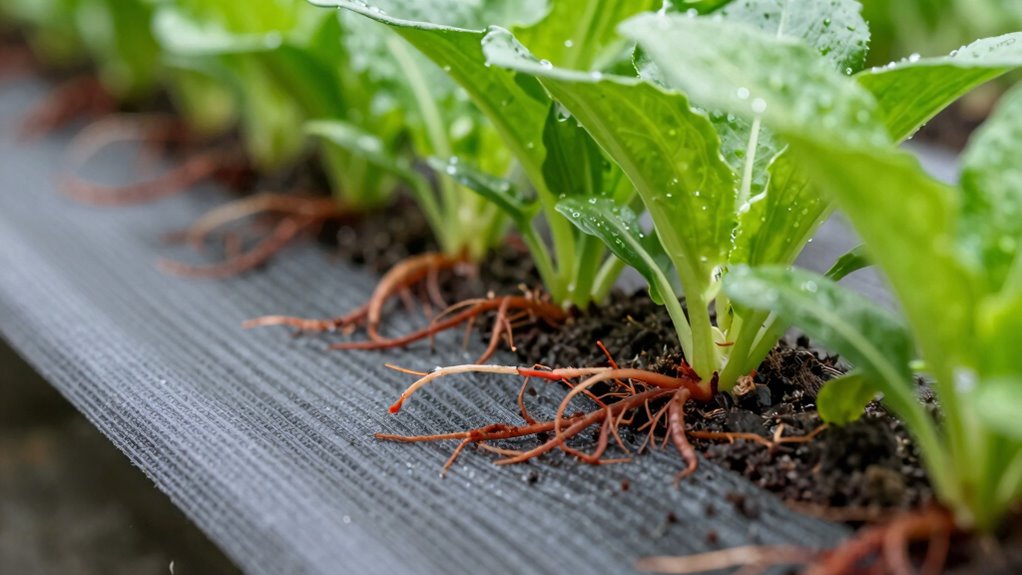
Using capillary mats makes watering plants easier by providing a steady moisture supply from a reservoir. However, if you don’t monitor moisture levels and prevent waterlogging, you risk root rot, which harms or kills your plants. Over time, excess moisture can cause unhealthy, mushy roots and foul odors. To avoid these issues, learn how to manage watering properly and spot early problems—continue exploring to discover effective ways to keep your plants healthy.
Key Takeaways
- Overwatering from capillary mats can lead to waterlogged soil, increasing root rot risk.
- Maintaining proper moisture levels and avoiding prolonged saturation prevents root decay.
- Regularly inspect plants and mats for excess moisture or mold to prevent root rot development.
- Use well-draining soil and ensure proper drainage to avoid standing water around roots.
- Proper monitoring and adjusting watering routines minimize the chances of root rot caused by capillary mats.
How Do Capillary Mats Water Your Plants?
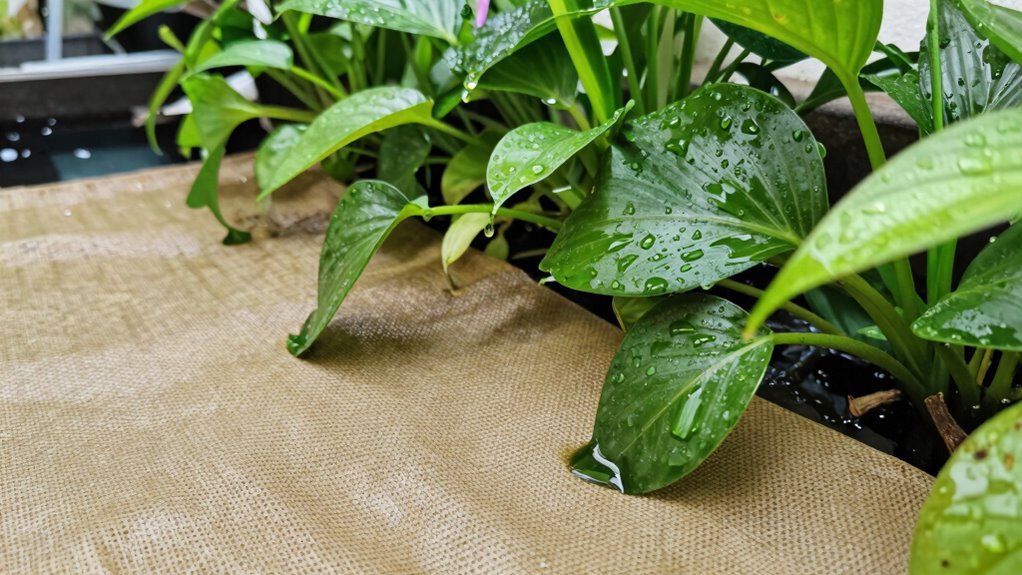
Capillary mats water your plants through a simple yet effective process. When you place your pots on the mat, the absorbent material draws water from the reservoir below via capillary action. This continuous supply keeps the soil moist without constant manual watering. The watering frequency depends on factors like the size of your plants, the size of the pots, and the mat material. Typically, the mat material—often made of felt or other porous fabrics—determines how quickly water moves and how long it lasts before needing a refill. If the mat material is too dense, water may not reach plants efficiently; if it’s too loose, water might evaporate quickly. Adjust your watering schedule based on these factors to prevent over- or under-watering.
How Can You Use Capillary Mats Safely and Effectively?
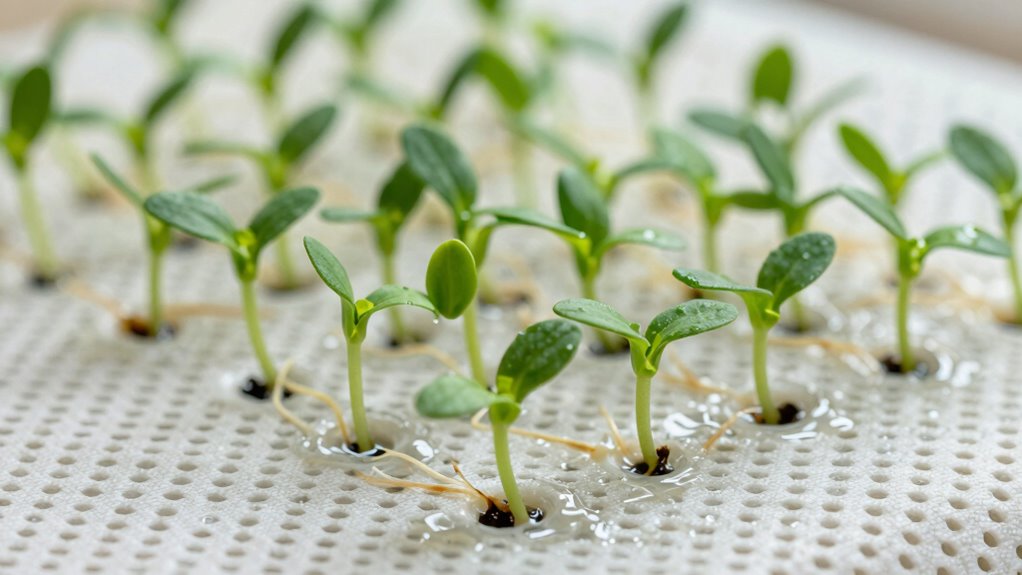
To use capillary mats safely and effectively, you need to keep an eye on moisture levels to prevent overwatering. Regularly monitor your plants and the mat to make sure they stay adequately moist without becoming waterlogged. This vigilance helps protect your plants from root rot and ensures healthy growth. Additionally, choosing high-quality watering systems can appeal to visitors and enhance their overall experience. Incorporating simple routines for checking moisture can help maintain consistent watering and prevent issues. Using reliable filtration methods can also improve water quality and reduce the risk of problems caused by stagnant or contaminated water. Employing proper ventilation can further improve indoor air quality and support healthy plant development.
Monitor Moisture Levels
Wondering how to guarantee your capillary mats are working effectively? Monitoring moisture levels is key to preventing overwatering and ensuring healthy plant growth. Use a moisture meter or check soil moisture regularly to keep track of when plants need water. This practice promotes soil health and helps you adjust watering frequency based on actual plant needs, rather than guesswork. Proper monitoring also supports plant nutrition, as overwatering can leach nutrients away. Incorporating consistent soil moisture testing can further optimize watering routines. To stay on top of moisture, keep in mind: – Test moisture at root level, not just surface – Adjust watering based on plant type and environment – Avoid letting soil stay wet for extended periods. Consistent monitoring helps prevent root rot, boosts plant health, and ensures your capillary mat remains an effective watering shortcut.
Avoid Overwatering Risks
Are you aware of the key steps to prevent overwatering when using capillary mats? To avoid issues like soil compaction and fertilizer runoff, monitor moisture levels closely. Don’t leave plants on the mat too long; check regularly and remove them once adequately watered. Use well-draining soil to minimize compaction, which can trap excess moisture. Adjust the water supply to match your plants’ needs, preventing oversaturation. Proper watering techniques are essential for maintaining healthy roots and preventing root rot. Additionally, understanding Free Floating systems can help you optimize your watering setup for better plant health. Here’s a quick guide:
| Action | Why it Matters | Tips |
|---|---|---|
| Limit watering time | Prevents soil compaction | Remove plants after watering |
| Use appropriate soil | Reduces fertilizer runoff | Choose well-draining soil |
| Regular checks | Avoids overwatering and root rot | Check moisture daily |
Being aware of proper watering techniques can further improve your results and help prevent root rot. Stay attentive to these steps for safe and effective capillary mat use.
How Do You Recognize Signs of Root Rot in Your Plants?

Root rot can develop quickly and often shows subtle signs before causing serious damage. You should watch for indicators like wilting despite moist soil, which suggests root issues. Soil compaction can trap excess moisture, fostering rot, so check if the soil feels dense and poorly aerated. Nutrient deficiencies might also weaken your plant, making it more vulnerable to root problems. Be alert to the following signs:
Watch for wilting despite moist soil and inspect for dense, poorly aerated soil to catch root rot early.
- Discolored, mushy roots when you gently remove the plant
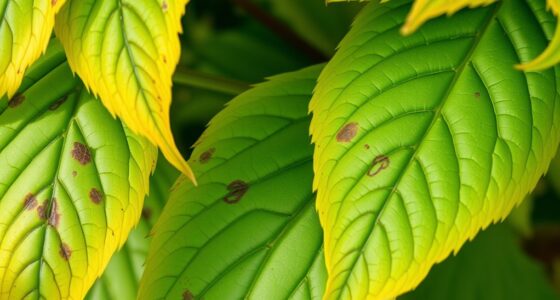
- Yellowing or browning leaves, especially at the edges
- Foul smell from the soil or roots, indicating decay
Recognizing these early warning signs helps prevent further damage. Regularly inspect your plants closely, especially when using capillary mats, to catch root rot before it spreads. Proper watering practices can also reduce the risk of root rot and promote healthy root development. Additionally, ensuring good drainage in the soil can significantly lower the chances of rot occurring. Maintaining optimal soil moisture levels is crucial for preventing excess water retention that can lead to rot. Incorporating a soil moisture meter can help monitor these levels accurately and prevent overwatering. Being aware of plant species susceptibilities can also guide you in adjusting care to prevent root issues.
How Can You Prevent Root Rot When Using Capillary Mats?
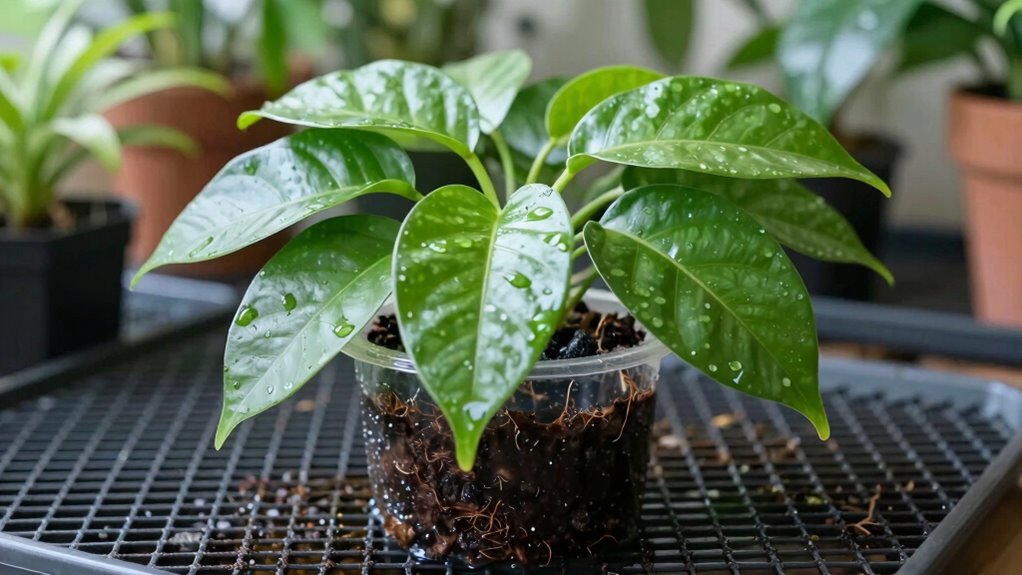
To prevent root rot when using capillary mats, you need to keep a close eye on water levels and avoid overfilling. Make sure your system has proper drainage to prevent water from stagnating around the roots. Regular checks will help you catch any issues before they harm your plants. Additionally, understanding watering system safety can help you maintain a healthy environment for your plants and prevent problems like root rot. Being aware of luggage & bags and how to pack efficiently can also minimize the risk of overwatering by ensuring your setup is stable and secure. Incorporating sound industry practices in your watering routine can further reduce the risk of issues such as root rot. Moreover, paying attention to water conservation strategies not only promotes sustainability but also helps prevent excess moisture around roots, further reducing the risk of rot. Furthermore, adopting energy-efficient solutions can contribute to sustainable plant care practices by reducing unnecessary water and energy consumption.
Regularly Check Water Levels
Because water levels can change quickly with capillary mats, it’s essential to regularly check them to prevent overwatering. Overwatering can lead to excess soil moisture, increasing the risk of root rot. By monitoring water levels consistently, you can adjust your watering frequency accordingly. Keep a close eye on the water reservoir to ensure it doesn’t run too low or overflow. Proper home safety measures, such as placing the water reservoir on a stable, non-slip surface, can also help prevent spills and maintain consistent watering. Additionally, understanding soil moisture levels helps in maintaining optimal conditions for healthy plant roots. Remember: watering schedule and soil moisture levels are key to healthy plant care. Regular checks help maintain ideal soil moisture, preventing waterlogging and root rot. Staying attentive to water level fluctuations ensures your plants stay healthy and avoid the pitfalls of excess moisture.
Ensure Proper Drainage
Monitoring water levels regularly helps you prevent overwatering, which can cause soil to stay excessively moist. To guarantee proper drainage, elevate your plant containers slightly to promote airflow and prevent water from pooling at the roots. Proper soil aeration is essential, so use well-draining mixes that allow air to circulate around roots and reduce the risk of root rot. Check that excess water can escape easily through drainage holes, avoiding standing water that creates a humid environment conducive to diseases. Maintaining a healthy nutrient balance also helps roots stay strong and adaptable to moisture levels. Incorporating proper drainage techniques into your plant care routine ensures excess water escapes efficiently and minimizes the risk of root rot. Remember, consistent monitoring and adjusting watering practices will help prevent over-saturation, keeping roots healthy and ensuring your plants thrive with capillary mats.
What Are the Best Alternatives to Capillary Mats for Consistent Watering?

If you’re seeking reliable alternatives to capillary mats for consistent watering, several options can meet your needs effectively. Drip irrigation systems deliver precise water amounts directly to plant roots, reducing the risk of overwatering. Self-watering pots maintain consistent moisture levels through built-in reservoirs, minimizing manual effort. These methods help prevent root rot caused by excess moisture.
- Drip irrigation systems provide customizable watering schedules.
- Self-watering pots promote even moisture distribution.
- Wicking beds use capillary action for steady watering without saturation.
Choosing these alternatives allows you to maintain healthy roots and avoid the pitfalls of capillary mats, like overwatering and root rot, while ensuring your plants stay consistently hydrated.
How Do You Troubleshoot Common Issues With Capillary Mat Systems?
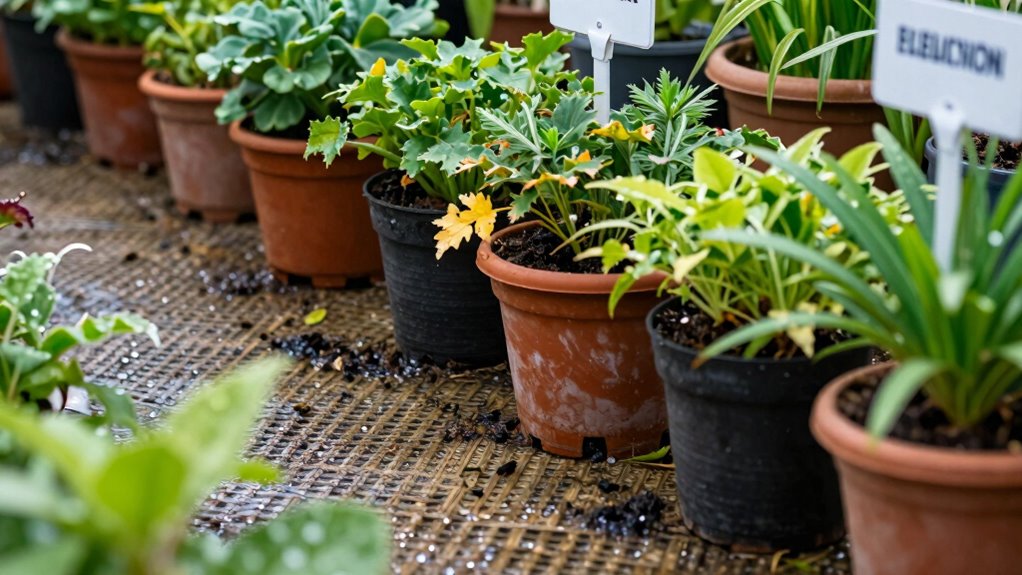
Capillary mat systems are effective for maintaining consistent moisture, but they can sometimes encounter issues that disrupt watering performance. If your plants aren’t getting enough water, check the mat for clogs or uneven contact with the tray, which can affect plant nutrition. Overly wet mats may lead to root rot, so ensure proper drainage and avoid overwatering. Regularly inspect for mold or algae growth, which can attract pests and hinder plant health. To troubleshoot, adjust the watering schedule or elevate the system to improve airflow and pest prevention. Keep the system clean and dry when not in use. Addressing these issues promptly helps guarantee your plants receive consistent hydration, healthy plant nutrition, and are protected from pests caused by damp conditions.
How Do You Treat Root Rot If It Happens?
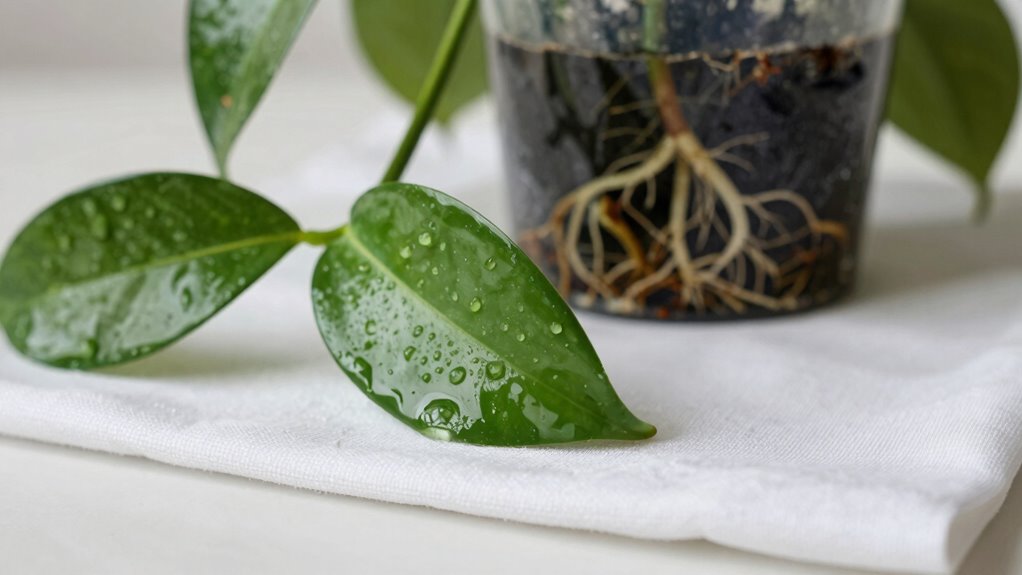
Wondering how to handle root rot once it appears? The first step is to improve soil drainage by removing affected plants and gently washing roots. Trim any black, mushy roots with sterilized scissors to prevent further spread. Focus on correcting fertilizer management—avoid over-fertilizing, which can weaken roots and promote rot.
To prevent recurrence:
Prioritize proper drainage and avoid overwatering to prevent root rot recurrence.
- Ensure proper soil drainage and avoid waterlogged conditions.
- Adjust watering schedule to prevent excess moisture.
- Use balanced fertilizer to strengthen plant health.
Act quickly to remove damaged roots, and repot plants in fresh, well-draining soil. Monitoring soil moisture and managing fertilizer levels will help keep root rot at bay and promote healthy growth.
Frequently Asked Questions
Can Capillary Mats Overwater Plants Even if Not Monitored Daily?
Yes, capillary mats can overwater plants if not monitored daily. They provide automatic watering, which keeps plant hydration consistent, but without regular checks, roots can sit in excess moisture. Overwatering from mats can lead to root rot and other issues. To prevent this, you should regularly inspect your plants and adjust watering frequency, ensuring your plants stay healthy without the risk of overhydration.
Do All Plant Types Respond Equally Well to Capillary Mat Watering?
Not all plants dance to the same watering tune; your plant diversity influences their response to capillary mats. Some thrive with consistent moisture, while others hate soggy roots. You might find that watering efficiency varies, so observe each plant’s needs carefully. If you ignore these differences, you risk root rot or dehydration. Adjust your approach based on plant type, ensuring each one gets just the right amount of water to flourish.
How Long Does It Take for Root Rot to Develop From Overwatering?
Root rot from overwatering can develop within a few days to a week, depending on factors like plant type and environment. Keep an eye on timing thresholds—if your plant’s roots stay waterlogged beyond this period, rot indicators such as a foul smell, discoloration, or mushiness may appear. To prevent this, guarantee proper drainage and avoid over-saturating the soil, especially when using capillary mats.
Are There Specific Plants More Prone to Root Rot With Capillary Mats?
Yes, certain plants are more prone to root rot with capillary mats. Succulents, due to their low water needs, are especially sensitive and can easily suffer from overwatering. Ferns, on the other hand, are more susceptible because they prefer consistently moist soil, which the mats can provide excessively. If you use capillary mats, monitor these plants closely to prevent overwatering and root rot.
Can Capillary Mats Be Used Successfully Outdoors in Varying Weather Conditions?
Yes, you can use capillary mats outdoors, but their outdoor durability depends on weather adaptability. Make sure you place them in a sheltered area to protect against heavy rain, strong winds, or extreme temperatures. Regularly monitor moisture levels to prevent overwatering and root rot. Using weather-resistant materials enhances their longevity, but always be prepared to adjust your setup based on changing outdoor conditions for successful, consistent watering.
Conclusion
Using capillary mats can simplify watering, but be aware that overwatering may lead to root rot—responsible for up to 80% of plant diseases. Regularly monitor your plants for signs of distress and adjust your watering routine accordingly. By understanding how these mats work and implementing proper care, you can enjoy healthy, thriving plants. Stay vigilant, and you’ll minimize risks while keeping your garden lush and vibrant.