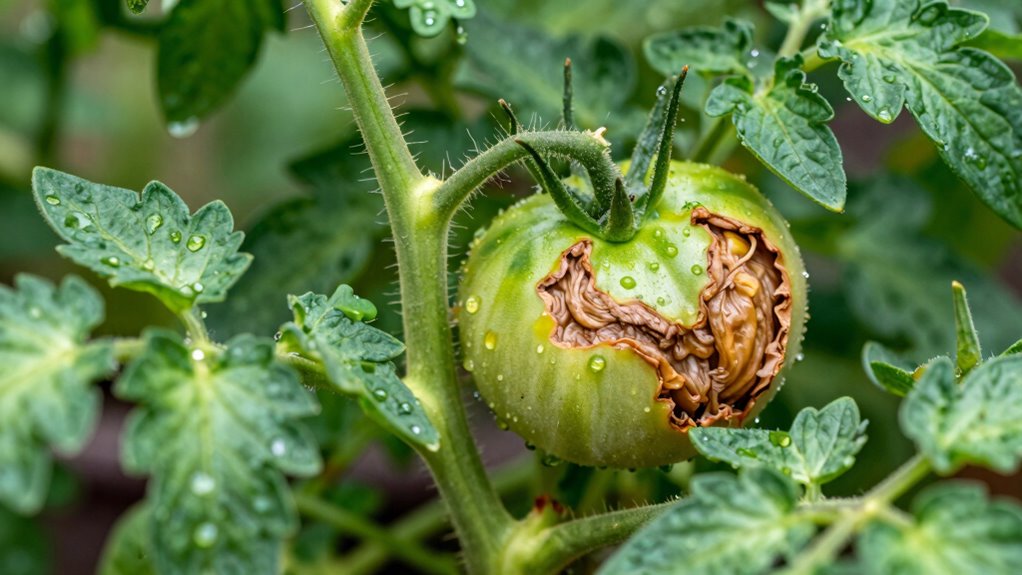

Even with good intentions, overwatering and poor drainage can lead to mushy stems. Excess moisture creates ideal conditions for pathogens like Pythium and Phytophthora, which attack the plant from the inside out. This results in soft, decayed stems, and weak plant stability. When roots and stems stay too wet, they become vulnerable even when you think you’re caring for them properly. If you want to discover how to prevent this issue from worsening, keep exploring.

Get garden gear delivered free — and shop member deals
- Fast, free delivery on millions of items
- Access to Prime Big Deal Days deals on October 6–7
- Prime Video, Amazon Music and more included
Key Takeaways
- Overwatering despite good intentions can create ideal conditions for root and stem rot pathogens.
- Poor drainage from well-meaning watering practices leads to excessive soil moisture, promoting mushy stem disease.
- Inconsistent watering may cause stress, weakening plant defenses and enabling pathogens to infect vulnerable tissues.
- Excess moisture impairs oxygen access to roots, fostering anaerobic conditions that favor harmful microbes.
- Even healthy-looking plants are susceptible if soil moisture isn’t properly managed, allowing internal stem decay to develop.

Have you ever noticed your plants developing weak, mushy stems that seem to rot from the inside out? It’s a frustrating sight, especially when you’ve been diligent about watering and caring for your garden. This problem often starts subtly, with the plant appearing healthy at first, but then suddenly succumbs to a soft, decayed stem. What’s happening? The root cause is frequently linked to a plant disease that thrives in overly moist soil conditions. When soil moisture levels stay consistently high, it creates the perfect environment for pathogens to attack the plant’s vascular system, weakening the stem from within. Excess moisture not only favors disease-causing microbes but also impairs the plant’s natural defenses, making it more vulnerable to infections.
Weak, mushy stems signal root rot caused by excess moisture and soil-borne pathogens.
This mushy stem problem isn’t just bad luck; it’s a sign that your plant’s environment is out of balance. Overwatering, poor drainage, or inconsistent watering practices can lead to excessive soil moisture, which in turn fosters diseases like Pythium or Phytophthora. These pathogens enter through the damaged or weakened tissue, spreading quickly and causing internal rot. The disease doesn’t just attack the stems—it can also spread to roots and other parts of the plant, making recovery difficult. If you notice this happening, it’s essential to examine your watering habits and soil conditions to identify the root of the problem. Maintaining proper soil drainage is crucial because it helps prevent water from accumulating around the roots and stems, reducing the risk of disease. Additionally, understanding soil moisture levels can help you adjust your watering schedule to keep your plants healthy. Proper monitoring of soil moisture content allows you to prevent overwatering before it leads to disease. Incorporating techniques like soil testing can help you accurately assess moisture levels and prevent overwatering.
You might think that watering more often helps your plants, but the truth is that excessive soil moisture is often more harmful than drought. Too much water reduces oxygen in the soil, creating an anaerobic environment where harmful microbes flourish. When plants are constantly sitting in damp soil, their stems become more susceptible to disease, and the internal tissues start breaking down. The softness and rotting of the stem are clear indicators that the plant’s defenses are overwhelmed. In many cases, the rot begins at the base of the stem, spreading upward and weakening the entire structure, making the plant unstable and prone to falling over. Proper soil drainage and watering techniques are crucial for maintaining a healthy, resilient plant environment.
Frequently Asked Questions
Can Overwatering Cause Mushy Stems in All Plant Types?
Yes, overwatering can cause mushy stems in all plant types. When you water too often or don’t allow soil drainage, excess moisture builds up around roots, leading to rot. This weakens stems, making them mushy and prone to disease. To avoid this, adjust your watering schedule based on your plant’s needs and guarantee proper soil drainage. Proper watering helps maintain healthy stems and overall plant vitality.
Are There Natural Remedies to Prevent Mushy Stem Issues?
Yes, natural remedies can help prevent mushy stems. You can improve soil drainage by adding organic matter like compost or perlite, ensuring excess water doesn’t sit around roots. Proper plant hydration is key—water only when the topsoil feels dry. Using these natural methods balances soil moisture, strengthens stems, and promotes healthy growth, reducing the risk of mushy stems caused by overwatering or poor drainage.
How Long Does It Take for a Stem to Become Mushy After Overwatering?
It usually takes a few days to a week for a stem to become mushy after overwatering. Root rot caused by poor soil drainage accelerates this process, as excess water suffocates roots, leading to decay. You’ll notice the mushiness developing quickly if the soil stays waterlogged. To prevent this, make sure proper soil drainage, avoid overwatering, and check your plant regularly for signs of distress.
Is Mushy Stem Always a Sign of Disease or Rot?
Mushy stems aren’t always a sign of disease or rot; sometimes, poor root health or soil drainage issues cause it. Did you know that over 50% of plant problems stem from improper watering or soil conditions? When roots stay excessively wet, they weaken and can’t support the plant, leading to mushy stems. Check soil drainage and root health first—healthy roots are firm and white, not soft or dark.
Can Pruning Save a Plant With Mushy Stems?
Yes, pruning can help save a plant with mushy stems if you use proper techniques. Start by inspecting the affected areas and cutting away all mushy, diseased tissue with clean, sharp tools. This encourages plant recovery by preventing the spread of rot. Make sure you prune correctly, removing only the damaged parts, and treat the plant with appropriate fungicide if needed. Proper pruning techniques promote healthy growth and can ultimately save your plant.
Conclusion
If you ignore the gentle signs of softness in your stems, you might find yourself facing unexpected challenges. Sometimes, good intentions can lead to subtle shifts that seem innocent enough, but over time, they soften the structure you’ve built. Remember, a little vigilance now can prevent more delicate issues later. By nurturing your plants with care and awareness, you’re not just avoiding trouble—you’re ensuring they stay resilient and strong, even when circumstances change quietly around them.
Fall Picks
fall essentials
As an affiliate, we earn on qualifying purchases.