
Ozone injury on plants occurs when ground-level ozone damages their leaf tissues, causing visible spots, mottling, and yellow or brown patches. You might notice premature leaf drop and reduced growth because the damage disrupts cellular functions and hampers photosynthesis. If you care about your plants’ health, understanding how ozone affects them can help you take protective steps. Keep exploring to learn more about how ozone harms plants and ways to safeguard them.
Key Takeaways
- Ozone causes necrotic spots, mottling, and premature leaf drop, impairing photosynthesis and overall plant health.
- Damage disrupts cellular functions, leading to tissue necrosis and increased vulnerability to pests and diseases.
- Ozone exposure results in stunted growth, smaller leaves, and reduced plant vitality over time.
- Higher ground-level ozone during hot, sunny days intensifies injury, especially in urban and industrial areas.
- Protective measures include monitoring air quality, shading plants, and selecting ozone-tolerant species.
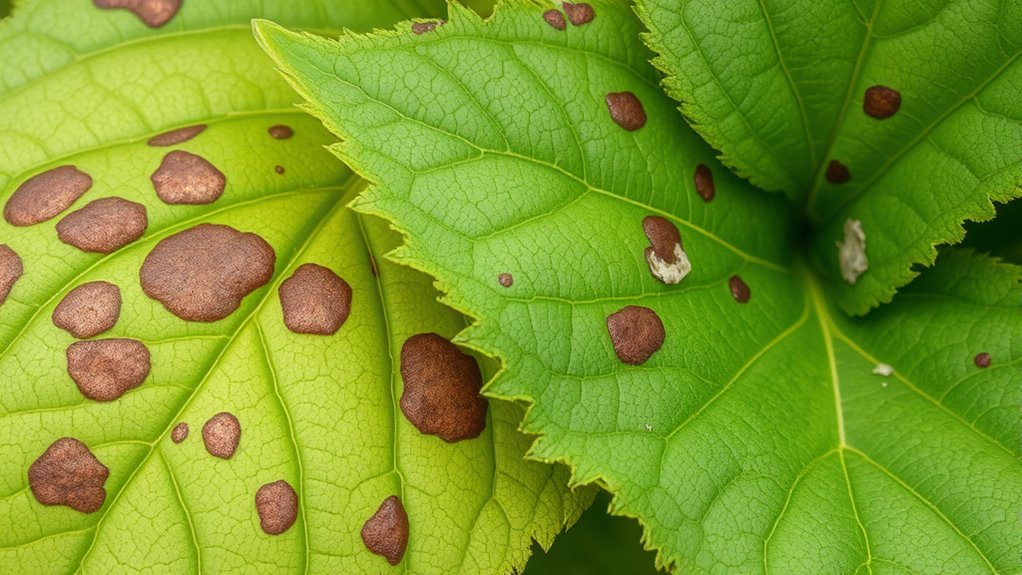
Ozone injury on plants occurs when elevated levels of ground-level ozone damage their tissues, leading to visible symptoms and reduced growth. You might notice your plants developing irregular, necrotic spots on their leaves, which is a direct result of ozone attacking their cellular structure. This leaf damage can appear as mottling, yellowing, or browning patches, gradually impairing the plant’s ability to photosynthesize effectively. As the damage intensifies, the affected leaves may prematurely drop, further compromising the plant’s crucial. The damage to your plants isn’t just superficial. When ozone infiltrates the leaf tissues, it disrupts the normal functioning of cells, impairing the transport of nutrients and water. This disruption reduces the plant’s overall health and vigor, leading to growth reduction. You might observe stunted development, with smaller leaves and shortened stems, because the plant’s energy is diverted to repair damaged tissues rather than supporting new growth. Over time, this decline in vigor can weaken the plant’s resistance to pests and diseases, making it even more vulnerable. Additionally, understanding the refrigeration cycle can help in developing better environmental control strategies to limit pollution exposure in urban green spaces. Ground-level ozone forms when pollutants like nitrogen oxides and volatile organic compounds react in the presence of sunlight. If you live in an urban or industrial area, your plants are more exposed to these harmful conditions. High ozone levels are especially problematic during hot, sunny days, which can accelerate the extent of leaf damage and growth suppression. As ozone levels fluctuate throughout the day, the damage can be intermittent but cumulative, meaning that repeated exposure will likely result in more severe symptoms over time. To protect your plants, it’s crucial to stay aware of local air quality reports, particularly during peak ozone periods. When levels are high, you should consider moving sensitive plants indoors or providing some shade to reduce ozone uptake. Implementing proper watering practices can also help bolster plant resilience, as healthy, well-hydrated plants are better equipped to withstand environmental stressors like ozone. Additionally, planting ozone-tolerant species or varieties can be a strategic way to minimize damage in areas with persistent pollution concerns.
Frequently Asked Questions
How Does Ozone Specifically Affect Different Plant Species?
You’ll notice that ozone affects different plant species uniquely, depending on their susceptibility. Some species experience severe damage through mechanisms like leaf necrosis, chlorosis, or reduced photosynthesis, while others show minimal effects. Factors like leaf structure, stomatal conductance, and antioxidant capacity influence susceptibility. By understanding these damage mechanisms, you can better predict which plants are most vulnerable and take steps to protect or select more resilient species.
Can Ozone Injury Be Reversed or Repaired Naturally?
Ozone injury can sometimes be repaired naturally through plant recovery processes. As a plant heals, it activates its natural repair mechanisms, such as producing new cells and shedding damaged tissue. However, the extent of natural repair depends on injury severity and environmental conditions. You can support plant recovery by providing ideal care, like proper watering, nutrition, and avoiding further ozone exposure, helping the plant recover more effectively.
What Are the Early Signs of Ozone Damage in Plants?
You’ll notice early ozone damage in plants through foliage discoloration, where leaves develop yellowish or bronze patches. Leaf curling is another telltale sign, often appearing as edges curl inward. Notably, studies show that up to 25% of crops may be affected by ozone pollution, leading to reduced yields. Spotting these early signs helps you take action before damage worsens, protecting your plants’ health and productivity.
How Does Ozone Pollution Vary Across Different Regions?
You’ll notice that regional ozone levels vary widely, with pollution hotspots often experiencing the highest concentrations. Urban areas, especially those with heavy traffic and industrial activity, tend to have elevated ozone pollution. Rural regions usually have lower levels, but they can still be affected by transported pollution. Weather conditions, topography, and local emission sources influence these variations, making some areas more vulnerable to ozone-related issues than others.
Are There Any Natural Plant Defenses Against Ozone Damage?
Think of plants as warriors with built-in shields—some natural defenses help them fight ozone damage. You’ll find plant resilience in thick, waxy cuticles that block harmful gases, and antioxidants that neutralize ozone’s attack. These mechanisms act like ozone mitigation strategies, reducing injury. While not foolproof, plants with these defenses stand a better chance against ozone stress, making them more resilient in polluted environments.
Conclusion
Understanding ozone injury helps you recognize early signs, like speckling or stippling on leaves. For instance, a vineyard in California experienced reduced grape yields after prolonged ozone exposure, illustrating the real impact. By monitoring plant health and minimizing pollution, you can protect your crops. Remember, proactive steps now can prevent long-term damage, ensuring your plants stay healthy and productive despite ozone challenges. Stay vigilant and safeguard your garden or farm from this invisible threat.