
When your plant experiences a big growth spurt, it often depletes essential nutrients and stresses its roots, causing growth to stall. Excessive growth quickly drains soil nutrients like nitrogen, phosphorus, and potassium, leading to deficiencies. Additionally, rapid growth can compact soil or cause water imbalances, hindering root health. If you want to understand how to support sustained growth and prevent stalls, there’s more to uncover about managing soil and watering efficiently.

Get garden gear delivered free — and shop member deals
- Fast, free delivery on millions of items
- Access to Prime Big Deal Days deals on October 6–7
- Prime Video, Amazon Music and more included
Key Takeaways
- Nutrient depletion occurs after rapid growth, leading to deficiencies that stall further development.
- Overwatering during a growth flush can cause waterlogged soil and root issues, hindering growth.
- Soil compaction or poor aeration restricts root expansion, limiting plant vitality post-growth spurt.
- Insufficient nutrient replenishment or lack of soil testing causes nutrient shortages that stall growth.
- Water stress, whether from over- or under-watering, hampers metabolic processes, slowing plant progress.
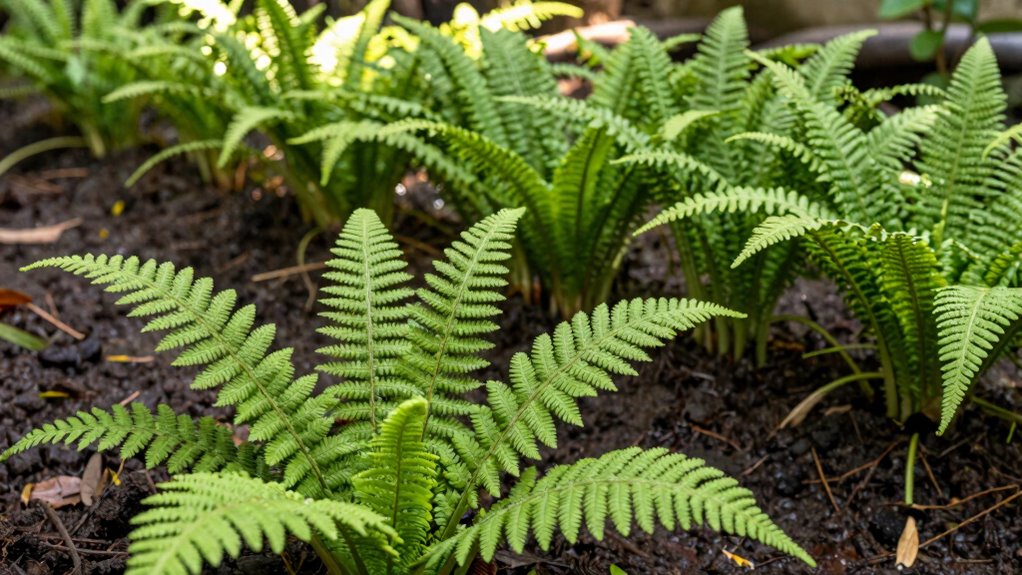
Many plants experience rapid growth initially but then suddenly slow down or stall altogether, leaving gardeners puzzled. You might notice your plant shooting up quickly, producing lush foliage or new stems, only for growth to grind to a halt after that initial surge. The reason often lies beneath the surface—your plant’s soil nutrients and watering frequency play essential roles in this slowdown.
Plants often slow down after initial rapid growth due to depleted nutrients and improper watering habits.
When your plant grows rapidly, it uses up a lot of soil nutrients in a short amount of time. These nutrients, like nitrogen, phosphorus, and potassium, are indispensable for healthy development. If the soil isn’t replenished with these nutrients through fertilization or organic matter, your plant can become nutrient-deficient. This deficiency causes growth to stall because the plant simply doesn’t have the necessary building blocks to continue developing at the same pace. You might notice the leaves turning yellow or dull, or new growth becoming sparse. Regularly testing your soil can help you determine if nutrient levels are dropping and guide you on when to add fertilizers or compost.
Watering frequency also impacts growth. During the initial growth phase, your plant might seem to thrive with frequent watering, but over time, this can cause issues. Too much water can lead to waterlogged soil, which deprives roots of oxygen and encourages root rot. Conversely, infrequent watering can cause drought stress, slowing down growth because the plant isn’t getting enough moisture to support metabolic processes. As your plant matures, its water needs change, and maintaining a consistent watering schedule becomes essential. Observing the soil’s moisture level—either by feeling the top inch or using a moisture meter—helps you avoid over- or under-watering. Proper watering encourages healthy root development, which in turn sustains ongoing growth, even after that initial burst. Additionally, understanding soil structure, water retention, and how they affect root access to nutrients and water can help prevent growth stalls. Paying attention to soil aeration can also improve root health and promote continuous growth. Being aware of soil health and its influence on plant development can further help prevent these growth interruptions. Moreover, addressing issues like compacted soil can significantly improve root expansion and overall plant vitality.
Frequently Asked Questions
How Can I Restart My Plant’s Growth After a Stall?
To restart your plant’s growth after a stall, first improve soil aeration to guarantee roots get enough oxygen. Gently loosen the soil around the roots to promote root restructuring, encouraging healthy growth. Reduce watering if overwatering caused the stall, and consider adding nutrients to boost vitality. With better soil conditions and healthy roots, your plant should resume growth more vigorously. Patience and proper care are key to helping it recover.
Are There Specific Nutrients That Cause Rapid Growth?
Yes, certain nutrients like nitrogen promote rapid growth, but an imbalance can cause stress or stall growth. Too much nitrogen can lead to lush but weak plants, so balance is key. Growth regulators also influence speed, encouraging or slowing growth as needed. To avoid stalls, ensure your plant gets a balanced nutrient mix and consider using growth regulators carefully, tailoring them to your plant’s specific needs for ideal, steady growth.
Does Pruning Affect the Plant’s Post-Growth Stall?
Yes, pruning techniques can influence your plant’s post-growth stall. When you prune, you stimulate growth hormones like auxins, which can encourage new growth phases. Proper pruning can help redirect the plant’s energy, preventing stalls caused by overgrowth or stress. However, aggressive pruning might temporarily slow growth as the plant reallocates resources, so it’s best to prune carefully and strategically to promote healthy, balanced growth.
Can Environmental Changes Trigger a Growth Pause?
Yes, environmental changes can trigger a growth pause. You might notice your plant stalls if soil compaction limits root expansion or if light deprivation reduces photosynthesis. Both conditions stress the plant, causing it to conserve energy instead of growing. To help, loosen compacted soil and make certain your plant receives adequate light. These adjustments can reduce stress and encourage your plant to resume healthy growth.
How Long Does It Typically Take for a Plant to Resume Growth?
Typically, your plant takes about a week to resume growth after a big flush. During this period, focus on root development by ensuring proper watering and nutrients. Avoid pest issues by inspecting regularly and managing pests promptly. As roots expand and pests are controlled, your plant will regain energy, restart new growth, and thrive again. Patience and attentive care are key to helping your plant recover smoothly.
Conclusion
So, next time your plants suddenly stall after a growth spurt, remember it’s a natural part of their cycle—about 60% of growers notice this pause. It’s like their way of catching up and adjusting to new nutrients or environmental changes. Patience is key; give them time to settle, and they’ll often rebound stronger. Understanding this process helps you stay relaxed and keep caring, knowing that your plant’s brief slowdown is just part of its healthy growth journey.
Fall Picks
fall essentials
As an affiliate, we earn on qualifying purchases.