
If your skip laurel leaves turn brown, it could be due to salt buildup, soil imbalance, or disease. Check for yellowing edges, especially along leaf margins, which indicate salt damage. Confirm your soil is well-drained and properly balanced pH. Look for signs of pests or fungal spots to rule out disease. Adjust watering habits and avoid over-fertilizing; managing these factors can help revive your plant. Keep exploring to find more tips on fixing browning leaves effectively.
Listen free for 30 days with Audible
Thousands of audiobooks and originals — cancel anytime.
As an affiliate, we earn on qualifying purchases.
Key Takeaways
- Browning leaf edges may indicate salt buildup, especially from over-fertilization or poor drainage.
- Soil pH outside the 6.0-7.0 range can cause nutrient deficiencies leading to browning.
- Fungal or bacterial infections can cause spots, discoloration, and leaf dieback in skip laurels.
- Overwatering or poor drainage can lead to root rot, resulting in browning and leaf drop.
- Regular inspection, pruning, and proper watering help distinguish and address salt, soil, or disease issues.
skip laurel fertilizer slow release
As an affiliate, we earn on qualifying purchases.
As an affiliate, we earn on qualifying purchases.
Identifying Salt Damage in Skip Laurels

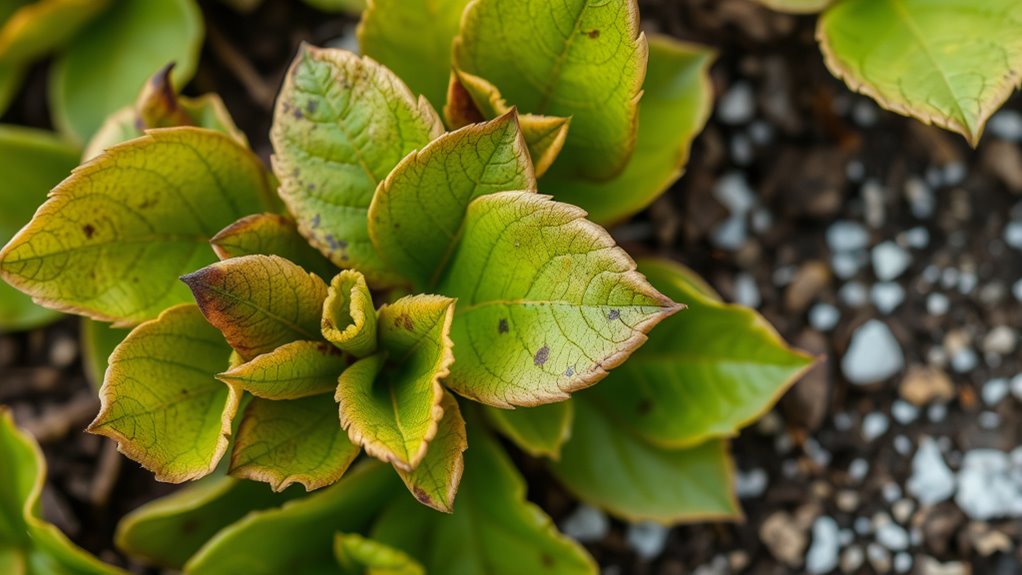
Salt damage often shows up on skip laurels as browning or yellowing of the leaves, especially along the edges. This discoloration can be mistaken for fertilizer deficiencies or disease, but salt buildup is a common culprit. Excessive salt from de-icing agents or over-fertilization can hinder nutrient uptake, causing leaf edge scorch. To diagnose, check for leaf margins turning brown while the center remains green. Proper pruning techniques can help remove damaged foliage, preventing further stress. Additionally, avoid over-fertilizing, which can contribute to salt accumulation. Using slow-release fertilizers and ensuring good watering practices helps flush out excess salts. By identifying salt damage early, you can implement better management to protect your skip laurels from ongoing harm.
As an affiliate, we earn on qualifying purchases.
Understanding Soil Conditions and Their Impact

Healthy skip laurels rely on well-balanced soil conditions, as soil directly influences nutrient availability and overall plant health. You need to monitor soil pH because if it’s too acidic or alkaline, nutrients become less accessible, causing leaf browning. Aim for a slightly acidic to neutral pH, around 6.0 to 7.0. Additionally, maintaining proper fertilizer balance ensures your plant receives essential nutrients without overloading it. Too much nitrogen can lead to lush foliage but weak stems and browning edges, while insufficient nutrients can cause leaf discoloration. Regular testing helps you adjust soil amendments accordingly. By keeping soil pH within the ideal range and applying balanced fertilizer, you support healthy growth and reduce the risk of leaf browning caused by poor soil conditions. Ensuring your soil contains adequate antioxidants can also promote overall plant resilience and health. Proper soil maintenance contributes to a more robust root system, which further enhances plant vitality. Incorporating organic matter improves soil structure and nutrient retention, supporting long-term plant health.
plant fungal disease treatment spray
As an affiliate, we earn on qualifying purchases.
As an affiliate, we earn on qualifying purchases.
Recognizing Signs of Disease and Pest Infestation

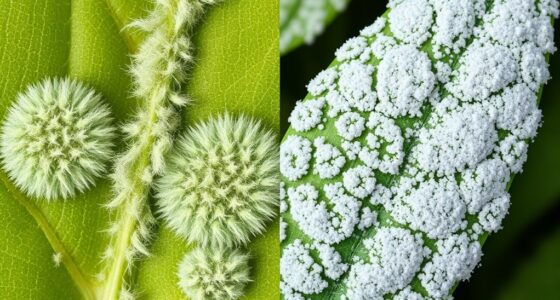
To keep your laurels thriving, it’s essential to recognize early signs of disease and pest infestation. Look for disease symptoms like discolored, spotted, or wilting leaves, which indicate fungal or bacterial issues. Pest signs include visible insects, chewed foliage, or sticky residue from aphids and scale. Regularly inspect your plant for these clues. Understanding plant health management techniques can help prevent severe damage and promote vigorous growth. Proper storage conditions for tools and supplies can also reduce the risk of contamination and disease spread. Maintaining a clean environment minimizes clutter buildup that can harbor pests and pathogens.
drainage improvement for garden plants
As an affiliate, we earn on qualifying purchases.
As an affiliate, we earn on qualifying purchases.
Proper Watering and Irrigation Practices

Proper watering is essential for maintaining your laurels’ health, as inconsistent or improper irrigation can lead to stress, disease, and browning leaves. To keep your laurels thriving, follow these practices:
- Water deeply and consistently, ensuring the soil stays moist but not waterlogged.
- Apply fertilizer appropriately, providing nutrients that support healthy growth and leaf color.
- Use pruning techniques to remove damaged or diseased branches, improving airflow and reducing stress.
- Avoid overwatering, which can drown roots and encourage fungal issues.
- Regularly check soil moisture levels to prevent both dehydration and waterlogging, maintaining optimal watering practices.
Tips for Reviving and Caring for Browning Leaves

When your laurels’ leaves start turning brown, acting quickly can make a significant difference in restoring their health. Start by inspecting your plant’s watering habits and adjust if needed, ensuring proper irrigation. To revive browning leaves, consider pruning with correct techniques—remove dead or diseased branches to improve airflow and light penetration. This not only enhances plant health but also supports better garden design by encouraging new growth. Use clean, sharp tools to prevent disease spread. Consistent care, including mulching and fertilizing, helps the soil retain moisture and nutrients. Regular pruning also shapes the plant and promotes vigorous growth, preventing future browning. Monitoring your soil’s HEPA filtration and air quality can help identify environmental stressors that might affect your plants. Additionally, understanding soil health and its impact on plant vitality can guide your care routine. Ensuring proper soil drainage is essential to prevent root rot and other issues that can cause browning leaves. Keep a close eye on environmental stressors, and adjust your care routine accordingly to keep your laurels vibrant and healthy.
Frequently Asked Questions
Can Skip Laurels Tolerate Occasional Drought Conditions?
Skip laurels can withstand occasional droughts if you adapt your watering frequency accordingly. During dry spells, water deeply once a week to keep roots healthy, but avoid overwatering. Applying mulch helps retain soil moisture and moderates temperature fluctuations. Keep an eye on the plant’s leaves for signs of stress, and adjust your watering and mulch application to ensure your skip laurel stays healthy even during drought conditions.
Are Certain Fertilizer Types Better for Skip Laurels?
You should choose fertilizers that boost skip laurel’s health through effective fertilizer effectiveness and suitable soil amendments. Balanced, slow-release fertilizers with nitrogen, phosphorus, and potassium support strong growth. Organic options like compost or well-rotted manure improve soil quality, enhancing nutrient uptake. Avoid over-fertilizing, which can cause leaf browning. By selecting appropriate fertilizers and incorporating soil amendments, you guarantee your skip laurel remains lush, vibrant, and resilient to environmental stresses.
How Long Does It Take for Leaf Color to Recover?
Imagine your skip laurel’s leaves turning brown, and you wonder when leaf recovery and color restoration will happen. Typically, if the issue is corrected quickly, you might see new growth and vibrant leaves within 2 to 4 weeks. However, if the damage is severe or caused by persistent problems, it could take longer. Consistent care and addressing the root cause help speed up leaf recovery and restore the plant’s lush appearance.
What Are Natural Remedies for Leaf Browning?
To naturally remedy browning leaves, you should start with proper pest identification to address any insect issues. Incorporate companion planting to improve soil health and deter pests, which can help the laurel’s leaves recover. Additionally, guarantee your plant receives adequate watering and avoid over-fertilizing. These natural strategies promote healthy growth and reduce stress, helping your skip laurel’s leaves regain their vibrant color over time.
When Should I Consult a Professional Arborist?
Imagine your tree’s health as a delicate dance—when leaves turn brown unexpectedly, it’s time to call in a professional. You should consult an arborist if pruning techniques and pest management efforts don’t improve your tree’s condition or if you notice signs of disease or pests worsening. They can diagnose issues accurately and recommend expert treatments to restore your tree’s vigor, ensuring it remains a vibrant part of your landscape.
Conclusion
To keep your skip laurels looking their best, pay close attention to their subtle signals. With a little care and understanding, you can gently guide them back to health, allowing their lush greenery to flourish once again. By nurturing the right soil, watering wisely, and watching for early signs of trouble, you’ll create a welcoming environment where your plants can thrive naturally. Patience and gentle tending will help your skip laurels regain their vibrant charm.
Fall Picks
fall essentials
As an affiliate, we earn on qualifying purchases.