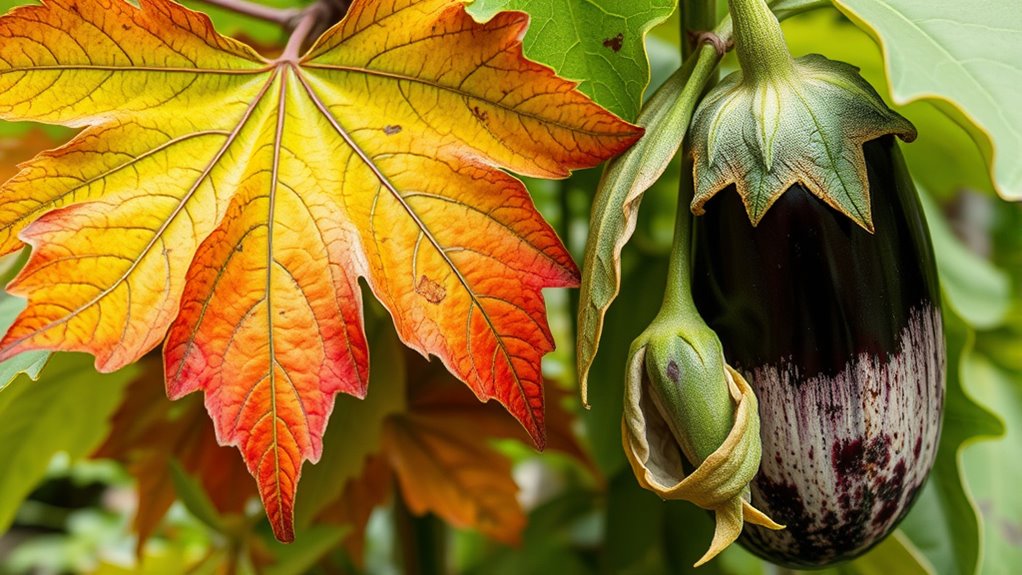

Verticillium wilt affects maples and eggplants by infecting their vascular systems, causing sudden wilting, yellowing, or browning leaves. Since the fungus survives in soil for years, you should improve soil health with organic matter, incorporate resistant plant varieties, and practice proper watering and pruning. Using soil solarization and crop rotation can also help manage the disease. Following these steps can reduce your plants’ risk—keep going to learn more effective strategies.
Listen free for 30 days with Audible
Thousands of audiobooks and originals — cancel anytime.
As an affiliate, we earn on qualifying purchases.
Key Takeaways
- Verticillium wilt causes wilting and browning in maples and eggplants by blocking water flow in their vascular systems.
- Soil treatment includes adding organic matter, beneficial microbes, and using solarization to reduce fungal spores.
- Plant resistant varieties labeled for verticillium wilt help minimize disease severity.
- Cultural practices like proper drainage, avoiding overwatering, and removing infected tissue improve plant health.
- Crop rotation and avoiding soil disturbance limit fungal buildup and spread in both garden and landscape settings.
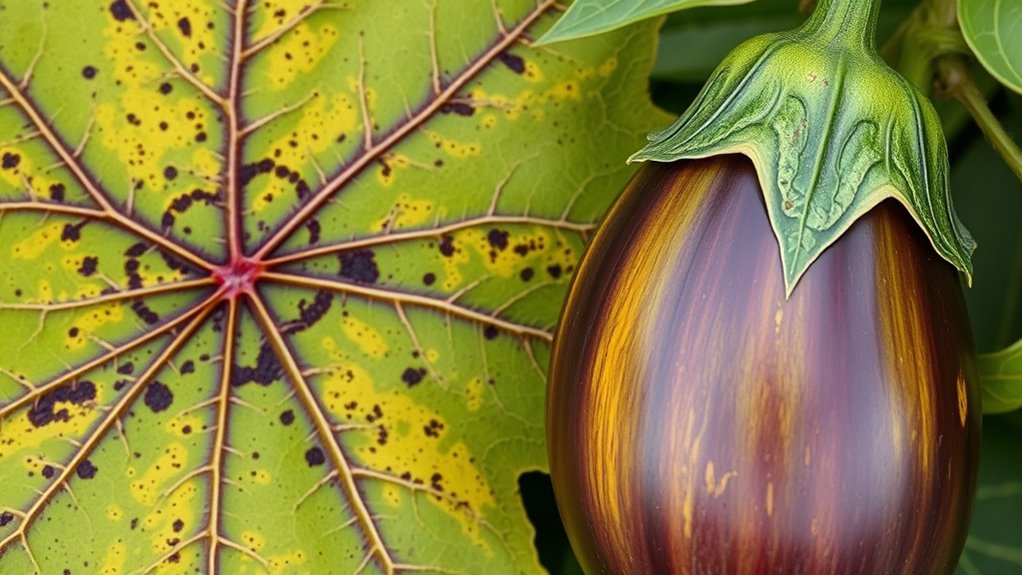
Have you ever noticed sudden wilting or browning leaves on your maples or eggplants? If so, you might be dealing with verticillium wilt, a fungal disease that can silently sabotage your plants’ health. This disease is caused by soil-borne fungi that infect the vascular system, blocking water flow and causing leaves to wilt or turn yellow and brown. Recognizing the signs early is vital because verticillium wilt can spread rapidly through your garden or landscape. To combat this, you need to focus on effective soil treatment and consider planting resistant varieties. These steps can dramatically reduce the impact of the disease and help you maintain healthy, thriving plants.
Soil treatment is your first line of defense. Verticillium fungi persist in the soil for years, making it tricky to eradicate entirely. However, you can minimize their presence by improving soil health and reducing the pathogen load. Incorporate organic matter such as compost or well-aged manure to improve soil structure and promote beneficial microbes that can suppress the fungi. Avoid working in your garden when the soil is wet, as this can spread spores further. Additionally, you might consider solarization — covering soil with clear plastic during hot summer months to heat it to temperatures that kill fungal spores. While soil fumigation is an option in commercial settings, it’s often impractical for home gardeners. Regularly rotating crops, especially avoiding planting susceptible species like maples or eggplants in the same spot year after year, also helps reduce fungal buildup.
Another effective strategy is to select resistant varieties of both maples and eggplants. Many nurseries now offer cultivars bred for resistance to verticillium wilt. These plants often display fewer symptoms and are better able to withstand infection without significant damage. When choosing plants, look for labels indicating disease resistance, and ask local garden centers or extension offices for recommendations tailored to your region. Resistant varieties won’t make your plants invincible, but they greatly lower your risk of severe infection. Pairing resistant plants with proper soil treatment and good cultural practices creates a robust defense system. Avoid overwatering, ensure proper drainage, and prune infected tissue promptly to prevent the spread of spores. Implementing disease-resistant varieties alongside soil management strategies provides a comprehensive approach to managing verticillium wilt effectively.
verticillium wilt resistant maple trees
As an affiliate, we earn on qualifying purchases.
As an affiliate, we earn on qualifying purchases.
Frequently Asked Questions
Can Verticillium Wilt Infect Other Plant Species Besides Maples and Eggplant?
Yes, Verticillium wilt can infect other plant species beyond maples and eggplant. Its additional host range includes over 200 plant types, such as cherries, tomatoes, and potatoes. Cross species infection is common, as the fungus can adapt to different hosts. To protect your garden, monitor for symptoms and practice crop rotation, as this helps prevent the spread of Verticillium and reduces the risk of infection across various plants.
Are There Natural Predators or Beneficial Fungi That Control Verticillium Wilt?
You might be surprised to learn that natural predators and beneficial fungi do play a role in controlling verticillium wilt. Biological control agents, like certain fungi and bacteria, can suppress the pathogen naturally. Soil amendments with organic matter boost these helpful microbes, creating a hostile environment for verticillium. While not a guaranteed cure, these strategies can reduce disease severity and give your plants a fighting chance against this lurking threat.
How Does Soil Ph Influence Verticillium Wilt Severity?
Soil pH substantially influences verticillium wilt severity. When soil acidity drops below 6.0, the risk increases because the pathogen thrives in more acidic conditions. To reduce disease impact, you should focus on pH management by adjusting soil acidity through lime or other amendments. Maintaining a neutral to slightly alkaline pH helps inhibit verticillium growth, protecting your plants from severe wilt symptoms.
What Are the Long-Term Impacts of Verticillium Wilt on Affected Trees and Plants?
As you observe a once-vibrant tree slowly fading, you realize verticillium wilt’s long-term impacts are profound. It hampers the long-term health of affected plants, causing persistent wilting and eventual death. Over time, this disease disrupts the ecosystem, reducing biodiversity and altering local habitats. You might notice the cascading effects, where weakened plants provide less shelter and food, highlighting how verticillium wilt can reshape entire environments if left unmanaged.
Can Verticillium Wilt Be Prevented With Organic or Homemade Treatments?
You can’t fully prevent verticillium wilt with organic prevention or homemade remedies, as it’s caused by a soil-borne fungus that’s hard to eradicate. However, you can reduce your risk by practicing crop rotation, improving soil drainage, and using organic soil amendments. Some homemade remedies like compost teas and natural fungicides may help strengthen plants’ defenses, but they won’t guarantee complete prevention. Consistent, integrated management is your best bet.
soil solarization plastic for vegetable garden
As an affiliate, we earn on qualifying purchases.
As an affiliate, we earn on qualifying purchases.
Conclusion
Think of verticillium wilt as a silent invader creeping through your plants’ veins. To protect your maples and eggplant, stay vigilant for symptoms and improve soil health with proper drainage and crop rotation. Early intervention is your shield, helping your plants stand tall again. With attentive care, you can outsmart this stubborn foe and keep your garden thriving like a lush, resilient forest. Your dedication makes all the difference in fighting this unseen threat.
beneficial microbes for soil health
As an affiliate, we earn on qualifying purchases.
As an affiliate, we earn on qualifying purchases.
organic compost for vegetable plants
As an affiliate, we earn on qualifying purchases.
As an affiliate, we earn on qualifying purchases.
Fall yard work Picks
leaf blowers
As an affiliate, we earn on qualifying purchases.