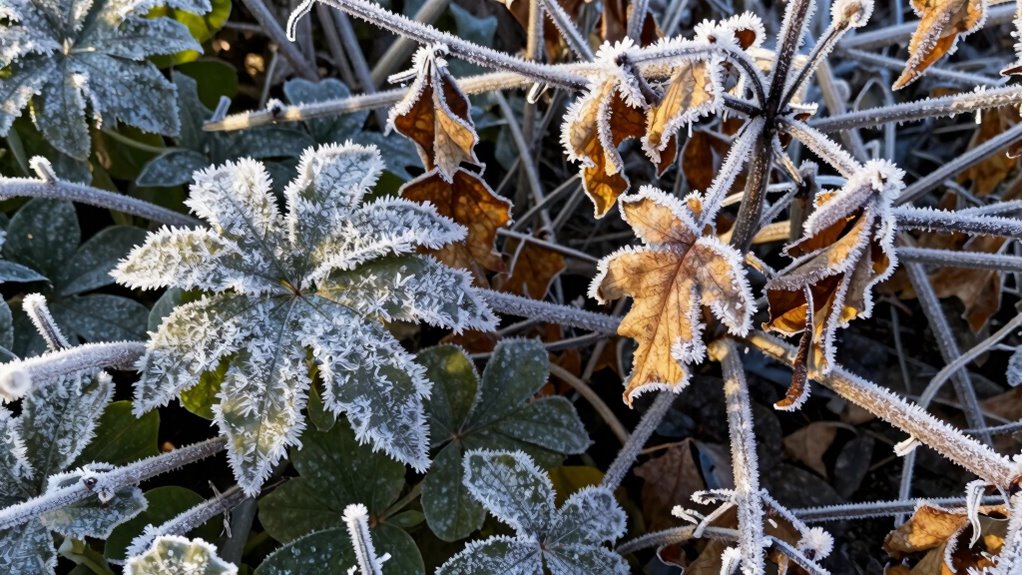

Understanding the difference between a cold snap and a hard freeze helps you protect your plants better. A cold snap is a brief period of low temperatures, usually 1-2 days, that can stress plants but often allows for some protection. A hard freeze drops temperatures below 28°F for an extended time, likely causing serious damage or death. Knowing which event is approaching lets you take the right precautions—keep going to learn more.
Key Takeaways
- Cold snaps are short-term, mild temperature drops, while hard freezes involve prolonged periods below 28°F, causing more severe plant damage.
- Plants can generally withstand cold snaps with minimal harm, but hard freezes can kill or severely damage sensitive plants.
- Understanding the difference helps in applying appropriate protective measures for plants.
- Hard freezes require more extensive protection, such as windbreaks and anti-desiccants, unlike brief cold snaps.
- Monitoring weather forecasts allows gardeners to prepare and respond effectively to each type of cold event.
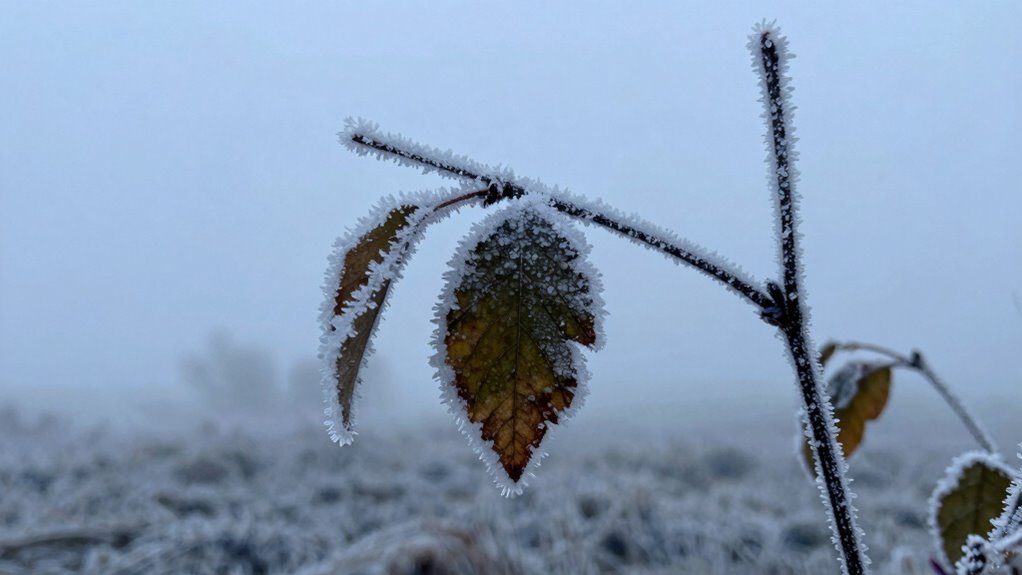
Understanding the difference between a cold snap and a hard freeze is essential for gardeners and plant enthusiasts alike. Knowing how these events impact your plants helps you plan accordingly and protect your garden investments. Cold snaps are brief periods of unseasonably low temperatures, often lasting a day or two, while a hard freeze involves temperatures dropping below 28°F (-2°C) for an extended period, potentially damaging or killing most plants. Recognizing this distinction is crucial because not all cold events pose the same threat, and your response should vary depending on the severity and duration.
Understanding cold snaps versus hard freezes helps protect your garden effectively.
Your knowledge of plant hardiness zones plays a vital role here. These zones, designated by the USDA, help you determine which plants can survive the typical winter lows in your area. If you understand your zone, you can better anticipate whether a cold snap might cause temporary stress or if a hard freeze could be devastating. For example, plants hardy in zone 8 might withstand a cold snap but could struggle during a prolonged hard freeze. This awareness guides you to implement appropriate frost protection techniques, such as mulching, covering plants with frost cloths, or using heaters for vulnerable species.
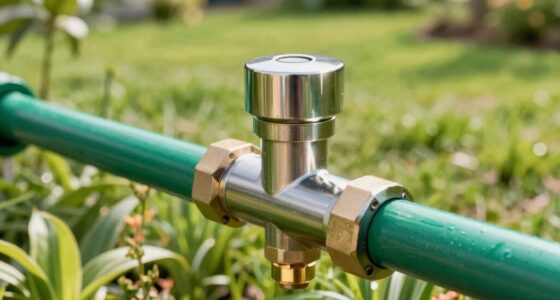
When a cold snap hits, your primary goal is to minimize stress and prevent damage. Covering plants with lightweight fabric or row covers can trap heat and shield them from the chilly air. Moving potted plants indoors or to sheltered locations also helps. These frost protection techniques are usually sufficient for short-term cold events, but they may be ineffective during a hard freeze, which requires more extensive measures. For a hard freeze, you might need to employ additional methods such as installing windbreaks, applying anti-desiccants to evergreens, or even temporarily shutting down irrigation systems to prevent water pipes from freezing. Understanding weather patterns can further aid in anticipating these events and preparing accordingly.
Understanding the severity of the cold event guides your actions. A cold snap might call for simple coverings, while a hard freeze demands more robust preparations. By keeping an eye on weather forecasts and knowing your plant hardiness zones, you can act proactively. The key is to recognize that not all cold weather is equal—what might be a minor inconvenience for some plants could be catastrophic for others during a hard freeze. Proper planning and frost protection techniques tailored to the expected severity can make all the difference in safeguarding your garden and ensuring your plants survive the winter months. Additionally, being aware of climate patterns in your region can help you better prepare for these events in advance. Recognizing weather trend can lead to more timely and effective protection strategies.
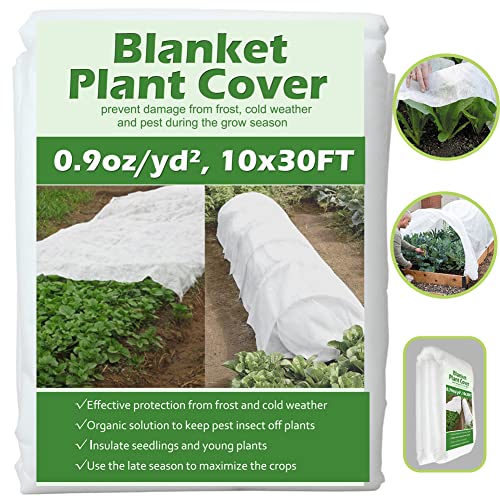
Plant Covers Freeze Protection 10 ft x 30 ft Floating Row Cover 0.9oz/yd² Garden Fabric Plant Cover for Winter Frost/Sun Pest Protection (10FT X 30FT)
※Big Size to cover large area : The size of our plant cover is 10x30ft, the size can…
As an affiliate, we earn on qualifying purchases.
As an affiliate, we earn on qualifying purchases.
Frequently Asked Questions
How Can Gardeners Prepare for Upcoming Cold Snaps?
To prepare for upcoming cold snaps, you should implement frost protection and winterizing techniques. Cover vulnerable plants with blankets or burlap, and use mulch around their roots to insulate against cold temperatures. Water plants thoroughly beforehand, as moist soil retains heat better. Bring potted plants indoors if possible. These steps help safeguard your garden from frost damage and guarantee your plants survive harsh cold conditions.
Do Indoor Plants Need Protection During Hard Freezes?
Think of your indoor plants as delicate jewels needing protection from winter’s icy grip. During hard freezes, they do need insulation—think of cozy blankets or frost protection techniques like moving them away from drafts or near heat sources. These measures act as shields, keeping your plants warm and safe. Without such protection, the cold can damage their leaves and roots, threatening their health and beauty.
What Are the Signs a Plant Has Suffered Frost Damage?
You’ll notice frost damage on your plant when leaves turn brown or black, and tissues become mushy or translucent. Stems may crack or become brittle, indicating severe injury. These signs show your plant’s resilience has been tested. Keep an eye out for wilting or wilted foliage, which signals stress and potential frost damage. Acting quickly can sometimes help minimize long-term harm, but prevention remains the best strategy.
Are Some Plants More Resistant to Cold Than Others?
Some plants, thanks to their plant hardiness and innate frost tolerance, resist rigorous cold better than others. You’ll find hardy herbs and resilient perennials enduring freezing frosts with fewer symptoms of frostbite. These plants adapt and withstand extreme temperatures, making them ideal for colder climates. By understanding frost tolerance, you can select species suited for your zone, ensuring your garden’s growth and grace flourish despite frigid, frosty conditions.
How Does Climate Change Influence Cold Snap Frequency?
Climate change increases climate variability and causes more unpredictable temperature fluctuations. As a result, cold snaps become more frequent and intense, catching plants off guard. You might notice sudden drops in temperature that harm sensitive species, even in areas that used to have mild winters. Understanding these patterns helps you protect your plants by adjusting gardening practices, like covering vulnerable plants or choosing more resilient varieties.

Plant Covers Freeze Protection, Antifrost Cover 7ft×10ft Reusable Rectangle Frost Protection Floating Row Cover Plant Blanket Garden Winterize Cover for Cold Weather Snow
【All-Purpose Garden Plant Cover】Faraer Floating Row Cover is a polypropylene garden covers that transmits 70 percent of available…
As an affiliate, we earn on qualifying purchases.
As an affiliate, we earn on qualifying purchases.
Conclusion
Knowing the subtle difference between a cold snap and a hard freeze can help you better care for your plants. While a brief cold spell might give your garden a gentle nudge, a hard freeze could put your plants into a deep slumber they might struggle to wake from. Staying vigilant allows you to protect your green friends and keep your garden thriving through unpredictable weather. Remember, a little foresight can turn a chilly challenge into a seasonal success.

B0011VHOXI
As an affiliate, we earn on qualifying purchases.
As an affiliate, we earn on qualifying purchases.

Plant Covers Freeze Protection, 10ft×33ft Reusable Rectangle Frost Protection Floating Row Cover Plant Blanket Garden Winterize Cover for Cold Weather Snow
【Best Winterize Protections for Plants & Trees】 Extra Stable Plant Blanket creates and retains warmth while protecting against…
As an affiliate, we earn on qualifying purchases.
As an affiliate, we earn on qualifying purchases.