Using weather stations for pest alerts allows you to receive real-time data on environmental conditions like temperature, humidity, and wind. This helps you track pest migration patterns and identify triggers such as warm, humid nights. By using this information, you can time your interventions more effectively and reduce unnecessary pesticide use. Staying informed with accurate, immediate weather updates enables proactive pest management—if you want to discover more, keep exploring how these tools can benefit your crop health.
Key Takeaways
- Provide real-time environmental data to detect conditions conducive to pest activity.
- Enable early pest migration warnings through continuous monitoring of weather patterns.
- Help tailor pest management strategies by correlating weather changes with insect behavior.
- Support timely interventions, reducing pesticide use and environmental impact.
- Enhance prediction accuracy by integrating weather station data with pest tracking models.

Weather stations for pest alerts are transforming how farmers and gardeners protect their crops and plants. These devices provide real-time data that help you anticipate pest issues before they become unmanageable. One of the key advantages is their ability to monitor pest migration, giving you early warnings about when pests are likely to arrive in your area. Understanding pest migration patterns allows you to time your interventions more effectively, reducing the need for unnecessary pesticide applications and minimizing environmental impact. When you know when pests are on the move, you can implement targeted strategies to safeguard your crops at the right moment.
Weather stations for pest alerts enable early detection and targeted interventions, reducing pesticide use and protecting your crops effectively.
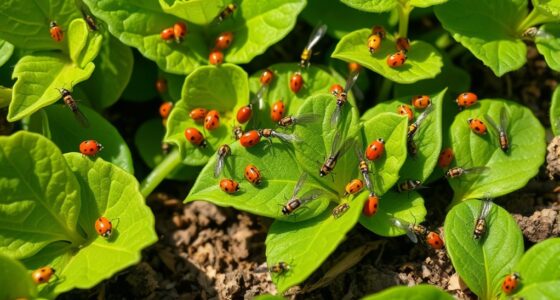
In addition to tracking pest migration, weather stations help you understand insect activity patterns. Different pests are active under specific weather conditions—temperature, humidity, and wind all influence their behavior and reproduction cycles. By observing these environmental factors through your weather station, you gain insight into when insects are most likely to become problematic. For example, certain beetles or caterpillars might become active after warm, humid nights, signaling you to increase monitoring or apply control measures accordingly. This level of precision allows you to act proactively instead of reactively, saving time, effort, and resources.
Using a weather station for pest alerts means you’re no longer relying solely on visual inspections or generic schedules. Instead, you receive tailored alerts based on real-time data, which helps you make informed decisions about pest management. When the weather forecast indicates favorable conditions for insect activity, you can prepare by deploying traps, applying organic treatments, or adjusting your watering schedule to disrupt pest breeding cycles. This proactive approach not only protects your plants but also promotes sustainable practices by reducing chemical usage.
Moreover, weather stations can track subtle environmental changes that influence pest behavior, giving you a more in-depth understanding of pest dynamics. For instance, a sudden drop in temperature might slow down insect activity temporarily, allowing you to delay treatments until conditions become more favorable for pests. Conversely, a spike in humidity could signal the start of a pest outbreak, prompting immediate action. By continuously monitoring these factors, you stay one step ahead, minimizing crop damage and optimizing your pest control efforts.
In essence, integrating weather stations into your pest management strategy empowers you to anticipate pest movements and insect activity patterns with greater accuracy. This technology enhances your ability to protect your crops efficiently, reducing chemical reliance, and supporting healthier, more resilient plants. As weather patterns continue to shift unpredictably, leveraging real-time data becomes a vital tool in sustainable farming and gardening practices.
Frequently Asked Questions
How Accurate Are Weather Stations in Predicting Pest Outbreaks?
Weather stations can be quite accurate in predicting pest outbreaks, especially when their sensor accuracy is high. They provide reliable forecasts by monitoring key environmental factors like temperature and humidity, which influence pest activity. However, their forecast reliability depends on the quality of the sensors and data analysis. When these stations are well-maintained and calibrated, you can trust their predictions to help you take timely pest control measures.
Can Weather Stations Detect Pest Activity Directly?
Weather stations cannot detect pest activity directly. Instead, they use detection methods like monitoring temperature, humidity, and wind patterns to predict pest activity. You rely on this data to anticipate outbreaks, but for precise detection, you’ll need pest traps or visual inspections. Weather stations provide valuable clues, yet they can’t replace direct pest detection methods, which confirm actual pest presence and activity levels.
What Is the Cost Range for Installing a Weather Station?
They say “you get what you pay for,” and installation requirements and cost considerations vary. You can find basic weather stations for $100–$300, suitable for small-scale needs. More advanced models with detailed sensors range from $500 to $2,000 or more, often requiring professional installation. Keep in mind, investing in quality equipment can improve accuracy and longevity, making it worth the initial expense for reliable pest alerts.
Do Weather Stations Require Regular Maintenance or Calibration?
You’ll need to perform regular maintenance and sensor calibration to keep your weather station accurate. Maintenance schedules vary, but generally, you should check sensors monthly or quarterly. Calibration is vital, especially for temperature, humidity, and other environmental sensors, to guarantee reliable pest alerts. Regularly inspecting and calibrating your station helps maintain data accuracy, so you can trust the alerts and make timely pest management decisions.
How Quickly Can Weather Data Inform Pest Control Decisions?
Think of weather data as your pest control compass, guiding you through shifting weather patterns in real time. As soon as conditions change, you can act swiftly, often within hours, to address pest behavior influenced by temperature, humidity, or rainfall. This rapid insight helps you stay ahead of pests, adjusting strategies instantly to protect your crops or property. Your proactive response minimizes damage and keeps pests at bay efficiently.
Conclusion
By harnessing weather stations for pest alerts, you can protect your crops like a superhero with an unbreakable shield. Imagine catching pest outbreaks before they even start, saving you from disaster and turning you into the envy of every farmer. Don’t wait until pests take over—use these stations and become unstoppable in your fight against nature’s tiniest enemies. Your farm’s future depends on it, and with this tool, victory is just a weather report away!