
TL;DR

Get garden gear delivered free with Prime
- Fast, free delivery on millions of items
- Prime Video, Amazon Music and more included
- Member-only deals all year
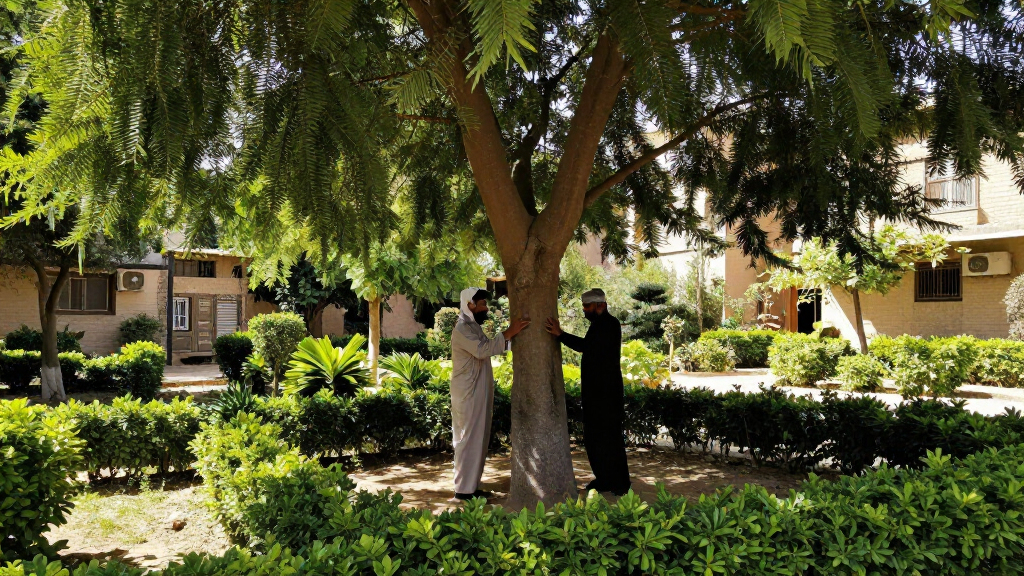
Cairo Governorate has publicly denied allegations that it cut down an ancient caper tree in Maadi District. The authorities emphasize their commitment to preserving historic trees, amid rising public concern and social media reports. The true status of the tree remains unconfirmed, and investigations are ongoing.
The Cairo Governorate has formally denied reports that it cut down an ancient caper tree in the Maadi District. The authorities issued an official statement emphasizing their commitment to preserving historic trees and denying any recent removal. The incident has sparked widespread concern among residents and social media users, but no confirmed evidence of tree removal has been provided.
According to an official statement from Cairo Governorate, no decision or action has been taken to cut or remove an ancient caper tree in Maadi District. The statement, published on cairo.gov.eg, clarifies that the local authorities are committed to protecting heritage trees and that any reports suggesting otherwise are unfounded. Social media posts and local reports had circulated claims that a historic tree had been cut down, prompting the governorate to respond publicly.
Despite the official denial, reports and images circulating online continue to suggest that a tree matching the description of the ancient caper tree may have been removed or is under threat. However, no concrete evidence or official documentation has confirmed the removal, and authorities have not provided details about the tree’s current status or location. The situation remains under investigation, with local residents expressing both concern and skepticism about the official account.
The controversy underscores ongoing tensions between urban development projects and heritage preservation efforts in Cairo, a city known for its rich history and numerous ancient trees. The incident has also attracted attention from environmental and heritage groups advocating for stronger protections of historic urban flora.
Why the Tree Preservation Dispute Matters
This incident highlights the ongoing struggle to balance urban growth with heritage conservation in Cairo. Ancient trees like the caper are not only ecological assets but also cultural symbols, representing historical continuity amid rapid modernization. The public concern and social media attention demonstrate a growing awareness and demand for transparency regarding heritage protection policies. The official denial aims to reassure residents and heritage advocates that Cairo’s historical environment remains a priority, but the lack of concrete evidence leaves questions about enforcement and oversight.
Moreover, this controversy could influence future urban planning decisions, emphasizing the need for clear guidelines and community involvement in heritage preservation. It also raises awareness about the importance of documenting and protecting ancient urban flora before development projects proceed.
As an affiliate, we earn on qualifying purchases.
Background of Heritage Tree Preservation in Cairo
Cairo has a long history of balancing development with heritage preservation, often facing conflicts over urban expansion projects that threaten historic sites and trees. The city’s efforts to protect ancient flora date back years, with various initiatives aimed at conserving trees with cultural or ecological significance. In recent years, social media has amplified public voices calling for greater transparency and accountability in heritage-related decisions.
The Maadi District, known for its leafy streets and historic architecture, has been the focus of preservation efforts, especially regarding trees that are hundreds of years old. Reports of tree removals often trigger public outrage, leading to official clarifications or investigations. The specific case of the alleged caper tree removal gained attention due to its perceived historical value and the social media visibility of the claims.
Up until now, the Cairo Governorate has publicly maintained that it prioritizes heritage preservation and that any tree removals are conducted with proper authorization. The current incident appears to be part of a broader pattern where social media reports prompt official responses, but confirmation of specific cases remains elusive.
As an affiliate, we earn on qualifying purchases.
Unconfirmed Status of the Ancient Caper Tree
It remains unclear whether the ancient caper tree was actually removed, is still standing, or is under threat of removal. No independent verification or photographic evidence has been publicly provided to confirm the tree’s current status. Authorities have not disclosed the location or condition of the tree, and investigations are ongoing. Social media reports and eyewitness accounts conflict with official statements, fueling uncertainty about what actually transpired.
tree protection fencing for historic trees
As an affiliate, we earn on qualifying purchases.
As an affiliate, we earn on qualifying purchases.
Next Steps in Confirming the Tree’s Status
Authorities are expected to conduct an on-site investigation to verify the status of the alleged tree. Local residents and heritage groups may seek transparency through official documentation or public inspections. Further statements from Cairo Governorate could clarify whether the tree remains intact or has been removed, and whether any legal or procedural steps were involved. The incident could also prompt discussions on strengthening heritage protection policies and community engagement in Cairo’s urban planning.
As an affiliate, we earn on qualifying purchases.
Key Questions
Did Cairo Governorate actually cut down the ancient caper tree?
There is no confirmed evidence that the tree was cut down. The Cairo Governorate denies any recent removal, but investigations are ongoing to verify the tree’s current status.
Why is this incident attracting public concern?
The tree is considered a heritage and ecological asset, and residents fear losing historic urban trees amid development projects. Social media reports have amplified these concerns.
What actions are authorities taking now?
Authorities are expected to investigate the site to confirm the tree’s status and clarify the situation publicly. No official update has been issued yet.
Could this incident impact future heritage protection policies?
Yes, it may lead to stronger regulations and increased community involvement to prevent unauthorized removals of historic trees in Cairo.
Source: local
Columbus Day / Indigenous Peoples' Day Picks
long weekend sales
As an affiliate, we earn on qualifying purchases.