
TL;DR

Get garden gear delivered free with Prime
- Fast, free delivery on millions of items
- Prime Video, Amazon Music and more included
- Member-only deals all year
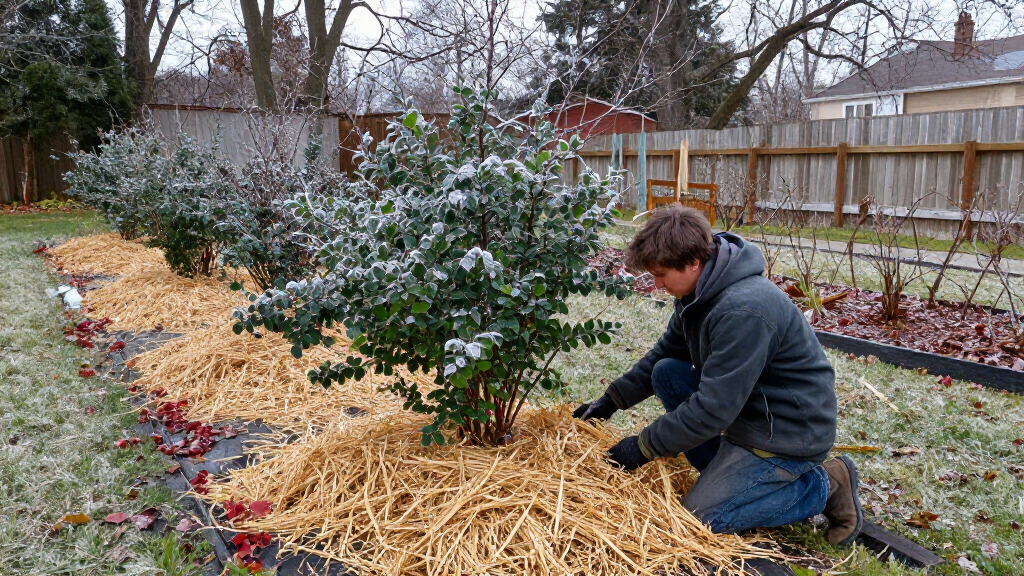
Homes & Gardens recommends spreading 3–4 inches of suitable organic mulch around blueberry bushes in late fall or early winter to insulate their shallow roots. Container-grown blueberries need extra protection, and the report advises pruning in late winter or early spring rather than early winter.
A Homes & Gardens report advises gardeners to spread a 3–4-inch layer of mulch around blueberry bushes in late fall or early winter to help protect their shallow roots from cold. The guidance also says blueberries grown in pots need additional winter protection because their roots are more exposed to freezing conditions than plants growing in the ground.
The report says to use organic materials such as pine bark, pine needles or wood chips, spreading the mulch out to the bush’s drip line. Gardeners should leave a gap of a few inches around the base of the stems, rather than piling mulch directly against them, which the article says can contribute to rot over winter.
Mulch is described as serving several purposes: insulating soil, retaining moisture, suppressing weeds and adding organic matter as it breaks down. Pine-based mulches may help support the acidic soil conditions blueberries prefer. The report gives a preferred soil pH range of about 4.5 to 5.5, but cautions that mulch alone will not dramatically lower pH and recommends testing soil every few years.
For bushes in containers, the article suggests moving pots together beside a sheltered wall, adding mulch over the soil and wrapping containers with burlap, frost cloth or a winter pot cover. It also recommends raising pots on pot feet so they can drain. The report says pruning is better done in late winter or early spring, just before new growth begins, rather than in early winter.
Shallow Roots Need Winter Insulation
Blueberry bushes have shallow root systems, with much of the roots in the top 12 inches of soil, according to the source report. That makes roots more vulnerable to deep frosts and drying than deeper-rooted plants. A seasonal mulch layer is a relatively simple way to buffer soil temperatures while also helping retain moisture and adding organic material.
The report notes that cold tolerance varies by variety. It says northern highbush blueberries can tolerate temperatures below -20°F, while southern highbush types may be damaged when temperatures fall below freezing. These figures are presented as variety-specific guidance, not a guarantee for every plant or local growing condition. New plantings also need protection during their first winter, the article says, before they are fully established.
Products Worth Considering

Orbit B-hyve Smart Indoor/Outdoor 12-Zone Sprinkler Controller

Orbit B-hyve XR 16-Zone Indoor/Outdoor Smart Sprinkler Timer
Orbit B-hyve XR 8-Zone Indoor/Outdoor Smart Sprinkler Controller
As an affiliate, we earn on qualifying purchases.
Mulch Type and Timing Matter
The guidance is based on a practical distinction between blueberries’ needs and the conditions in which they are grown. Blueberries favor acidic soil, so the report recommends pine bark, pine needles or wood chips as mulch options. It also warns that these materials should not be treated as a substitute for checking soil pH: gardeners can test the soil every few years to confirm it remains within the suggested 4.5–5.5 range.
Timing separates winter root protection from pruning. The report recommends mulching in late fall or early winter, while waiting until late winter or early spring to prune. Container plants require a separate approach because cold can reach their roots more readily through pots than through surrounding garden soil. The article presents moving containers to a sheltered spot, wrapping them and improving drainage as options that can be combined according to conditions.
““Most of a blueberry’s root system is in the top 12 inches of soil.””
— Homes & Gardens report
Local Cold Risks Vary
The report does not specify a single mulch choice or protection plan that suits every garden. Winter severity, blueberry variety, planting age and whether a bush is in the ground or a container all affect the level of protection needed. Its temperature examples describe differences between broad blueberry types, but do not establish exact safe limits for every cultivar or microclimate.
The article also does not provide a quantified estimate of how much mulch changes soil temperature, improves harvest size or adjusts soil pH. Gardeners should not assume that mulch alone will correct unsuitable soil acidity. The report recommends testing pH, but the appropriate response to a test result depends on the soil and growing setup.
Prepare Plants Before Hard Frost
Gardeners following the report’s schedule should apply mulch in late fall or early winter, before severe cold settles in, and keep it clear of the stems. Those with potted bushes can check that containers are sheltered, protected against cold and raised for drainage. The guidance advises giving first-year plants particular attention and considering frost cloth or burlap for additional protection in extremely cold climates.
Pruning can wait until late winter or early spring, just before growth resumes. Soil pH can be tested every few years to check whether conditions remain suitable. The source report offers general gardening guidance; it does not provide a forecast or a region-specific assessment of winter conditions.
Key Questions
How deep should mulch be around blueberry bushes?
The Homes & Gardens report recommends a 3–4-inch layer, spread out to the plant’s drip line.
Should mulch touch the blueberry stems?
No. The report advises leaving a gap of a few inches around the base because mulch piled against stems can contribute to rot over winter.
What mulch can be used for blueberries?
The suggested options are pine bark, pine needles and wood chips. The report says these can support acidic soil conditions but will not, by themselves, dramatically lower soil pH.
How should blueberries in pots be protected?
Options include grouping pots in a sheltered location, mulching the soil surface and wrapping pots with burlap, frost cloth or a winter cover. Raise containers on pot feet to help them drain.
When should blueberry bushes be pruned?
The report recommends pruning in late winter or early spring, just before the plant begins new growth, rather than in early winter.
Source: homesandgardens.com