If you don’t fully seal the edges of your row covers, pests can slip underneath, and moisture can seep in, causing disease and damage. Loose edges also make the cover vulnerable to wind, tears, and accidental dislodgement, which shortens its lifespan. Properly sealing your cover with staples, clips, or weights keeps pests out, prevents tears, and maintains your protection. Keep going to find out more ways to guarantee your covers work effectively.

Get garden gear delivered free with Prime
- Fast, free delivery on millions of items
- Prime Video, Amazon Music and more included
- Member-only deals all year
Key Takeaways
- Pests can enter through unsealed gaps, compromising plant protection.
- Moisture seeps inside, increasing the risk of fungal diseases and rot.
- Loose edges are vulnerable to wind damage, causing tears and dislodging the cover.
- Inadequate sealing reduces the cover’s durability and lifespan.
- Poor sealing leads to ineffective pest and moisture control, harming plant health.

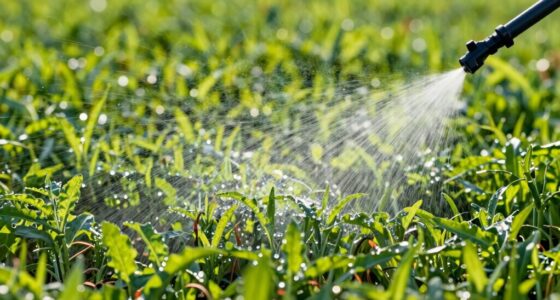
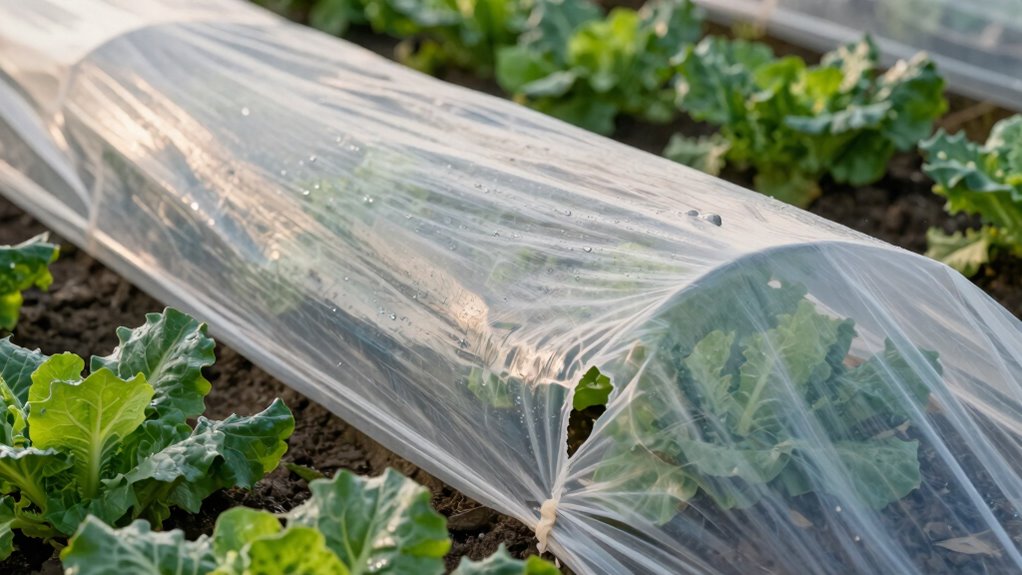
Row covers are a popular tool for protecting your plants, but they often fail when their edges aren’t properly sealed. If you don’t secure the edges tightly, pests can slip underneath, defeating the purpose of using the cover for pest prevention. Small insects like aphids, flea beetles, or even larger critters can find their way through gaps, especially if the cover isn’t anchored well. This leaves your plants vulnerable, and all the effort to shield them becomes ineffective. Ensuring a tight seal around the edges is crucial for keeping pests out and maintaining the integrity of your row cover. Proper sealing not only prevents pests from entering but also enhances durability against weather and physical damage.
Properly sealing row cover edges keeps pests out and protects your plants effectively.
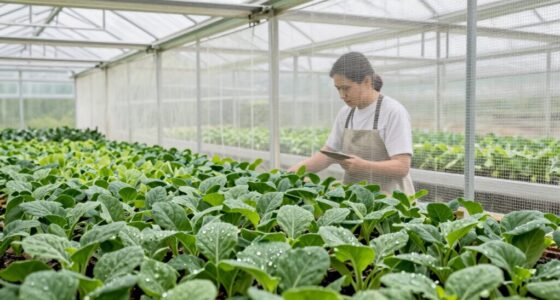
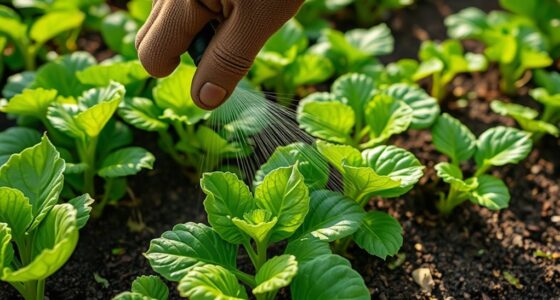
Moisture control is another critical aspect affected by improperly sealed edges. When gaps exist, excess moisture from rain or dew can seep in, creating a damp environment beneath the cover. While some moisture is beneficial, too much can foster fungal diseases or rot, especially if your plants are already stressed. An unsealed edge allows moisture to accumulate, which can lead to plant health issues over time. Conversely, if you seal the edges too tightly without proper ventilation, you risk trapping humidity inside, which can also promote disease. Striking a balance with well-sealed but ventilated edges helps you control moisture levels effectively, protecting the overall health of your plants. Additionally, proper sealing techniques can extend the lifespan of your row cover by preventing tears and damage caused by weather or animals. Using the right materials and methods ensures a secure fit that withstands environmental stresses and prolongs the cover’s effectiveness. Employing quality sealing materials further supports these efforts and reduces the likelihood of failure.
Failing to seal the edges properly also compromises the durability of your row cover. Wind, rain, or even accidental contact can dislodge loose edges, exposing your plants to pests and harsh weather. Over time, this can cause tears or holes, further reducing the cover’s effectiveness. You might be tempted to use heavy objects or stakes to secure the edges, but if the seal isn’t tight from the start, these measures won’t hold long. Proper sealing techniques—using staples, clips, or weights designed for this purpose—are essential to keep your cover intact and functional. This sealing process is especially important in windy conditions, where even minor gaps can lead to significant issues.
Ultimately, the success of your row cover hinges on how well you secure its edges. If you neglect this step, pests will find their way in, and moisture control becomes a challenge. You’ll spend more time repairing tears or battling plant diseases than enjoying healthy, protected crops. Taking the time to properly seal every edge ensures your row cover functions as intended, providing pest prevention and moisture control simultaneously. With a little effort upfront, you’ll create a more effective barrier that keeps your plants safe and healthy throughout the growing season.
As an affiliate, we earn on qualifying purchases.
Frequently Asked Questions
How Can I Tell if My Row Cover Edges Are Properly Sealed?
You can tell if your row cover edges are sealed by checking for gaps or loose areas where pests could enter. Run your hand along the edges to feel for tight, secure seals. Properly sealed edges help with pest prevention and maintain consistent temperature regulation, protecting your plants. Confirm the cover overlaps the soil and is tucked in tightly, preventing pests from slipping underneath and keeping your crops safe.
What Materials Are Best for Sealing Row Cover Edges?
If you want your row cover edges to stay sealed, use heavy-duty materials like UV-resistant polyethylene or reinforced fabric for durability. Seal the edges with high-quality weatherproof tape or double-stitched seams—because who doesn’t love a good sealing technique? These materials withstand weather and wear, ensuring your cover stays put. Forget flimsy options; your plants deserve armor, not a flimsy cloth that gives up at the first breeze.
How Often Should I Check for Gaps or Openings?
You should check your row cover edges at least once a week to prevent gaps or openings. Regular inspections help you catch pest prevention issues early and guarantee moisture retention stays effective. If you notice any gaps, seal them promptly to keep pests out and protect plants. Consistent checks maintain the cover’s integrity, maximizing its effectiveness and safeguarding your crops from pests and moisture loss.
Can Sealing Methods Affect Plant Growth?
Sealing methods directly impact plant health and pest prevention. Properly sealed edges keep pests out and maintain a stable environment, promoting healthy growth. If you don’t seal well, pests can infiltrate, causing damage and stress to your plants. On the other hand, effective sealing guarantees consistent moisture and temperature, supporting robust growth. So, invest in good sealing techniques to maximize your row cover’s benefits and keep your plants thriving.
Are There Eco-Friendly Options for Sealing Row Covers?
You’ll be pleased to find eco-friendly sealing options like compostable tapes and biodegradable sealants that work just as well as traditional ones. These materials are designed to break down naturally, reducing environmental impact. When sealing your row covers, choose compostable tapes for quick adhesion and biodegradable sealants for longer-lasting protection. Coincidentally, many of these products are made from renewable resources, making your gardening efforts even more sustainable and planet-friendly.
As an affiliate, we earn on qualifying purchases.
Conclusion
Just like a ship needs a sealed hull to stay afloat, your row cover must have true edges to keep pests and cold at bay. When the edges aren’t sealed tight, it’s as if you’re leaving a crack in your armor—inviting trouble inside. Remember, the devil’s in the details, and sealing those edges is your best defense. Keep it tight, keep it safe, and let your garden flourish, protected from the unseen threats that lurk beyond the seal.
As an affiliate, we earn on qualifying purchases.
As an affiliate, we earn on qualifying purchases.
Fall Picks
fall essentials
As an affiliate, we earn on qualifying purchases.