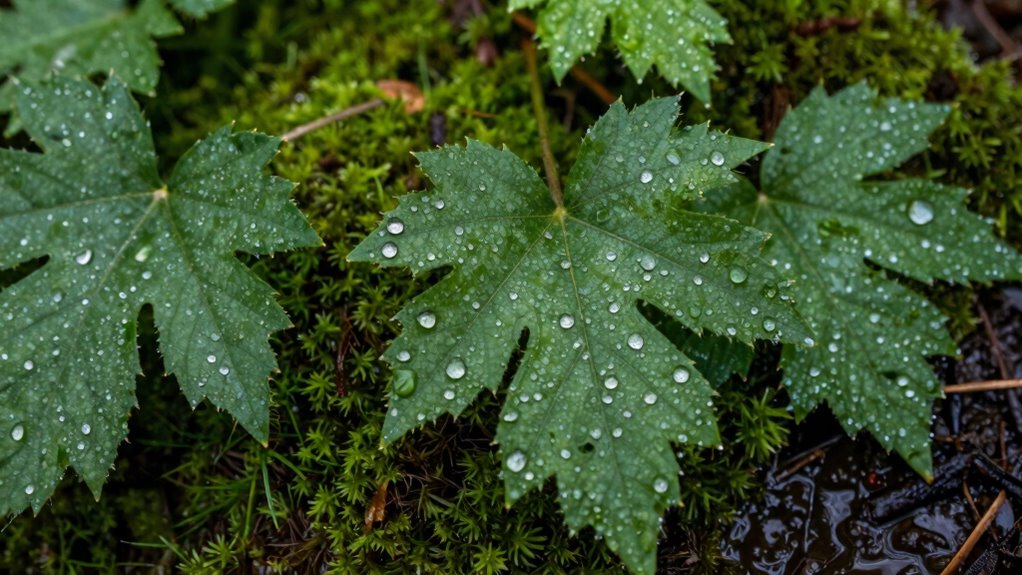
The wet foliage habit often returns because improper watering, like splashing water on leaves, and poor airflow create conditions for fungal diseases and pests. When you water at the base and space plants properly, you help leaves stay dry and reduce moisture buildup. Regular pruning and mulching also improve air circulation, preventing wet foliage from recurring. Keep these practices in mind, and you’ll discover more ways to break the cycle for healthier plants.

Get garden gear delivered free with Prime
- Fast, free delivery on millions of items
- Prime Video, Amazon Music and more included
- Member-only deals all year
Key Takeaways
- Watering plants late in the day or evening causes prolonged leaf wetness, promoting fungal diseases.
- Splashing water onto leaves increases moisture, encouraging persistent wet foliage issues.
- Lack of proper air circulation traps moisture on leaves, leading to recurring wetness problems.
- Overcrowded planting limits airflow, making wet foliage a continuous challenge.
- Inconsistent maintenance allows wet conditions to persist, fostering ongoing fungal and pest issues.
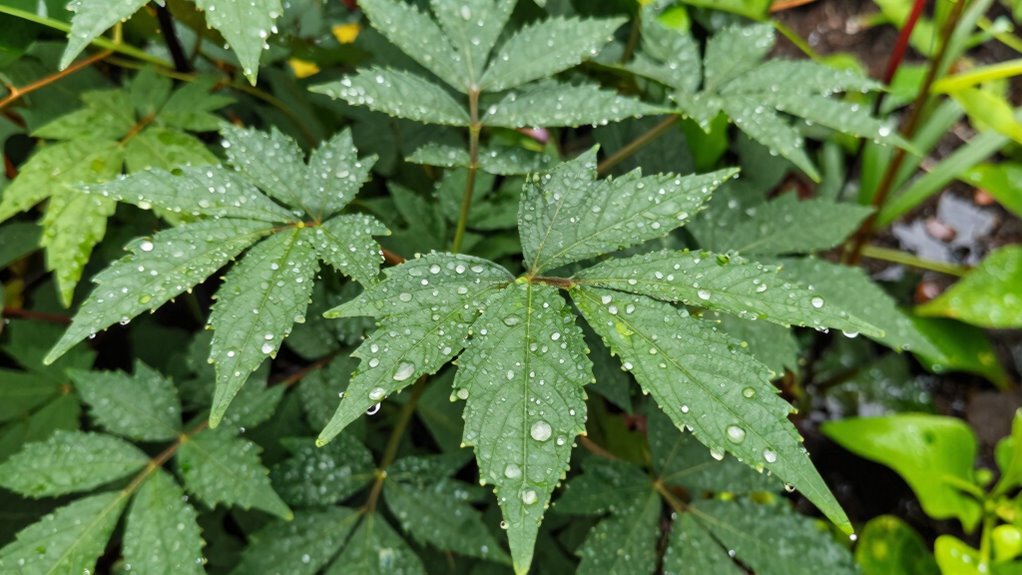
Understanding this cycle is key to preventing problems. When you water or tend to your garden, it’s best to avoid splashing water onto the leaves, especially in the late afternoon or evening when evaporation slows down. Instead, aim for watering at the base of plants, so moisture stays on the soil rather than the foliage. Additionally, good air circulation helps keep leaves dry, discouraging fungal growth and reducing pest attraction. You might consider pruning overcrowded plants to improve airflow, which makes it harder for diseases and pests to settle in. If you notice signs of plant disease or pest infestation, addressing it early can save your plants from severe damage. Use organic fungicides or insecticidal soap, and remove affected leaves promptly to prevent spread. Proper watering techniques and regular garden maintenance are essential to break this wet foliage cycle and keep plants healthier. You can also consider mulching to help regulate soil moisture and reduce splashing that contributes to wet foliage. The recurring wet foliage habit can be a real headache, but with proper watering techniques and regular garden maintenance, you can keep your plants healthier and less susceptible to problems. Regularly monitoring your garden for early signs of disease or pests is crucial in maintaining plant health. Incorporating air circulation practices, such as spacing plants appropriately, can significantly reduce leaf wetness and fungal issues over time. And don’t forget to promote airflow, as it’s vital in preventing prolonged leaf wetness and the development of fungal issues. Over time, these small adjustments make a big difference, helping you enjoy a thriving garden free from recurring issues caused by the wet foliage habit.
garden watering can with adjustable spout
As an affiliate, we earn on qualifying purchases.
As an affiliate, we earn on qualifying purchases.
Frequently Asked Questions
How Can I Prevent Wet Foliage From Promoting Disease?
To prevent wet foliage from promoting disease, you should improve air circulation around your plants and use proper mulching techniques. Space plants adequately to allow airflow, and avoid overhead watering, which keeps foliage wet. Mulch with organic materials, but keep it a few inches away from plant stems. This reduces moisture buildup and helps foliage dry faster, lowering disease risk and keeping your garden healthy.
What Are the Best Plants for Wet, Shady Areas?
If you’re battling soggy, shady spots, you need plants that can survive in wet conditions without fuss. Drought-tolerant plants like ferns or astilbes thrive in these areas, handling moisture with ease. Use mulching techniques to keep the soil moist yet well-drained. These hardy plants and smart mulching will transform your damp, shadowy garden into a lush, thriving paradise, making wet, shady zones your favorite spots to relax.
How Often Should I Water Plants in Consistently Wet Soil?
You should water your plants in consistently wet soil sparingly, about once every couple of weeks, to prevent root rot. Focus on improving soil aeration with organic matter, helping excess moisture drain away. Drought-tolerant species won’t need frequent watering and can handle wet conditions better. Always check the soil moisture before watering, and adjust based on weather. This approach keeps your plants healthy without overwatering.
Can I Improve Drainage Without Major Landscape Changes?
Yes, you can improve drainage without major changes by mulching benefits like adding organic mulch to boost soil aeration. This helps prevent water from pooling and promotes better airflow around roots. You can also loosen the soil gently with a garden fork to improve aeration. Regularly mixing in compost or sand can further enhance drainage, making your garden healthier and reducing the wet foliage issue.
Are There Natural Remedies to Reduce Excess Moisture?
Think of your garden like a sponge—too much water makes it soggy and unhealthy. Natural remedies like plant-based solutions and organic treatments can help, such as applying compost tea or neem oil to improve soil health and reduce excess moisture. You might also plant drought-tolerant species or amend soil with organic matter, which naturally absorbs water, helping to keep foliage dry and preventing persistent wetness from haunting your garden.
As an affiliate, we earn on qualifying purchases.
Conclusion
So, here’s the irony: your lush, damp foliage, which promises beauty, often becomes the very culprit behind your gardening woes. Instead of a thriving paradise, you end up battling mold, pests, and decay. Ironically, your effort to keep things lush and vibrant can backfire, turning your garden into a moisture-laden trap. But don’t give up—by mastering the wet foliage habit, you’ll finally outsmart those persistent problems and enjoy a healthier, happier garden.
As an affiliate, we earn on qualifying purchases.
As an affiliate, we earn on qualifying purchases.
Halloween Picks
halloween
As an affiliate, we earn on qualifying purchases.