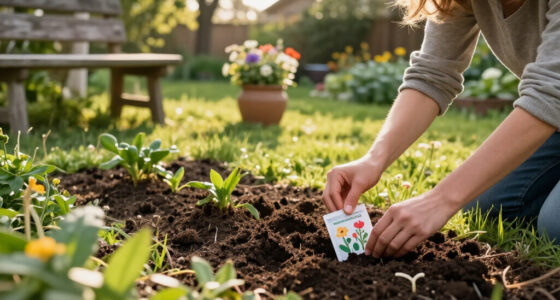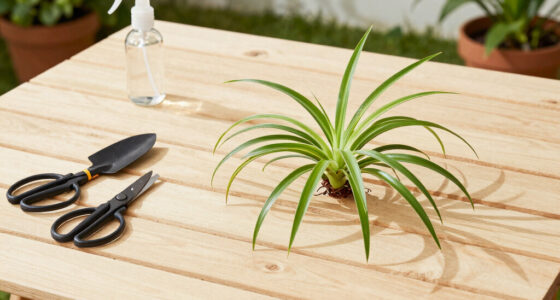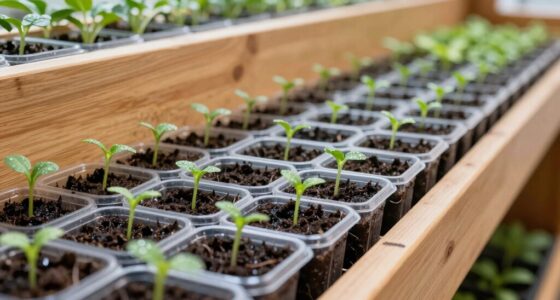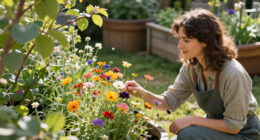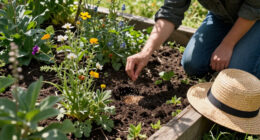
You should directly sow seeds when soil temperatures are warm enough for germination and the weather is stable, especially for cool-season vegetables like carrots, radishes, and peas. It’s best to do this early in the season when frost risk is minimal and soil is ready. Warm-season crops like tomatoes and peppers usually benefit from starting indoors. Keep in mind that understanding your local climate helps determine the perfect timing — there’s more to discover if you keep exploring.
Listen free for 30 days with Audible
Thousands of audiobooks and originals — cancel anytime.
As an affiliate, we earn on qualifying purchases.
Key Takeaways
- Direct sow cool-season vegetables like carrots and radishes early in spring when soil warms and frost risk is low.
- Avoid direct sowing warm-season crops like tomatoes and peppers; start these indoors instead.
- Wait until soil temperatures reach the optimal range for seed germination, typically above 50°F (10°C).
- Sow directly when soil is consistently moist and free of cold or frosty conditions.
- Use direct sowing for crops that naturally mature in cooler weather or have strong soil establishment.
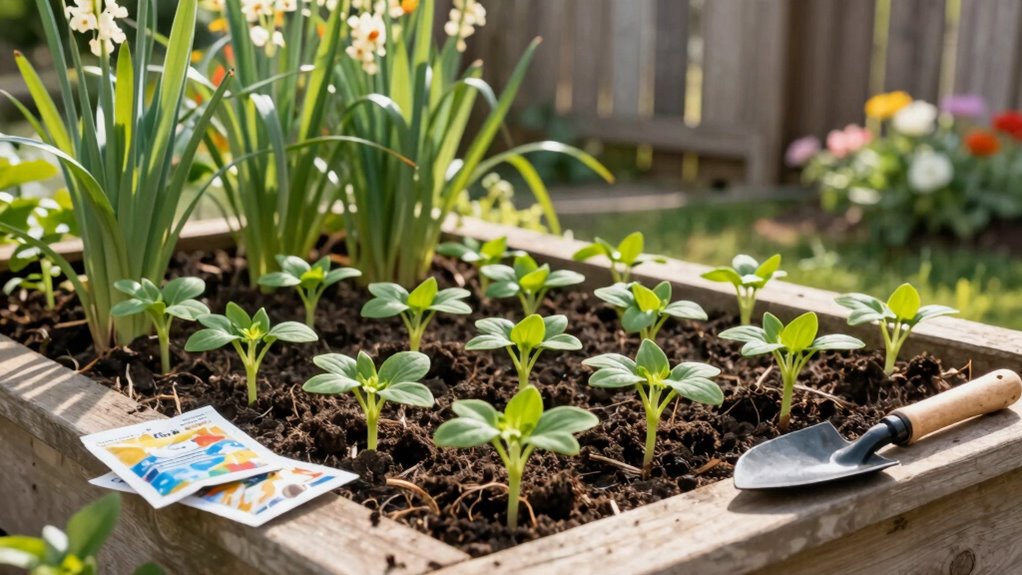
Knowing when to direct sow your seeds instead of starting them indoors can save you time and effort in your gardening process. This decision hinges on understanding the conditions that promote successful seed germination right in your garden bed. When you choose to sow seeds directly into the soil, you skip the transplant stage, which can sometimes stress young plants and lead to weaker growth. To make this work, you’ll need to pay close attention to soil preparation, ensuring your garden bed provides the right environment for seed germination.
First, consider the timing. Many cool-season vegetables, like carrots, radishes, and peas, thrive when sown directly into the ground early in the season, as soon as the soil warms up enough and there’s no risk of frost. Conversely, warm-season crops like tomatoes and peppers usually benefit from starting indoors, where you can control the environment and extend the growing season. Knowing your local climate and planting calendar is key to making the right call. Understanding soil temperature can help you optimize your direct sowing schedule for better germination success.
Next, evaluate your soil conditions. Well-prepared soil plays an essential role in successful direct sowing. You want loose, well-draining soil that’s rich in organic matter. Before planting, loosen the soil with a garden fork or tiller, and mix in compost or organic amendments. Proper soil preparation helps improve seed-to-soil contact, which is critical for seed germination. When the soil is adequately prepared, seeds can absorb moisture more efficiently, leading to quicker and more uniform germination. Additionally, understanding the importance of soil health can help you create optimal conditions for successful germination. Maintaining good soil structure is also vital for promoting healthy root development in young seedlings. A balanced soil pH is equally important, as it influences nutrient availability and overall plant health. Consistent moisture levels during germination are crucial, so setting up irrigation or mulching techniques can help maintain ideal moisture and temperature conditions, preventing seeds from drying out or becoming waterlogged.
As an affiliate, we earn on qualifying purchases.
Frequently Asked Questions
How Do I Know if My Soil Is Suitable for Direct Sowing?
To know if your soil is suitable for direct sowing, start with soil testing to check its nutrient balance and pH levels. Healthy soil should be well-draining, rich in organic matter, and have a balanced nutrient profile. If your soil tests indicate deficiencies or imbalances, amend it accordingly before planting. Proper soil conditions guarantee your seeds will germinate and grow strong, making direct sowing successful.
What Are the Best Times of Year for Direct Sowing?
Like planting the seeds of a new chapter, timing is everything for direct sowing. Early spring and late summer are ideal, when soil warms and weather stabilizes. Guarantee proper seed spacing for healthy growth, and use mulching techniques to retain moisture and suppress weeds. These periods give your plants a fighting chance, mimicking nature’s own rhythm, so your garden can flourish with minimal fuss.
Can All Vegetables Be Directly Sown Outdoors?
Not all vegetables can be directly sown outdoors. Hardy crops like carrots and radishes handle outdoor planting well, while tender plants like tomatoes and peppers need starting indoors for better seed germination and protection from weather. You can augment your success by using companion planting, which helps improve growth and pest control. Understanding each vegetable’s specific needs ensures you choose the right method, whether direct sowing or starting indoors.
How Do Weather Conditions Affect Direct Sowing Success?
Weather conditions are like a delicate dance, impacting your success when direct sowing. If it’s too cold or wet, seeds struggle to germinate, and poor seedbed preparation can lead to washouts or mold. Hot, dry weather can hinder growth and attract pests, making pest management crucial. To boost success, wait for ideal conditions, and guarantee your soil is well-prepared, moist, and protected from pests.
What Tools Are Recommended for Planting Seeds Directly in the Ground?
You should use tools like a garden trowel, hand auger, or dibber for planting seeds directly in the ground. These help you create proper seed spacing and guarantee consistent depth. Before planting, prepare the soil by loosening it and removing weeds. Use a rake to level the surface, making it easier to plant seeds evenly. Proper tools and soil prep set your seeds up for healthy growth.
As an affiliate, we earn on qualifying purchases.
Conclusion
Knowing when to direct sow instead of starting indoors is like reading the weather before a storm—you avoid unnecessary struggle and set the stage for success. Trust your garden’s natural rhythm, and let the seeds meet the earth at just the right moment. When conditions align, you’re opening a door to resilience and hearty growth, letting your plants dance freely in their element. Embrace this timing, and watch your garden flourish like a well-tuned symphony.
As an affiliate, we earn on qualifying purchases.
As an affiliate, we earn on qualifying purchases.
NFL season / tailgating Picks
team gear
As an affiliate, we earn on qualifying purchases.