TL;DR

Get garden gear delivered free with Prime
- Fast, free delivery on millions of items
- Prime Video, Amazon Music and more included
- Member-only deals all year
A Gardening Know How report recommends bringing coleus indoors as nighttime temperatures approach 50°F (10°C), before frost damages the plants. It also advises checking for pests, easing plants into indoor light and taking cuttings as a compact backup for next year.
A Gardening Know How report advises bringing coleus indoors when nighttime temperatures begin to fall below 50°F (10°C), rather than waiting for frost, and taking cuttings to preserve plants for next year. The guidance matters to gardeners who want to keep coleus’s colorful foliage through winter, since the report says cold can quickly damage its stems.
The report describes coleus as a tropical perennial commonly grown as a warm-season annual in outdoor beds and containers. It recommends moving plants while they are still vigorous in early fall. Waiting until frost appears risks damage, while an earlier move gives the plant and any cuttings more time to adjust to indoor conditions.
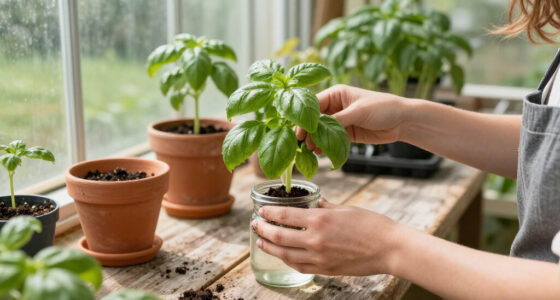
Gardeners can bring a whole potted plant inside for winter color and take small stem cuttings as a space-saving backup. Before moving a plant indoors, inspect leaf undersides, stem joints and leaf axils for aphids, mealybugs and spider mites. The report suggests rinsing or wiping foliage and using a mild insecticidal soap or neem product as directed on its label. Follow product instructions and use any required protective equipment.
To reduce stress, the report recommends placing the plant in a bright, sheltered spot for a few days before moving it indoors, then setting it near a bright window. It also advises removing damaged or leggy growth and using fast-draining potting mix. These are practical recommendations from the report, not a guarantee that every plant will thrive indoors; light, temperature and the plant’s condition will affect results.
Keeping Color Through Winter
Moving coleus indoors offers gardeners a way to retain a plant they might otherwise treat as a one-season display. Keeping the original plant can provide living foliage during winter, while cuttings can create additional plants without requiring several large pots or much windowsill space. That makes the approach useful for people who want to preserve a favored variety or reduce the need to buy replacements next spring.
The timing is central to the advice. The report identifies night temperatures below 50°F (10°C) as a signal to prepare for the move, and warns against waiting for frost. Gardeners in colder areas may need to act sooner than those in milder climates. The guidance does not specify a single calendar date because local temperatures differ.
As an affiliate, we earn on qualifying purchases.
A Warm-Weather Plant Faces Fall
Coleus is prized for foliage in colors and patterns that can include chartreuse, plum, pink and chocolate tones. Although often grown outdoors for summer displays, the report says it is a tropical perennial and can be kept indoors in suitable conditions. The seasonal challenge is that a patio plant must adapt to a home’s different light, humidity and temperature.
The source recommends selecting an indoor location with bright light and moving the plant gradually rather than taking it directly from strong outdoor sun to a windowsill. It also suggests choosing the container style to suit the plant’s growth: upright varieties can be displayed in floor or tabletop pots, while trailing forms may suit hanging or elevated planters. Those styling examples are secondary to the main care steps: bring plants in before cold damage, inspect for pests and allow time to acclimate.
As an affiliate, we earn on qualifying purchases.
Indoor Results Depend on Conditions
The report provides general seasonal care advice, but it does not establish how well each coleus variety will perform in a particular home. Indoor light, room temperature and humidity vary, and the supplied material gives no comparative trial data or survival rates. It also does not give a complete step-by-step account of cutting preparation, rooting time or aftercare, so readers should not infer a guaranteed propagation outcome from the headline alone.
The 50°F (10°C) threshold is presented as a practical cue in the report, not as a precise frost forecast for every location. Local conditions can change quickly, and the source does not provide region-specific dates. Pests may also remain a concern after a plant is moved indoors; inspection and treatment may need to continue, following product labels.
As an affiliate, we earn on qualifying purchases.
Prepare Plants Before Cold Nights
As fall temperatures drop, gardeners can monitor overnight forecasts and begin inspecting coleus before the threshold identified in the report. Healthy plants can be moved gradually to a bright indoor position, while gardeners can take cuttings if they want a smaller backup. Remove damaged growth and use clean tools to limit avoidable stress.
After the move, watch the plant for signs that it is struggling, including leaf loss or pest activity, and adjust its placement and care as conditions require. The report does not set a specific follow-up schedule or promise that plants will be ready for outdoor planting on a certain spring date. The next steps depend on how each coleus responds indoors and when local weather becomes suitable for moving plants back outside.
As an affiliate, we earn on qualifying purchases.
Key Questions
When should I bring coleus indoors?
The Gardening Know How report recommends preparing to move coleus when nighttime temperatures dip below 50°F (10°C), before frost reaches the plant. The timing will vary by local weather.
Can I keep the whole plant and take cuttings?
Yes. The report suggests bringing a potted plant indoors for winter and taking cuttings as a smaller backup. It does not provide a guaranteed rooting timeline or success rate.
What should I check before moving coleus inside?
Inspect leaf undersides, stem joints and leaf axils for aphids, mealybugs and spider mites. Rinse or wipe the foliage, and use any insecticidal soap or neem product only according to its label, including required protective equipment.
Where should an indoor coleus be placed?
The report recommends a bright window and a gradual move indoors, with a few days in a bright, sheltered outdoor spot first. The best location will depend on the light and temperatures in the home.
Source: rss
Halloween Picks
halloween
As an affiliate, we earn on qualifying purchases.