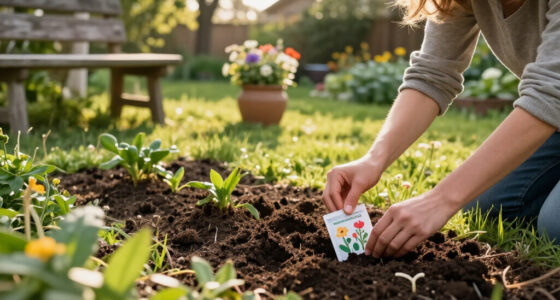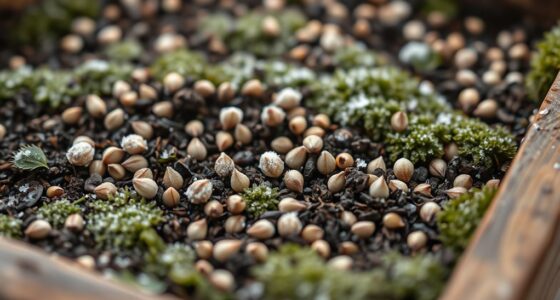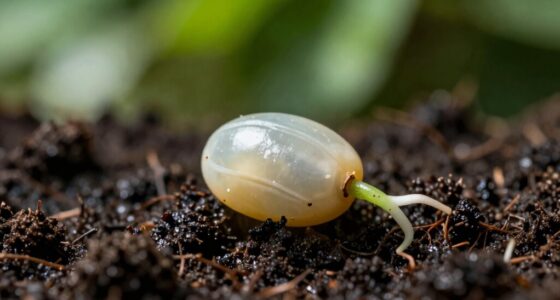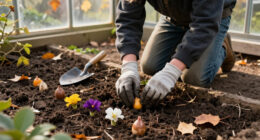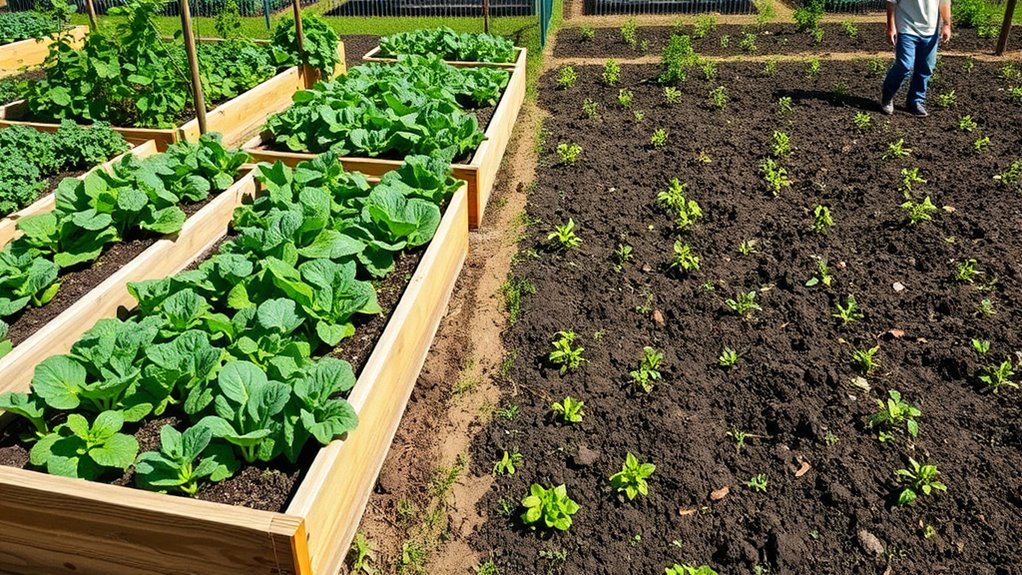
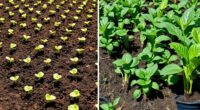
When establishing a garden, raised beds are quicker to set up since you just build frames and fill them with quality soil, making them ideal if your native soil is poor or compacted. In-ground planting requires prep work like tilling and amendments, which takes longer. Raised beds often drain better and dry faster, needing more frequent watering, while in-ground gardens hold moisture longer. To make the best choice and learn more, consider your soil conditions, watering needs, and effort you’re ready for.

Get garden gear delivered free — and shop member deals
- Fast, free delivery on millions of items
- Access to Prime Big Deal Days deals on October 6–7
- Prime Video, Amazon Music and more included
Key Takeaways
- Raised beds offer immediate control over soil quality, making establishment easier in poor native soils.
- In-ground gardens require soil preparation or amendments, which can be time-consuming initially.
- Construction of raised beds involves building frames and filling with soil, requiring more upfront effort.
- In-ground planting benefits from existing native soil, reducing setup time if soil conditions are adequate.
- Watering needs differ: raised beds may need more frequent watering during establishment; in-ground retains moisture longer.
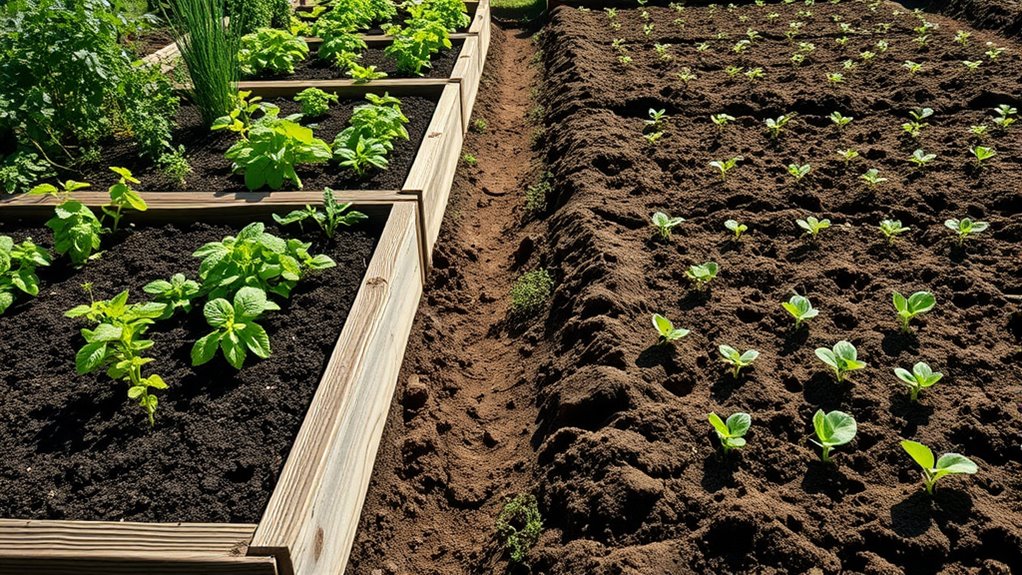
When deciding between raised beds and in-ground planting, understanding the advantages and limitations of each can help you make the best choice for your garden. Establishing a garden involves more than just placing plants in the soil; it’s about creating an environment where they can thrive. One of the key factors is soil health. Raised beds give you control over the soil composition, allowing you to fill them with high-quality, nutrient-rich soil. This means fewer issues with poor drainage or compacted soil, often common in in-ground gardens. You can tailor the soil mix to suit the specific needs of your plants, which promotes healthy root development and improves overall plant vigor. On the other hand, if your native soil is already fertile and well-draining, planting directly in the ground might be easier and more cost-effective. Additionally, understanding soil quality can help you determine the best approach for your specific situation.
Watering techniques are equally important during the establishment phase. Raised beds tend to dry out faster because of their elevated structure and better drainage, so you’ll need to be attentive during watering. Consistent moisture levels are vital when plants are establishing roots, and with raised beds, you might find yourself watering more frequently, especially in hot or windy weather. Using drip irrigation or soaker hoses can help maintain even moisture, preventing both drought stress and waterlogging. For in-ground gardens, watering can be more straightforward since the soil often retains moisture longer due to its larger volume and natural insulation. However, you still need to be mindful of overwatering, which can lead to root rot, or underwatering, which stunts growth.
The initial setup for a raised bed involves constructing the frame and filling it with soil, which can be labor-intensive but offers immediate control over soil conditions. In contrast, establishing in-ground beds requires preparing the existing soil, which might involve amendments or tilling, especially if the soil needs improvement. If you’re working with poor soil, raised beds give you a clean slate, but if your ground soil is decent, planting directly can save time and effort.
Ultimately, your choice depends on your soil quality, watering habits, and how much effort you want to invest upfront. Both options can lead to thriving gardens if you pay attention to soil health and watering techniques during establishment. Proper planning and understanding these fundamentals will set a solid foundation for your garden’s success.
As an affiliate, we earn on qualifying purchases.
Frequently Asked Questions
Which Method Conserves More Water During Droughts?
Raised beds conserve more water during droughts because they offer better water efficiency and drought resilience. You can easily control watering, reduce runoff, and deliver moisture directly to plant roots. This minimizes water waste and guarantees plants get what they need even when water is scarce. By choosing raised beds, you create a more resilient garden that uses water wisely and withstands drought conditions more effectively.
How Do Pest Control Strategies Differ Between Raised Beds and In-Ground Gardens?
Pest prevention plans prioritize protecting plants from pests and predators. Raised beds provide better predator access, making it easier to introduce beneficial insects and monitor pest habitat. In-ground gardens, however, can hide pests within soil, requiring more targeted tactics. You should focus on barrier methods, companion planting, and timely inspections. By understanding pest habits and habitat, you can implement smarter, strategic solutions tailored to each gardening style, ensuring healthier harvests.
What Are the Long-Term Maintenance Costs for Each Planting Method?
Your long-term maintenance costs depend on the initial investment and material durability. Raised beds may cost more upfront due to materials like wood or composite, but they often require less ongoing labor and repairs. In-ground gardens typically have lower initial costs, but you might spend more on soil amendments, weed control, and pest management over time. Ultimately, durable materials and regular upkeep influence the ongoing expenses of each method.
Can Both Methods Be Used Effectively in Small Urban Spaces?
Small spaces surely suit both raised beds and in-ground planting, making them marvelously manageable methods. Raised beds bring brilliant space efficiency, offering elevated ease and accessibility, while in-ground options promote urban compatibility with minimal setup. You can confidently cultivate crops in compact urban corners using either method, maximizing your mini garden’s potential. With careful planning, both planting styles can thrive, transforming tight urban terrains into lush, lively landscapes.
How Do Soil Amendments Impact Plant Health Differently in Each Setup?
Soil amendments impact plant health differently in raised beds and in-ground setups by influencing soil nutrient dynamics and amendment longevity. In raised beds, amendments break down faster due to better drainage and aeration, requiring more frequent replenishment. In-ground soil retains amendments longer, providing sustained nutrients. You’ll find that understanding these differences helps optimize plant growth, ensuring you adjust your amendment schedule to match each setup’s unique nutrient release and longevity.
drip irrigation for vegetable garden
As an affiliate, we earn on qualifying purchases.
As an affiliate, we earn on qualifying purchases.
Conclusion
Whether you choose raised beds or in-ground planting, picture your garden bursting with vibrant colors and lush greenery. Raised beds offer neat rows of soil, easy to tend, while in-ground beds blend seamlessly into your yard’s natural landscape. Whichever you pick, you’ll be nurturing life, watching seeds sprout and flowers bloom under the sun’s gentle warmth. Just imagine the satisfaction of harvesting fresh produce or admiring blooming blossoms—your garden becoming a personal haven of growth and beauty.
As an affiliate, we earn on qualifying purchases.
As an affiliate, we earn on qualifying purchases.
Fall yard work Picks
leaf blowers
As an affiliate, we earn on qualifying purchases.