TL;DR

Get garden gear delivered free with Prime
- Fast, free delivery on millions of items
- Prime Video, Amazon Music and more included
- Member-only deals all year
A Homes & Gardens report advises gardeners to protect tender plants before the first frost, starting with tropical houseplants and summer-outdoor houseplants. Expert advice cited in the report recommends bringing them inside when nighttime temperatures approach 50°F and using breathable frost cloth or similar covers for plants that must stay outdoors.
A Homes & Gardens report advises gardeners to move tender houseplants and tropical plants indoors before nighttime temperatures approach 50°F, ahead of the first fall frost. The guidance matters because some tropical plants can suffer cold damage well before temperatures reach freezing, while forecasts and frost dates vary by location.
The report puts houseplants that spent summer outdoors near the top of the protection list, alongside tender plants that can be brought inside for winter. Examples include pelargoniums, coleus, begonias, bromeliads, succulents, Boston ferns and pothos. Tropical houseplants may be harmed below 50°F, according to the report, so waiting for a frost warning could leave too little time to move them safely.
Michael Jesiolowski, Plant Clinic manager at The Morton Arboretum, recommends returning outdoor houseplants indoors a few weeks before a potential frost, with temperatures beginning to dip near 50°F serving as a practical signal. He also advises checking plants for insects and treating them with insecticidal soap or neem oil before bringing them inside. That pest check helps avoid carrying outdoor insects into the home.
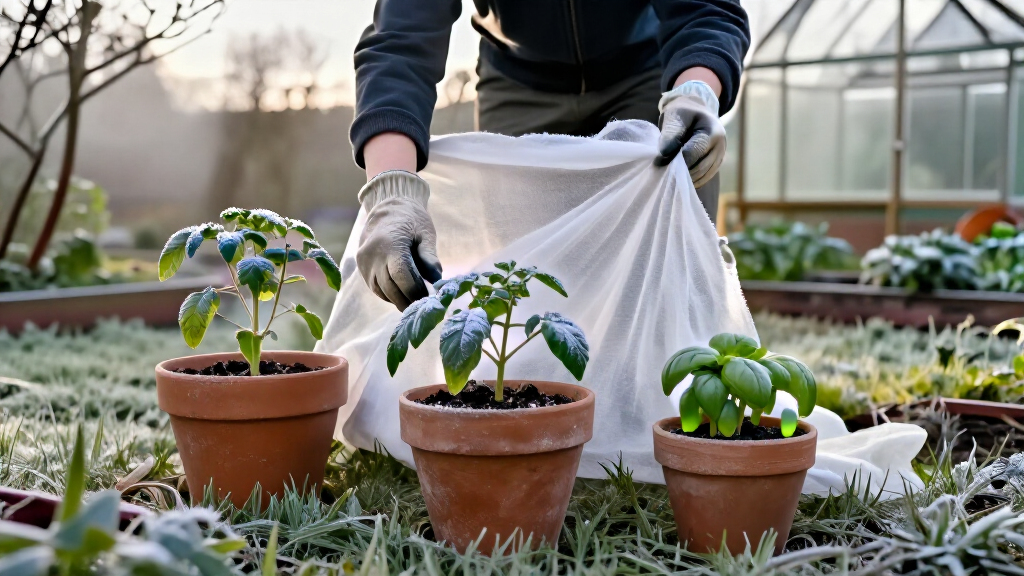
For plants that cannot be moved, the report recommends frost cloth, cloches or breathable fabric such as a bed sheet. Garden designer Mirela Bajic advises moving what can be moved, covering plants that must remain outdoors and prioritizing genuinely tender specimens if a frost arrives unexpectedly. Tropical outdoor plants cited include banana trees, tree ferns, aeonium, plumeria and bird of paradise.
Why the 50°F Threshold Matters
The guidance distinguishes cold-sensitive plants from those that can remain outdoors longer, giving gardeners a way to prioritize work before temperatures fall. Frost is not the only risk: tropical plants can experience cold stress at temperatures above freezing. That makes the forecasted overnight low—not simply the arrival of visible frost—relevant when deciding what to move first.
Preparation can also reduce the chance of hurried decisions during a sudden cold snap. Gardeners with limited indoor space can start with the most vulnerable plants, then use breathable covers for suitable outdoor specimens. These are general recommendations, not a guarantee that any specific plant will tolerate a particular temperature; cold tolerance can vary by species, cultivar, condition and local exposure.
frost protection covers for plants
As an affiliate, we earn on qualifying purchases.
As an affiliate, we earn on qualifying purchases.
Fall Frost Protection Priorities
The report says gardens in USDA zones 5–8 typically see their first frosty nights in October or early November. That is a general seasonal window rather than a date that applies to every garden: local climate, elevation and weather patterns affect when frost arrives. The report recommends preparing weeks ahead and watching local forecasts for earlier cold snaps.
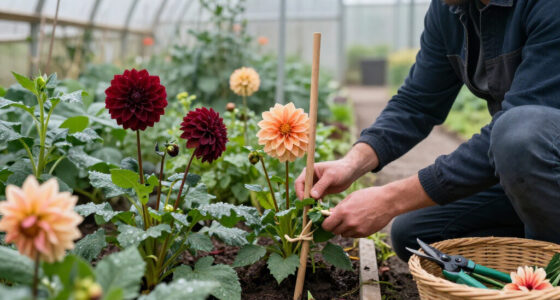
Some plants require a different schedule. The report lists dahlias, cannas, gladioli, elephant’s ear and caladium among plants that may be lifted and stored for winter, but says to wait until after the first frost before digging them up. That instruction differs from the advice for tender potted plants, which should be moved indoors before cold reaches damaging levels.
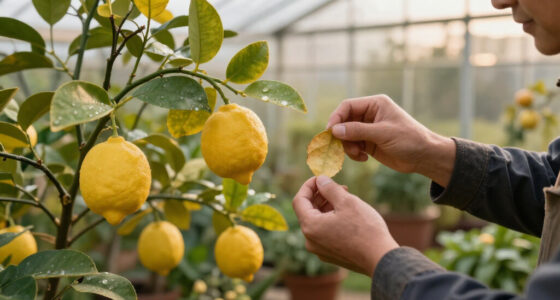
“If I only had ten minutes before a frost, tender plants come first. Pelargoniums, tender salvias, young citrus, a light frost can wreck these outright, not just knock a few leaves off.”
— Mirela Bajic, senior garden designer at House Designer
As an affiliate, we earn on qualifying purchases.
Local Frost Timing Still Varies
The report gives broad seasonal timing and temperature guidance, but it does not identify a specific region facing an imminent frost or provide a current local forecast. When frost will arrive depends on the garden’s location and conditions, so gardeners should check their local forecast rather than rely on the October-to-early-November window alone.
The source also does not give plant-by-plant temperature limits or specify how long particular covers protect plants in different conditions. The suggested 50°F cue applies to bringing tropical and other tender houseplants indoors; it is not a universal threshold for every species. Gardeners should follow care guidance for individual plants and avoid treating a cover as a guarantee against cold damage.
breathable frost cloth for outdoor plants
As an affiliate, we earn on qualifying purchases.
As an affiliate, we earn on qualifying purchases.
Check Forecasts and Move Plants
Gardeners can use the next forecasted cold nights to decide what to move and what to cover. Start by checking overnight lows, bringing tropical and tender container plants indoors as temperatures approach 50°F, and inspecting them for pests before they enter the home. Cover vulnerable plants that cannot be moved with frost cloth or another breathable material when frost is forecast.
Continue monitoring the forecast through the first cold spell. After that, follow the appropriate seasonal care for plants being lifted and stored, including waiting until after the first frost for the bulbs and tubers identified in the report. The source does not provide a fixed date for those tasks, so timing will depend on local weather and each plant’s needs.
As an affiliate, we earn on qualifying purchases.
Key Questions
Which plants should I protect first when frost is forecast?
Start with tropical and tender houseplants, including plants that spent summer outdoors and are sensitive to cold. The report names pelargoniums, coleus, begonias, bromeliads, Boston ferns and pothos among examples.
At what temperature should outdoor houseplants come inside?
Michael Jesiolowski recommends bringing them indoors when nighttime temperatures begin dipping near 50°F, ideally a few weeks before a potential frost. This is guidance for tender plants, not a universal limit for every species.
What can I use to cover plants that cannot be moved?
The report recommends frost cloth, cloches or breathable fabric, such as a bed sheet. Covers may help protect plants, but the source does not promise they will prevent damage in every frost or for every plant.
Should dahlias and cannas be dug up before the first frost?
The report says to wait until after the first frost before lifting dahlias, cannas and the other listed plants for winter storage. This timing differs from tender potted plants that should be moved indoors before cold arrives.
Source: rss
Halloween Picks
halloween
As an affiliate, we earn on qualifying purchases.