
TL;DR
A gardening article recommends growing tomatoes and other heat-sensitive vegetables under clear, unheated plastic shelters in regions with short or cool summers. The shelters can trap daytime warmth but require ventilation to prevent overheating and do not guarantee protection from frost.
Gardeners in short or cool summer regions can use small, unheated plastic shelters to capture daytime warmth for tomatoes and other heat-sensitive crops, according to gardening advice originally published in 2009. The method may help fruit mature sooner, but it does not guarantee frost protection and requires ventilation to prevent plants from overheating.

Get garden gear delivered free with Prime
- Fast, free delivery on millions of items
- Prime Video, Amazon Music and more included
- Member-only deals all year
The advice focuses on fruiting vegetables such as tomatoes and peppers, which need warmth as well as sunlight and fertile soil to mature. In the Quebec City area, a warm season can bring tomatoes as early as late July, depending on variety and growing conditions. When cool weather persists, harvest may be delayed until September, and some fruit may not ripen before the season ends.
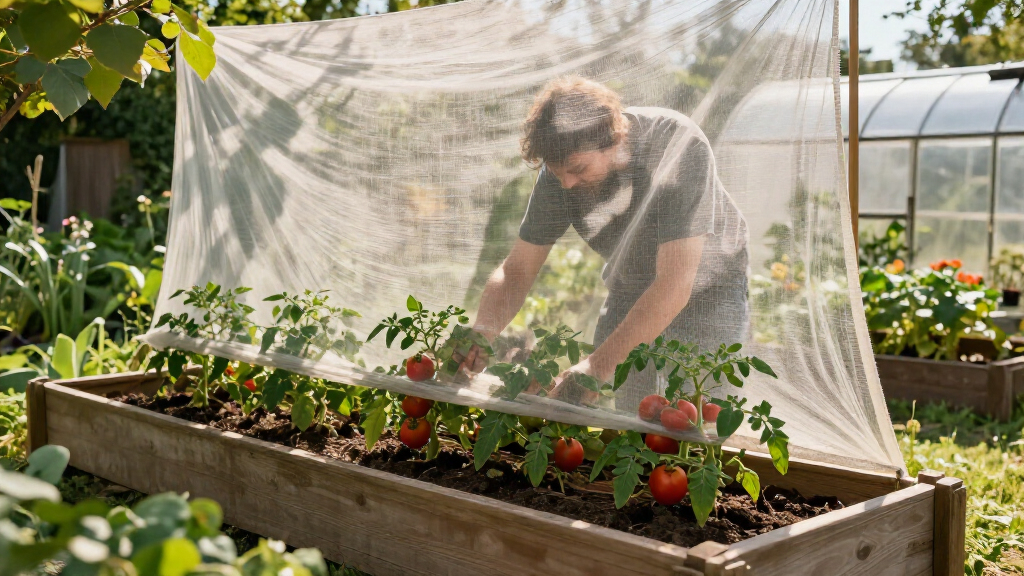
The proposed shelters are small structures covered with clear plastic. They collect solar heat during the day and can become substantially warmer than the air outside. They are not artificially heated, and the warmth does not necessarily last through the night. The article says gardeners in Quebec’s Saguenay–Lac-Saint-Jean region have used such structures to grow tomatoes, peppers and eggplants through short seasons.
Ventilation is central to using the shelter. Open a panel when the interior becomes too warm, then close it in the evening if cool conditions are expected. If nighttime temperatures remain above 15°C (59°F), the panel can stay open overnight, according to the advice. Daytime openings also allow pollinating insects to reach crops such as zucchini, cucumbers and melons; airflow and bumblebee visits can help tomatoes pollinate.
Should You Give Your Tomatoes Shelter This Summer?
Clear, unheated shelters can capture daytime warmth for tomatoes in short or cool summers. They need ventilation, and they do not guarantee frost protection.
What the shelter does
Clear plastic traps solar warmth during the day, creating a warmer space for heat-sensitive crops.
Help fruit mature
Earlier warming may give tomatoes and peppers more time to grow in a short season.
Uses the sun
The small shelters rely on solar warmth, which may escape overnight.
Shelter heat lovers
The advice also discusses eggplants, zucchini, cucumbers and melons.
Set up and manage the cover
Plant only when soil and air are warm enough and frost risk has passed.
Use securely fastened stakes and clear polyethylene, with an opening for ventilation.
The shelter can stand empty temporarily; wait for suitable planting conditions.
Open a panel when the inside gets too warm and during the day so pollinators can reach crops.
Close the panel when cool conditions are expected; it may stay open if nights remain above 15°C (59°F).
What it can and cannot do
The article describes a gardening technique, not measured trial results.
- Capture daytime warmth
- Give late-ripening fruit more growing time
- Protection from frost
- That every crop will ripen
A Warmer Microclimate, With Limits
For gardeners whose outdoor crops regularly ripen late, a plastic shelter offers a way to use daytime solar warmth without installing artificial heat. Earlier warming may give heat-loving crops more time to grow and mature during a short season. The approach is also presented as a practical adjustment for seasons marked by delayed planting, persistent rain or early autumn frosts.
But the shelter is not a substitute for frost protection or attentive care. Heat can build to damaging levels on sunny days, while warmth can escape overnight. Gardeners considering the approach need to balance heat retention with ventilation, and should not assume that covering plants alone will make every crop ripen or prevent cold-weather damage.
Products Worth Considering

Husqvarna 120 Mark III 16-Inch Gas Chainsaw, 38 cc

Rachio 3 Smart Sprinkler Controller, 16-Zone

Husqvarna 110iL FLXi Cordless Grass Trimmer and Edger with 4 Ah Battery and Charger
As an affiliate, we earn on qualifying purchases.
Why Cool Seasons Delay Tomatoes
The advice was written by Larry Hodgson and first published in Le Soleil on November 10, 2009. It describes a familiar challenge in cool-climate gardening: a cold spring can delay planting, summer weather may remain cool, and early frost can end the growing season before late fruit ripens. The article suggests borrowing the shelter approach used by gardeners farther north.
Tomatoes and peppers are not the only crops discussed. Zucchini and cucumbers can also struggle in cool conditions, while eggplants and melons need even more warmth, according to the article. The proposed structures can be set up in spring once the ground is accessible. They may be left empty temporarily to warm the soil, but planting should wait until soil and air temperatures are suitable and the frost risk has passed.
A basic structure can be made with wooden stakes and polyethylene sheeting, fastened securely with an opening for ventilation; ready-made models are also available. No construction dimensions, temperature limits for daytime ventilation or comparative yield results are provided.
How Much Protection Can It Provide?
The article does not give measured temperature increases, yield comparisons or specific ventilation thresholds for hot days. Its examples describe a gardening technique rather than results from a controlled trial. The actual benefit will depend on local weather, crop variety, shelter design and day-to-day management.
It also does not establish that the shelter can keep plants safe during frost. The guidance explicitly says heat escapes overnight and the structures do not guarantee frost protection. Gardeners will need to judge local conditions and protect plants separately if frost threatens.
Preparing Shelters for Planting
Gardeners who want to try the approach can erect a securely fastened shelter after the ground is accessible in spring, with a panel or other opening for ventilation. The structure can warm the soil before planting, but crops should go in only when soil and air temperatures are warm enough and the risk of frost has passed.
After planting, the immediate task is to monitor conditions inside the shelter. Ventilate it when temperatures climb, allow pollinators access during the day, and close it in the evening when cool weather is forecast. The article offers no new trial or follow-up findings; the next steps depend on local weather and how each gardener manages the cover.
Key Questions
Do tomato shelters need a heater?
No. The small shelters described are unheated and rely on clear plastic to capture solar warmth during the day.
Will a plastic shelter protect tomatoes from frost?
Not reliably. The article says heat escapes at night and that these structures do not guarantee frost protection.
When should the shelter be opened?
Open it when the interior gets too warm and during the day to admit pollinating insects. The advice says it may remain open overnight if temperatures stay above 15°C (59°F).
When can plants go into the shelter?
Set up the structure in spring once the ground is accessible. Plant only after soil and air temperatures are warm enough and the risk of frost has passed.
Source: laidbackgardener.blog