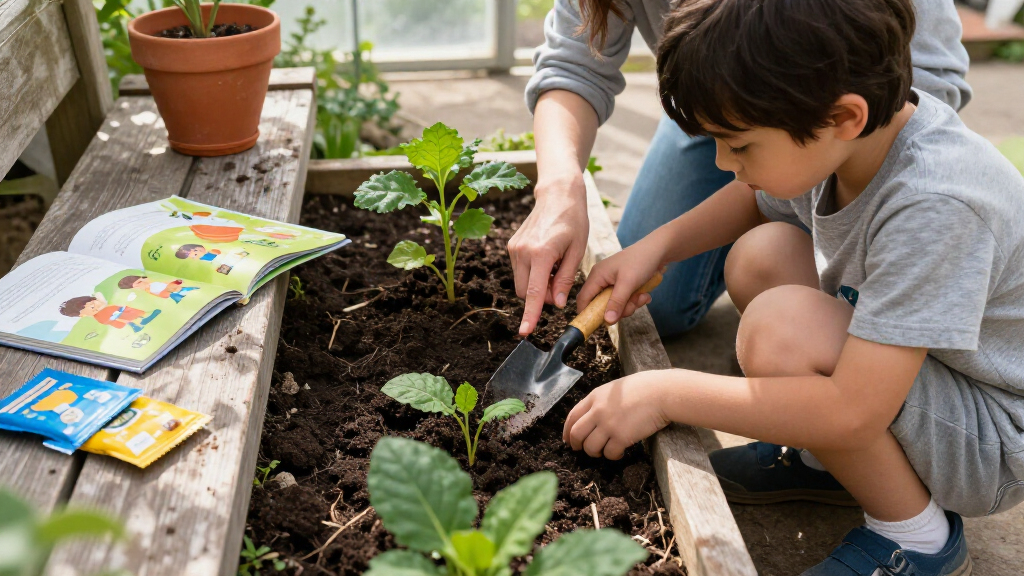
The best gardening books for kids make plants understandable while giving young readers a reason to get outside and try growing something. I rank How to Garden for Kids: Gardening for Every Kid as the best overall choice for its practical, kid-focused approach; Up in the Garden and Down in the Dirt stands out for linking garden life above and below the soil, while My First Book of Growing Food is aimed at very young children. The main tradeoff is between books that teach hands-on growing and those that build curiosity through stories or plant facts. Age, reading style, and whether a child has access to a garden can change which book fits best. Read on for the full breakdown and advice on choosing the right kind of gardening book.

Get garden gear delivered free with Prime
- Fast, free delivery on millions of items
- Prime Video, Amazon Music and more included
- Member-only deals all year
Complete the kit


Key Takeaways
- How to Garden for Kids takes the overall lead because it is the most directly practical pick; story-led titles are better for shared reading than step-by-step growing.
- Up in the Garden and Down in the Dirt and We Are the Gardeners make garden activity feel like a story, while reference titles focus more on plant knowledge.
- My First Book of Growing Food targets toddlers, so its audience is narrower than books that can suit a wider range of early readers.
- The Secret World of Plants and Trees, Leaves, Flowers & Seeds are better matches for curious browsers than children seeking a simple first planting project.
- The list spans practical guides, picture books, and reference books; the best choice depends on whether a child wants to grow, listen, or explore plant facts.
| From Seed to Plant |  | Best for Learning the Growing Cycle | Format: Book | Subject: Growing plants from seeds | Coverage: Planting, nurturing, and harvesting | VIEW LATEST PRICE | See Our Full Breakdown |
| How to Garden for Kids: Gardening for Every Kid |  | Best for Flexible Family Gardening | Format: Book | Subject: Gardening for children | Activities: Practical gardening tips and activities | VIEW LATEST PRICE | See Our Full Breakdown |
| Up in the Garden and Down in the Dirt: Nature Book for Kids, Gardening and Vegetable Planting |  | Best Illustrated Nature Read | Format: Children’s book | Subjects: Nature, gardening, and vegetable planting | Text: Simple | VIEW LATEST PRICE | See Our Full Breakdown |
| We Are the Gardeners |  | Best for Gardening Together | Format: Children’s book | Subject: Gardening | Reader focus: Young readers | VIEW LATEST PRICE | See Our Full Breakdown |
| Hello, World! Garden Time: A Book of Plants and Gardening for Kids |  | Best for a First Introduction | Format: Children’s book | Subject: Plants and gardening | Explanations: Simple | VIEW LATEST PRICE | See Our Full Breakdown |
| The Secret World of Plants: Tales of More Than 100 Remarkable Flowers, Trees, and Seeds |  | Best for Curious Plant Explorers | Subject: Flowers, trees, and seeds | Plant coverage: More than 100 remarkable plants | Format details: Detailed illustrations | VIEW LATEST PRICE | See Our Full Breakdown |
| My First Book of Growing Food: Grow Herbs and Veggies with this Eco-Friendly Book for Toddlers | 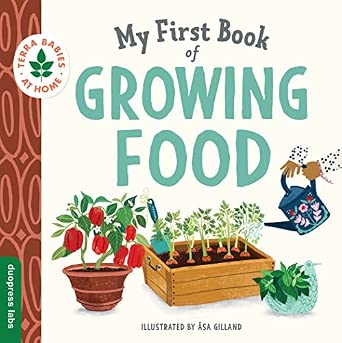 | Best for Toddler Gardeners | Intended age: Toddlers | Main subject: Growing herbs and vegetables | Instruction style: Simple instructions | VIEW LATEST PRICE | See Our Full Breakdown |
| Plant It! Grow It, Eat It: Storybook with Gardening Facts for Children |  | Best Board Book for Garden-to-Table Learning | Format: Large board book | Stated age range: 18 months to 6 years | Content type: Storybook with gardening facts | VIEW LATEST PRICE | See Our Full Breakdown |
| The Tiny Seed |  | Best for a Gentle Seed-to-Plant Story | Title: The Tiny Seed | ISBN/ASIN: 0689842449 | Description: Not provided | VIEW LATEST PRICE | See Our Full Breakdown |
| Let’s Get Gardening |  | Best for Broad Gardening Topics | Title: Let’s Get Gardening | Main subject: Gardening tips and techniques | Stated skill levels: Beginners and experienced gardeners | VIEW LATEST PRICE | See Our Full Breakdown |
| Trees, Leaves, Flowers & Seeds: A Visual Plant Encyclopedia for Kids | 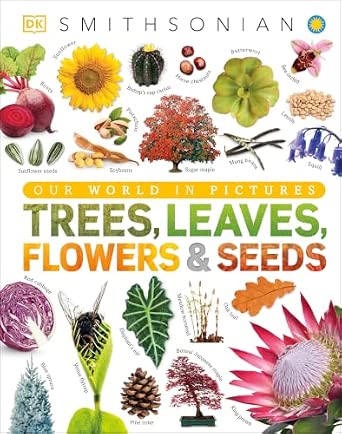 | Best for Plant Spotters | Format: Visual encyclopedia | Intended audience: Children | Topics: Trees, leaves, flowers, and seeds | VIEW LATEST PRICE | See Our Full Breakdown |
| Messy McFarlen’s Tomato Garden: A Fun New Picture Book About Gardening |  | Best Story-Led Introduction to Vegetable Gardening | Format: Picture book | Intended audience: Young readers | Story subject: Messy McFarlen’s tomato garden | VIEW LATEST PRICE | See Our Full Breakdown |
| gardening books for kid | Format |
|---|---|
| From Seed to Plant | Book |
| How to Garden for Kids: Garden | Book |
| Up in the Garden and Down in t | Children’s book |
| We Are the Gardeners | Children’s book |
| Hello | Children’s book |
| The Secret World of Plants: Ta | — |
| My First Book of Growing Food: | — |
| Plant It! Grow It | Large board book |
| The Tiny Seed | Not provided |
| Let’s Get Gardening | Not provided |
| Trees | Visual encyclopedia |
| Messy McFarlen’s Tomato Garden | Picture book |
More Details on Our Top Picks
From Seed to Plant
From Seed to Plant is the strongest fit here for children who want to understand how a plant develops, from sowing seeds through care and harvest. Its practical guidance gives families more to do than simply look at garden-themed pictures, while the broad coverage can support a child who is ready to follow a growing project over time. Compared with Hello, World! Garden Time, this is the more process-focused choice; Hello, World! is better suited to a gentle introduction to plant concepts. The tradeoff is that the supplied description notes few detailed illustrations or diagrams, which may make steps harder for young readers to picture on their own. It also offers limited guidance on advanced techniques, so experienced gardeners may want a more specialized reference.
Pros:- Covers planting, nurturing, and harvesting as parts of one growing cycle
- Includes practical seed-starting and plant-care tips
- Offers more how-to guidance than introductory choices such as Hello, World! Garden Time
Cons:- Lacks detailed illustrations or diagrams to clarify steps visually
- Provides limited information on advanced gardening techniques
Best for: Families and educators seeking practical seed-starting and plant-care guidance for children ready to follow a garden project
Not ideal for: Very young children who rely on detailed visual instructions, or experienced gardeners seeking advanced techniques
- Format:Book
- Subject:Growing plants from seeds
- Coverage:Planting, nurturing, and harvesting
- Guidance:Seed starting and plant care
- Intended readers:Gardeners and students interested in botany and horticulture
- Illustration detail:Description notes a lack of detailed illustrations or diagrams
- Advanced techniques:Limited coverage
Our verdict“Choose From Seed to Plant for a practical guide to following seeds through a full growing cycle, but look elsewhere if visual step-by-step help is a priority.”
How to Garden for Kids: Gardening for Every Kid
How to Garden for Kids earns a place for its broad, adaptable approach: the description presents gardening ideas for different spaces, seasons, and budgets, making it a practical match for households that cannot follow one fixed setup. That flexibility gives it a different role from From Seed to Plant, which is described as a more focused guide to the seed-to-harvest process. Here, the appeal is helping families and educators find ways to get children outdoors, not a clearly documented depth of instruction. The main tradeoff is the lack of specific detail about the book’s contents, so I can’t judge how fully it explains individual activities or techniques. Buyers seeking a defined project plan or substantial plant-care reference may prefer From Seed to Plant instead.
Pros:- Ideas are described as adaptable to different spaces
- Covers gardening across seasons and budgets
- Encourages outdoor activity and nature learning
- Presented as suitable for children of all ages
Cons:- Available description gives little detail about specific activities or topics
- Content depth is unclear, making it hard to judge its value as a step-by-step reference
Best for: Families or educators looking for adaptable gardening ideas that can work across different spaces, seasons, and budgets
Not ideal for: Buyers who need a clearly described, in-depth guide with specific projects and detailed gardening instruction
- Format:Book
- Subject:Gardening for children
- Activities:Practical gardening tips and activities
- Space suitability:Ideas described for any space
- Seasonal scope:Ideas described for any season
- Budget suitability:Ideas described for any budget
- Intended readers:Children of all ages, families, and educators
Our verdict“Pick this for flexible family gardening ideas, but choose From Seed to Plant if you want a more clearly outlined growing guide.”
Up in the Garden and Down in the Dirt: Nature Book for Kids, Gardening and Vegetable Planting
Up in the Garden and Down in the Dirt is the pick for children drawn to the living world around a garden as much as to planting vegetables. Its engaging illustrations and simple text make nature and vegetable gardening approachable, with an emphasis on observation and curiosity rather than detailed instructions. Compared with We Are the Gardeners, which centers on the joys and responsibilities of gardening and working together, this book is more explicitly described as a nature-and-planting read. That makes it a better fit for shared reading and starting conversations than for following a precise growing plan. The description gives little detail about specific activities or the depth of its planting guidance, so families who want a practical how-to may find From Seed to Plant a more useful companion.
Pros:- Uses engaging illustrations to support the nature theme
- Simple text suits shared reading with young children
- Connects garden and vegetable planting with learning about the natural world
- Encourages outdoor curiosity
Cons:- Description provides limited detail on specific gardening activities
- No age range is supplied in the product information
- Less clearly positioned as a step-by-step guide than From Seed to Plant
Best for: Adults choosing an illustrated read-aloud for children interested in nature, gardens, and growing vegetables
Not ideal for: Families seeking detailed planting instructions, a defined age recommendation, or a project-by-project gardening plan
- Format:Children’s book
- Subjects:Nature, gardening, and vegetable planting
- Text:Simple
- Illustrations:Engaging illustrations
- Learning focus:The natural world and gardening
- Activity emphasis:Outdoor learning
Our verdict“Choose this as an illustrated nature-centered introduction to gardening, not as your main source for detailed planting instructions.”
We Are the Gardeners
We Are the Gardeners puts the shared experience of growing a garden at the center, making it a natural choice for families who want a story that encourages teamwork and curiosity about nature. Its emphasis on responsibility gives gardening a social dimension: children can see the garden as something cared for together, rather than only a set of planting steps. Compared with Up in the Garden and Down in the Dirt, which is described through nature, vegetables, and illustrations, this book’s clearest distinction is its focus on cultivating a garden as a group. The tradeoff is practical detail: the description says it lacks detailed gardening instructions. Readers who want to learn how to start seeds or care for plants may get more usable guidance from From Seed to Plant.
Pros:- Introduces children to the joys and responsibilities of gardening
- Promotes teamwork in cultivating a garden
- Encourages curiosity about nature
- Supports outdoor activity and environmental awareness
Cons:- Does not provide detailed gardening instructions
- Its child-focused approach may have limited appeal to adults seeking a standalone reference
Best for: Families who want a child-friendly story about teamwork, responsibility, and shared garden projects
Not ideal for: Readers looking for specific planting directions or a gardening reference that adults can use for technical guidance
- Format:Children’s book
- Subject:Gardening
- Reader focus:Young readers
- Themes:Curiosity about nature and gardening responsibilities
- Group emphasis:Teamwork in cultivating a garden
- Activity emphasis:Outdoor activity
- Instruction detail:Description notes limited detailed gardening instructions
Our verdict“Choose We Are the Gardeners for a teamwork-centered gardening read, and pair it with From Seed to Plant if you also need practical growing guidance.”
Hello, World! Garden Time: A Book of Plants and Gardening for Kids
Hello, World! Garden Time is the most clearly introductory pick in this group: simple explanations and engaging illustrations introduce children to plants and basic gardening ideas without asking them to take on a detailed growing project. That makes it a gentler starting point than From Seed to Plant, whose described coverage runs from planting through nurturing and harvest. For a child just building curiosity about plants, this lighter approach can be an advantage; for a child ready to grow and care for something independently, its introductory scope may feel limiting. The description also flags that older children interested in advanced gardening may not find enough depth. Choose it for an accessible first read, then move to a more practical guide as interest grows.
Pros:- Introduces plants and gardening concepts in simple terms
- Uses engaging illustrations to support early learning
- Encourages curiosity about plants and outdoor activity
- Offers a gentler entry point than the process-focused From Seed to Plant
Cons:- Content is introductory rather than in-depth
- May not satisfy older children interested in advanced gardening
Best for: Caregivers introducing young children to plants and basic gardening through simple explanations and illustrations
Not ideal for: Older children seeking advanced gardening knowledge or families wanting detailed instructions for a full growing project
- Format:Children’s book
- Subject:Plants and gardening
- Explanations:Simple
- Illustrations:Engaging illustrations
- Learning level:Introductory
- Activity emphasis:Outdoor activity and curiosity about plants
- Advanced gardening coverage:Limited
Our verdict“Choose Hello, World! Garden Time for an illustrated first introduction, but opt for From Seed to Plant when a child is ready for more practical detail.”
The Secret World of Plants: Tales of More Than 100 Remarkable Flowers, Trees, and Seeds
More than 100 plant stories give this book a broader botany focus than a hands-on gardening manual. It can help children notice the variety and oddities of flowers, trees, and seeds, making it a strong choice for readers whose curiosity extends beyond what to plant next. The detailed illustrations add visual interest, though the description does not say how much practical growing guidance the book provides. Compared with My First Book of Growing Food, which is aimed at toddlers learning about herbs and vegetables, this pick appears better suited to children ready for wider plant knowledge. Its tradeoff is that it may inspire questions about the garden without offering clear activities or step-by-step projects to answer them.
Pros:- Covers more than 100 flowers, trees, and seeds
- Detailed illustrations support visual exploration
- Offers a wider botany focus than books centered on growing food
- Can suit readers with varied levels of plant interest
Cons:- The description does not establish that it includes practical gardening instructions
- Age range and reading level are not specified
- No activity or project details are provided
Best for: Families with school-age children who enjoy plant facts, illustrated nature books, and exploring beyond edible gardening
Not ideal for: Caregivers seeking toddler-friendly instructions or a project-led guide for planting and caring for a garden
- Subject:Flowers, trees, and seeds
- Plant coverage:More than 100 remarkable plants
- Format details:Detailed illustrations
- Intended audience:Plant enthusiasts and curious readers
- Gardening instruction:Not specified
- Activities:Not specified
Our verdict“Choose this for a child who wants an illustrated tour of plant life, not a step-by-step guide to starting a garden.”
My First Book of Growing Food: Grow Herbs and Veggies with this Eco-Friendly Book for Toddlers
This is the clearest age-specific choice in the group: simple growing instructions introduce toddlers to herbs and vegetables, while colorful illustrations make the subject approachable before a child can follow a more detailed guide. The eco-friendly focus also gives caregivers a natural opening to talk about where food comes from. Compared with Plant It! Grow It, Eat It, this book is explicitly for toddlers and highlights growing food, while that board book is described for children up to age six and links gardening with healthy eating. The tradeoff is a narrow audience and limited information about its activities or materials. Older children who want more independent projects may outgrow its introductory approach quickly.
Pros:- Specifically designed to introduce toddlers to growing food
- Focuses on herbs and vegetables children can connect with meals
- Uses simple instructions and colorful illustrations
- Brings environmental awareness into an early gardening introduction
Cons:- The intended audience is limited mainly to very young children
- Specific activities and the extent of the instructions are not described
- Book materials and durability details are not provided
Best for: Caregivers introducing toddlers to growing herbs and vegetables through simple explanations and illustrations
Not ideal for: Families shopping for an older child who wants detailed garden projects, extended instructions, or independent reading material
- Intended age:Toddlers
- Main subject:Growing herbs and vegetables
- Instruction style:Simple instructions
- Illustrations:Colorful
- Additional theme:Environmental awareness
- Materials:Described as eco-friendly; specific materials not provided
Our verdict“Pick this as a gentle first gardening book for a toddler, but choose a broader guide for older children or hands-on projects.”
Plant It! Grow It, Eat It: Storybook with Gardening Facts for Children
Storytelling paired with gardening facts gives this large board book a useful middle ground: it can introduce young children to planting while connecting the garden with food they eat. Its stated age range, 18 months to 6 years, makes it a more flexible early-childhood pick than toddler-focused My First Book of Growing Food. The durable board-book format also suits shared reading with little hands. That format comes with a tradeoff: children looking for detailed instructions or projects may find the content too introductory, and the description mentions no interactive features. Compared with The Secret World of Plants, this is less about a wide range of plant stories and more about an accessible gardening-and-food connection.
Pros:- Combines a story with gardening facts
- Connects growing plants to healthy eating
- Large board-book format is suited to young readers
- Described for a broad early-childhood age range
Cons:- Content may be too simple for children beyond the stated age range
- No interactive features are described
- The description does not specify detailed planting activities
Best for: Families with toddlers or preschoolers who want a sturdy read-aloud linking gardening basics with healthy eating
Not ideal for: Older children who need substantial growing instructions, independent projects, or a reference book to revisit
- Format:Large board book
- Stated age range:18 months to 6 years
- Content type:Storybook with gardening facts
- Topics:Gardening and healthy eating
- Interactive features:None described
- Gift occasion:Suggested as an Earth Day gift
Our verdict“Choose this for sturdy, shared reading that connects gardening and food for young children rather than for in-depth garden lessons.”
The Tiny Seed
The Tiny Seed has a familiar, concise title that points toward a seed-centered story, making it a possible choice for families who want gardening themes introduced through picture-book storytelling rather than instructions. Compared with Plant It! Grow It, Eat It, whose supplied description explicitly promises gardening facts and a connection to healthy eating, this listing provides no details about plot, age range, illustrations, or gardening content. That uncertainty is the main tradeoff: I can’t judge how directly it teaches planting or whether it fits a particular reader. Buyers seeking clear growing guidance may be better served by My First Book of Growing Food, which is described as offering simple instructions. This pick makes most sense when the title itself matches the kind of seed story a family wants.
Pros:- Seed-focused title may appeal to children interested in how plants begin
- Could offer a story-based introduction alongside practical gardening titles
- Provides a distinct alternative to fact-and-instruction-led books in this roundup
Cons:- No description is supplied to verify its gardening content
- Age range, format, and illustration details are not provided
- Practical activities and growing instructions are not established
Best for: Adults seeking a seed-themed children’s book and willing to check the edition or listing details before choosing
Not ideal for: Buyers who need verified gardening instructions, a confirmed age range, or specific format and content details
- Title:The Tiny Seed
- ISBN/ASIN:0689842449
- Description:Not provided
- Age range:Not provided
- Format:Not provided
- Gardening activities:Not provided
Our verdict“Consider it for a seed-themed story, but verify the edition and contents if you need a dependable gardening lesson.”
Let’s Get Gardening
Broad gardening tips and techniques set this title apart from the picture books and early-childhood introductions in the lineup. The supplied description presents it as suitable for beginners and experienced gardeners, so it may appeal to families looking for a general guide to share rather than a narrowly focused story about seeds or growing food. Compared with Plant It! Grow It, Eat It, which is explicitly aimed at young children and uses a story-and-facts format, this sounds more like a practical reference. The key limitation is that its child suitability is not established: no age range, specific methods, or examples are provided. I would choose it only when broad gardening advice matters more than a clearly verified kid-focused format.
Pros:- Described as covering a broad range of gardening tips and techniques
- May suit readers at different levels of gardening experience
- Offers a practical contrast to story-led books such as Plant It! Grow It, Eat It
Cons:- The supplied information does not confirm a children’s audience or age range
- Specific gardening methods and examples are not identified
- No activity, illustration, or format details are provided
Best for: Families with an older child who wants a general gardening reference to explore alongside an adult
Not ideal for: Caregivers seeking a clearly age-targeted children’s book, read-aloud story, or confirmed child-friendly projects
- Title:Let’s Get Gardening
- Main subject:Gardening tips and techniques
- Stated skill levels:Beginners and experienced gardeners
- Specific methods:Not specified
- Intended age range:Not provided
- Format:Not provided
Our verdict“Choose this for broad gardening guidance to share with an older child, not as a verified young-reader story or activity book.”
Trees, Leaves, Flowers & Seeds: A Visual Plant Encyclopedia for Kids
Visual plant variety is the main reason I’d pick this encyclopedia: colorful images and simple explanations introduce children to trees, leaves, flowers, and seeds without asking them to follow a gardening project from start to finish. Compared with From Seed to Plant, which centers on how plants grow, this title suits children who want to recognize and explore different kinds of plant life. That breadth can help turn garden walks into chances to notice details, though the description promises an introduction rather than practical planting instructions. The tradeoff is depth: older children seeking detailed science may find the explanations too basic, and no age range is specified. I’d choose it for visual discovery, not as a stand-alone guide to growing vegetables.
Pros:- Colorful images give young readers visual cues for noticing different plants.
- Covers trees, leaves, flowers, and seeds rather than focusing on a single garden crop.
- Simple explanations make plant topics more approachable for children.
- Can prompt observation and conversation during nature walks or time outdoors.
Cons:- The explanations may be too basic for older children or readers seeking scientific detail.
- The description does not specify an age range, making age fit harder to judge.
- It introduces plant diversity but is not described as a hands-on gardening instruction book.
Best for: Families with younger readers who enjoy looking closely at plants and want a picture-led introduction to plant diversity.
Not ideal for: Older children looking for detailed botany or step-by-step instructions for planting and caring for a garden.
- Format:Visual encyclopedia
- Intended audience:Children
- Topics:Trees, leaves, flowers, and seeds
- Presentation:Colorful images with simple explanations
- Subject focus:Plant diversity and biology
- Age range:Not specified
Our verdict“Choose this for a visual introduction to plant variety, but pick From Seed to Plant if your child wants to follow plant growth more closely.”
Messy McFarlen’s Tomato Garden: A Fun New Picture Book About Gardening
For a young child who responds better to a character and a plot than to an encyclopedia, Messy McFarlen’s Tomato Garden offers a story-based entry point to gardening. Its tomato-garden premise connects planting and caring for vegetables with a picture-book experience, while Trees, Leaves, Flowers & Seeds takes a broader, fact-led route through plant types. That makes this a more focused choice for introducing a single garden crop, but the description doesn’t indicate how much practical detail the story provides. Readers who want a wider look at plant life or more developed science may get more from The Secret World of Plants. I’d reserve this pick for younger listeners and early readers; its narrow tomato focus and unspecified detail may leave older children wanting a fuller guide.
Pros:- Uses a character-driven picture-book story to introduce gardening.
- Focuses on planting and caring for vegetables through a tomato garden.
- Story format may engage young readers who are less drawn to nonfiction explanations.
- Connects the subject to a recognizable garden crop.
Cons:- The tomato-centered subject offers less plant variety than Trees, Leaves, Flowers & Seeds.
- The description does not provide detail about the depth of the gardening guidance.
- The story and subject may be too limited for older children seeking a more developed resource.
Best for: Parents and caregivers seeking a story-led first gardening book for young children curious about planting vegetables.
Not ideal for: Older children or families seeking detailed growing instructions, broad plant coverage, or a reference book they can consult while gardening.
- Format:Picture book
- Intended audience:Young readers
- Story subject:Messy McFarlen’s tomato garden
- Gardening topics:Planting and caring for vegetables
- Presentation:Story-based and engaging
- Age range:Not specified
Our verdict“Pick this for a young child who prefers a tomato-garden story, and choose a broader plant book for more varied facts or guidance.”
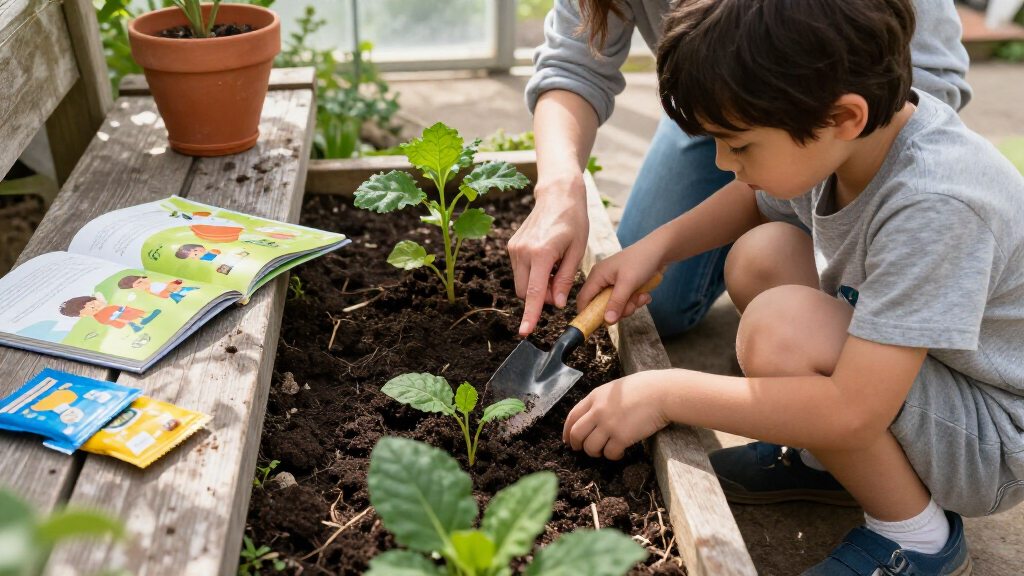
How We Picked
I ranked these books by how well they serve a child interested in gardening, not simply by how many plant facts they contain. The main criteria were age fit, clarity, and usefulness: whether the format suits young readers, whether gardening ideas are easy to follow, and whether the book offers an inviting path from reading to noticing or growing plants. I also weighed versatility, including whether a book can work as a read-aloud, a practical guide, or a reference to revisit.
The ranking gives more weight to books that connect clear gardening ideas with a child-friendly experience, which is why the practical How to Garden for Kids leads. Storybooks and toddler titles can be better for particular ages or reading moments, but they are less broadly useful as how-to guides. Plant encyclopedias and nature-focused books earn a place for curiosity and discovery, while their more reference-led approach makes them less direct choices for a first growing project. Each has a tradeoff: I would choose by the child’s age, attention, and access to a place to grow.
| gardening books for kid | Format |
|---|---|
| From Seed to Plant | Book |
| How to Garden for Kids: Garden | Book |
| Up in the Garden and Down in t | Children’s book |
| We Are the Gardeners | Children’s book |
| Hello | Children’s book |
| The Secret World of Plants: Ta | — |
| My First Book of Growing Food: | — |
| Plant It! Grow It | Large board book |
| The Tiny Seed | Not provided |
| Let’s Get Gardening | Not provided |
| Trees | Visual encyclopedia |
| Messy McFarlen’s Tomato Garden | Picture book |
Factors to Consider When Choosing Best Gardening Books For Kids
Before choosing a title, match the book to what the child will actually do with it: follow a planting activity, share a story, or browse pictures and facts. These distinctions matter more than a broad label like “gardening book.”
Match the book to the child’s age and reading style
Age labels are only a starting point; a child’s patience, reading confidence, and interest in instructions matter just as much. Toddlers often respond best to short, visual books that invite naming and pointing, while older children may enjoy steps, diagrams, and longer explanations. A reference book can suit a child who likes to browse, but frustrate one who wants a story from beginning to end. Think about whether an adult will read along or the child will explore independently. A common mistake is buying an advanced guide because the subject sounds educational, even when its format is a poor fit. Choose a book the child can use in their preferred way, rather than one that simply covers the most information.
Decide whether the goal is growing or learning about plants
Some books are meant to help a child take part in planting and caring for food or flowers; others focus on plant life, observation, or stories set in gardens. If the goal is a first project, look for clear actions and manageable steps rather than a broad collection of facts. For a child who is curious about how plants work, a nature or reference title may hold attention longer than a project guide. These purposes can overlap, but they are not interchangeable. A frequent buying misstep is expecting an illustrated story to function as a complete growing manual. Pick the main purpose first, then use a second book later if the child wants both hands-on activities and deeper plant knowledge.
Check what kind of growing space you have
A child does not need a large garden to enjoy learning about plants, but the available space affects which ideas are practical. A sunny windowsill, patio pot, school plot, and backyard each offer different ways to grow. Before buying, consider whether the book’s activities can be adapted to the space and supplies you already have. Books centered on observation and plant stories can be a good fit when planting space is limited. Do not assume every child-focused gardening title will provide a project suited to an apartment or a small container. A realistic match makes it easier to turn reading into a low-pressure activity instead of a plan that stalls for lack of room.
Choose between a shared read and a reusable reference
Picture books can make gardening a warm shared activity, especially for younger children who are not ready to follow a sequence of instructions. Reference books serve a different purpose: children can return to images and facts as questions arise. If you want a bedtime or classroom read-aloud, story and illustration flow may matter more than detailed growing guidance. If the book will live near a garden, durable usability and easy-to-find information may be more useful. Buying one book to do both jobs can lead to disappointment when a lively story lacks practical steps or a reference book feels too dense to read aloud. Consider where the book will be used and whether an adult will guide the activity.
Balance breadth with a clear starting point
Books covering many plants can reward a child who enjoys browsing and collecting facts, while a focused guide can make one small project feel achievable. More content is not automatically more useful for a beginner; too many choices can make it hard to decide what to plant first. At the same time, a narrow book may lose appeal once the child has finished its main activity. Consider whether the child prefers mastering one task or hopping between topics. For a gift, a broad, visually engaging book can have lasting browsing value, while a focused growing guide may be more satisfying when paired with seeds or a simple pot. Let the child’s curiosity—not the size of the subject—set the balance.
Frequently Asked Questions
Which gardening book is the best first choice for a child who wants to plant something?
How to Garden for Kids: Gardening for Every Kid is my strongest starting point in this roundup for a child who wants practical guidance. It is a better fit for that goal than a story-led title, which may introduce garden ideas without serving as the main how-to resource. Check that the child has an adult available for tasks that require tools or close supervision. Also think about where the child will grow: a pot or windowsill can make a first attempt more manageable than a large garden plot. If the child mainly wants a shared story, choose a picture book instead.
Are gardening books useful if we do not have a yard?
Yes. A book can build plant awareness through stories, illustrations, and observation even when there is no backyard. If you want to grow something, a windowsill or container may provide a small starting point, depending on light and available space. Look for ideas that can be adapted rather than assuming every activity needs a garden bed. Nature-focused books can also give children a reason to notice plants outdoors in a park or on a walk. The key is to avoid buying a guide whose activities depend on space or supplies you cannot provide.
Should I choose a picture book or a gardening guide for a young child?
Choose based on the experience you want to share. A picture book usually works better for read-aloud time, early attention spans, and introducing garden ideas through characters or illustrations. A guide is more useful when a child is ready to follow steps and take part in a growing activity, often with an adult’s help. Some families may want both, but you do not need to buy two books to get started. If the child is not yet interested in instructions, a practical guide may sit unused; if they are asking how to plant, a story alone may not answer that question.
Is a plant encyclopedia a good choice for a beginner gardener?
It can be, if the child likes browsing pictures, asking questions, and learning plant names. In this roundup, The Secret World of Plants and Trees, Leaves, Flowers & Seeds lean more toward discovery than direct planting instruction. That makes them appealing for a curious reader, but less direct as a first project guide. Pair a reference title with a simple adult-led activity if the child wants to put the information into practice. If the main request is “What should I plant, and what do I do next?”, begin with a practical guide instead.
What should I buy for a child who loses interest in books quickly?
Start with a format that offers something to do or notice right away, rather than a long stretch of text. A lively picture book can be easier to share in short sessions, while a hands-on guide may hold attention if the child can take part in a small planting task soon after reading. Keep the activity modest and let the child choose what to grow or observe. A large reference book may be a better match only if the child already enjoys browsing images and facts. There is no need to make the book carry the whole experience; time outside can help connect a short reading session to a real plant.
Conclusion
For one book that balances child-friendly learning with practical gardening direction, I recommend How to Garden for Kids: Gardening for Every Kid as the best overall pick and the best starting point for beginners. Readers seeking a story-rich introduction should look at Up in the Garden and Down in the Dirt or We Are the Gardeners, while My First Book of Growing Food is the clearest fit for toddlers. For broad plant curiosity and reference-style browsing, I would choose The Secret World of Plants or Trees, Leaves, Flowers & Seeds; for a child who wants to grow food, consider Plant It! Grow It, Eat It or From Seed to Plant. The best value depends on what you need the book to do, since the list includes distinct formats rather than interchangeable guides. Choose the title that matches the child’s age, reading habits, and real opportunity to explore plants.
Halloween Picks
halloween
As an affiliate, we earn on qualifying purchases.