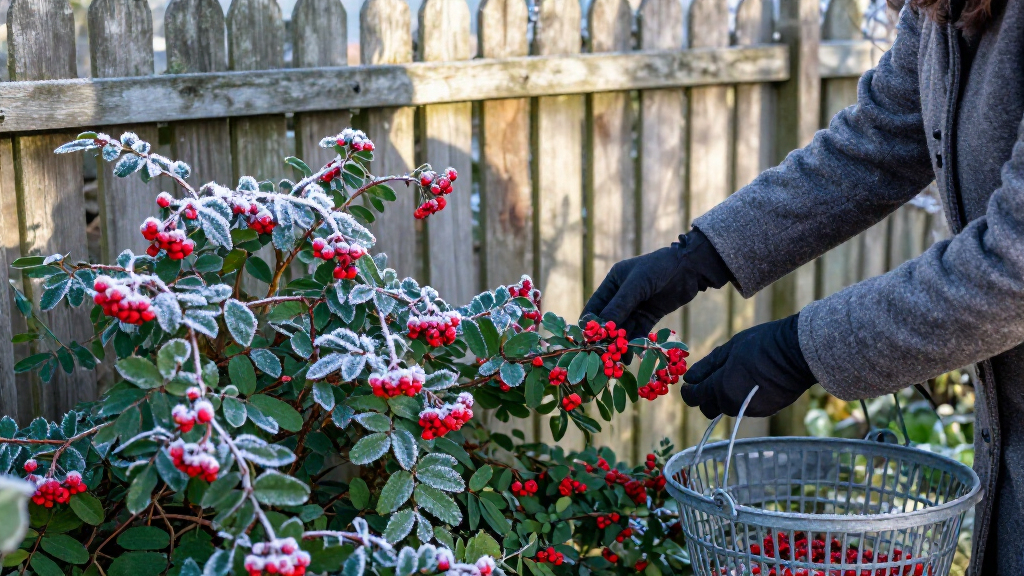
The best winter berry shrubs pair lasting cold-season color with a size and care routine that suit your garden. My best overall pick is Berry Heavy Winterberry Holly, while the larger Winter Red Winterberry Shrub in a #3 container is a better fit when you want a more established plant. For evergreen structure, Christmas Jewel Holly stands apart from the deciduous winterberries. The main tradeoffs are berry display, mature size, evergreen or deciduous foliage, and whether you are buying seeds or a ready-to-plant shrub. Read on for the full breakdown and guidance on choosing the right option for your space.

Get garden gear delivered free with Prime
- Fast, free delivery on millions of items
- Prime Video, Amazon Music and more included
- Member-only deals all year
Complete the kit


Key Takeaways
- Berry Heavy Winterberry Holly leads for a winterberry-focused planting, while the #3-container Winter Red is the more established option among the listed winterberries.
- Many winterberry holly listings are starter plants or seed packets, so buyers need to distinguish quick garden impact from a slower, less predictable growing route.
- Winterberry hollies are generally dioecious: fruit production depends on compatible male pollination, making the Southern Gentleman listing relevant as a potential pollinizer rather than a berry-bearing focal shrub.
- Christmas Jewel, Blue Girl, and China Girl hollies offer evergreen structure, unlike the bare winter branches that make deciduous winterberries distinctive.
- The list includes snowberry, serviceberry, and beautyberry, but these are different plants with different fruiting seasons and uses; they should not be treated as interchangeable winterberry hollies.
| Winterberry Holly Seeds for Planting, 100 Seeds |  | Best for Growing a Native Winterberry Hedge | Plant: Ilex verticillata (winterberry holly) | Seed count: 100 | Mature size: 6–12 feet tall and wide | VIEW LATEST PRICE | See Our Full Breakdown |
| Winter Red Winterberry Shrub Starter Plant, 4-Inch Pot |  | Best Named Female Starter | Plant type: Deciduous winterberry shrub | Pot size: 4 inches | Quantity: 1 plant | VIEW LATEST PRICE | See Our Full Breakdown |
| Gaultheria (Winterberry) Live Evergreen Plant, 5″ Tall in a 4.5″ Pot |  | Best Compact Evergreen Ground Cover | Plant type: Live evergreen ground cover | Starting size: 5 inches tall by 6 inches wide | Pot size: 4.5-inch round pot | VIEW LATEST PRICE | See Our Full Breakdown |
| Winter Red Winterberry Shrub, #3 Container |  | Best for an Established Landscape Feature | Botanical name: Ilex verticillata ‘Winter Red’ | Container size: #3 | Mature size: 8–10 feet tall by 8–10 feet wide | VIEW LATEST PRICE | See Our Full Breakdown |
| Southern Gentleman Winterberry Shrub Starter Plant, 4-Inch Pot |  | Best Pollination Partner | Plant type: Deciduous holly shrub | Quantity: 1 plant | Pot size: 4 inches | VIEW LATEST PRICE | See Our Full Breakdown |
| Common Snowberry Seeds, 50+ Non-GMO Heirloom Seeds (Symphoricarpos albus) |  | Best for Wildlife Gardens | Plant: Common snowberry (Symphoricarpos albus) | Seed count: 50+ | Seed type: Non-GMO, heirloom, open-pollinated | VIEW LATEST PRICE | See Our Full Breakdown |
| Blue Girl Holly Evergreen Shrub with Red Berries, 2 Gallon |  | Best Evergreen Structure | Plant type: Evergreen shrub | Container size: 2 gallon | Mature height: Listed as 8–10 feet; also listed as 4.5 feet | VIEW LATEST PRICE | See Our Full Breakdown |
| Serviceberry (Juneberry) Bush Plants, Edible Berry Shrubs, 2 Plants |  | Best for Edible Fruit | Plant type: Deciduous shrub | Quantity: 2 live seedlings | Sunlight: Full sun to partial shade | VIEW LATEST PRICE | See Our Full Breakdown |
| Yellow Winterberry Holly Starter Plant, 4-Inch Pot |  | Best Unusual Berry Color | Plant type: Winterberry holly shrub | Pot size: 4 inches | Plant height: Approximately 3 to 6 inches | VIEW LATEST PRICE | See Our Full Breakdown |
| Red Winterberry Holly Live Plant, 4-Inch Pot |  | Best for Zone-Listed Starter Planting | Plant type: Winterberry holly (Ilex) | Pot size: 4 inches | Usage: Outdoor | VIEW LATEST PRICE | See Our Full Breakdown |
| American Beautyberry Live Shrubs, 2-Pack, 8–12 in. Tall, Quart Pots |  | Best for Purple Berry Color | Plant: American beautyberry (Callicarpa americana) | Quantity: 2 shrubs | Height: 8–12 in. | VIEW LATEST PRICE | See Our Full Breakdown |
| Christmas Jewel Holly Live Evergreen Shrub, 3-Gallon |  | Best Self-Fertile Evergreen | Botanical name: Ilex x ‘HL10-90’ (Christmas Jewel) | Plant type: Live evergreen shrub | Container size: 3 gallon | VIEW LATEST PRICE | See Our Full Breakdown |
| Ilex China Girl Holly, 3 Large Gallon-Size Plants |  | Best Three-Plant Hedge Starter | Plant: Ilex China Girl Holly | Quantity: 3 plants | Plant size: Large gallon size | VIEW LATEST PRICE | See Our Full Breakdown |
| Berry Heavy Winterberry Holly (Ilex verticillata ‘Spravy’) |  | Best for Cold-Climate Winterberry | Scientific name: Ilex verticillata ‘Spravy’ | Plant type: Deciduous shrub | Bloom color: White | VIEW LATEST PRICE | See Our Full Breakdown |
| winter berry shrub | Plant type |
|---|---|
| Winterberry Holly Seeds for Pl | — |
| Winter Red Winterberry Shrub S | Deciduous winterberry shrub |
| Gaultheria | Live evergreen ground cover |
| Winter Red Winterberry Shrub | — |
| Southern Gentleman Winterberry | Deciduous holly shrub |
| Common Snowberry Seeds | — |
| Blue Girl Holly Evergreen Shru | Evergreen shrub |
| Serviceberry | Deciduous shrub |
| Yellow Winterberry Holly Start | Winterberry holly shrub |
| Red Winterberry Holly Live Pla | Winterberry holly (Ilex) |
| American Beautyberry Live Shru | — |
| Christmas Jewel Holly Live Eve | Live evergreen shrub |
| Ilex China Girl Holly | Evergreen shrub |
| Berry Heavy Winterberry Holly | Deciduous shrub |
More Details on Our Top Picks
Winterberry Holly Seeds for Planting, 100 Seeds
Best for patient gardeners, this seed packet offers a way to grow native Ilex verticillata across a larger planting rather than starting with one potted shrub. Mature plants can reach 6 to 12 feet and carry bright red berries into winter, but fruit depends on having compatible male and female plants nearby. That makes the outcome less predictable than the Winter Red starter plant, which is already a named female selection, though it also needs a male pollinator. Seedlings cannot reliably be sexed until mature, so growers may need to raise several plants and wait before knowing whether the planting will fruit. Choose these seeds for a moist, acidic garden site and a long-term project; skip them if you need berries quickly or have limited room.
Pros:- 100 seeds offer scope for a larger planting than a single starter shrub.
- Native deciduous winterberry can provide bright red fruit visible through winter.
- Grows in full sun to partial shade.
- Suitable for moist-soil wildlife gardens.
Cons:- Compatible male and female plants are needed for fruit.
- Seedlings cannot reliably be sexed until mature, making pollination planning uncertain.
- Requires consistently moist, acidic soil during germination and establishment.
Best for: Gardeners with moist, acidic planting space who want to raise multiple native winterberry shrubs and can wait for plants to mature.
Not ideal for: Buyers seeking dependable, near-term berry production or a known female plant, since seedlings take time to mature and cannot be reliably sexed early.
- Plant:Ilex verticillata (winterberry holly)
- Seed count:100
- Mature size:6–12 feet tall and wide
- Sun exposure:Full sun to partial shade
- Soil:Moist, acidic loam
- Hardiness zones:USDA zones 3–9
- Berry color:Bright red
- Pollination:Compatible male and female plants required for fruit
Our verdict“Choose these seeds for a patient, space-rich native planting; choose the Winter Red starter plant for a more direct route to a named fruiting shrub.”
Winter Red Winterberry Shrub Starter Plant, 4-Inch Pot
This 4-inch Winter Red starter is a practical middle ground between raising the 100 winterberry seeds and buying the larger #3-container Winter Red shrub. Its named cultivar and 6–8-foot mature size make it easier to plan into a border or hedge, while its smaller starting format suits gardeners who are willing to wait for establishment. The tradeoff is that the listing calls for a nearby male pollinator, such as Southern Gentleman: without one, the shrub will not deliver its main winter-berry appeal. It also needs regular watering and moist, well-drained soil. I’d pick it for a modest planting where the pollination partner is already present or can be added; for immediate landscape presence, the #3 container is the stronger fit.
Pros:- Named Winter Red selection gives a clearer planting plan than seed-grown winterberry.
- 6–8-foot mature size fits shrub borders and hedge plantings.
- Grows in full sun to partial shade.
- Produces red berries when a compatible male pollinator is nearby.
Cons:- Requires a nearby male pollinator for berry production.
- Needs regular watering and moist, well-drained soil.
- Small 4-inch pot means it will take time to fill its planting space.
Best for: Gardeners who want a named Winter Red shrub for a planned border or hedge and already have, or can plant, a compatible male pollinator.
Not ideal for: Anyone expecting berries from a single shrub or seeking an instant, large landscape specimen; it needs a male partner and time to grow from a 4-inch pot.
- Plant type:Deciduous winterberry shrub
- Pot size:4 inches
- Quantity:1 plant
- Mature height:6–8 feet
- Spacing:6–8 feet
- Sun exposure:Full sun to partial shade
- Soil and moisture:Moist, well-drained soil; regular watering
- Pollination:Nearby male pollinator required for berries
Our verdict“Choose this starter for a planned, pollinated Winter Red planting; opt for the #3-container Winter Red when a larger shrub is the priority.”
Gaultheria (Winterberry) Live Evergreen Plant, 5″ Tall in a 4.5″ Pot
Unlike the tall deciduous hollies in this group, this Gaultheria is a low-growing evergreen ground cover, so it keeps foliage through winter and suits a small bed or container. Its red fall and winter berries give it the right seasonal appeal, while a spread of up to 3 feet lets one plant gradually cover more ground. That habit makes it a better choice for compact spaces than either Winter Red shrub, which can reach 6–8 feet, or the larger #3-container selection. The compromise is site flexibility: it prefers partial shade and well-drained soil, rather than the moist, acidic conditions described for seed-grown Ilex. The listing also gives a broad indoor/outdoor use, but its hardiness range is zones 3–8, so local conditions matter.
Pros:- Evergreen foliage keeps the planting leafy through winter.
- Low, spreading habit works as ground cover in place of a tall Winter Red shrub.
- Red berries provide seasonal color in fall and winter.
- Can be grown in a pot or outdoors in a suitable site.
Cons:- Requires partial sun and well-drained soil.
- Spreads up to 3 feet, which may be too broad for a tightly bounded spot.
- Hardiness is listed for zones 3–8, narrower than the seed-grown Ilex option.
Best for: Gardeners with a partly shaded bed, rock garden, or container who want evergreen foliage and winter berries without a tall shrub.
Not ideal for: Buyers seeking a large hedge or a shrub for full-sun exposure, or those whose site lacks partial shade and well-drained soil.
- Plant type:Live evergreen ground cover
- Starting size:5 inches tall by 6 inches wide
- Pot size:4.5-inch round pot
- Expected height:About 8 inches
- Spread:Up to 3 feet
- Sun exposure:Partial sun
- Soil and moisture:Well-draining soil; moderate watering
- Hardiness zones:USDA zones 3–8
- Berry season:Fall and winter
Our verdict“Choose this Gaultheria for compact evergreen cover and winter berries, not for the height or hedge structure of a Winter Red holly.”
Winter Red Winterberry Shrub, #3 Container
For buyers who want a substantial planting from the outset, this #3-container Winter Red has a clear advantage over the 4-inch Winter Red starter: it arrives fully rooted and is described as an 8–10-foot, dense, multi-stem shrub. That scale suits a landscape border and gives the bright red fall and winter berries more presence than a young plant can offer. Its mature spread is also the main drawback; this is not a compact-space choice, and suitable weather is needed for planting after delivery. The listing notes sandy soil, while the smaller starter calls for moist, well-drained soil, so match the plant to the actual site rather than assuming every winterberry has identical needs. As with other fruiting winterberries, confirm pollination requirements before expecting berries.
Pros:- Fully rooted in a #3 container for planting when weather permits.
- Dense, multi-stem form suits a landscape border.
- Bright red berries add fall and winter color and can attract songbirds.
- Larger listed mature size gives it more landscape presence than the 4-inch starter.
Cons:- Mature size of 8–10 feet tall and wide requires substantial space.
- Planting depends on suitable weather after arrival.
- The listing does not specify a pollinator partner, so berry production needs checking before purchase.
Best for: Homeowners with ample border space who want a larger, rooted Winter Red shrub to anchor a landscape planting.
Not ideal for: Gardeners with small yards, narrow beds, or no suitable planting window; its listed 8–10-foot width needs room.
- Botanical name:Ilex verticillata ‘Winter Red’
- Container size:#3
- Mature size:8–10 feet tall by 8–10 feet wide
- Expected height:About 10 feet
- Hardiness zones:USDA zones 3–8
- Soil type:Sandy soil
- Berry color:Bright red
- Berry season:Fall and winter
- Planting period:Fall
Our verdict“Choose this larger Winter Red for an open border and quicker landscape presence; the 4-inch starter is a better fit where space or planting flexibility is limited.”
Southern Gentleman Winterberry Shrub Starter Plant, 4-Inch Pot
Southern Gentleman is the utility pick in this group: it is a male winterberry, so its value is pollinating female shrubs such as Winter Red, not producing a red berry display itself. That role makes it a useful companion to the 4-inch Winter Red starter when a garden lacks a male plant; buying another female would not solve that gap. It can also grow into a 6–8-foot shrub and is described as suitable for a dense hedge, but those features are secondary to its pollination job. The tradeoff is direct: buyers need a female winterberry nearby to get fruit, and this plant calls for full sun, regular watering, and moist, well-drained soil. Skip it if the goal is a standalone berry-bearing shrub.
Pros:- Provides the male pollination role needed by female winterberry shrubs such as Winter Red.
- Can complement the 4-inch Winter Red starter in a planned planting.
- Mature height of 6–8 feet can contribute to a hedge.
- Listed as attracting pollinators.
Cons:- Does not provide the female shrub’s red berry display.
- Needs a female winterberry nearby to serve its intended purpose.
- Requires full sun, regular watering, and moist, well-drained soil.
Best for: Gardeners with female winterberry hollies, such as Winter Red, that need a compatible male pollinator nearby.
Not ideal for: Buyers seeking a shrub that will produce red berries on its own or gardeners without a female winterberry to pollinate.
- Plant type:Deciduous holly shrub
- Quantity:1 plant
- Pot size:4 inches
- Mature height:6–8 feet
- Recommended spacing:6–8 feet
- Sun exposure:Full sun
- Soil and moisture:Moist, well-drained soil; regular watering
- Pollinator role:Male pollinator for female winterberry shrubs
Our verdict“Choose Southern Gentleman to support berry production on nearby female winterberries; skip it if you want a standalone shrub for red fruit.”
Common Snowberry Seeds, 50+ Non-GMO Heirloom Seeds (Symphoricarpos albus)
Common snowberry is the seed-grown, habitat-first choice in this group: it brings summer flowers, white berries that can persist into winter, and dense cover for birds and small animals. Unlike the Blue Girl Holly, it tolerates both sun and shade and a wider range of soils, so it suits less formal or more challenging planting sites. The tradeoff is that seeds have natural dormancy and may need preparation before sowing; buyers seeking quick winter color should choose a live starter instead. Its suckering growth can fill a hedge or help stabilize a slope, but it may need control in a tidy border. Choose this option for a patient gardener who values wildlife and flexible placement over immediate display.
Pros:- Tolerates full sun to full shade and a broad range of soils
- White berries and summer flowers provide seasonal interest
- Dense growth offers shelter for birds and small animals
- Open-pollinated seeds can be saved for future planting
Cons:- Natural seed dormancy may require extra preparation before sowing
- Suckering habit can spread beyond the intended planting area
Best for: Gardeners planning a wildlife-friendly hedge or erosion-control planting who can prepare seeds and manage spreading growth
Not ideal for: Buyers who want berries this winter, a compact shrub, or a plant that can be placed without seed preparation
- Plant:Common snowberry (Symphoricarpos albus)
- Seed count:50+
- Seed type:Non-GMO, heirloom, open-pollinated
- Light:Full sun to full shade
- Soil tolerance:Wide range, including clay and dry soils
- Growth habit:Deciduous, suckering shrub
- Flowers and fruit:Pinkish bell-shaped summer flowers; white berries that persist into winter
- Uses:Wildlife gardens, hedges, landscaping, and erosion control
Our verdict“Choose snowberry seeds for an adaptable wildlife planting if you are willing to wait for germination and manage the shrub’s spread.”
Blue Girl Holly Evergreen Shrub with Red Berries, 2 Gallon
Blue Girl Holly is the choice for year-round foliage as well as winter berries: its glossy leaves keep a garden structured after deciduous shrubs such as the Yellow Winterberry Holly Starter Plant have shed theirs. It arrives as a 2-gallon shrub, making it a more established planting than the tiny 3-to-6-inch winterberry starter, though its listed mature size calls for room to grow. The main catch is pollination: this female holly needs a nearby male, such as Blue Boy, to produce berries reliably. It also asks for well-draining, acidic soil, unlike the more soil-flexible common snowberry. Pick it when evergreen screening matters as much as fruit; skip it if you cannot provide a pollinator or suitable soil.
Pros:- Glossy evergreen foliage provides structure throughout the year
- Red berries can persist through winter and attract birds
- Can serve as a specimen, hedge, or foundation planting
- A 2-gallon container offers a more established starting point than a small seedling
Cons:- Female plants need a nearby male holly for berry production
- Requires well-draining, acidic soil
- Mature height is inconsistently listed, so sizing expectations are uncertain
Best for: Gardeners with acidic, well-drained soil who want an evergreen specimen or hedge and can plant a compatible male holly nearby
Not ideal for: Buyers without room for a large shrub, suitable acidic soil, or a nearby male pollinator
- Plant type:Evergreen shrub
- Container size:2 gallon
- Mature height:Listed as 8–10 feet; also listed as 4.5 feet
- Mature spread:Similar to height
- USDA hardiness zone:5–9
- Sun exposure:Full sun to partial shade
- Soil:Well-draining, acidic
- Pollination and berries:Female variety; nearby male holly needed for red berry production
Our verdict“Choose Blue Girl Holly for a substantial evergreen presence if you can meet its pollination and soil needs.”
Serviceberry (Juneberry) Bush Plants, Edible Berry Shrubs, 2 Plants
Serviceberry earns its place through edible harvests and a long sequence of seasonal interest: white spring flowers, sweet berries in early summer, then red-orange fall foliage. That makes it a different proposition from the Red Winterberry Holly Live Plant, whose appeal is specifically winter color rather than food for the gardener. The two live seedlings are ready to transplant, but the description notes that fruit may take a few years to appear, so this is not a quick berry display. Serviceberry also needs well-drained soil; unlike common snowberry, it is not presented as tolerant of a broad range of soil conditions. Choose it for an edible landscape with room to wait, not as a shrub bought solely for persistent winter berries.
Pros:- Produces sweet, edible berries for fresh eating and baking
- Adds flowers, fruit, and colorful foliage across multiple seasons
- Attracts pollinators and birds
- Includes two live seedlings ready to transplant
Cons:- Fruit may take a few years to appear
- Requires well-drained soil
- Its early-summer fruit does not fill the same winter-berry role as holly or snowberry
Best for: Home gardeners who want two transplant-ready shrubs for edible berries, spring flowers, and colorful fall foliage
Not ideal for: Buyers focused on berries that persist through winter or those with poorly drained planting sites
- Plant type:Deciduous shrub
- Quantity:2 live seedlings
- Sunlight:Full sun to partial shade
- Soil:Well-drained
- Flowers:White, early spring
- Fruit:Sweet, edible berries in early summer
- Fall foliage:Red-orange
- Plant condition:Live seedlings, ready to transplant
Our verdict“Pick serviceberry for an edible, multi-season planting if early-summer harvest matters more than winter-persistent fruit.”
Yellow Winterberry Holly Starter Plant, 4-Inch Pot
Yellow winterberry offers a less typical color direction for gardeners who want to move beyond the red fruit of the Red Winterberry Holly Live Plant. It arrives as a live outdoor starter, so it avoids the seed preparation required by common snowberry, but its stated height of just 3 to 6 inches means it will need time to establish and fill out. The listing describes it as cold hardy and low maintenance, with full-sun exposure and moderate watering; it does not give a hardiness zone or soil preference, so buyers have less planting guidance than with the red winterberry listing. This is a small, patient-gardener pick for a sunny spot—not a ready-made winter focal point.
Pros:- Live starter plant is intended for outdoor planting
- Yellow berry color offers a distinct alternative to red winterberry
- Described as cold hardy and low maintenance
- Suited to full sun
Cons:- Very small at approximately 3 to 6 inches tall
- Requires moderate watering
- No USDA hardiness zone or soil preference is provided
Best for: Gardeners who want to grow a yellow-berried winterberry from a small live starter and have a sunny outdoor planting site
Not ideal for: Buyers seeking an established shrub, detailed zone guidance, or immediate winter color
- Plant type:Winterberry holly shrub
- Pot size:4 inches
- Plant height:Approximately 3 to 6 inches
- Intended use:Outdoor
- Sunlight:Full sun
- Watering:Moderate
- Maintenance:Described as low maintenance
- Berry color:Yellow
Our verdict“Choose this starter for distinctive yellow winterberry fruit if you are comfortable growing a small plant without detailed zone guidance.”
Red Winterberry Holly Live Plant, 4-Inch Pot
This red winterberry starter has the clearest stated hardiness range among the small live plants here: zones 5–9 are specified, while the Yellow Winterberry Holly Starter Plant is described as cold hardy without a zone listing. That makes this a more straightforward choice for shoppers matching a shrub to a known zone, though the 4-inch pot still means it is a young plant rather than an instant display. Its stated suitability for sandy soil and moderate watering gives some planting direction, but it is less broadly adaptable on paper than common snowberry, which is listed for a wide range of soils. Choose it for a red winterberry planting in an appropriate site and allow time for growth; the product data does not specify mature size or pollination needs.
Pros:- Rooted live starter is intended for outdoor gardens
- Listed as cold hardy in zones 5–9
- Described as low maintenance
- Suitable for garden borders
Cons:- A 4-inch pot indicates a small starter rather than an immediate focal shrub
- Product information specifies sandy soil, limiting planting guidance for other soil types
- Mature size and pollination requirements are not provided
Best for: Gardeners in zones 5–9 seeking a small red winterberry starter for a sandy-soil garden border
Not ideal for: Buyers who need an established shrub, have heavy or poorly drained soil, or need clear information about mature size and pollination
- Plant type:Winterberry holly (Ilex)
- Pot size:4 inches
- Usage:Outdoor
- Cold hardiness:Zones 5–9
- Soil type:Sandy soil
- Watering:Moderate
- Maintenance:Described as low
- Color and season:Red; winter blooming period listed
Our verdict“Choose this red winterberry starter if your garden is in zones 5–9 and you can wait for a young plant to establish.”
American Beautyberry Live Shrubs, 2-Pack, 8–12 in. Tall, Quart Pots
Bright purple fruit makes this two-shrub set a distinctive alternative to the red berries of Christmas Jewel Holly and Berry Heavy Winterberry Holly. The clusters can persist for months into fall and winter, adding color that stands apart from the more familiar holly look. Because the plants arrive only 8–12 inches tall, buyers should expect to establish them before they become substantial landscape shrubs; Christmas Jewel, by contrast, is sold in a 3-gallon container and has a larger presence from the start. This is a low-maintenance outdoor choice suited to partial sun, and its native flowers can attract pollinators. Its tradeoffs are the young starting size and less flexible siting: full-sun gardeners should look at another option, and the product details do not specify mature dimensions or hardiness zones.
Pros:- Two shrubs provide more planting coverage than a single-plant option.
- Bright purple berry clusters offer a different winter color from the red-fruited hollies.
- Berries may persist for months into fall and winter.
- Low-maintenance outdoor plant described as native and pollinator-attracting.
Cons:- Plants arrive young at approximately 8–12 inches tall and need time to establish.
- Partial sun is the specified exposure, which limits placement in some gardens.
- Mature size and hardiness zones are not provided.
Best for: Gardeners seeking a pair of young, native shrubs for partial-sun beds and a winter display of purple berries.
Not ideal for: Buyers who need an immediate screen, want red holly berries, or have a full-sun-only planting area.
- Plant:American beautyberry (Callicarpa americana)
- Quantity:2 shrubs
- Height:8–12 in.
- Container:Quart pots
- Use:Outdoor
- Sunlight:Partial sun
- Special feature:Low maintenance
- Berry color:Bright purple
Our verdict“Choose this set for purple winter berries and a pair of young shrubs, but skip it if you need instant height or full-sun flexibility.”
Christmas Jewel Holly Live Evergreen Shrub, 3-Gallon
Christmas Jewel Holly is the clearest choice here for buyers who want red berries without sourcing a separate male pollinator: it is described as self-pollinating. Its glossy evergreen leaves also keep the planting visually substantial after many deciduous winterberry shrubs have dropped their foliage. Compared with Berry Heavy Winterberry Holly, this plant offers year-round greenery and a specified 3-gallon container, while Berry Heavy is described as deciduous and hardy in zones 3–8. Christmas Jewel instead suits zones 6–9 and can reach 10–12 feet tall, so its upright form still needs room despite the compact habit. It asks for well-drained soil and moderate watering, and the listed shipping exclusions rule it out for many western and northern states. I’d favor it when dependable berry production and evergreen structure matter more than broad regional availability.
Pros:- Self-pollinating, so a separate male holly is not required for berry production.
- Glossy evergreen foliage adds structure through winter.
- Upright habit suits hedges, screens, foundations, and container planting.
- Specified 3-gallon container gives it a more established starting size than small starter plants.
Cons:- Shipping is unavailable to AK, AZ, CA, CO, HI, ID, MT, NM, NV, OR, UT, WA, and WY.
- Mature height of 10–12 feet requires room for long-term growth.
- Needs well-drained soil and is limited to USDA zones 6–9.
Best for: Gardeners in USDA zones 6–9 who want an evergreen holly with red berries and do not want to plant a separate male pollinator.
Not ideal for: Buyers in the listed shipping-restricted states, gardeners outside zones 6–9, or anyone without room for a shrub that may reach 10–12 feet.
- Botanical name:Ilex x ‘HL10-90’ (Christmas Jewel)
- Plant type:Live evergreen shrub
- Container size:3 gallon
- Mature size:10–12 ft. tall × 6–8 ft. wide
- USDA hardiness zones:6–9
- Sunlight:Full sun to partial shade
- Soil:Well-drained
- Pollination:Self-pollinating
- Watering:Moderate
Our verdict“Pick Christmas Jewel for self-pollinating red berries and evergreen structure if your climate, shipping location, and planting space fit.”
Ilex China Girl Holly, 3 Large Gallon-Size Plants
Three large gallon-size plants make China Girl the lineup’s most direct starting point for a multi-shrub hedge or border. Its dense, glossy evergreen foliage provides year-round structure, unlike Berry Heavy Winterberry Holly, which is deciduous. China Girl can also produce red berries, but only when a male pollinator is nearby; that makes berry display less straightforward than Christmas Jewel Holly, which is listed as self-pollinating. This set suits gardeners willing to plan the planting around pollination and keep up with regular pruning to maintain a tidy, dense shape. The supplied details list full sun and well-drained soil, but give no hardiness zone or mature dimensions, so it is harder to judge climate fit and spacing before purchase. Choose it for evergreen grouping, not for guaranteed berries from these plants alone.
Pros:- Three plants offer a ready starting group for a hedge or border.
- Glossy evergreen foliage provides year-round structure.
- Can produce red berries when a male pollinator is nearby.
- Dense growth can be shaped with regular pruning.
Cons:- Berry production depends on a nearby male pollinator.
- Regular pruning is recommended to maintain a tidy, dense form.
- Hardiness zones and mature dimensions are not specified.
Best for: Gardeners starting a three-shrub evergreen hedge or border who can provide a male holly pollinator and prune for shape.
Not ideal for: Buyers who want berries from the purchase without adding or already having a male pollinator, or gardeners needing stated hardiness-zone and mature-size guidance.
- Plant:Ilex China Girl Holly
- Quantity:3 plants
- Plant size:Large gallon size
- Plant type:Evergreen shrub
- Foliage:Glossy, dark green
- Flowers:Small white flowers in spring
- Berry production:Red berries with a nearby male pollinator
- Sunlight:Full sun
- Soil:Well-drained
Our verdict“Choose China Girl for a three-plant evergreen planting if you can supply a male pollinator and accept routine pruning.”
Berry Heavy Winterberry Holly (Ilex verticillata ‘Spravy’)
Berry Heavy Winterberry Holly has the broadest stated cold-climate range in this group: zones 3–8. That gives it an advantage over Christmas Jewel Holly, which is listed for zones 6–9, for gardeners in colder regions. Its deciduous habit means the winter display is centered on berries and branches rather than evergreen foliage, so it contrasts with both Christmas Jewel and China Girl. The supplied description gives a mature height of 6–8 feet, a meaningful space commitment for a shrub, while the listing does not state mature width or pollination requirements. White summer blooms add seasonal interest before winter, but the product data does not specify berry color or persistence details. I’d shortlist it for a cold-hardy winterberry planting, then confirm pollination needs and siting details before choosing it over the more fully specified evergreen options.
Pros:- Hardy in USDA zones 3–8, including colder climates than Christmas Jewel Holly’s listed range.
- White summer blooms add interest before the winter display.
- Deciduous form offers a different look from evergreen holly shrubs.
- Listed as suitable for growing as a bonsai.
Cons:- Mature height of 6–8 feet calls for substantial garden space.
- Mature width and berry color are not specified in the supplied details.
- Pollination requirements are not provided.
Best for: Gardeners in USDA zones 3–8 who want a deciduous winterberry shrub and can allow for a 6–8-foot mature height.
Not ideal for: Buyers who need evergreen foliage, a specified berry color, or clear information about mature width and pollination requirements.
- Scientific name:Ilex verticillata ‘Spravy’
- Plant type:Deciduous shrub
- Bloom color:White
- Bloom season:Summer
- USDA hardiness zones:3–8
- Mature height:6–8 ft.
- Unit count:1
- Item weight:3.1 lb.
Our verdict“Choose Berry Heavy for a winterberry shrub suited to zones 3–8, but verify its pollination needs and allow room for its listed mature height.”
How We Picked
I ranked these listings by how directly they suit a buyer seeking a shrub with meaningful cold-season berry interest. I weighed plant identity and likely seasonal display, the format and apparent establishment level, potential garden use, and the practical information buyers need before planting. A larger container can offer a quicker start than seeds or a small starter, but size alone does not settle the ranking: evergreen holly, deciduous winterberry, and other berry shrubs serve different purposes.
I also accounted for pollination and selection clarity. Winterberry hollies commonly need a compatible male plant nearby to set fruit, so a female plant without a pollination plan can disappoint even if the variety is otherwise appealing. Seed listings rank below established plants for buyers seeking dependable, near-term display; non-winterberry species rank lower for this specific search, though they may suit other garden goals. Cultivar descriptions and seller listings can vary, so I treat stated sizes and identities as product claims rather than guarantees of mature performance.
Factors to Consider When Choosing Best Winter Berry Shrubs
Before choosing from this list, decide what you want to see in winter: bright berries on bare stems, evergreen foliage, or a shrub that serves another purpose such as edible fruit. Then match that goal to your climate, planting space, and willingness to wait for a young plant to mature. These broader checks can prevent a mismatch that a product name alone will not reveal.
Match the plant to the winter effect you want
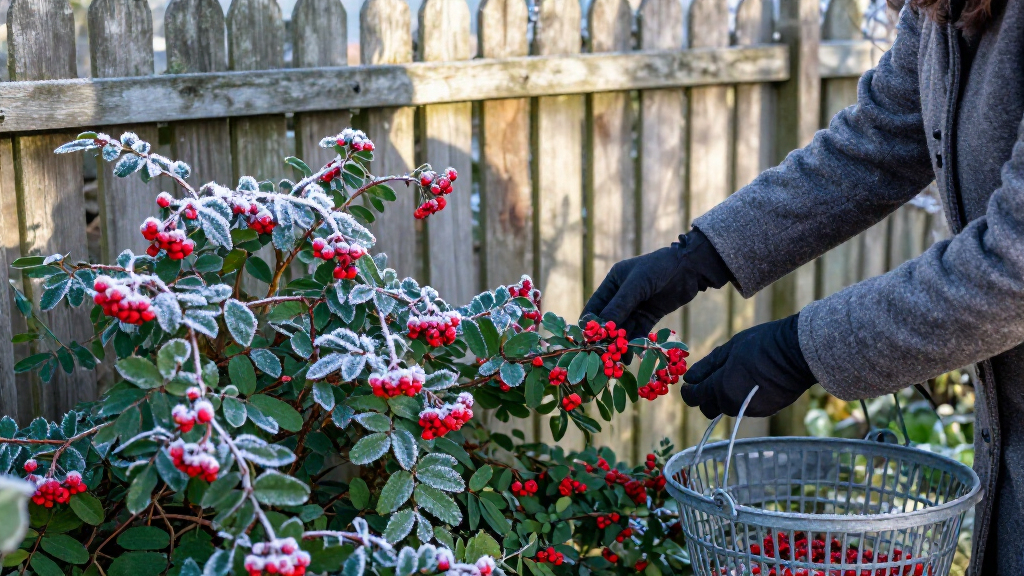
Deciduous winterberry holly drops its leaves and leaves the fruit visible on the branches, creating a different look from evergreen hollies such as Christmas Jewel or Blue Girl. If you want color against snow or a bare garden, that exposed-berry effect may be the point. If you want foliage and screening through the cold months, an evergreen type may fit better, though its berries may be less visually isolated. Snowberry, serviceberry, and beautyberry have their own growth habits and fruit timing, so check the plant identity rather than relying on the word “berry.” Choose for the seasonal role you need, not just the berry color shown in a listing photo.
Plan for pollination before buying winterberry holly
Winterberry hollies usually produce fruit on female plants, while a compatible male plant supplies pollen. A female shrub bought alone may grow well yet produce few or no berries if no suitable pollinizer flowers nearby at the right time. Do not assume that two plants in a bundle are male and female unless the listing explicitly identifies their sexes and compatibility. If you already have a winterberry holly, confirm its cultivar and flowering period before adding a pollinizer. Where the seller leaves these details unclear, ask before ordering or choose a planting plan that allows for a separate male shrub.
Choose a plant format that matches your patience
Seeds take more time and care than a live shrub, and seed-grown plants may not deliver the same timing or characteristics as a named cultivar. Small starter plants are easier to place and transport, but they need time to fill out and may need extra attention while establishing. Larger containers can provide a stronger visual start, but they are heavier to handle and still need suitable soil, water, and aftercare. Compare the actual plant size and pot volume, not only the cultivar name or stock photo. For a garden display needed soon, favor an established live plant; for experimentation and a long growing horizon, seeds may make sense.
Check mature dimensions and site conditions
A shrub that fits in a small nursery pot can grow far wider and taller in the ground. Look up mature height and spread for the exact species or cultivar, then leave room for airflow, access, and nearby plants. Winterberry hollies often suit moist sites better than plants that demand sharp drainage, while other hollies and berry shrubs can have different soil and exposure preferences. Match the plant to your local hardiness range and light conditions rather than assuming every listing will thrive in the same bed. If your site is dry, exposed, or tightly planted, verify its needs before selecting a cultivar.
Treat fruit as a wildlife and maintenance choice
Berry displays can attract birds, which may remove fruit before the season ends; a shrub’s appearance can vary from year to year as a result. Some species also have fruit that is not meant for people to eat, so never infer edibility from a listing’s use of “berry.” Serviceberry is the clearest edible-fruit direction in this roundup, but suitability still depends on the plant and how you intend to use the harvest. Consider whether fallen fruit, bird activity, or pruning needs fit the location near a path, patio, or driveway. A wildlife-friendly planting and a tidy, uninterrupted display are not always the same goal.
Frequently Asked Questions
Will one winterberry holly plant produce berries by itself?
Usually, a female winterberry holly needs pollen from a compatible male plant to produce a strong berry display. A nearby male may work, but compatibility and overlapping bloom time matter, so do not assume any holly will serve. Check whether your existing shrub is male or female and confirm its cultivar if possible. If you are starting from scratch, include a clearly identified pollinizer in the planting plan. A listing that does not specify sex or pollination details merits a question to the seller before purchase.
Are the seeds a better choice than buying a live winterberry shrub?
Seeds suit gardeners who enjoy propagation and can wait for seedlings to grow before expecting a substantial display. They are a less direct choice if you want a named cultivar or visible berries in the near future, since seed-grown plants take time and may not match a cultivar’s traits. A live starter offers a head start but still needs establishment and may remain small for a while. Larger container plants reduce some waiting, though they cost more effort to plant and move. Choose based on your timeline and how much control over plant identity matters to you.
Can I use an evergreen holly instead of winterberry for winter color?
Yes, if your priority is year-round foliage paired with berries, an evergreen holly such as Christmas Jewel or Blue Girl may suit the garden better. It will not create the same bare-branch berry effect associated with deciduous winterberry. Plant size, pollination requirements, and local climate fit still matter, so compare the exact cultivar details before substituting. Also confirm whether the listing describes a plant that will fruit on its own or needs a pollinizer. The right choice depends on whether you value winter foliage, exposed fruit, or both.
Are all the berry shrubs in this roundup winterberry hollies?
No. The list includes winterberry holly along with snowberry, serviceberry, beautyberry, and evergreen hollies. These plants differ in fruit timing, foliage, mature size, and whether their fruit is intended for eating. A product with “winterberry” in its name may also refer to a different plant, so verify the botanical name when the distinction matters. For the classic winterberry holly display, look for Ilex verticillata or a clearly identified winterberry cultivar. For another garden purpose, compare the species’ actual traits rather than treating the names as synonyms.
What should I verify before ordering a live shrub online?
Check the botanical name, stated plant height, container size, and whether the listing ships a rooted live plant or seeds. Ask about the plant’s sex and pollination needs for winterberry holly, since those details affect fruit production. Confirm the recommended growing zone, sun exposure, soil moisture, and mature spread against your garden. Review the seller’s shipping season and instructions for handling a plant that arrives stressed or dormant. Clear answers matter more than a broad product name, especially when choosing among several similar holly listings.
Conclusion
For the strongest match to the search, I would start with Berry Heavy Winterberry Holly as the best overall, then choose the #3-container Winter Red if a more established plant is your priority. The best value depends on your timeline: seed packets ask for patience, while a small starter is the more direct route to a named live shrub. For beginners, I favor a clearly labeled live plant over seeds, paired with a straightforward plan for site conditions and winterberry pollination. My premium direction is a larger evergreen holly such as Christmas Jewel for year-round structure, while buyers seeking edible fruit should look at serviceberry rather than assuming every berry shrub is edible. Whatever you choose, confirm plant identity, mature size, and pollination details before planting.