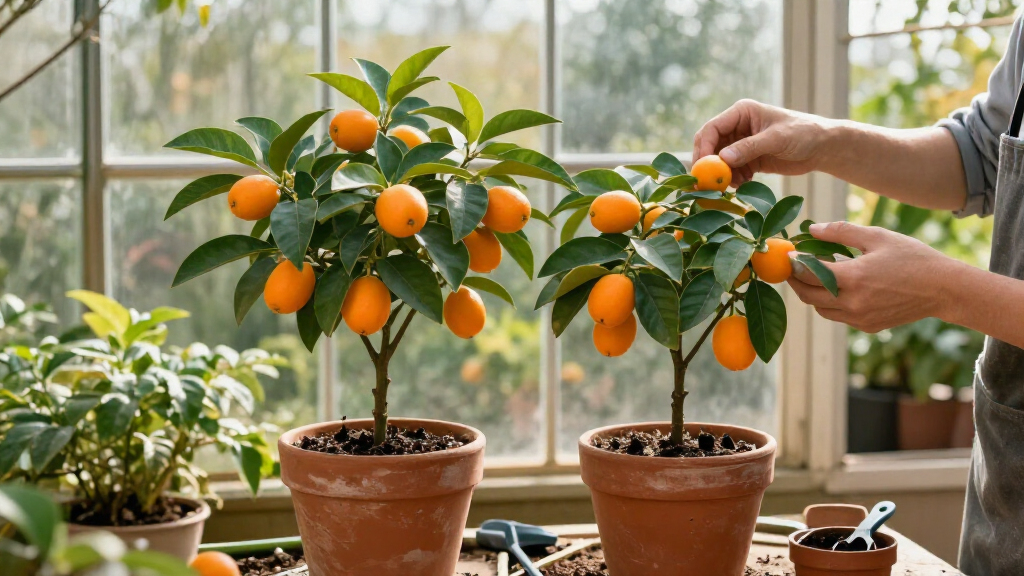
The best kumquat tree varieties depend on whether you prefer tart, classic Nagami fruit or the sweeter, rounder Meiwa type. I name the grafted Nagami in a 5-gallon pot my best overall pick because its larger, established size offers a more direct path to growing a fruiting tree. For sweeter fruit, the Meiwa in a 3-gallon pot stands out, while Nagami seeds suit patient growers who want to raise a plant from scratch. The main tradeoffs are fruit flavor, starting size, grafted versus seed-grown plants, and the space and care each needs. Read on for my full comparison of all 15 listings and guidance on choosing one for your growing setup.

Get garden gear delivered free with Prime
- Fast, free delivery on millions of items
- Prime Video, Amazon Music and more included
- Member-only deals all year
Complete the kit


Key Takeaways
- Grafted plants lead for a quicker start: The 5-gallon grafted Nagami and 13–22-inch grafted tree offer a head start over tiny seedlings and seeds, though the larger plant requires more space and careful shipping acclimation.
- Meiwa is the sweeter-fruit choice: The lineup includes several Meiwa sizes, from 1-gallon plants to 3-gallon and 2–3-foot trees, so buyers can prioritize fruit style while choosing a starting size.
- Nagami seeds are a different commitment from a tree: Seeds may appeal to bonsai and patient container growers, but they are not a shortcut to an established, fruit-bearing plant.
- Pot size helps distinguish similar listings: A 3-gallon Meiwa generally gives a more substantial starting plant than a 1-gallon listing, while exact height and condition still depend on the individual seller.
- Several listings overlap closely: Multiple 1–2-foot Meiwa plants and very small Nagami starters offer few clear variety differences; compare propagation details, pot size, and seller-provided care information rather than relying on the listing name alone.
| Nagami Kumquat Fruit Seeds (10+ Count), Heirloom Non-GMO Cold-Hardy Dwarf Citrus for Bonsai & Containers |  | Best for Bonsai and Seed-Growing | Quantity: 10+ seeds | Variety: Nagami kumquat (Fortunella margarita) | Seed type: Heirloom, non-GMO, organic | VIEW LATEST PRICE | See Our Full Breakdown |
| Meiwa Kumquat Tree, 1–2 Feet Tall |  | Best for Sweet Fruit in a Ready-to-Grow Size | Variety: Meiwa kumquat | Height: 1–2 feet | Pot size: 5 gallons | VIEW LATEST PRICE | See Our Full Breakdown |
| Meiwa Sweet Kumquat Tree, Live Plant in 3-Gallon Pot |  | Best for Cold-Tolerant Container Growing | Variety: Meiwa kumquat | Container size: 3-gallon pot | Plant count: 1 | VIEW LATEST PRICE | See Our Full Breakdown |
| Live Meiwa Kumquat Tree, 1-2 Ft Tall, 1 Gallon Pot |  | Best Value for a Compact Patio Starter | Plant type: Meiwa kumquat tree | Height: 1–2 feet | Container size: 1 gallon | VIEW LATEST PRICE | See Our Full Breakdown |
| Meiwa Kumquat Tree Live Plant, 1–2 Feet Tall, 1-Gallon Pot |  | Best for Flexible Indoor or Outdoor Placement | Plant type: Meiwa kumquat tree | Height at shipment: 1–2 feet | Pot size: 1 gallon | VIEW LATEST PRICE | See Our Full Breakdown |
| Sweet Kumquat Live Tree (1-2 Ft Tall, 1 Gallon Pot) |  | Best for a Ready-to-Display Container Tree | Height: 1–2 ft | Pot size: 1 gallon | Sunlight: Full sun | VIEW LATEST PRICE | See Our Full Breakdown |
| Nagami Kumquat Tree Seedling – 2-5 Inch Tall Live Plant |  | Best for Patient First-Time Growers | Plant type: Nagami kumquat seedling | Scientific name: Fortunella margarita | Height: 2–5 inches | VIEW LATEST PRICE | See Our Full Breakdown |
| Nagami Kumquat Tree Starter Plant (Fortunella Margarita) – 6″ to 10″ |  | Best Nagami Starter for More Growing Headroom | Variety: Nagami kumquat (Fortunella margarita) | Current height: 6–10 inches | Expected mature height: 15 ft | VIEW LATEST PRICE | See Our Full Breakdown |
| Nagami Kumquat Starter Tree, 3–5 Inches |  | Best for Low-Input Nagami Growing | Botanical name: Fortunella margarita | Plant height: 3–5 inches | Expected mature height: 15 ft | VIEW LATEST PRICE | See Our Full Breakdown |
| Meiwa Kumquat Tree, 1–2 ft Tall, 1-Gallon Pot |  | Best for Sweet Fruit in a Patio-Sized Tree | Plant type: Live Meiwa kumquat tree | Height: Approximately 1–2 ft | Pot size: 1 gallon | VIEW LATEST PRICE | See Our Full Breakdown |
| Grafted Kumquat Tree Live Plant, 13–22 Inches Tall |  | Best Compact Grafted Pick | Brand: Via Citrus | Plant type: Fruit tree | Height: 13–22 inches | VIEW LATEST PRICE | See Our Full Breakdown |
| Kumquat Tree Starter Plant (2-Pack) – Fortunella Margarita |  | Best Two-Plant Starter Set | Brand: Gerald Winters and Son | Variety: Fortunella margarita (Nagami) | Quantity: 2 seedlings per pot | VIEW LATEST PRICE | See Our Full Breakdown |
| Live Meiwa Kumquat Tree in 3-Gallon Pot |  | Best for Sweet Fruit Sooner | Brand: GINGERGLOW | Variety: Meiwa | Container size: 3 gallons | VIEW LATEST PRICE | See Our Full Breakdown |
| Meiwa Kumquat Tree, 2–3 ft, in 3-Gallon Pot |  | Best for Patio Display | Plant type: Meiwa kumquat fruit tree | Height: 2–3 feet | Container: 3-gallon pot | VIEW LATEST PRICE | See Our Full Breakdown |
| Grafted Nagami Kumquat Tree, Semi-Dwarf, 5-Gallon Pot |  | Best Ready-to-Grow Nagami | Variety: Nagami sour kumquat | Plant type: Grafted, semi-dwarf citrus tree | Container size: 5 gallons | VIEW LATEST PRICE | See Our Full Breakdown |
| kumquat tree varietie | Sunlight |
|---|---|
| Nagami Kumquat Fruit Seeds | Full sun, 6–8 hours daily |
| Meiwa Kumquat Tree | Full sun |
| Meiwa Sweet Kumquat Tree | Full sun |
| Live Meiwa Kumquat Tree | Full sun |
| Meiwa Kumquat Tree Live Plant | Full sun |
| Sweet Kumquat Live Tree | Full sun |
| Nagami Kumquat Tree Seedling | Full sun |
| Nagami Kumquat Tree Starter Pl | Partial sun |
| Nagami Kumquat Starter Tree | Partial sun |
| Meiwa Kumquat Tree | — |
| Grafted Kumquat Tree Live Plan | Full sun |
| Kumquat Tree Starter Plant | Partial sun |
| Live Meiwa Kumquat Tree in 3-G | Full sun |
| Meiwa Kumquat Tree | Full sun |
| Grafted Nagami Kumquat Tree | Full sun to partial sun |
More Details on Our Top Picks
Nagami Kumquat Fruit Seeds (10+ Count), Heirloom Non-GMO Cold-Hardy Dwarf Citrus for Bonsai & Containers
These Nagami seeds are the pick for patient growers who want to shape a citrus plant from its earliest stage, rather than start with a nursery-grown tree. The dwarf, slow-growing habit suits bonsai and containers, while the glossy evergreen leaves, fragrant winter-to-spring flowers, and orange fruit add ornamental interest along the way. Compared with the ready-to-grow Meiwa Kumquat Tree, 1–2 Feet Tall, this packet costs you time and predictability: seed-grown plants may take 5–10 years or longer to fruit, and germination can be uneven. The payoff is a seed-grown Nagami with heirloom, non-GMO labeling and a stated cold-hardiness range of Zones 8–11 with protection. Choose it for the growing process and compact form; skip it if your main goal is harvesting soon.
Pros:- 10+ seeds offer multiple chances to grow a plant and allow seed saving.
- Dwarf, slow-growing habit suits containers and bonsai shaping.
- Glossy foliage and fragrant winter-to-spring blooms provide interest before fruiting.
- Cold-hardy designation extends to Zones 8–11 with protection.
Cons:- Fruit production may take 5–10 years or longer.
- Citrus seed germination can be slow and irregular.
- Needs full sun and well-draining, acidic soil for suitable growth.
Best for: Bonsai hobbyists and patient container growers who want to raise a dwarf Nagami from seed and enjoy the plant before it fruits.
Not ideal for: Buyers seeking dependable fruit in the near term; germination may be irregular and fruiting can take 5–10 years or longer.
- Quantity:10+ seeds
- Variety:Nagami kumquat (Fortunella margarita)
- Seed type:Heirloom, non-GMO, organic
- Growth habit:Dwarf and slow-growing
- Hardiness:Zones 8–11 with protection
- Sunlight:Full sun, 6–8 hours daily
- Growing uses:Indoor, outdoor, bonsai, and containers
- Time to fruit:5–10+ years
- Blooming period:Winter and spring
Our verdict“Choose these Nagami seeds if you value bonsai-friendly growth and the satisfaction of raising citrus from seed more than an early harvest.”
Meiwa Kumquat Tree, 1–2 Feet Tall
This 5-gallon Meiwa is the strongest fit for buyers who want a live tree without starting from seed and prefer Meiwa’s sweet fruit with edible peel. At 1–2 feet tall, it is compact enough for a sunny patio or indoor growing spot, while the larger listed pot gives it a more established container base than the 1-gallon Meiwa trees in this roundup. That size comes with a practical limit: the 5-gallon container is less convenient to move or place in a tight space. It is listed for Zones 9–11 and needs full sun, so growers in colder areas will need to protect it or bring it indoors where conditions allow. This tree also cannot ship to California. Compared with the seed-grown Nagami, it is the more direct route to growing fruit, but it offers less of a seed-to-tree project.
Pros:- Meiwa fruit is described as sweet with an edible peel.
- Supplied as a live 1–2-foot tree rather than seeds.
- 5-gallon pot provides a larger starting container than the 1-gallon Meiwa options.
- Can be grown indoors or outdoors in a sunny spot.
Cons:- Does not ship to California.
- Listed hardiness is limited to USDA Zones 9–11.
- The 5-gallon pot may be cumbersome in small spaces or when seasonal moving is needed.
Best for: Container gardeners in Zones 9–11 who want a live Meiwa with sweet, edible-peel fruit and a larger starting pot.
Not ideal for: California buyers, growers without a full-sun location, or anyone who needs a lightweight pot that is easy to move.
- Variety:Meiwa kumquat
- Height:1–2 feet
- Pot size:5 gallons
- Sunlight:Full sun
- Growing locations:Indoor or outdoor
- USDA hardiness zones:9–11
- Fruit:Small orange fruit with sweet flavor and edible peel
- Shipping restriction:Does not ship to California
Our verdict“Pick this Meiwa if you want a live, larger-potted start and have a sunny growing spot in Zones 9–11 outside California.”
Meiwa Sweet Kumquat Tree, Live Plant in 3-Gallon Pot
This 3-gallon Meiwa stands out for its stated cold tolerance: once established, it is described as tolerating temperatures down to 20°F. That gives it an advantage over the 1-gallon Meiwa options, which are listed for Zones 9–11 without a specific temperature figure. The tree also brings more than fruit to a patio, with evergreen leaves and fragrant spring-to-summer blossoms. Its sweet, round fruit has an edible peel, making the variety a good fit for growers who want to eat the whole kumquat. The tradeoff is that cold tolerance does not remove the need for a suitable site: it still calls for full sun and moderate watering, and shipping excludes California, Hawaii, and Alaska. Compared with the 5-gallon Meiwa, this pot is a less bulky middle ground, though its listed height is not specified.
Pros:- Described as cold-tolerant to 20°F once established.
- 3-gallon pot offers a middle ground between 1-gallon and 5-gallon options.
- Sweet, round fruit has an edible peel.
- Evergreen foliage and fragrant spring-to-summer blossoms add ornamental value.
Cons:- Does not ship to California, Hawaii, or Alaska.
- Requires full sun and moderate watering.
- No shipped plant height is specified in the supplied details.
Best for: Container growers who want sweet, edible-peel Meiwa fruit and a stated 20°F tolerance once the tree is established.
Not ideal for: Shoppers in California, Hawaii, or Alaska, or growers who cannot provide full sun and moderate watering.
- Variety:Meiwa kumquat
- Container size:3-gallon pot
- Plant count:1
- Fruit:Round, orange, sweet fruit with edible peel
- Blooming period:Spring to summer
- Sunlight:Full sun
- Water needs:Moderate
- Cold tolerance:Down to 20°F once established
- Shipping restrictions:Does not ship to California, Hawaii, or Alaska
Our verdict“Choose this 3-gallon Meiwa if its stated established-plant cold tolerance matters more to you than a specified shipped height or broad shipping availability.”
Live Meiwa Kumquat Tree, 1-2 Ft Tall, 1 Gallon Pot
This 1-gallon Meiwa is the compact, straightforward starter for a patio grower who wants a live tree without taking on a larger pot. It arrives 1–2 feet tall with well-established roots, and its stated low-maintenance profile makes it a simpler entry point than growing Nagami from seed, where fruit can take years. The smaller container is easier to place than the 3-gallon and 5-gallon Meiwa options, but it also means less starting root and soil volume. It is listed for outdoor use in Zones 9–11, with full sun, well-drained soil, and moderate watering; steady watering during the growing season remains part of the care routine. The listing restricts shipping to California, another limitation for buyers comparing it with options that ship more broadly.
Pros:- Well-established roots offer a live-plant starting point.
- 1–2-foot height and 1-gallon pot suit compact patios and container setups.
- Meiwa variety is described as producing sweet fruit.
- Care guidance is relatively direct: full sun, well-drained soil, and moderate watering.
Cons:- Does not ship to California.
- Listed for Zones 9–11, with no specific lower-temperature tolerance provided.
- Requires consistent watering during the growing season.
Best for: New citrus growers in Zones 9–11 who want a live, well-rooted Meiwa for a sunny patio and prefer a small container.
Not ideal for: California residents, growers in colder zones, or buyers who want the larger pot and stated cold tolerance of the 3-gallon Meiwa.
- Plant type:Meiwa kumquat tree
- Height:1–2 feet
- Container size:1 gallon
- USDA hardiness zone:9–11
- Sunlight:Full sun
- Soil:Well-drained
- Moisture needs:Moderate watering
- Growing use:Outdoor
- Shipping restriction:Restricted shipping to California
Our verdict“Choose this 1-gallon Meiwa for a manageable patio starter in a warm climate, but move up to the 3-gallon option if cold tolerance is a higher priority.”
Meiwa Kumquat Tree Live Plant, 1–2 Feet Tall, 1-Gallon Pot
This Meiwa is the most flexible placement option among the 1-gallon trees, since its listing specifies indoor or outdoor use and year-round planting. It ships at 1–2 feet in a 1-gallon pot, with glossy foliage and fragrant spring flowers adding appeal beyond the fruit. The listing says it can reach up to 10 feet outdoors, while container pruning can keep it smaller; that makes it a better fit for growers willing to shape the tree than for anyone expecting a permanently tiny plant. Compared with the other 1-gallon Meiwa, which is described for outdoor use and Zones 9–11, this one lists Zones 8–11 and indoor use, but does not give a specific cold-temperature threshold. It also cannot ship to California and still needs full sun and well-drained soil.
Pros:- Listed for indoor or outdoor growing.
- Year-round planting period offers flexibility in timing.
- Glossy green foliage and fragrant spring flowers add ornamental interest.
- Container pruning can help keep growth smaller than its listed outdoor height.
Cons:- Does not ship to California.
- Can reach up to 10 feet outdoors, so size management may be needed.
- Requires full sun and well-drained soil, with no specific cold-temperature threshold stated.
Best for: Growers who want a 1-gallon Meiwa that can be kept indoors or outdoors and are comfortable pruning it to manage size.
Not ideal for: California buyers or anyone expecting an inherently tiny tree without pruning or a documented temperature tolerance.
- Plant type:Meiwa kumquat tree
- Height at shipment:1–2 feet
- Pot size:1 gallon
- Expected outdoor height:Up to 10 feet
- Blooming period:Spring
- Sunlight:Full sun
- USDA hardiness zone:8–11
- Growing use:Indoor or outdoor
- Planting period:Year-round
Our verdict“Pick this Meiwa if indoor-or-outdoor flexibility and pruning options matter more than a stated cold-temperature limit or California shipping.”
Sweet Kumquat Live Tree (1-2 Ft Tall, 1 Gallon Pot)
The 1–2-foot size gives this Sweet Kumquat a head start over the 2–5-inch Nagami seedling, making it a better fit for buyers who want an established-looking plant rather than a tiny long-term project. Its fragrant white flowers and glossy leaves add ornamental value even before fruit appears, while the one-gallon pot keeps it manageable for a patio or small garden. The tradeoff is that the listing identifies it only as a Sweet Kumquat, without the specific variety detail given for the Nagami options, so buyers have less certainty about fruit characteristics. It also needs full sun and well-draining soil, plus regular watering with a dry-out period. The seller does not ship it to California.
Pros:- Arrives 1–2 feet tall in a one-gallon pot, larger than the smallest seedling options.
- Fragrant white flowers and glossy dark green leaves offer ornamental appeal.
- Compact size suits container growing and smaller gardens.
- Listed as low maintenance when grown in suitable conditions.
Cons:- The variety is not identified more specifically than Sweet Kumquat.
- Requires full sun and well-draining soil to thrive.
- Not available for shipment to California.
Best for: Patio growers who want a small, already-established kumquat tree with attractive foliage and blossoms.
Not ideal for: California buyers, or growers who need a clearly named variety and cannot provide a sunny spot with well-draining soil.
- Height:1–2 ft
- Pot size:1 gallon
- Sunlight:Full sun
- Watering:Moderate; allow the top inch of soil to dry out
- Hardiness zones:9–11
- Soil:Well-drained
- Growing use:Outdoor; may be kept in a large container
- Special feature:Low maintenance
Our verdict“Choose this Sweet Kumquat if you want a compact, established-looking container tree and can provide full sun, but skip it if variety identity or California shipping is a priority.”
Nagami Kumquat Tree Seedling – 2-5 Inch Tall Live Plant
This Nagami seedling is the smallest starting point in this group, so it suits a beginner who wants to learn citrus care with a container plant and is comfortable waiting for it to mature. The variety has a clear edible-fruit identity: oblong kumquats with sweet rind and tangy pulp that can be eaten whole. That flavor description makes it a more specific choice than the Sweet Kumquat Live Tree, whose listing does not name a variety. Its compact size also works for a patio or balcony, and spring blossoms add interest before fruiting. The main compromise is time: at just 2–5 inches tall, it needs substantial growth before it can become a fruiting tree. It also needs full sun, and the listing does not provide a hardiness-zone range.
Pros:- Named Nagami variety with fruit described as sweet-rinded and tangy inside.
- Small scale suits container growing on patios and balconies.
- Produces fragrant white blossoms in spring.
- Includes insulation wrap and heat packs for winter shipping.
Cons:- At 2–5 inches tall, it will take time to grow into a fruiting plant.
- Needs full sun for strong growth.
- No USDA hardiness-zone range is supplied.
Best for: Patient beginners with a sunny patio or balcony who want to raise a named Nagami variety from a very small plant.
Not ideal for: Growers seeking a near-term harvest, a larger established tree, or a listing with a stated hardiness-zone range.
- Plant type:Nagami kumquat seedling
- Scientific name:Fortunella margarita
- Height:2–5 inches
- Growing use:Indoor/outdoor
- Sunlight:Full sun
- Maintenance:Low
- Fruit color:Orange
- Shipping feature:Insulation wrap and heat packs for winter shipping
Our verdict“Pick this Nagami seedling if you value a clearly described fruit variety and enjoy growing from a tiny start, not if you want a larger tree soon.”
Nagami Kumquat Tree Starter Plant (Fortunella Margarita) – 6″ to 10″
At 6–10 inches tall, this Nagami starter gives buyers more plant to work with than the 2–5-inch Nagami seedlings while remaining smaller and easier to place than a 1–2-foot tree. Its stated zones 8–11 offer a broader outdoor range than the Sweet Kumquat Live Tree’s zones 9–11, though colder-region indoor growing calls for UV grow lights. The seed-grown plant is described as drought-tolerant and pest-resistant, traits that can make routine care more forgiving, but they do not remove the need for suitable light and soil. Fruit may take about three years, so this is a long-term growing choice rather than a quick harvest. Its expected mature height of 15 feet also means container growers may need pruning or a plan for more space.
Pros:- At 6–10 inches, it starts larger than the 2–5-inch Nagami seedling.
- Listed for outdoor growing in zones 8–11.
- Described as drought-tolerant and pest-resistant.
- Can be grown indoors with UV grow lights in colder regions.
Cons:- Fruit production is estimated at approximately three years.
- Indoor cultivation in colder regions requires UV grow lights.
- Expected mature height of 15 feet may exceed the space available to container growers.
Best for: Growers who want a Nagami plant larger than a tiny seedling and can accommodate a long wait for fruit or provide grow lights indoors.
Not ideal for: Buyers seeking a near-term harvest, a naturally compact mature tree, or an indoor plant without supplemental grow lighting.
- Variety:Nagami kumquat (Fortunella margarita)
- Current height:6–10 inches
- Expected mature height:15 ft
- Propagation:Seed
- Sunlight:Partial sun
- Hardiness zones:8–11
- Indoor growing:UV grow lights recommended in colder regions
- Estimated fruiting time:Approximately three years
Our verdict“Choose this starter for a somewhat larger Nagami beginning and a wider stated zone range, provided you can wait for fruit and plan for its mature size.”
Nagami Kumquat Starter Tree, 3–5 Inches
This seed-grown Nagami is a 3–5-inch starter for buyers who prioritize a named variety and a small, flexible plant over an established tree. Compared with the 6–10-inch Nagami starter, it is more compact but offers less initial growth; both listings describe a roughly three-year wait for fruit and the need for grow lights indoors. The seller describes this plant as drought-tolerant and resistant to pests and disease, which may appeal to growers seeking a less demanding citrus project, though moderate watering and suitable light still matter. The listed partial-sun exposure differs from the full-sun guidance for the smaller Nagami seedling, but the product data also recommends outdoor planting in zones 8–11. Its expected mature height of 15 feet makes long-term space planning relevant.
Pros:- Named Nagami variety with the botanical name Fortunella margarita.
- Small 3–5-inch size is easy to place while establishing.
- Described as drought-tolerant and resistant to pests and disease.
- Can be grown indoors or outdoors with appropriate light.
Cons:- Fruit may take approximately three years to develop.
- Indoor growing calls for appropriate UV grow lights.
- Expected mature height of 15 feet can be impractical for small spaces.
Best for: Growers with limited starting space who want a seed-grown Nagami and can wait for fruit while planning for a large mature plant.
Not ideal for: Anyone looking for a fruiting-size tree, a reliably compact mature plant, or indoor growing without UV grow lights.
- Botanical name:Fortunella margarita
- Plant height:3–5 inches
- Expected mature height:15 ft
- Propagation:Grown from seed
- Sunlight:Partial sun
- Hardiness range:Zones 8–11 listed for outdoor planting
- Soil:Sandy soil
- Watering:Moderate
Our verdict“This is a sensible small-start Nagami for patient growers who can manage its eventual size, but the larger 6–10-inch starter is a better fit if you want more plant at the outset.”
Meiwa Kumquat Tree, 1–2 ft Tall, 1-Gallon Pot
The Meiwa is the clearest choice here for growers who prefer sweet kumquat fruit and want a more established plant than the seed-grown Nagami starters. This tree arrives 1–2 feet tall in a one-gallon pot, with established roots, fragrant blossoms, and fruit that typically ripens from late winter to early spring. Its expected mature height of 10 feet is shorter than the 15-foot estimate given for the Nagami starters, making it a more practical candidate for a large patio container, though it still needs room as it grows. Like the Sweet Kumquat Live Tree, it calls for full sun and well-drained soil, and both listings exclude California shipping. The hardiness information conflicts between zones 8–10 and 8–11, so I would not rely on the listing for a precise cold-limit decision.
Pros:- Established roots and 1–2-foot height offer a larger start than the Nagami seedlings.
- Meiwa is a fit for buyers seeking sweet kumquat fruit.
- Fruit typically ripens from late winter to early spring.
- Compact growth relative to the listed 15-foot Nagami starters suits large containers.
Cons:- Hardiness is listed inconsistently as zones 8–10 and 8–11.
- Requires full sun and well-drained soil.
- Cannot be shipped to California, and mature height still reaches about 10 feet.
Best for: Patio growers who want an established Meiwa tree, favor sweet fruit, and can provide a sunny position and space for a 10-foot mature plant.
Not ideal for: California buyers, growers with very limited long-term space, or anyone who needs a consistent hardiness-zone specification before planting outdoors.
- Plant type:Live Meiwa kumquat tree
- Height:Approximately 1–2 ft
- Pot size:1 gallon
- Age:2 years
- Expected mature height:10 ft
- Fruit ripening:Late winter to early spring
- Sunlight and soil:Full sun; well-drained soil
- Hardiness zones:Conflicting listing: zones 8–10 and 8–11
Our verdict“Choose this Meiwa for a larger, established start and sweet-fruit focus in a spacious sunny patio setting, but verify local cold suitability before outdoor planting.”
Grafted Kumquat Tree Live Plant, 13–22 Inches Tall
Compact size and grafted Volkameriana rootstock make this a practical choice for growers with limited space who want a fruiting tree rather than a seed-starting project. At 13–22 inches, it is smaller than the Grafted Nagami Kumquat Tree, Semi-Dwarf, 5-Gallon Pot, which arrives around 3–4 feet tall, so this plant is easier to place indoors or on a small patio. It can grow inside or out and is expected to bloom from summer to fall, but the listing does not identify its kumquat variety or give a fruiting timeline. That makes it less informative for shoppers choosing by flavor than the named Nagami and Meiwa options. Full sun is a firm requirement, and shipping exclusions are extensive, so check eligibility before choosing it.
Pros:- Grafted onto Volkameriana rootstock
- Compact 13–22-inch size suits limited growing space
- Listed for indoor and outdoor cultivation
- Expected to bloom from summer through fall
Cons:- Kumquat variety and expected time to fruit are not specified
- Requires full sun for suitable growth
- Does not ship to several states, territories, or listed address types
Best for: Small-space growers who want a compact, grafted kumquat and can provide a full-sun spot indoors or outdoors.
Not ideal for: Buyers who need a named fruit variety, live in one of the excluded locations, or cannot provide full sun.
- Brand:Via Citrus
- Plant type:Fruit tree
- Height:13–22 inches
- Rootstock:Volkameriana
- Growing location:Indoor and outdoor
- Sunlight:Full sun
- Expected blooming period:Summer to fall
- Special feature:Compact
Our verdict“Choose this compact grafted plant if space matters more than knowing the exact kumquat variety or harvest timeline.”
Kumquat Tree Starter Plant (2-Pack) – Fortunella Margarita
This set favors quantity and a lower-commitment start over quick fruit: it supplies two seed-grown Nagami seedlings, each only 3–5 inches tall, with fruit expected in roughly three years. The pair gives a grower more than one plant to nurture, but it is a much longer wait than the Live Meiwa Kumquat Tree in 3-Gallon Pot, which arrives established with visible fruit. The listed mature height of 15 feet also means these are not automatically permanent tabletop plants; container size and pruning will matter as they develop. They suit outdoor growers in zones 8–11, while indoor cultivation calls for supplemental UV grow lights for good development. The seedlings are described as drought-tolerant and pest-resistant, but their small size and variable arrival dimensions make this a patient gardener’s pick.
Pros:- Includes two Nagami seedlings in one set
- Plants are described as rooted and nurtured for at least four months
- Drought tolerance and resistance to common pests and diseases are listed
- Suitable for indoor or outdoor growing with appropriate light
Cons:- Fruit may take approximately three years
- At 3–5 inches, seedlings need substantial growing time before becoming established trees
- Indoor growth may require supplemental UV grow lights
Best for: Patient growers in zones 8–11 who want two Nagami seedlings to raise and have room to support their development.
Not ideal for: Shoppers seeking fruit soon, a larger established tree, or a low-effort indoor plant without grow lights.
- Brand:Gerald Winters and Son
- Variety:Fortunella margarita (Nagami)
- Quantity:2 seedlings per pot
- Current height:3–5 inches
- Expected mature height:15 feet
- Sunlight:Partial sun
- Hardiness zone:8–11
- Expected time to fruit:Approximately three years
Our verdict“Pick this set if you value raising two Nagami seedlings over getting an established, fruit-bearing tree quickly.”
Live Meiwa Kumquat Tree in 3-Gallon Pot
For shoppers choosing a kumquat primarily by eating quality, this established Meiwa with visible fruit has a clear advantage: Meiwa is described here as the sweetest variety, with peel and flesh suited to eating whole. Its 3-gallon container and established root system also put it well ahead of the tiny seedlings in the Kumquat Tree Starter Plant 2-Pack if the goal is to enjoy fruit sooner. The tradeoff is that the listing does not give a specific tree height, making placement harder to plan than with the 2–3-foot Meiwa listing. Its compact, dwarf-like habit suits patios and containers, and stated cold tolerance reaches 20°F, but that applies to an established tree; it still needs full sun and moderate watering. Shipping excludes California, Hawaii, and Alaska.
Pros:- Meiwa fruit is described as especially sweet, with edible peel and flesh
- Arrives established with visible fruit
- Compact growth suits patios and container gardening
- Listed cold tolerance reaches 20°F once established
Cons:- No specific plant height is provided
- Needs full sun and moderate watering
- Shipping excludes California, Hawaii, and Alaska
Best for: Container gardeners who prioritize sweet, whole-fruit Meiwa kumquats and want an established tree with visible fruit.
Not ideal for: Buyers who need a stated plant height, cannot provide full sun, or live in California, Hawaii, or Alaska.
- Brand:GINGERGLOW
- Variety:Meiwa
- Container size:3 gallons
- Fruit flavor:Sweet
- Cold hardiness:Down to 20°F
- Sunlight:Full sun
- Moisture needs:Moderate watering
- Foliage:Evergreen
Our verdict“Choose this established Meiwa for sweeter fruit and a shorter wait, provided its unspecified height and shipping limits fit your situation.”
Meiwa Kumquat Tree, 2–3 ft, in 3-Gallon Pot
The clearest advantage here is known size: 2–3 feet in a 3-gallon pot. That makes this Meiwa easier to plan around than the other 3-gallon Meiwa listing, which gives no height, while still offering the compact growth and sweet, edible peel associated with the variety. Fragrant white blossoms and evergreen foliage add patio appeal beyond the harvest. It is a stronger fit for buyers who want a defined ornamental footprint than the Grafted Nagami Kumquat Tree, Semi-Dwarf, 5-Gallon Pot, which is larger at about 3–4 feet and has a more tart Nagami profile. This tree needs full sun and moderate watering, and its stated tolerance down to 20°F applies once established. It is not available to California, Hawaii, or Alaska.
Pros:- Stated 2–3-foot height helps with container and patio placement
- Sweet fruit has edible peel and flesh
- Evergreen foliage and fragrant white blossoms add ornamental interest
- Established trees are listed as cold-tolerant to 20°F
Cons:- Requires full sun and moderate watering
- Shipping excludes California, Hawaii, and Alaska
- The listing does not specify whether the tree arrives with visible fruit
Best for: Patio and container gardeners who want a sweet-fruited Meiwa with a clearly stated 2–3-foot size and ornamental flowers.
Not ideal for: Growers without a full-sun location, shoppers seeking a larger tree, or buyers in excluded shipping states.
- Plant type:Meiwa kumquat fruit tree
- Height:2–3 feet
- Container:3-gallon pot
- Sunlight:Full sun
- Watering:Moderate
- Expected blooming period:Spring to summer
- Cold tolerance:Down to 20°F once established
- Foliage:Evergreen
Our verdict“Pick this Meiwa when a defined patio-friendly size and ornamental appeal matter more than confirmed fruit on arrival.”
Grafted Nagami Kumquat Tree, Semi-Dwarf, 5-Gallon Pot
This is the most substantial ready-to-grow option in this group: a grafted, semi-dwarf Nagami arrives in a 5-gallon pot at about 3–4 feet. Grafting is listed as a route to faster fruit production, while the larger starting size gives it a head start over the 3–5-inch seedlings in the Kumquat Tree Starter Plant 2-Pack. Nagami fruit is the sourer choice compared with sweet Meiwa, and the fruit can be eaten whole, skin and all. The tree fits containers or gardens and can manage full to partial sun, offering more flexibility than the full-sun Meiwa trees here. In exchange for its ready-to-grow scale, it needs regular watering, seasonal fertilizer, and protection below 28°F; its cold limit is less forgiving than the Meiwa listings’ stated 20°F tolerance.
Pros:- Grafted tree is listed for faster fruit production
- Arrives in a 5-gallon pot at approximately 3–4 feet
- Nagami fruit can be eaten whole, peel included
- Suitable for containers or gardens and full to partial sun
Cons:- Needs protection from frost below 28°F
- Requires regular watering and monthly fertilizer during the growing season
- Nagami fruit is described as sour rather than sweet like Meiwa
Best for: Growers who want a larger, grafted Nagami tree for a container or garden and can provide regular care and frost protection.
Not ideal for: Buyers seeking the sweetest kumquat flavor, a very small starter plant, or a tree that can remain outdoors through temperatures below 28°F.
- Variety:Nagami sour kumquat
- Plant type:Grafted, semi-dwarf citrus tree
- Container size:5 gallons
- Approximate height:3–4 feet
- Sunlight:Full sun to partial sun
- USDA hardiness zone:8–11
- Soil:Well-draining, slightly acidic to neutral; pH 6.0–7.0
- Frost protection:Protect below 28°F
Our verdict“Choose this larger grafted Nagami if you want a head start on growing and prefer tart fruit over Meiwa sweetness.”
How We Picked
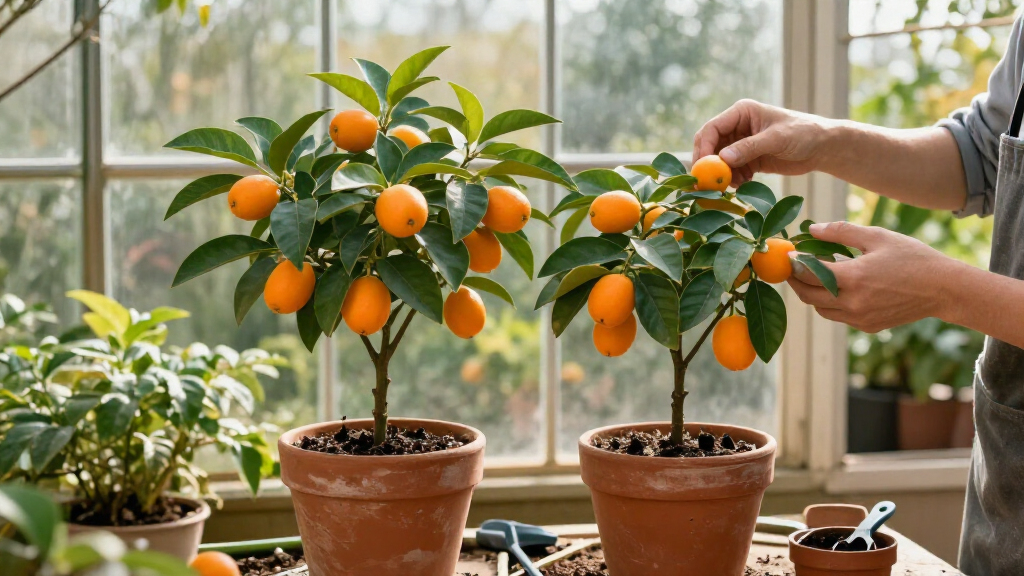
I ranked these listings by how clearly they help a buyer choose a kumquat variety and get started growing it. My main criteria were variety and fruit-style clarity, the plant’s stated height and pot size, whether it is grafted or seed-grown, and the likely effort between purchase and an established tree. I also weighed practical fit: tiny starters and seeds can suit limited spaces or patient growers, while larger potted plants may be more appealing to buyers who want a substantial start.
The ranking favors listings with useful, specific distinctions over near-duplicates. That puts the 5-gallon grafted Nagami first for its combination of named variety, grafting, and larger stated size; the 3-gallon Meiwa options rank highly for buyers seeking sweet fruit in a more established plant. Small seedlings, seed packs, and listings with little detail rank lower because they call for more patience or leave more uncertainty. Similar 1-gallon Meiwa listings remain viable alternatives, but their overlapping size claims make seller details and plant condition especially relevant.
| kumquat tree varietie | Sunlight |
|---|---|
| Nagami Kumquat Fruit Seeds | Full sun, 6–8 hours daily |
| Meiwa Kumquat Tree | Full sun |
| Meiwa Sweet Kumquat Tree | Full sun |
| Live Meiwa Kumquat Tree | Full sun |
| Meiwa Kumquat Tree Live Plant | Full sun |
| Sweet Kumquat Live Tree | Full sun |
| Nagami Kumquat Tree Seedling | Full sun |
| Nagami Kumquat Tree Starter Pl | Partial sun |
| Nagami Kumquat Starter Tree | Partial sun |
| Meiwa Kumquat Tree | — |
| Grafted Kumquat Tree Live Plan | Full sun |
| Kumquat Tree Starter Plant | Partial sun |
| Live Meiwa Kumquat Tree in 3-G | Full sun |
| Meiwa Kumquat Tree | Full sun |
| Grafted Nagami Kumquat Tree | Full sun to partial sun |
Factors to Consider When Choosing Best Kumquat Tree Varieties
Choosing among kumquat listings takes more than picking a variety name. I would match fruit preference, plant maturity, and growing conditions before comparing pot sizes, then check what the seller actually promises about grafting, shipping, and care. These broader points help prevent a common mismatch: buying a plant that sounds right but does not fit your patience, space, or climate.
Choose fruit flavor before plant size
Nagami is commonly chosen for its more tart, oval fruit, while Meiwa is known for sweeter, rounder fruit. That difference matters more than a small height variation if you already know how you plan to eat the harvest. If you enjoy sharper citrus flavor or want a familiar kumquat profile, start with Nagami; if sweetness is your priority, compare the Meiwa listings. A listing that says only “sweet kumquat” may not identify the cultivar as clearly as one that names Meiwa or Nagami. I would confirm the botanical or cultivar name with the seller if the description uses broad wording. Variety labels can be more useful than promotional claims when several plants have similar pot sizes.
Treat seeds, seedlings, and grafted trees as different purchases
A seed pack is a growing project, not an immediate substitute for a nursery tree. Seed-grown citrus can take longer to mature and may not reliably match the parent fruit, so choose seeds for the process rather than a predictable harvest. Tiny seedlings also need time to develop roots and structure before they resemble the larger potted options. Grafted plants offer a known variety on a rootstock and often reach fruiting maturity sooner than seed-grown plants, though fruiting still depends on age and care. Ask whether “grafted” refers to a confirmed graft and whether the cultivar is identified. Buyers focused on cultivar certainty should favor clearly labeled grafted stock over seed listings.
Read height and container size together
Plant height alone does not tell the whole story: a tall, narrow plant may have less root mass than a shorter plant in a larger pot. A 3-gallon or 5-gallon listing suggests a more substantial container-grown start than a 1-gallon plant, but sellers may measure height differently and shipping can affect appearance. Check whether the listed height includes the pot and whether the tree arrives in its nursery container. Larger plants can reduce the time spent raising a starter, yet they take up more room and can be harder to move indoors or protect from cold. For a patio or bright indoor growing area, plan the eventual canopy and pot weight, not just the plant’s current dimensions.
Match the tree to your climate and winter plan
Kumquats are among the more cold-tolerant citrus types, but a label such as “cold-hardy” does not mean a young potted plant can safely remain outside through every freeze. Container roots face colder conditions than roots in the ground, and wind, wet soil, and sudden temperature changes can add stress. Before ordering, check local winter lows and decide where the tree could go during cold spells: a sheltered patio, greenhouse, or bright indoor space may be needed. Indoor growing can keep a tree alive, but low light and dry heated air may limit growth and fruiting. Choose a variety only after you have a realistic seasonal plan for the plant’s location.
Check listing details that affect shipping and establishment
Live citrus can arrive with some leaf drop or temporary stress, so read the seller’s shipping and arrival instructions before buying. Look for clear information about whether the plant is rooted, grafted, and shipped in soil, along with guidance for acclimating it to sun. A sudden move from a protected nursery to full outdoor sun can scorch leaves, even in a healthy tree. Ask how the seller handles cold-weather shipping if your region is chilly during delivery. The more specific the listing is about plant identity and condition, the easier it is to compare two otherwise similar offerings. Keep the plant’s label and care notes so you can track its variety and any graft growth.
Pay more for maturity only when it solves a real problem
A larger tree can make sense if you have room, want to skip the earliest growing stages, and can manage its weight and care needs. It is less compelling if your priority is a compact starter, if you expect to move the plant often, or if the seller gives little detail about root condition and grafting. Smaller plants usually ask for more patience but can be easier to fit on a shelf or patio and less cumbersome to protect in winter. A 2-pack may appeal to growers who want a backup or a second plant, but it does not automatically mean better cultivar certainty or easier care. Compare what the added size or quantity changes for your situation before choosing a larger format.
Frequently Asked Questions
Should I choose Nagami or Meiwa if I have never grown kumquats before?
Pick by the fruit you are more likely to enjoy: Nagami is generally the more tart choice, while Meiwa is usually sweeter. Neither cultivar removes the basic care needs of citrus, including strong light, drainage, and protection from unsuitable cold. If you are undecided, a clearly labeled, established plant is a safer first purchase than seeds because it gives you a known variety and a more developed starting point. The listings here include several Meiwa sizes, so you can prioritize sweetness without settling for a tiny starter. Check that the seller identifies the cultivar rather than relying on a vague “sweet kumquat” name.
Will a kumquat grown from the listed seeds produce the same fruit as a Nagami tree?
Not necessarily. Seed-grown citrus can take years to mature, and seedlings may not reliably reproduce the parent plant’s fruit characteristics. The seed listing is best for someone who enjoys raising plants or wants a bonsai project, not for a buyer seeking a predictable Nagami harvest soon. A grafted, clearly labeled Nagami is a better fit when cultivar identity and a head start matter. Even a grafted tree needs suitable growing conditions and time before it bears fruit.
Is a 3-gallon kumquat tree a better buy than a 1-gallon tree?
It may provide a larger starting plant, but pot size alone does not prove better health or a faster harvest. Compare the listed height, whether the tree is grafted, the seller’s plant photos and description, and whether the measurements include the container. A 3-gallon tree is also heavier and needs more room, which can complicate moving it indoors for winter. If you have limited space or want a manageable young plant, a 1-gallon option may fit better. Choose the larger pot when its added size is useful to your setup, not as a guarantee of performance.
Can I keep one of these kumquat trees in a container year-round?
Yes, kumquats can be grown in containers, but year-round container care depends on your climate and available light. The pot needs drainage, and the tree needs enough sun to support healthy growth and fruiting. In cold regions, a container makes it easier to shelter the tree, though it also exposes roots to temperature swings and may require moving a heavy plant. Smaller starters are easier to relocate, while the 3- and 5-gallon options call for more space and lifting capacity. Plan for the tree’s mature size and winter location before selecting a larger plant.
What should I verify before ordering a live kumquat tree online?
Confirm the cultivar, whether the plant is grafted or seed-grown, the stated height, and the pot size. Ask whether measurements include the pot and how the tree is packed for shipment, especially if delivery will occur during very hot or cold weather. Read the arrival instructions so you know how to acclimate the plant rather than placing it immediately in harsh sun. For listings with nearly identical names, seller photos and clear plant-condition details can help distinguish them. Keep in mind that a live plant may show temporary stress after shipping and need time to settle in.
Conclusion
My best overall choice is the 5-gallon grafted Nagami for buyers who want a named variety and a substantial starting plant. For best value, I would compare the 1-gallon Meiwa listings and select the seller with the clearest cultivar, grafting, and shipping details rather than assuming the similar listings are identical. The best premium fit is the 2–3-foot Meiwa in a 3-gallon pot for buyers who want a larger sweet-fruit tree and have room to manage it. For beginners, a clearly labeled 1-gallon Meiwa or Nagami is easier to handle than seeds or a very small seedling. For bonsai or patient growers, the Nagami seeds are the project pick; for a quicker start with tart fruit, choose a grafted Nagami instead.