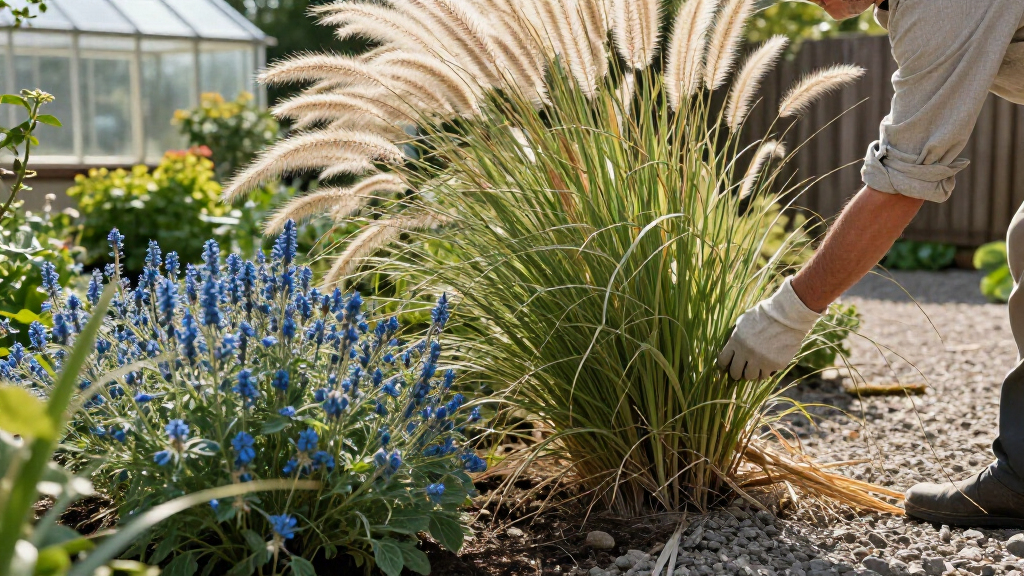

When it comes to the best ornamental grasses, the right pick depends on whether you want instant impact or a budget-friendly seed project, and whether your garden leans formal, wild, or somewhere between. The Cortaderia selloana live plants earn the top spot here because they deliver the iconic tall white plumes without the two-year wait that pampas seeds demand, and they arrive established enough to shape a landscape quickly. If you’d rather experiment for less money, the Mixed Pampas Grass Seeds Kit offers four varieties in one purchase, while Karl Foerster Feather Reed Grass is the standout for structure and cold-hardiness. The biggest tradeoff in this category is time versus cost: seeds run cheap but test your patience, while live plants cost more and establish faster. I also factored in invasiveness concerns, climate fit, and how much maintenance each grass demands. Keep reading for the full breakdown of all fifteen options.
Complete the kit


Key Takeaways
- Live plants dominated the top of the ranking because ornamental grasses grown from seed commonly take two to three seasons to reach pluming maturity, while potted plants often plume the first year.
- Pampas grass appears five times in this lineup, and the comparison revealed a clear pattern: the heirloom 1000+ seed pack is the value play, while the 2-plant Cortaderia selloana pots are the shortcut, with the 200-seed pack landing in the middle for patient gardeners.
- Fountain grasses split into three distinct roles — red for classic containers, black for moody modern designs, and the 3-clump red bundle for mass plantings — so color and quantity, not quality, separate them.
- Pink Muhly grass is the strongest pick for drought-prone southern gardens, but both options in this roundup are warm-season growers that disappoint in short-summer northern climates.
- Blue Fescue is the only truly compact option here, making it the default choice for borders, small yards, and gardeners who want ornamental grass without 8-foot plumes.
| Giant Miscanthus Grass, 2 Potted Plants |  | Best for Privacy Screening | Plant count: 2 potted plants | Pot size: 3 inches | Mature height: 10–12 feet | VIEW LATEST PRICE | See Our Full Breakdown |
| Mixed Pampas Grass Seeds Kit for Planting – 100+ Seeds (Rabbit’s Tail, White, Original & Reed Pampas) |  | Best Variety Pack | Quantity: 100+ seeds | Varieties included: Rabbit’s Tail, White Pampas, Original Color Pampas, Reed Pampas | Plant type: Perennial ornamental grass | VIEW LATEST PRICE | See Our Full Breakdown |
| Outsidepride Purple Love Grass Seed (Eragrostis spectabilis) – 500 Perennial Ornamental Grass Seeds |  | Best for Poor Soil and Wildscaping | Seed count: 500 seeds | Botanical name: Eragrostis spectabilis | USDA hardiness zone: 5–10 | VIEW LATEST PRICE | See Our Full Breakdown |
| 200 PCS White Pampas Grass Seeds – Perennial Ornamental Grass Seeds, Heirloom |  | Best Value for Beginners | Quantity: 200 seeds | Plant type: Pampas grass, ornamental perennial | Plume color: White | VIEW LATEST PRICE | See Our Full Breakdown |
| Ornamental Pampas Grass (Cortaderia selloana), White – 2 Live Perennial Plants in 1.5 Qt Pots |  | Best Skip-the-Seeds Pick | Botanical name: Cortaderia selloana | Quantity: 2 live plants | Pot size: 1.5 Qt | VIEW LATEST PRICE | See Our Full Breakdown |
| 3 Red Purple Fountain Grass Plants, Live Clumps, 4–8 Inches |  | Best Statement Border Grass | Quantity: 3 plants | Foliage color: Red-purple, multicolor | Mature height: 3–5 feet | VIEW LATEST PRICE | See Our Full Breakdown |
| 3 Pink Muhly Grass Live Plants (Muhlenbergia capillaris) in 2.5″ Cubes |  | Best Low-Maintenance Perennial | Quantity: 3 plants in 2.5″ cubes | Botanical name: Muhlenbergia capillaris | Hardiness zones: 5–11 | VIEW LATEST PRICE | See Our Full Breakdown |
| Red Fountain Grass Live Plants – Pack of 2, 5-9″ Tall (Pennisetum setaceum Rubrum) |  | Best Container Thriller | Quantity: Pack of 2 | Botanical name: Pennisetum setaceum ‘Rubrum’ | Shipped height: 5–9 inches, bare-root | VIEW LATEST PRICE | See Our Full Breakdown |
| Clovers Garden Blue Fescue Ornamental Grass, 2 Live Plants in 4-Inch Pots |  | Best Compact Edging Pick | Plant count: 2 live plants | Pot size: 4 inches | Mature height: About 8 inches | VIEW LATEST PRICE | See Our Full Breakdown |
| Bunny Tail Grass Seeds (Lagurus ovatus) for Planting |  | Best Budget-Friendly Starter and Cut-Flower Option | Botanical name: Lagurus ovatus | Mature height: About 18 inches | Sunlight: Full sun to partial shade | VIEW LATEST PRICE | See Our Full Breakdown |
| Blue Fescue Ornamental Grass Seeds (50+ Seeds) – Drought Tolerant Perennial Festuca |  | Best Low-Growing Option | Quantity: 50+ seeds | Brand: Cheryl’s Unique Flower Seeds | Plant Height: 10-12 inches | VIEW LATEST PRICE | See Our Full Breakdown |
| Karl Foerster Feather Reed Grass – Live Perennial Plant, 1 Gallon Pot |  | Best for Structure and Privacy | Plant Type: Perennial ornamental grass | Botanical Name: Calamagrostis ‘Karl Foerster’ | Season: Cool-season | VIEW LATEST PRICE | See Our Full Breakdown |
| 1000+ Mixed Pampas Grass Seeds (Cortaderia selloana), Heirloom Ornamental Grass |  | Best for Large-Scale Coverage | Seed Quantity: 1000+ | Plant Type: Pampas grass (Cortaderia selloana) | Features: Heirloom | VIEW LATEST PRICE | See Our Full Breakdown |
| Black Fountain Grass Live Plants, 2 Count, 4–8 Inches Tall |  | Best for Container and Border Contrast | Quantity: 2 live plants | Plant Height on Arrival: About 4 inches (4-8 inches listed) | Sunlight Exposure: Full sun | VIEW LATEST PRICE | See Our Full Breakdown |
| Pink Muhly Grass Live Plant, 4–8 Inches Tall |  | Best for Seasonal Color | Plant Type: Ornamental grass | Scientific Name: Muhlenbergia capillaris | Plant Height: Approximately 4-8 inches | VIEW LATEST PRICE | See Our Full Breakdown |
| ornamental grasse | Mature height | Quantity |
|---|---|---|
| Giant Miscanthus Grass | 10–12 feet | — |
| Mixed Pampas Grass Seeds Kit f | — | 100+ seeds |
| Outsidepride Purple Love Grass | 20 inches | — |
| 200 PCS White Pampas Grass See | — | 200 seeds |
| Ornamental Pampas Grass | 6–10 feet | 2 live plants |
| 3 Red Purple Fountain Grass Pl | 3–5 feet | 3 plants |
| 3 Pink Muhly Grass Live Plants | 2–3 ft mounds; plumes 4–5 ft | 3 plants in 2.5" cubes |
| Red Fountain Grass Live Plants | 3–4 feet | Pack of 2 |
| Clovers Garden Blue Fescue Orn | About 8 inches | — |
| Bunny Tail Grass Seeds | About 18 inches | — |
| Blue Fescue Ornamental Grass S | — | 50+ seeds |
| Karl Foerster Feather Reed Gra | — | — |
| 1000+ Mixed Pampas Grass Seeds | — | — |
| Black Fountain Grass Live Plan | — | 2 live plants |
| Pink Muhly Grass Live Plant | — | — |
More Details on Our Top Picks
Giant Miscanthus Grass, 2 Potted Plants
When the goal is a living wall rather than a decorative accent, this option stands out from the rest of the lineup. Giant Miscanthus reaches 10–12 feet at maturity, which puts it well above the 6–10 foot ceiling of the Cortaderia selloana two-pack, and unlike pampas-based picks it is sterile, so it will never self-sow into neighboring beds. The tradeoff is patience and space: full height takes several seasons, and mature clumps develop dense root systems that are genuinely hard to remove if plans change. Compared with seed kits like the 100+ Mixed Pampas kit, starting from potted plants buys you at least a full season of head start. This pick makes the most sense for homeowners with a large, sunny perimeter to screen and no intention of relocating plants later.
Pros:- Tallest mature height in the roundup at 10–12 feet, ideal for screening
- Sterile, so it won’t self-sow or spread aggressively like pampas grass
- Season-long interest: green summer foliage, bronze fall color, winter plumes
- Drought-tolerant and deer-resistant once established
Cons:- Full height and density can take several seasons to develop
- Dense mature roots are difficult to remove if you change your layout
- Needs a wide, full-sun planting spot to reach its potential
Best for: Homeowners with a large sunny property line who want a tall, non-invasive privacy screen
Not ideal for: Small yards or renters — mature clumps reach 10–12 feet and the roots are difficult to dig out
- Plant count:2 potted plants
- Pot size:3 inches
- Mature height:10–12 feet
- Spread:3 feet
- Sun exposure:Full sun
- Hardiness zones:5–9
- Bloom period:Fall
- Growth habit:Warm-season, clumping, sterile
Our verdict“Buy this if you have the room for a permanent, towering screen; skip it if your space or long-term plans can’t commit to a 12-foot giant.”
Mixed Pampas Grass Seeds Kit for Planting – 100+ Seeds (Rabbit’s Tail, White, Original & Reed Pampas)
Most picks in this roundup commit you to one look. This kit spreads the bet across four grasses — Rabbit’s Tail, White Pampas, Original Pampas, and Reed Pampas — giving you a mix of textures and heights from a single purchase. Compared with the 200 PCS White Pampas seed set, you sacrifice sheer seed volume but gain the ability to see which variety actually thrives in your soil before investing further. The catch is the same one that shadows every seed-based option here: plumes don’t arrive until the second year, and germination demands surface sowing with patience. Against live plants like the Pink Muhly trio, the value case is real but the wait is longer. This option suits experimental gardeners who enjoy the starting process itself, not buyers who want impact this season.
Pros:- Four varieties in one kit for mixed heights, textures, and plume colors
- Drought-tolerant and low-maintenance once established
- Harvested plumes dry well for DIY decor arrangements
- Far cheaper per plant than buying live potted grasses
Cons:- Full plumes take two years to appear
- Surface sowing and germination require care and patience
Best for: Experiment-minded gardeners who want to trial multiple grass textures across a border on a budget
Not ideal for: Anyone wanting visible results this season — second-year plumes mean a long wait
- Quantity:100+ seeds
- Varieties included:Rabbit’s Tail, White Pampas, Original Color Pampas, Reed Pampas
- Plant type:Perennial ornamental grass
- Sun exposure:Full sun
- Water needs:Low once established
- Germination:Surface sow; seeds need light to germinate
- Maturity:Spectacular plumes in second year
Our verdict“A smart pick for patient gardeners who want variety and don’t mind nurturing plants from seed; impatient buyers should choose live plants instead.”
Outsidepride Purple Love Grass Seed (Eragrostis spectabilis) – 500 Perennial Ornamental Grass Seeds
Nearly everything else in this roundup wants decent garden soil. Purple Love Grass is the outlier: a native U.S. perennial that actually prefers sandy, infertile ground where fussier picks like the Blue Fescue live plants would struggle. At roughly 20 inches tall, it plays a completely different role from towering options — this is a mass-planting, naturalizing grass that fills difficult strips with rosy-purple late-summer blooms and bronze fall foliage. It also earns its place on ecology grounds, attracting butterflies and sheltering ground-nesting birds, something sterile ornamentals like Giant Miscanthus can’t claim. The tradeoff is a slow start: germination runs around 21 days, and seeds fail if buried under soil. This pick makes the most sense for meadow-style or low-input landscapes, not formal borders demanding instant polish.
Pros:- Thrives in poor, sandy soils with little to no supplemental watering
- Native species that supports butterflies and ground-nesting birds
- Rosy-purple summer blooms followed by bronze fall foliage
- Spreads by rhizomes and self-seeds for effortless naturalizing
Cons:- Slow germination of around 21 days
- Seeds must be surface-sown and not covered, making starts finicky
- 20-inch height limits its use for screening or focal points
Best for: Owners of sandy or infertile lots who want a low-water, wildlife-friendly native grass for naturalizing
Not ideal for: Gardeners wanting a tidy, formal accent plant — it self-seeds and spreads by rhizomes
- Seed count:500 seeds
- Botanical name:Eragrostis spectabilis
- USDA hardiness zone:5–10
- Mature height:20 inches
- Sun exposure:Full sun
- Soil type:Loam / sandy, infertile soils
- Germination time:About 21 days at 68–72°F
Our verdict“The clear choice for rough, dry ground where other grasses fail; formal-garden growers should pick a clumping variety instead.”
200 PCS White Pampas Grass Seeds – Perennial Ornamental Grass Seeds, Heirloom
For a first attempt at ornamental grass from seed, this set keeps things simple: 200 heirloom seeds of a single, reliable variety with a reputation for easy germination. Where the Mixed Pampas kit trades volume for variety, this option goes all-in on quantity, which matters for beginners because a few failed starts won’t sink the project. The white plumes work in borders, containers, and cut-flower arrangements, mirroring the dried-flower appeal of the live Cortaderia selloana two-pack at a fraction of the per-plant cost. Two real cautions: pampas grass is invasive in some regions, so check local guidance before sowing, and plants need a season or more before blooming. Compared with buying live plants, you’re trading speed for scale — a fair swap if you’re filling a large bed on a budget.
Pros:- Large 200-seed count forgives beginner germination mistakes
- Easy to grow with flexible use in gardens, containers, and arrangements
- Heirloom seed type suited to saving and re-sowing
- Dramatic feathery white plumes at a low cost per plant
Cons:- Pampas grass can be invasive in some regions
- Establishment and first blooms take a season or more
Best for: Budget-conscious beginners sowing a large bed who want maximum seeds for the money
Not ideal for: Gardeners in regions where pampas grass is flagged as invasive, or anyone wanting blooms this year
- Quantity:200 seeds
- Plant type:Pampas grass, ornamental perennial
- Plume color:White
- Seed type:Heirloom
- Sun exposure:Full sun
- Uses:Garden, containers, cut flower arrangements
Our verdict“The most forgiving entry point into pampas grass from seed, provided your region permits it and you can wait out the first year.”
Ornamental Pampas Grass (Cortaderia selloana), White – 2 Live Perennial Plants in 1.5 Qt Pots
If the two-year wait of seed kits sounds miserable, this two-pack of live pampas plants is the shortcut. Arriving at 10 inches tall in roomy 1.5-quart pots, these plants hit the ground running compared with the 200 PCS seed set, and the larger root volume gives them a sturdier start than smaller cube-pack options like the Pink Muhly trio. At maturity they reach 6–10 feet, enough for a focal point or windbreak, with cream plumes that work in both fresh and dried arrangements. The honest downsides: 10-inch arrivals still need a couple of seasons to hit mature height, and this is zones 7–11 only — colder-climate buyers are better served by the zone 5–hardy Giant Miscanthus. Like all pampas, it can spread aggressively in some regions, so confirm local rules before planting.
Pros:- Live plants skip the germination stage entirely
- 1.5-quart pots offer a stronger root system than smaller plugs
- Reaches 6–10 feet for screening, windbreaks, or focal points
- Drought-tolerant and useful for fresh or dried floral arrangements
Cons:- Plants arrive small at 10 inches and take seasons to mature
- Hardy only in zones 7–11, limiting cold-region use
- Can spread aggressively in some regions
Best for: Warm-climate gardeners (zones 7–11) who want established plants instead of waiting on seeds
Not ideal for: Cold-climate growers below zone 7 and anyone in an area where pampas is considered invasive
- Botanical name:Cortaderia selloana
- Quantity:2 live plants
- Pot size:1.5 Qt
- Shipped size:10 inches tall x 5 inches wide
- Mature height:6–10 feet
- USDA hardiness zone:7–11
- Sun exposure:Full sun
- Blooming period:Summer, Fall
Our verdict“The fastest route to full-size pampas grass for warm-zone gardeners; cold-climate or invasive-wary buyers should look elsewhere.”
3 Red Purple Fountain Grass Plants, Live Clumps, 4–8 Inches
Red Purple Fountain Grass earns its place as the best statement option for landscape borders, thanks to a rare combination of bold red-purple foliage and a blooming season that runs from spring straight through fall. Compared with the Pink Muhly Grass, which saves its show for late summer, this one delivers color for months on end — a real advantage if your garden looks empty in June. At a mature 3–5 feet, it also towers over the compact Blue Fescue, making it the better backdrop plant. The tradeoff is climate: it’s only perennial in Zones 9–11, so northern gardeners are effectively buying an annual and replanting every spring. It also demands full sun, fading in shadier spots where the Bunny Tail Grass would cope better.
Pros:- Red-purple foliage delivers color from spring through fall
- Fluffy plumes add movement and multi-season visual interest
- Sizable 3–5 foot mature height works well as a border or backdrop
- Equally at home in landscape beds and large patio containers
Cons:- Only perennial in Zones 9–11; requires annual replanting in cooler climates
- Demands full sun (6+ hours) to maintain its rich color
Best for: Warm-climate gardeners (Zones 9–11) who want months of continuous color along borders or fences
Not ideal for: Northern gardeners unwilling to replant annually — it won’t survive winters outside Zones 9–11
- Quantity:3 plants
- Foliage color:Red-purple, multicolor
- Mature height:3–5 feet
- Hardiness:USDA Zones 9–11 (annual in cooler climates)
- Sunlight:Full sun (6+ hours daily)
- Blooming period:Spring to fall
- Shipped size:4–8 inches
Our verdict“This pick makes the most sense for warm-zone gardeners who want the longest-lasting color display of any fountain grass in the lineup.”
3 Pink Muhly Grass Live Plants (Muhlenbergia capillaris) in 2.5″ Cubes
For buyers who want ornamental grass they can plant once and largely ignore, Pink Muhly Grass is the standout. Its Zones 5–11 hardiness range covers most of the country as a true perennial — unlike both fountain grass options, which need annual replanting anywhere north of Zone 9. Once established, it’s drought-tolerant, deer-resistant, and non-toxic, which makes it a safer choice for pet owners than many alternatives in this roundup. The cotton-candy pink plumes arrive late summer through fall and reach 4–5 feet, creating a softer, airier effect than the denser burgundy of the Red Fountain Grass. The main compromise is patience: 2.5-inch starter cubes take a season or two to fill out, and plants vary naturally in size and color. Shipping restrictions also exclude Alaska, Hawaii, and Puerto Rico.
Pros:- Perennial across Zones 5–11, so no annual replanting for most of the country
- Drought-tolerant and low-maintenance once established
- Deer-resistant and non-toxic, making it pet friendly
- Backed by a 30-day replacement or refund guarantee
Cons:- Natural variation in size, color, and seasonal appearance between plants
- Cannot ship to Alaska, Hawaii, or Puerto Rico
Best for: Busy gardeners and pet owners in Zones 5–11 who want a hardy, drought-tolerant perennial with minimal upkeep
Not ideal for: Gardeners wanting instant impact — small starter cubes need a season or two to reach full pink-plume glory
- Quantity:3 plants in 2.5″ cubes
- Botanical name:Muhlenbergia capillaris
- Hardiness zones:5–11
- Mature height:2–3 ft mounds; plumes 4–5 ft
- Sunlight:Full sun
- Blooming period:Late summer through fall
- Watering:Low; drought tolerant once established
- Warranty:30-day replacement/refund guarantee
Our verdict“This is the pick for anyone who values long-term dependability and pet safety over instant, dramatic color.”
Red Fountain Grass Live Plants – Pack of 2, 5-9″ Tall (Pennisetum setaceum Rubrum)
This 2-pack of Red Fountain Grass ‘Rubrum’ is the clear choice for container gardening. Its arching burgundy foliage and rose-colored plumes are built to serve as the ‘Thriller’ centerpiece in a potted arrangement — a role the low-growing Blue Fescue or 18-inch Bunny Tail Grass simply can’t fill at 3–4 feet tall. It’s fast-growing, filling its space within a single season, which offsets the modest 5–9 inch shipping size better than slower options. Compared with the 3-pack of Red Purple Fountain Grass, you get fewer plants but a named cultivar with reliably uniform habit. The honest downsides: plants arrive bare-root and may show shipping stress initially, availability is seasonally limited, and — like all fountain grasses here — it’s only perennial in Zones 9–11.
Pros:- Tall 3–4 foot arching habit is ideal as a container ‘Thriller’ centerpiece
- Fast-growing, filling out within one season
- Drought-tolerant, heat-loving, and resistant to deer and rabbits
- Named ‘Rubrum’ cultivar delivers reliably uniform burgundy color
Cons:- Bare-root shipping means plants may look stressed on arrival
- Perennial only in Zones 9–11; annual replanting elsewhere
- Limited seasonal availability
Best for: Patio and balcony gardeners who want a dramatic tall centerpiece for containers and live in warm zones
Not ideal for: Cold-climate container gardeners — annual replanting plus bare-root shipping stress adds up to poor value
- Quantity:Pack of 2
- Botanical name:Pennisetum setaceum ‘Rubrum’
- Shipped height:5–9 inches, bare-root
- Mature height:3–4 feet
- Hardiness:Perennial in Zones 9–11; annual in Zones 3–8
- Sun exposure:Full sun (6+ hours daily)
- Water needs:Drought tolerant once established
Our verdict“Choose this one if container drama is the goal — just know you’re gambling on bare-root condition and warm winters.”
Clovers Garden Blue Fescue Ornamental Grass, 2 Live Plants in 4-Inch Pots
Blue Fescue ‘Elijah Blue’ is the best compact option in this lineup, topping out around 8 inches where fountain grasses reach 4 feet or more. That size makes it the go-to for edging, rock gardens, groundcover, and container rims — jobs the tall Pink Muhly or Red Fountain Grass would overwhelm. Its silvery blue-green foliage is also the only true cool-toned color in the batch, a nice contrast against all the burgundy and pink. With hardiness spanning Zones 4–11, it’s a genuine perennial for nearly everyone, including cold-climate gardeners shut out of the fountain grasses entirely. Tradeoffs: it needs regular watering while establishing (unlike the drought-ready Muhly), prefers sandy soil, and requires an annual trim to about 2 inches each spring — a small but real chore the larger grasses don’t demand.
Pros:- Hardy perennial from Zones 4–11, one of the widest ranges in the lineup
- Unique silvery blue-green foliage contrasts with warm-toned grasses
- Versatile for edging, groundcover, containers, rock gardens, and slopes
- Arrives in 4-inch pots with a planting guide for an easier start
Cons:- Requires regular watering during establishment
- Needs cutting back to about 2 inches every spring before new growth
Best for: Gardeners in cold climates (down to Zone 4) who need a tidy, low-growing edging or rock-garden plant
Not ideal for: Anyone seeking height or dramatic plumes — at 8 inches, this is a supporting player, not a focal point
- Plant count:2 live plants
- Pot size:4 inches
- Mature height:About 8 inches
- Hardiness zones:4–11
- Sunlight:Full sun
- Soil type:Sandy
- Care:Trim to 2 inches before spring growth
Our verdict“This option stands out for cold-zone gardeners who want tidy, colorful structure rather than towering plumes.”
Bunny Tail Grass Seeds (Lagurus ovatus) for Planting
For the lowest-cost entry into ornamental grass, Bunny Tail Grass seeds are hard to beat — and they’re the only option here grown specifically for harvesting. The soft, fluffy seed heads dry beautifully for floral arrangements and décor, something no live plant in this roundup offers. Unlike the bare-root or potted alternatives, seeds let you fill an entire border for the price of one plant, though you’ll wait longer for results than with the 2-pack of Red Fountain Grass. At around 18 inches, it sits neatly between the dwarf Blue Fescue and the towering grasses, and it tolerates partial shade and a wide Zone 3–11 range. The catch is moisture: it wants consistently moist, well-drained soil, and planting is confined to spring through early summer after the last frost — miss that window and you wait a year.
Pros:- Seeds offer the most plants per dollar of any option in the roundup
- Fluffy plumes dry well for arrangements and home décor
- Tolerates partial shade and a wide Zone 3–11 range
- Works in borders, beds, and containers at a manageable 18 inches
Cons:- Requires consistently moist soil — not a fit for hands-off xeriscapes
- Planting window limited to spring through early summer after last frost
Best for: Crafters and cut-flower enthusiasts who want lots of plants cheaply and don’t mind growing from seed
Not ideal for: Impatient gardeners or those with dry, sandy plots — seeds demand consistent moisture and a tight planting window
- Botanical name:Lagurus ovatus
- Mature height:About 18 inches
- Sunlight:Full sun to partial shade
- Bloom period:Summer to fall
- Planting period:Spring to early summer, after last frost
- Hardiness zones:3–11
- Soil:Well-drained, loamy
- Seed treatment:Untreated, GMO-free
Our verdict“This pick makes the most sense for budget-minded growers who want harvestable, touchable plumes and can commit to seed-starting care.”
Blue Fescue Ornamental Grass Seeds (50+ Seeds) – Drought Tolerant Perennial Festuca
Blue Fescue fills a slot nothing else in this roundup covers: compact, cool-toned ground-level texture. At just 10–12 inches tall, it works as an edging plant where Karl Foerster Feather Reed Grass would tower overhead at several times the height. What makes this packet appealing is its flexibility with light — unlike Black Fountain Grass and Pink Muhly Grass, which demand full sun, this one tolerates both sun and shade. The blue-green color actually deepens when the plant is watered less, so it suits gardeners who forget to irrigate. Compared with the Clovers Garden Blue Fescue live plants elsewhere in this guide, starting from seed takes patience but costs far less per plant. The main commitment is an annual cutback to 2 inches each early spring, which is real work if you plant a long border of them.
Pros:- Drought tolerant and thrives on neglect, with color intensifying in dry conditions
- Grows in both full sun and full shade, unlike most picks here
- Stays green through winter for year-round interest
- Includes sowing instructions for indoor winter starts or direct spring planting
Cons:- Requires annual cutting back to 2 inches in early spring
- Seed starting demands patience versus buying established live plants
Best for: Gardeners edging pathways or borders who want a short, blue-toned grass that survives dry spells and shade
Not ideal for: Anyone wanting instant height or a specimen plant — these seeds produce small clumps and take a season or two to fill in
- Quantity:50+ seeds
- Brand:Cheryl’s Unique Flower Seeds
- Plant Height:10-12 inches
- Sunlight Exposure:Full sun or full shade
- USDA Hardiness Zones:4-9
- Planting Period:Spring (indoor winter start possible)
- Soil Type:Sandy soil
- Color:Blue, green
Our verdict“This is the pick for low-maintenance edging and rock-garden texture where a foot-tall blue clump fits better than a towering grass.”
Karl Foerster Feather Reed Grass – Live Perennial Plant, 1 Gallon Pot
Karl Foerster is the architect of this lineup. While pampas grass seed options can eventually reach similar heights, this live gallon plant delivers upright, vertical structure from the first season, with wheat-like seed heads that emerge in late spring and hold through winter. Its tidy clumping habit is the real differentiator — it neither flops after rain nor spreads invasively, which is more than can be said for pampas grass varieties in this guide. It also handles heavy clay soils that would stunt Black Fountain Grass or Pink Muhly Grass. The tradeoffs are real, though: as a cool-season grass it loses vigor in regions with brutally hot summers, and it needs an establishment period before its drought tolerance kicks in. Arriving as a gallon pot rather than a 4-inch seedling gives it a head start over the smaller live plants here.
Pros:- Upright clumping habit stays tidy without flopping or aggressive spreading
- Seed heads persist from late spring through winter for year-round interest
- Thrives in heavy clay soils that defeat many other ornamental grasses
- Arrives as a 1 gallon established plant for faster landscape impact
Cons:- Cool-season growth may lag in hot summer climates
- Requires an establishment period before drought tolerance develops
Best for: Homeowners building borders, screens, or vertical accents in clay soil and cold-winter climates
Not ideal for: Gardeners in hot, humid summer regions where cool-season grasses stall, or anyone wanting color rather than structure
- Plant Type:Perennial ornamental grass
- Botanical Name:Calamagrostis ‘Karl Foerster’
- Season:Cool-season
- Pot Size:1 gallon growers pot
- USDA Zones:4-8
- Drought Tolerance:Drought-tolerant once established
Our verdict“This is the choice for a reliable, four-season vertical screen — especially in tough clay soil where fussier grasses fail.”
1000+ Mixed Pampas Grass Seeds (Cortaderia selloana), Heirloom Ornamental Grass
When the job is filling a big landscape cheaply, nothing in this roundup competes with 1000+ heirloom pampas seeds. Karl Foerster offers height, but at one live plant per purchase you cannot screen a long property line with it affordably. At 8–12 feet mature height, this pampas mix creates wind protection and visual screening on a scale that Black Fountain Grass or Blue Fescue simply cannot approach. The compromise is time and conditions: unlike the gallon-pot Karl Foerster, these seeds need a full season or more before they deliver drama, and they demand full sun plus moderate watering — no shade tolerance like Blue Fescue offers. Compared with the 100+ seed mixed kit elsewhere in this guide, this packet trades variety for sheer volume of a single proven heirloom species.
Pros:- Enormous seed count makes mass planting affordable at scale
- Reaches 8-12 feet for real screening and wind protection
- Grows in most soils with little maintenance once established
- Heirloom mix produces feathery ornamental blooms
Cons:- Requires full sun and moderate watering — less forgiving than Blue Fescue
- Slow to deliver results compared with buying live, established plants
Best for: Rural or large-property owners who want to screen views or block wind across a wide area on a seed budget
Not ideal for: Small yards or suburban lots — 12-foot-tall pampas overwhelms tight spaces, and impatient gardeners will dislike the wait
- Seed Quantity:1000+
- Plant Type:Pampas grass (Cortaderia selloana)
- Features:Heirloom
- Color:Mix
- Expected Plant Height:Up to 12 feet
- Sunlight Exposure:Full sun
- Planting Period:Spring
- Moisture Needs:Moderate watering
Our verdict“Buy this if you need to cover serious acreage with tall grass on a budget; skip it for small ornamental accents.”
Black Fountain Grass Live Plants, 2 Count, 4–8 Inches Tall
Where most entries here trade on height or volume, Black Fountain Grass wins on foliage drama in a small footprint. Its dark, arching blades create contrast that lighter grasses like Pink Muhly Grass can’t match, making it the pick for gardeners designing with color rather than mass. The two-plant count suits pairing at a doorway or flanking a border, and it takes readily to outdoor planters — something a 12-foot pampas grass would never tolerate. Compared with the Red Fountain Grass and Red Purple Fountain Grass multi-packs elsewhere in this guide, this option leans moodier and darker rather than warm-toned. The honest tradeoffs: it arrives small, roughly 4 inches, so expect a season of growing out, and it is thirstier than Blue Fescue, needing full sun and regular watering to produce its feathery plumes.
Pros:- Dark arching foliage provides contrast against green-heavy plantings
- Versatile in borders, accents, and outdoor planters
- Develops soft, feathery plumes as it matures
- Two-plant set works well for symmetrical placement
Cons:- Arrives around 4 inches tall and needs a full season to mature
- Requires full sun and regular watering — no drought tolerance
Best for: Container gardeners and border designers who want dark foliage contrast without committing to tall grasses
Not ideal for: Low-water or part-shade gardens — this grass needs full sun and consistent moisture to thrive
- Quantity:2 live plants
- Plant Height on Arrival:About 4 inches (4-8 inches listed)
- Sunlight Exposure:Full sun
- USDA Hardiness Zone:5-9
- Moisture Needs:Regular watering
- Blooming Period:Spring to summer
- Color:Green (dark foliage)
Our verdict“Choose this pair for dark-toned texture in pots and borders, provided you can give it sun and steady water.”
Pink Muhly Grass Live Plant, 4–8 Inches Tall
If the goal is a show-stopping bloom display, Pink Muhly is the emotional pick of this batch. Its airy pink plumes create a cotton-candy haze in autumn that no structural grass like Karl Foerster or dark-foliage option like Black Fountain Grass can replicate. As a single live plant, it suits a gardener who wants one specimen in a border or planter, whereas the 3-plant Pink Muhly pack elsewhere in this roundup makes more sense for mass plantings — this single unit is the lower-commitment entry point. It handles a variety of placements, from borders to containers, and stays genuinely low maintenance once established. The compromises mirror its darker cousin: it demands full sun for the best pink display, needs regular watering while young, and arrives small at 4–8 inches, so the famous plume show is a season or two away.
Pros:- Airy pink plumes deliver unmatched seasonal color
- Works in borders, planters, and mass plantings alike
- Low maintenance once established
- Single-plant format keeps cost and commitment low for first-timers
Cons:- Requires full sun to produce its signature plumes
- Needs regular watering, especially while establishing
- Arrives small at 4-8 inches and takes time to mature
Best for: Gardeners wanting one or two specimen plants with a dramatic pink seasonal display rather than a mass planting
Not ideal for: Shaded yards or buyers expecting immediate impact — without full sun the plumes underperform, and young plants need patience
- Plant Type:Ornamental grass
- Scientific Name:Muhlenbergia capillaris
- Plant Height:Approximately 4-8 inches
- Sunlight Exposure:Full sun
- USDA Hardiness Zone:5-9
- Moisture Needs:Regular watering
- Blooming Period:Spring to summer
- Color:Pink
Our verdict“This is the pick for a single statement plant with a pink payoff — as long as you have sun and patience.”
How We Picked
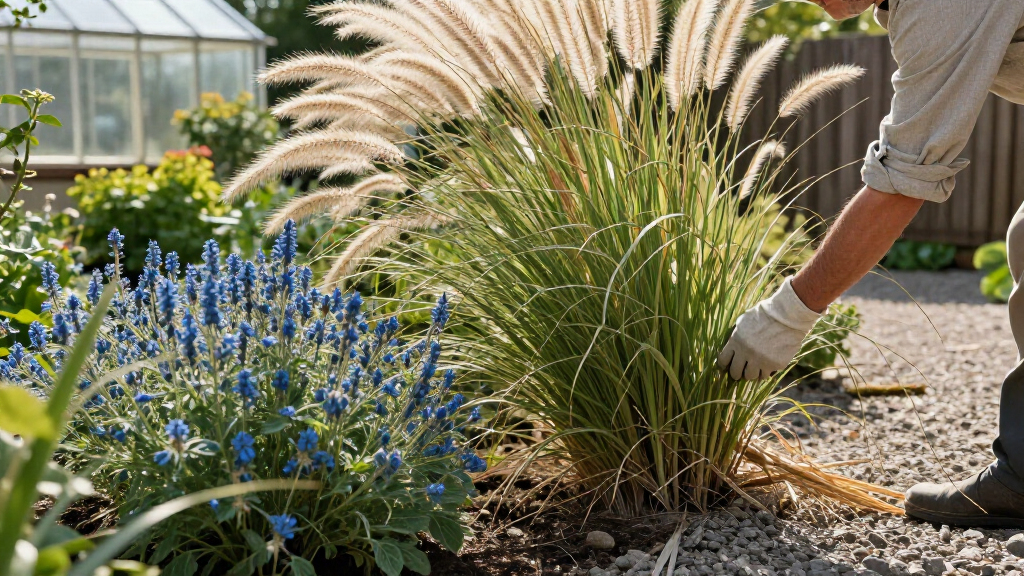
I evaluated each option on five buyer-relevant criteria. Establishment speed weighed heaviest: live plants in quart or gallon pots typically plume within a season, while seed packets trade money for a multi-year wait, and that tradeoff shapes the entire ranking. Climate fit came next — Pink Muhly and fountain grasses are warm-season plants that fail to thrive in cold zones, whereas Karl Foerster Feather Reed Grass and Blue Fescue handle harsh winters without complaint. I also scored visual impact (plume height, color, and how the grass reads in a landscape), maintenance burden including self-seeding and invasiveness risk, and versatility across uses like containers, borders, privacy screens, and mass plantings.
The ranking logic is straightforward: options that deliver reliable results for the most buyers — established live plants with proven landscape performance — sit near the top, while bulk seed packs rank lower despite their value, because germination rates and patience requirements narrow their audience. Where two products are nearly identical, as with the two Pink Muhly listings, quantity, pot size, and price-per-plant broke the tie rather than a quality difference.
Factors to Consider When Choosing Best Ornamental Grasses
Choosing ornamental grasses is less about finding the “best” grass and more about matching a grass to your climate, space, and patience level. Before buying any of the fifteen options above, work through these factors — they prevent the most common (and expensive) mistakes I see gardeners make with this category.Seeds vs. Live Plants: The Patience Tax
This is the single biggest decision in the category, and it explains most of the price differences across this roundup. Pampas, Muhly, and fountain grasses grown from seed often spend their first year building root systems and may not produce their signature plumes until year two or three. Live plants, by contrast, arrive with a head start and frequently plume in their first season in the ground. The mistake buyers make is assuming a 1000-seed pack is a bargain — if only a fraction germinate and none plume for two years, the value proposition collapses. My general rule: buy seeds for Blue Fescue, Love Grass, and Bunny Tails (all fast and reliable from seed), and buy live plants for pampas and Muhly, where the wait is longest and germination is fussiest.
Hardiness Zone and Warm-Season Limits
Several grasses in this roundup — Pink Muhly, red and black fountain grass, and pampas — are warm-season growers that need long, hot summers to perform. Fountain grasses are technically perennials only in zones 9–11; everywhere else they behave as annuals, which surprises buyers who assumed “perennial” on the label meant permanent in their yard. Karl Foerster Feather Reed Grass is the opposite: it thrives in zones 4–9 and is one of the few ornamental grasses that handles both cold winters and clay soil. Before ordering, check your USDA zone honestly, and if you’re in a short-season climate, lean toward Feather Reed, Blue Fescue, or Giant Miscanthus rather than the southern showpieces.
Mature Size and Placement Planning
Almost every ornamental grass looks small and harmless at purchase, then triples in width within two seasons. Pampas grass reaches 8–10 feet tall and 6 feet wide — a single plant can swallow a narrow side yard, and its leaf edges are sharp enough to make weeding around it unpleasant. Blue Fescue stays under 12 inches and suits borders and rock gardens, while Feather Reed Grass grows tall but narrow, making it the best privacy-screen option for tight spaces. The mistake to avoid: planting based on the size in the shipping pot. Look up the mature spread, space plants accordingly, and keep sharp-leafed varieties away from walkways and where children play.
Invasiveness and Self-Seeding Risk
Pampas grass is flagged as invasive in parts of California, Hawaii, and other regions because a single plant produces millions of wind-carried seeds. Purple Love Grass and some fountain grass varieties self-seed aggressively in warm climates too. This doesn’t make them bad choices — in cold-winter regions, self-seeding rarely becomes a problem — but it does mean checking your local invasive plant list before ordering bulk pampas seed. If you want the pampas look with less risk, a single live plant whose plumes you cut before seed dispersal is far more controllable than a thousand seeds broadcast across your property. Sterile cultivars like Karl Foerster sidestep the issue entirely.
Sun, Water, and Soil Realities
Most ornamental grasses in this roundup want full sun — six or more hours daily — and will flop, thin out, or refuse to plume in shade. Blue Fescue tolerates partial shade better than most, and Feather Reed Grass handles consistently moist soil that would rot pampas. Drought tolerance is another dividing line: Muhly, Blue Fescue, and Love Grass thrive on neglect once established, while fountain grasses look best with regular watering in containers. Don’t fight your site; match the grass to the conditions you actually have, because amending soil for a sun-lover in a shady yard rarely works long-term.
Container vs. In-Ground Growing
If you’re planting in pots, the calculus changes completely. Red and black fountain grasses are the container champions — they have the texture and color without the root aggression, and treating them as annuals in cold zones feels like less of a loss. Giant Miscanthus and pampas are poor container choices long-term because their root systems outgrow most pots within a few seasons. Bunny Tail grass is a fun, low-stakes container option that grows fast from seed and dries beautifully for arrangements. A common mistake is potting a 10-foot grass in a decorative planter and dealing with a root-bound, tipping hazard by year two — size the pot to the plant’s three-year outlook, not its arrival size.
Frequently Asked Questions
How long does pampas grass take to grow from seed versus a live plant?
Pampas seeds typically germinate in two to three weeks under warm conditions, but the seedlings spend their first full season forming clumps and rarely produce plumes until the second or third year. A live plant like the Cortaderia selloana in a quart pot already has a year or more of root development and will usually plume in its first full season in your garden. If you’re landscaping a new yard and want privacy or visual height within a year, live plants justify the higher cost. If you’re filling a large meadow area on a budget and can wait, the seed packs make more sense — just start them indoors in late winter to shave a season off the timeline.
Will fountain grass survive winter in my climate?
Red and black fountain grass (Pennisetum setaceum cultivars) are hardy perennials only in roughly zones 9–11. In zones 8 and colder, they die with the first hard frost and behave as annuals unless you overwinter them indoors or take divisions before frost. Some gardeners pot up a clump, keep it in a bright frost-free spot, and replant in spring — that works, but it’s a commitment. If you want a purple-burgundy grass that genuinely returns every year in cold climates, look at cold-hardy alternatives like Karl Foerster or switchgrass instead, and treat the fountain grasses as glamorous seasonal color.
Is pampas grass illegal or invasive where I live?
It’s worth checking before ordering. Pampas grass is on invasive plant lists in parts of California, Hawaii, Australia, and New Zealand, and some US municipalities restrict its sale or planting. A single mature female plant can release over a million wind-dispersed seeds, which is how it escapes gardens into coastal bluffs and roadsides. In regions with cold winters, natural spread is rarely an issue because seedlings don’t survive. If you love the look but are cautious, one live plant with plumes cut before seed set is far more controllable than sowing hundreds of seeds, and Feather Reed Grass offers a similar upright drama with sterile seeds.
What’s the easiest ornamental grass for a beginner?
Blue Fescue is the most forgiving entry point — it germinates reliably from seed, stays compact, tolerates poor soil and drought, and needs nothing more than an early-spring haircut. Bunny Tail grass is similarly low-stakes and grows fast enough to keep a new gardener motivated. The grasses I’d steer beginners away from are pampas and Muhly from seed, since slow germination and a multi-year plume wait lead many first-timers to assume they failed. A beginner with a small budget gets more satisfaction from two or three easy wins than one ambitious project.
When is the best time to plant ornamental grasses?
Live ornamental grasses establish best when planted in spring after frost danger passes, giving roots a full growing season before winter. Fall planting also works in warmer zones, but in cold climates a fall-planted grass may not root deeply enough to survive freeze-thaw cycles. Seeds of warm-season grasses like Muhly and Love Grass should be started indoors in late winter or direct-sown once soil warms in late spring — they need heat to germinate well. Cool-season grasses like Feather Reed and Blue Fescue are more flexible and can go in during early spring or early fall. Whenever you plant, water consistently through the first summer; established ornamental grasses are drought-tough, but first-year plants are not.
Conclusion
The right choice here comes down to patience, climate, and how much space you’re filling. For the best overall pick, I’d point most buyers to the live Cortaderia selloana pampas plants — they deliver the category’s signature look on a realistic timeline and suit gardeners who want results, not a horticulture project. The 1000+ Mixed Pampas Grass Seeds and the Outsidepride Purple Love Grass pack are the best value options, ideal for large areas and patient growers on a budget. For a premium landscape statement, the 1-gallon Karl Foerster Feather Reed Grass arrives sizable, tolerates cold better than anything else here, and works beautifully as a privacy screen.
Beginners should start with Blue Fescue — either the live 2-pack or the seed packet — because it’s compact, forgiving, and quick to reward. For specific needs: the Pink Muhly 3-pack in 2.5-inch cubes is the best buy for southern drought gardens, the red fountain grass clumps suit container gardeners who want seasonal color, the black fountain grass serves modern, moody designs, and Giant Miscanthus is the pick for fast privacy screening at scale. Match the grass to your zone and your willingness to wait, and almost any option on this list can succeed.