Choosing the best Proven Winners shrubs requires balancing aesthetic impact with maintenance realities. My top overall pick is the Incrediball Smooth Hydrangea because it delivers massive, reliable blooms even in poor soil and harsh climates. For those seeking compact, low-maintenance options, the Tater Tot Arborvitae stands out as a superior alternative to traditional hedges that require constant pruning. While some options like the Ringo Double Pink Rose offer stunning floral displays, they demand more care than the hardy Sprinter Boxwood. This guide breaks down the specific tradeoffs between bloom size, growth habit, and care requirements to help you select the right plants for your landscape.

Get garden gear delivered free with Prime
- Fast, free delivery on millions of items
- Prime Video, Amazon Music and more included
- Member-only deals all year
Complete the kit


Key Takeaways
- The Incrediball Hydrangea offers the highest visual payoff for low-effort gardeners due to its new-wood blooming habit.
- Compact evergreens like Tater Tot Arborvitae and Sprinter Boxwood reduce maintenance time by up to 50% compared to traditional fast-growing hedges.
- Rose of Sharon varieties (Purple Pillar, Blue Chiffon) are the most drought-tolerant flowering shrubs in this lineup, making them ideal for hot climates.
- Spirea varieties like Double Play Doozie provide continuous color but require more frequent pruning than the self-cleaning Rose of Sharon.
- Hybrid Roses like Oso Easy En Fuego offer better disease resistance than traditional roses but may produce fewer blooms than older varieties.
| Proven Winners Incrediball Smooth Hydrangea Shrub, 5 Gallon |  | Best for Large, Dependable Blooms | Botanical name: Hydrangea arborescens | Plant type: Deciduous shrub | Container size: 5 gallons | VIEW LATEST PRICE | See Our Full Breakdown |
| Proven Winners Double Play Doozie Spirea Shrub, 2 Gal. |  | Best for a Long-Season Color Show | Botanical name: Spiraea × Double Play Doozie | Plant type: Deciduous shrub | Container size: 2 gallons | VIEW LATEST PRICE | See Our Full Breakdown |
| Proven Winners Sprinter Boxwood, 2 Gallon, Pack of 2 |  | Best Evergreen Pick for Hedges | Botanical name: Buxus microphylla ‘Bulthouse’ | Plant type: Boxwood shrub | Container size and pack quantity: 2 gallons; pack of 2 | VIEW LATEST PRICE | See Our Full Breakdown |
| Proven Winners Ringo Double Pink Shrub Rose, 2-Gallon |  | Best Compact Rose for Distinctive Flowers | Botanical name: Rosa × ‘ChewDelight’ | Plant type: Deciduous shrub rose | Pot size: 2 gallons | VIEW LATEST PRICE | See Our Full Breakdown |
| Proven Winners Blue Chiffon Rose of Sharon Hibiscus Shrub, 2 Gallon |  | Best Tall Flowering Focal Point | Botanical name: Hibiscus syriacus ‘Blue Chiffon’ | Plant type: Deciduous shrub | Container size: 2 gallons | VIEW LATEST PRICE | See Our Full Breakdown |
| Proven Winners 2 Gal Suñorita Rose Shrub |  | Best for Long-Season Rose Color | USDA hardiness zones: 5–9 | Mature size: 36–48 inches wide and tall | Bloom color: Orange-yellow | VIEW LATEST PRICE | See Our Full Breakdown |
| Proven Winners North Star Boxwood Shrub |  | Best for Compact Evergreen Structure | Botanical name: Buxus sempervirens ‘Katerberg’ | Plant type: Evergreen shrub | USDA hardiness zones: 5–9 | VIEW LATEST PRICE | See Our Full Breakdown |
| Proven Winners Double Play Candy Corn Spirea Shrub, 2 Gallon |  | Best for Compact Foliage Color | Botanical name: Spiraea japonica ‘NCSX1’ | Plant type: Deciduous shrub | USDA hardiness zones: 4–8 | VIEW LATEST PRICE | See Our Full Breakdown |
| Proven Winners Wine & Spirits Weigela Shrub, 2 Gallons |  | Best for a Larger Dark-Foliage Accent | Plant type: Deciduous shrub | USDA hardiness zones: 4–8 | Mature size: 36–60 inches wide and tall | VIEW LATEST PRICE | See Our Full Breakdown |
| Proven Winners Oso Easy En Fuego Rose Shrub, 2 Gallon |  | Best for Color-Changing Rose Blooms | Plant type: Deciduous shrub rose | USDA hardiness zones: 4–9 | Mature size: 36–48 inches high and about 36 inches wide | VIEW LATEST PRICE | See Our Full Breakdown |
| Proven Winners White Pillar Rose of Sharon Hibiscus Shrub, 2 Gallon |  | Best for Narrow Spaces | Botanical name: Hibiscus syriacus | Plant type: Deciduous shrub | Mature size: 10–16 ft tall × 2–3 ft wide | VIEW LATEST PRICE | See Our Full Breakdown |
| Proven Winners Tater Tot Arborvitae Shrub – 2 Gallon |  | Best Compact Evergreen | Plant type: Evergreen arborvitae shrub | Mature size: 2–3 ft high × 3–4 ft wide | USDA hardiness zones: 3a–8b | VIEW LATEST PRICE | See Our Full Breakdown |
| Proven Winners Dark Lavender Chiffon Hibiscus Shrub, 2 Gallon |  | Best for Lacy Lavender Blooms | Botanical name: Hibiscus syriacus ‘Dark Lavender Chiffon’ | Plant type: Deciduous shrub | Mature size: 8–12 ft tall × 4–6 ft wide | VIEW LATEST PRICE | See Our Full Breakdown |
| Proven Winners Hibiscus Purple Pillar Shrub (2 Gal.) |  | Best Purple Flowering Screen | Plant type: Rose of Sharon hibiscus shrub | Mature size: 10–16 ft tall × 2–3 ft wide | USDA hardiness zones: 5–9 | VIEW LATEST PRICE | See Our Full Breakdown |
| Proven Winners Red Pillar Rose of Sharon Hibiscus Shrub, 2 Gal. |  | Best for Pollinator-Friendly Color | Botanical name: Hibiscus syriacus ‘GFNHSRP’ | Plant type: Deciduous shrub | Mature size: 10–16 ft tall × 4–5 ft wide | VIEW LATEST PRICE | See Our Full Breakdown |
| Proven Winners shrub | Mature size | USDA hardiness zones | Plant type | Sun exposure |
|---|---|---|---|---|
| Proven Winners Incrediball Smo | 48–60 in. tall × 48–60 in. wide | 3–8 | Deciduous shrub | Full sun to partial shade |
| Proven Winners Double Play Doo | 24–36 in. tall × 24–36 in. wide | 3–8 | Deciduous shrub | Full sun to partial shade |
| Proven Winners Sprinter Boxwoo | 24–48 in. tall × 24–48 in. wide | 5–9 | Boxwood shrub | Full sun to partial shade |
| Proven Winners Ringo Double Pi | 24–36 in. tall × 24–36 in. wide | 4–9 | Deciduous shrub rose | Full sun to partial shade |
| Proven Winners Blue Chiffon Ro | 96–144 in. tall × 48–72 in. wide | 5–9 | Deciduous shrub | Full sun to partial shade |
| Proven Winners 2 Gal Suñorita | 36–48 inches wide and tall | 5–9 | — | Full sun to partial shade |
| Proven Winners North Star Boxw | 24–32 inches wide and tall | 5–9 | Evergreen shrub | Full sun to partial shade |
| Proven Winners Double Play Can | 18–30 inches wide and 18–24 inches tall | 4–8 | Deciduous shrub | Full sun to partial shade |
| Proven Winners Wine & Spirits | 36–60 inches wide and tall | 4–8 | Deciduous shrub | Full sun to partial shade |
| Proven Winners Oso Easy En Fue | 36–48 inches high and about 36 inches wide | 4–9 | Deciduous shrub rose | Full sun; tolerates partial shade |
| Proven Winners White Pillar Ro | 10–16 ft tall × 2–3 ft wide | 5–9 | Deciduous shrub | Full sun to partial shade |
| Proven Winners Tater Tot Arbor | 2–3 ft high × 3–4 ft wide | 3a–8b | Evergreen arborvitae shrub | — |
| Proven Winners Dark Lavender C | 8–12 ft tall × 4–6 ft wide | 5–9 | Deciduous shrub | Full sun to part shade |
| Proven Winners Hibiscus Purple | 10–16 ft tall × 2–3 ft wide | 5–9 | Rose of Sharon hibiscus shrub | Full sun to partial shade |
| Proven Winners Red Pillar Rose | 10–16 ft tall × 4–5 ft wide | 5a–9b | Deciduous shrub | — |
More Details on Our Top Picks
Proven Winners Incrediball Smooth Hydrangea Shrub, 5 Gallon
Incrediball is the strongest pick here for gardeners who want big summer flowers without relying on delicate-looking stems. Its large white blooms age to jade green, and sturdy stems help keep the flower heads upright. That combination gives it a different role from Double Play Doozie Spirea, whose appeal comes from red foliage and repeated purple-red flowers rather than oversized blooms. Incrediball also handles colder gardens, growing in USDA zones 3–8, while the two rose-of-Sharon options in this group start at zone 5.
The tradeoff is a larger footprint and regular watering: plan for roughly four feet of width and keep the soil from drying out. It is deciduous, and winter or early-spring shipments may arrive dormant and without leaves. I’d choose it for a generous bed or large container, not for a compact border that needs winter foliage.
Pros:- Large white blooms age to jade green for a changing seasonal display.
- Sturdy stems help keep flower heads upright.
- Hardy across USDA zones 3–8.
- Can grow in landscapes, accents, or containers.
Cons:- Deciduous foliage leaves no winter screening.
- Needs regular watering, particularly as it establishes.
- Its mature width of 48–60 inches may crowd a narrow bed.
Best for: Gardeners in zones 3–8 who want prominent summer blooms and have room for a shrub about four feet wide.
Not ideal for: Small-space gardeners seeking year-round foliage or a shrub that can go without regular watering.
- Botanical name:Hydrangea arborescens
- Plant type:Deciduous shrub
- Container size:5 gallons
- Mature size:48–60 in. tall × 48–60 in. wide
- USDA hardiness zones:3–8
- Sun exposure:Full sun to partial shade
- Bloom color:White, aging to jade green
- Watering:Regular
Our verdict“Choose Incrediball for upright, large summer blooms and broad cold-zone coverage if you can provide regular water and room to grow.”
Proven Winners Double Play Doozie Spirea Shrub, 2 Gal.
Double Play Doozie earns its place for carrying color through much of the growing season: deep red foliage arrives in spring, followed by purple-red flowers from late spring into fall. It is a more compact choice than Blue Chiffon Rose of Sharon, which can reach 8–12 feet tall, and it offers a different effect from Incrediball’s large white flower heads. At 24–36 inches tall and wide, Doozie suits smaller beds and containers where a taller shrub would dominate.
Its seedless flowers, drought tolerance, and deer resistance add practical appeal, but do not mistake drought tolerance for no-water care, especially during establishment. The foliage drops in winter, and dormant shipments may arrive without leaves, so it is not a year-round screen. I’d favor this spirea when seasonal color and a manageable size matter more than evergreen structure.
Pros:- Deep red foliage adds color before and alongside flowering.
- Flowers from late spring into fall.
- Seedless and described as non-invasive.
- Drought tolerant and deer resistant once established.
Cons:- Loses its foliage in winter.
- Dormant shipments may arrive without leaves from winter through early spring.
- Its smaller mature size will not provide the height of Blue Chiffon Rose of Sharon.
Best for: Gardeners wanting a compact shrub with red foliage and repeat purple-red blooms for a sunny bed or container.
Not ideal for: Buyers who need winter screening, an evergreen shrub, or a large flowering focal point.
- Botanical name:Spiraea × Double Play Doozie
- Plant type:Deciduous shrub
- Container size:2 gallons
- Mature size:24–36 in. tall × 24–36 in. wide
- USDA hardiness zones:3–8
- Sun exposure:Full sun to partial shade
- Foliage and flower color:Deep red foliage; purple-red flowers
- Bloom period:Spring to fall
Our verdict“Pick Doozie for a compact, season-long mix of red foliage and flowers, rather than winter coverage or a large shrub silhouette.”
Proven Winners Sprinter Boxwood, 2 Gallon, Pack of 2
Sprinter Boxwood fills the role none of the flowering shrubs here can: year-round foliage for edging or an informal hedge. Its glossy evergreen leaves and upright habit provide structure in winter, unlike Double Play Doozie and Incrediball, both of which lose their leaves. The pack of two can help start a short run of planting, and the stated 24-inch spacing gives buyers a planning reference. It also offers deer resistance and salt tolerance, useful traits for exposed sites where some shrubs may be less suited.
Sprinter is listed as fast-growing, but that growth needs room and ongoing planting care, including watering and mulching. Its mature dimensions can reach 24–48 inches in both height and width, so it is not a tiny edging plant indefinitely. It is also limited to USDA zones 5–9, narrower than the zone range for Doozie. Choose it for evergreen form, not seasonal flowers.
Pros:- Glossy evergreen foliage maintains garden structure through winter.
- Fast growth can help a hedge or edging fill in sooner.
- Deer-resistant and salt-tolerant.
- Pack includes two plants, with a recommended spacing of 24 inches.
Cons:- Mature size can reach 24–48 inches in height and width, requiring room.
- Planting care includes watering and mulching.
- Hardiness is limited to USDA zones 5–9.
Best for: Gardeners in zones 5–9 who want two evergreen shrubs for edging or a compact hedge and can provide establishment care.
Not ideal for: Gardeners in colder zones, those seeking showy seasonal blooms, or anyone without space for shrubs that may reach four feet wide.
- Botanical name:Buxus microphylla ‘Bulthouse’
- Plant type:Boxwood shrub
- Container size and pack quantity:2 gallons; pack of 2
- Mature size:24–48 in. tall × 24–48 in. wide
- USDA hardiness zones:5–9
- Sun exposure:Full sun to partial shade
- Growth habit:Upright
- Foliage:Glossy evergreen
Our verdict“Choose Sprinter when evergreen structure and hedge potential matter more than flowers, provided your climate and planting space fit its needs.”
Proven Winners Ringo Double Pink Shrub Rose, 2-Gallon
Ringo Double Pink is the more compact flowering choice for gardeners who want a rose with unusual detail rather than the scale of a large shrub. Its semi-double pink flowers pair bright yellow stamens with a wine-colored eye, giving it a sharper visual contrast than the single blue blooms of Blue Chiffon Rose of Sharon. At 24–36 inches tall and wide, it also fits smaller planting areas than that hibiscus, which can grow up to 12 feet tall.
Ringo grows in USDA zones 4–9, wider at the colder end than Blue Chiffon’s zone 5–9 range. It can be planted in a container, landscape bed, or as an accent, but it is deciduous and offers no winter foliage. It may also ship dormant without leaves in winter or early spring. Choose it for its flower pattern and compact scale, not for evergreen coverage or a tall privacy screen.
Pros:- Pink semi-double flowers feature bright yellow stamens and a wine-colored eye.
- Compact mature size suits smaller beds and containers.
- Hardy across USDA zones 4–9.
- Can be used as a landscape plant or garden accent.
Cons:- Deciduous foliage drops in winter.
- May ship dormant and without foliage in winter through early spring.
- Its 24–36-inch height will not match the scale of Blue Chiffon Rose of Sharon.
Best for: Gardeners in zones 4–9 seeking a compact rose with contrasting flower details for a container, small bed, or accent planting.
Not ideal for: Buyers who need year-round foliage, a tall screening shrub, or a plant that arrives leafy during dormant shipping periods.
- Botanical name:Rosa × ‘ChewDelight’
- Plant type:Deciduous shrub rose
- Pot size:2 gallons
- Mature size:24–36 in. tall × 24–36 in. wide
- USDA hardiness zones:4–9
- Sun exposure:Full sun to partial shade
- Flower color:Pink with bright yellow stamens and a wine-colored eye
- Recommended spacing:24 in.
Our verdict“Choose Ringo for a compact rose with distinctive flower contrast, but skip it if your planting needs winter coverage or substantial height.”
Proven Winners Blue Chiffon Rose of Sharon Hibiscus Shrub, 2 Gallon
Blue Chiffon Rose of Sharon is the height choice in this group, reaching 8–12 feet tall with large blue flowers that have lacy centers. That scale makes it a better fit for a tall focal point or the back of a border than Ringo Double Pink, which stays around 2–3 feet tall and offers a more compact, detailed flower. Blue Chiffon also gives a different look from Incrediball’s white-to-green flower heads, with a single blue bloom and distinctive center.
The size is also its main limitation: the listed spacing is 96–144 inches, which rules it out for tight beds and small containers as it matures. It needs regular watering, drops its leaves in winter, and can arrive trimmed and dormant during winter or early spring. I’d choose it where height and long-season flowers have room to develop, not where evergreen screening or low upkeep is the priority.
Pros:- Large blue flowers have distinctive lacy centers.
- Listed blooming period extends from spring through fall.
- Tolerates full sun to partial shade.
- Can be used in landscapes, accents, or containers where its mature size fits.
Cons:- Can reach 8–12 feet tall and needs 8–12 feet of spacing.
- Requires regular watering.
- Deciduous and may arrive trimmed and dormant in winter or early spring.
Best for: Gardeners with a spacious border or landscape bed who want a tall flowering shrub with blue blooms and lacy centers.
Not ideal for: Small-yard gardeners, anyone seeking an evergreen screen, or buyers unable to provide regular watering.
- Botanical name:Hibiscus syriacus ‘Blue Chiffon’
- Plant type:Deciduous shrub
- Container size:2 gallons
- Mature size:96–144 in. tall × 48–72 in. wide
- USDA hardiness zones:5–9
- Sun exposure:Full sun to partial shade
- Flower color:Blue
- Watering needs:Regular
Our verdict“Choose Blue Chiffon for a tall, blue-flowering focal point if you have ample space and can keep it regularly watered.”
Proven Winners 2 Gal Suñorita Rose Shrub
Suñorita’s standout is its run of orange-yellow blooms, which continues from spring through frost without deadheading. That makes it a stronger pick for gardeners who want repeat color with less flower cleanup than a shrub whose appeal centers on one seasonal display. Its reported resistance to common rose diseases, including black spot and powdery mildew, also gives it an advantage for buyers who want a rose without making disease management the main gardening task.
Compared with Oso Easy En Fuego, Suñorita offers a more consistent orange-yellow palette, while En Fuego brings blooms that shift among yellow, red, and orange and is described as attracting pollinators. Suñorita still needs regular watering, and its 36–48-inch spread calls for room. It is deciduous, so its color show ends with leaf drop rather than providing winter structure.
Pros:- Flowers from spring through frost without deadheading
- Highly resistant to common rose diseases, including black spot and powdery mildew
- Distinctive orange-yellow blooms provide extended seasonal color
- Grows in full sun to partial shade
Cons:- Needs regular watering to support growth
- Matures 36–48 inches wide, which may crowd a narrow bed
- Deciduous foliage leaves no winter screening
Best for: Gardeners with a sunny-to-partly-shaded bed who want repeat orange-yellow rose blooms and disease resistance without routine deadheading.
Not ideal for: Small-space gardeners seeking a compact evergreen, or anyone unable to water regularly during dry weather.
- USDA hardiness zones:5–9
- Mature size:36–48 inches wide and tall
- Bloom color:Orange-yellow
- Bloom period:Spring through frost
- Sun exposure:Full sun to partial shade
- Watering:Regular
- Foliage:Deciduous
- Container size:2 gallons
Our verdict“Choose Suñorita for an extended, disease-resistant orange-yellow rose display, provided you have room to water and can accept winter leaf drop.”
Proven Winners North Star Boxwood Shrub
North Star is the lineup’s evergreen structure pick: its dense, rounded form and glossy dark green leaves keep a defined presence through winter, unlike the deciduous Suñorita Rose and Double Play Candy Corn Spirea. It suits low borders, small hedges, and containers where a tidy outline matters more than seasonal flowers or changing foliage color. Its cold hardiness across zones 5–9 also makes it a useful option for gardeners seeking year-round greenery in colder regions.
Compared with the taller, looser Wine & Spirits Weigela, North Star stays around two to just under three feet tall and wide, so it fits lower edging but will not screen a view. Its naturally dense shape needs little pruning, though regular watering is still part of the care routine. Choose another shrub if you want showy blooms or a taller hedge; North Star’s main contribution is restrained, lasting foliage.
Pros:- Evergreen foliage retains color through winter
- Dense rounded habit needs little pruning
- Cold-hardy in USDA zones 5–9
- Works in borders, containers, and low hedges
Cons:- Mature height of 24–32 inches is too short for a tall screen
- Requires regular watering
- Offers foliage structure rather than showy seasonal flowers
Best for: Gardeners who need a cold-hardy evergreen for a low border, compact hedge, container, or year-round landscape accent.
Not ideal for: Buyers looking for a tall privacy screen, prominent flowers, or a shrub that can go without regular watering.
- Botanical name:Buxus sempervirens ‘Katerberg’
- Plant type:Evergreen shrub
- USDA hardiness zones:5–9
- Mature size:24–32 inches wide and tall
- Sun exposure:Full sun to partial shade
- Watering:Regular
- Quantity:1
- Item weight:8.8 lb
Our verdict“Pick North Star when compact, winter-green structure matters more than flowers or height.”
Proven Winners Double Play Candy Corn Spirea Shrub, 2 Gallon
Double Play Candy Corn packs changing foliage color into a compact footprint: spring growth starts bright red, mature leaves turn pineapple yellow, and fresh growth continues to add orange. Dark purple flowers bring a separate late-spring or early-summer accent. At 18–30 inches wide and 18–24 inches tall, it is easier to fit into a smaller bed or container than the much larger Wine & Spirits Weigela, whose mature dimensions can reach five feet in either direction.
This spirea makes the most sense when leaf color is the main attraction; the flowers are an added seasonal feature, not the only reason to plant it. It is described as low maintenance and suits zones 4–8, but it loses its foliage in winter. It also needs full sun to partial shade, and winter-to-early-spring shipments may arrive dormant, so a bare-looking plant at delivery may not reflect its growing-season appearance.
Pros:- Foliage shifts from red to pineapple yellow with orange new growth
- Dark purple flowers add a contrasting seasonal accent
- Compact mature size suits containers and smaller beds
- Low-maintenance description and hardiness in zones 4–8
Cons:- Deciduous foliage drops in winter
- Needs full sun to partial shade for its intended growing conditions
- May ship dormant in winter through early spring
Best for: Gardeners with a small border or container who want multiple foliage colors and a compact shrub suited to zones 4–8.
Not ideal for: Anyone seeking winter greenery, a tall screen, or a plant that looks leafy immediately when shipped dormant.
- Botanical name:Spiraea japonica ‘NCSX1’
- Plant type:Deciduous shrub
- USDA hardiness zones:4–8
- Mature size:18–30 inches wide and 18–24 inches tall
- Foliage colors:Red, pineapple yellow, and orange new growth
- Flower color:Dark purple
- Sun exposure:Full sun to partial shade
- Recommended spacing:30 inches
- Container size:2 gallons
Our verdict“Choose Candy Corn Spirea for a compact, season-long foliage display, not for evergreen coverage or winter interest.”
Proven Winners Wine & Spirits Weigela Shrub, 2 Gallons
Wine & Spirits stands apart for dark foliage and a substantial mature footprint, reaching 36–60 inches both wide and tall. It suits a larger border where it can read as a foliage anchor, rather than a compact foreground plant like Double Play Candy Corn Spirea. White-green flowers provide contrast against the dark leaves, and the listed spring-to-fall bloom period extends its seasonal interest. Deer resistance is another useful distinction for buyers choosing plants in areas where browsing is a concern.
The tradeoff is space: this weigela can grow much larger than North Star Boxwood, which stays under three feet tall and keeps its leaves through winter. Wine & Spirits is deciduous, so it does not provide year-round screening, and it requires regular watering. Its listing also specifies sandy soil, so buyers with different soil conditions should check whether their site suits the plant before choosing it.
Pros:- Dark foliage contrasts with white-green flowers
- Listed as deer resistant
- Suitable for full sun to partial shade
- Can be planted in containers or landscape settings
Cons:- Mature size can reach 36–60 inches in both height and width
- Deciduous foliage leaves the plant bare in winter
- Requires regular watering and is listed for sandy soil
Best for: Gardeners with room for a medium-to-large deciduous shrub who want dark foliage, contrasting flowers, and a deer-resistant option.
Not ideal for: Small-yard gardeners needing a compact evergreen, or buyers whose planting site cannot accommodate a shrub up to five feet wide.
- Plant type:Deciduous shrub
- USDA hardiness zones:4–8
- Mature size:36–60 inches wide and tall
- Bloom period:Spring to fall
- Flower color:White-green
- Sun exposure:Full sun to partial shade
- Watering:Regular
- Soil type:Sandy soil
- Special feature:Deer resistant
Our verdict“Choose Wine & Spirits for a roomy bed that needs dark foliage and seasonal flowers, but skip it where evergreen coverage or a small footprint is required.”
Proven Winners Oso Easy En Fuego Rose Shrub, 2 Gallon
Oso Easy En Fuego earns its place with blooms that change among yellow, red, and orange, set against glossy dark green foliage. That shifting palette gives it a different look from Suñorita Rose, whose flowers stay orange-yellow; En Fuego is the better match if you want more variation across the flowering season. It blooms from spring to fall, attracts pollinators, and is hardy in zones 4–9, giving it a broad listed climate range.
At 36–48 inches tall and about 36 inches wide, it needs space similar to Suñorita, and it calls for regular watering. Both roses are deciduous, so neither supplies winter screening. En Fuego is described as low maintenance, but plants shipped in winter through early spring may be dormant and lack foliage on arrival. Choose it for a full-sun spot where its changing blooms can be the focus, rather than for a compact or evergreen planting.
Pros:- Blooms shift among yellow, red, and orange
- Attracts pollinators
- Listed for USDA zones 4–9
- Glossy dark green foliage contrasts with the flowers
Cons:- Deciduous foliage drops in winter
- Requires regular watering
- May arrive dormant in winter through early spring
Best for: Rose gardeners in zones 4–9 who want changing warm-colored blooms, pollinator interest, and a full-sun focal point.
Not ideal for: Buyers seeking an evergreen shrub, a small-space rose, or a flowering plant for a mostly shaded location.
- Plant type:Deciduous shrub rose
- USDA hardiness zones:4–9
- Mature size:36–48 inches high and about 36 inches wide
- Bloom period:Spring to fall
- Bloom colors:Yellow, red, and orange
- Sun exposure:Full sun; tolerates partial shade
- Watering:Regular
- Container size:2 gallons
- Special feature:Attracts pollinators
Our verdict“Pick En Fuego for changing warm-colored rose blooms and pollinator appeal if you can provide full sun, regular water, and room for a roughly three-foot-wide shrub.”
Proven Winners White Pillar Rose of Sharon Hibiscus Shrub, 2 Gallon
White Pillar is the space-saving bloom choice in this group: it can reach 10–16 feet tall but stays just 2–3 feet wide. That upright shape suits a slim privacy screen or vertical accent where a rounded shrub would take up too much room. Its pure white semi-double flowers also offer a quieter look than Purple Pillar’s vivid purple blooms or Dark Lavender Chiffon’s lacy flowers. It is deciduous, so it will not provide a leafy screen through winter, and its height calls for room overhead despite its narrow footprint. Compared with the compact, evergreen Tater Tot Arborvitae, White Pillar brings a much longer flowering season but requires accepting a bare winter profile and regular watering.
Pros:- Naturally columnar form uses little horizontal space.
- Pure white semi-double blooms suit varied garden styles.
- Can serve as a container accent, screen, or landscape feature.
- Hardy across USDA zones 5–9.
Cons:- Drops its foliage in winter, so it does not screen year-round.
- Can grow 10–16 feet tall and needs vertical clearance.
- Requires regular watering.
Best for: Gardeners who need a tall flowering screen or accent for a narrow planting strip and prefer white blooms.
Not ideal for: Buyers seeking year-round foliage, a naturally short shrub, or a plant that can thrive without regular watering.
- Botanical name:Hibiscus syriacus
- Plant type:Deciduous shrub
- Mature size:10–16 ft tall × 2–3 ft wide
- USDA hardiness zones:5–9
- Sun exposure:Full sun to partial shade
- Bloom color and form:Pure white, semi-double
- Blooming period:Spring to fall
- Water needs:Regular watering
- Container size:2 gallons
Our verdict“Choose White Pillar for a tall, white-flowering accent or screen when narrow width matters more than winter privacy.”
Proven Winners Tater Tot Arborvitae Shrub – 2 Gallon
Tater Tot is the lineup’s compact evergreen counterpoint to the taller, deciduous Rose of Sharon shrubs. Its globe shape reaches about 2–3 feet high and 3–4 feet wide, making it better suited to a border, small garden, or year-round accent than the narrow but towering White Pillar. The foliage keeps the planting structured through winter, while the low-maintenance habit reduces pruning demands. The tradeoff is that this pick offers evergreen texture rather than the extended flowers found on Dark Lavender Chiffon or Purple Pillar. It tolerates partial shade, though the product information points to stronger performance in full sun, and regular watering remains part of its care. Choose it for a compact shape and winter presence, not for flowers or a narrow footprint.
Pros:- Evergreen foliage adds structure throughout the year.
- Compact globe shape suits borders and smaller landscapes.
- Tolerates full sun to partial shade.
- Hardy in USDA zones 3a–8b.
Cons:- Its 3–4-foot width may be too broad for narrow spaces.
- Needs regular watering.
- Partial shade may reduce vigor compared with a sunnier site.
Best for: Gardeners with a small border or foundation bed who want a low, rounded evergreen presence through winter.
Not ideal for: Buyers seeking showy seasonal flowers, a tall privacy screen, or a shrub for a very narrow planting strip.
- Plant type:Evergreen arborvitae shrub
- Mature size:2–3 ft high × 3–4 ft wide
- USDA hardiness zones:3a–8b
- Sunlight exposure:Full sun to partial shade
- Soil type:Sandy soil
- Moisture needs:Regular watering
- Growth habit:Compact, globe-shaped
- Container size:2 gallons
Our verdict“Pick Tater Tot when year-round greenery and a compact rounded form matter more than seasonal blooms or a tall screen.”
Proven Winners Dark Lavender Chiffon Hibiscus Shrub, 2 Gallon
Dark Lavender Chiffon is the bloom-focused pick for gardeners who want a softer, more detailed flower than the plain white blooms of White Pillar or the red bullseye flowers of Red Pillar. Its large dark lavender flowers have a lacy center, and the stated spring-to-fall bloom period gives it a long season of color. Unlike the narrow Pillar varieties, this shrub forms a broader presence—about 4–6 feet wide—so it fits mixed borders and screens where there is room to spread. It also accepts full sun or part shade, offering some flexibility in placement. The tradeoffs are its winter leaf drop and a less predictable arrival: plants may ship dormant or trimmed, especially in winter and early spring.
Pros:- Large dark lavender flowers feature a distinctive lacy center.
- Extended spring-to-fall bloom period adds seasonal color.
- Tolerates full sun to part shade.
- Works in borders, containers, accents, and privacy screens.
Cons:- Grows 4–6 feet wide, substantially broader than the Pillar varieties.
- Loses its foliage in winter.
- May arrive dormant or trimmed.
Best for: Gardeners with space for a broad flowering shrub who want distinctive lavender blooms in a mixed border or screen.
Not ideal for: People with narrow planting beds, buyers needing an evergreen screen, or anyone expecting a fully leafed plant in dormant-season shipping.
- Botanical name:Hibiscus syriacus ‘Dark Lavender Chiffon’
- Plant type:Deciduous shrub
- Mature size:8–12 ft tall × 4–6 ft wide
- USDA hardiness zones:5–9
- Sun exposure:Full sun to part shade
- Flower color and detail:Dark lavender with a lacy center
- Bloom period:Spring to fall
- Water needs:Moderate
- Container size:2 gallons
Our verdict“Choose Dark Lavender Chiffon for distinctive, long-season flowers if you have more room than the narrow Pillar shrubs require.”
Proven Winners Hibiscus Purple Pillar Shrub (2 Gal.)
Purple Pillar combines a narrow footprint with vivid color, making it the more dramatic screen choice beside White Pillar’s pure white flowers. Both can reach 10–16 feet tall and stay 2–3 feet wide, but Purple Pillar’s abundant purple blooms give a slim planting a stronger color statement. It suits tight garden spaces and privacy plantings where a broad shrub would crowd nearby plants. Compared with Dark Lavender Chiffon, it takes up less width but offers a more upright silhouette rather than a rounded, spreading shape. That tall, slender form can be vulnerable in windy areas and may need staking. It also drops its leaves for winter and needs regular watering, so it is a seasonal flowering screen, not a year-round foliage barrier.
Pros:- Columnar shape fits narrow beds and tight spaces.
- Abundant purple blooms provide a vivid seasonal display.
- Grows in full sun to partial shade.
- Hardy in USDA zones 5–9.
Cons:- Can reach 10–16 feet tall, requiring vertical space.
- Tall, slender growth may need staking in windy areas.
- Deciduous foliage leaves the screen open in winter and regular watering is needed.
Best for: Gardeners who want a tall, narrow flowering screen with purple blooms and have a sheltered or stakeable planting site.
Not ideal for: Buyers needing winter screening, a wind-exposed plant without support, or a compact shrub that stays low.
- Plant type:Rose of Sharon hibiscus shrub
- Mature size:10–16 ft tall × 2–3 ft wide
- USDA hardiness zones:5–9
- Sun exposure:Full sun to partial shade
- Bloom color:Purple
- Bloom period:Spring through fall
- Water needs:Regular watering
- Container size:2 gallons
Our verdict“Choose Purple Pillar over White Pillar when you want the same narrow, tall profile with a stronger purple color statement.”
Proven Winners Red Pillar Rose of Sharon Hibiscus Shrub, 2 Gal.
Red Pillar pairs a columnar habit with pollinator appeal, giving it a different purpose from Purple Pillar and White Pillar, which are primarily defined here by flower color and narrow growth. Its red, bullseye-centered blooms are listed as attracting bees, butterflies, and hummingbirds, while the plant is also described as deer resistant. Heat, drought, and salt tolerance add flexibility in challenging sites, though the stated need for regular watering means those traits should not be read as permission to neglect establishment or ongoing care. The listed mature width of 4–5 feet is broader than the 2–3 feet given for White Pillar and Purple Pillar, so it needs more lateral room despite its columnar habit. Like the other Rose of Sharon options, it loses foliage in winter.
Pros:- Red bullseye-centered blooms add a distinct color accent.
- Attracts bees, butterflies, and hummingbirds.
- Listed as heat, drought, and salt tolerant.
- Deer resistant and suited to full sun or partial shade.
Cons:- Listed mature width of 4–5 feet is wider than White Pillar and Purple Pillar.
- Drops its foliage in winter.
- Requires regular watering and may ship dormant in winter through early spring.
Best for: Gardeners seeking red, pollinator-attracting blooms for a warm or exposed landscape and able to allow more width than the narrowest Pillar shrubs.
Not ideal for: Buyers who need a dense winter screen, have only 2–3 feet of planting width, or want a shrub with minimal watering needs.
- Botanical name:Hibiscus syriacus ‘GFNHSRP’
- Plant type:Deciduous shrub
- Mature size:10–16 ft tall × 4–5 ft wide
- USDA hardiness zones:5a–9b
- Light requirements:Full sun to partial shade
- Bloom period and color:Spring through fall; red
- Watering needs:Regular watering
- Special features:Heat, drought, and salt tolerant; deer resistant
- Container size:2 gallons
Our verdict“Choose Red Pillar for red blooms and pollinator interest in a tolerant shrub, provided you can give it more width than the other Pillar options.”
How We Picked
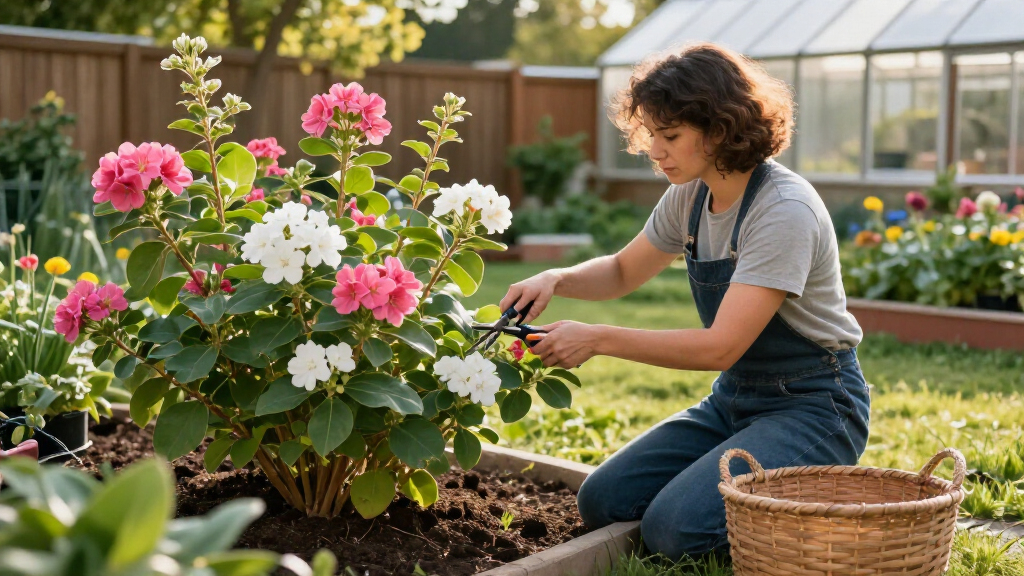
I evaluated these shrubs based on three primary criteria: hardiness, maintenance burden, and seasonal interest. Hardiness was assessed by looking at USDA zone ranges and tolerance to common stressors like drought, heat, and poor soil. I prioritized plants that thrive across a wider range of conditions rather than those requiring perfect soil pH or specific microclimates. Maintenance burden was judged by pruning needs, deadheading requirements, and susceptibility to pests or diseases. Plants that self-clean or require minimal shaping scored higher than those needing regular intervention to look their best.
Seasonal interest was the tiebreaker. I ranked options higher if they offered multi-season appeal—such as spring foliage, summer blooms, and winter structure—over those with a single, brief flowering window. The ranking logic prioritizes reliability for the average gardener, placing low-maintenance, high-impact plants at the top. Options that require specialized knowledge or consistent care to avoid failure were ranked lower, not because they are inferior, but because they are less forgiving for most homeowners.
| Proven Winners shrub | Plant type | Sun exposure |
|---|---|---|
| Proven Winners Incrediball Smo | Deciduous shrub | Full sun to partial shade |
| Proven Winners Double Play Doo | Deciduous shrub | Full sun to partial shade |
| Proven Winners Sprinter Boxwoo | Boxwood shrub | Full sun to partial shade |
| Proven Winners Ringo Double Pi | Deciduous shrub rose | Full sun to partial shade |
| Proven Winners Blue Chiffon Ro | Deciduous shrub | Full sun to partial shade |
| Proven Winners 2 Gal Suñorita | — | Full sun to partial shade |
| Proven Winners North Star Boxw | Evergreen shrub | Full sun to partial shade |
| Proven Winners Double Play Can | Deciduous shrub | Full sun to partial shade |
| Proven Winners Wine & Spirits | Deciduous shrub | Full sun to partial shade |
| Proven Winners Oso Easy En Fue | Deciduous shrub rose | Full sun; tolerates partial shade |
| Proven Winners White Pillar Ro | Deciduous shrub | Full sun to partial shade |
| Proven Winners Tater Tot Arbor | Evergreen arborvitae shrub | — |
| Proven Winners Dark Lavender C | Deciduous shrub | Full sun to part shade |
| Proven Winners Hibiscus Purple | Rose of Sharon hibiscus shrub | Full sun to partial shade |
| Proven Winners Red Pillar Rose | Deciduous shrub | — |
Factors to Consider When Choosing Best Proven Winners Shrubs
Selecting the right shrub goes beyond picking a flower color. You must align the plant’s biological habits with your local climate and your willingness to perform routine maintenance. Here are the key factors to weigh before making a purchase.
Assess Your Light Conditions Honestly
Many gardeners overestimate the amount of direct sunlight their yard receives. Hydrangeas like Incrediball tolerate part shade but bloom best with morning sun, while Rose of Sharon needs full sun to flower profusely. If you plant a sun-loving shrub in a shady spot, it will grow foliage but fail to bloom. Check your yard’s sun patterns in the summer when the sun is highest, not just in spring. Planting a Boxwood in deep shade will cause it to become leggy and sparse, whereas it thrives in dappled light. Match the plant’s light requirement to your site, not your desire for a specific color.
Understand Mature Size vs. Nursery Size
A 2-gallon shrub looks small at purchase, but it can triple in size within two growing seasons. The Tater Tot Arborvitae stays under 3 feet, making it suitable for foundation plantings without pruning. In contrast, the Wine & Spirits Weigela can spread wider than it grows tall, potentially crowding walkways if not placed correctly. Always check the mature width listed on the tag, not just the height. Planting too close together leads to poor air circulation, which invites fungal diseases like powdery mildew on Roses and Hibiscus. Give each shrub enough space to reach its full potential without touching its neighbor.
Evaluate Maintenance Tolerance
Some shrubs demand regular attention to look their best. Spireas like Double Play Candy Corn benefit from light shearing after flowering to maintain a neat shape. Hydrangeas need specific pruning timing depending on whether they bloom on old or new wood; pruning Incrediball incorrectly can remove next year’s flowers. If you dislike pruning, choose self-cleaning varieties like Rose of Sharon or compact evergreens like Sprinter Boxwood that hold their shape naturally. Be honest about how many hours you want to spend in the garden per month. High-maintenance plants can become sources of frustration if you lack the time for their care routines.
Consider Soil Type and Drainage
While Proven Winners are bred for vigor, they still have preferences. Boxwoods suffer in waterlogged soil, where root rot can kill them quickly. If your yard has clay soil that holds water, amend the planting hole with organic matter or choose a shrub tolerant of wet feet, like Hydrangea. Roses prefer well-drained, slightly acidic soil and will struggle in heavy clay. Rose of Sharon is highly adaptable to various soil types, including poor or alkaline soils, making it a safer bet for difficult sites. Testing your soil drainage before planting saves you from losing expensive shrubs to root rot or nutrient deficiencies.
Plan for Multi-Season Interest
A shrub that only blooms for three weeks may not be worth the space. Wine & Spirits Weigela offers spring blooms and dark foliage that adds color all season. Double Play Doozie Spirea provides foliage color and flowers, but loses impact in winter unless you have an evergreen. Tater Tot Arborvitae provides year-round structure and greenery, filling gaps left by deciduous shrubs. Mix deciduous flowering shrubs with evergreen structural plants to keep your landscape looking intentional in every season. A bed of only summer-blooming shrubs will look bare and messy from November to April.
Frequently Asked Questions
Which Proven Winners shrub is easiest for a beginner?
The Incrediball Smooth Hydrangea is widely considered the most forgiving option for new gardeners. It blooms on new wood, meaning you can prune it back hard in late winter without killing next year’s flowers. It also tolerates a wide range of soil conditions, including clay and partial shade, which are common challenges in many yards. Unlike roses, it does not require spraying for pests or deadheading to keep looking good. Its large, globe-shaped blooms provide immediate visual reward, giving beginners confidence as they learn landscape basics.
Do Proven Winners shrubs require special fertilizers?
No, most Proven Winners shrubs do not need proprietary fertilizers. A general-purpose, slow-release granular fertilizer applied in early spring is sufficient for plants like Hydrangeas and Spireas. For acid-loving plants like Hydrangeas, you might use a fertilizer formulated for azaleas or camellias to maintain soil pH, but this is not mandatory for healthy growth. Over-fertilizing can actually cause excessive leaf growth at the expense of blooms, especially in roses. A thin layer of compost around the base annually is often better than synthetic chemical applications.
How far apart should I plant these shrubs?
Planting distance depends entirely on the mature width of the specific variety. For compact shrubs like Sprinter Boxwood or Tater Tot Arborvitae, spacing them 2 to 3 feet apart creates a dense hedge within a few years. For larger shrubs like Incrediball Hydrangea or Wine & Spirits Weigela, space them 3 to 5 feet apart to allow for air circulation and natural spreading. Crowding plants leads to fungal diseases and competition for nutrients. Always measure the center of the planting hole based on the mature spread, not the current pot size.
Are Proven Winners shrubs deer-resistant?
Most flowering shrubs are not truly deer-proof, but some are less palatable. Boxwoods and Arborvitae are generally ignored by deer due to their texture and scent. Hydrangeas are often deer favorites, especially when young. Roses are also highly attractive to deer. If you live in a high-deer area, you will likely need to use repellents or physical fencing for flowering varieties. Evergreen options like Tater Tot offer a more deer-resistant choice for foundation plantings, though hungry deer may still nibble on them in winter.
Can I grow these shrubs in containers?
Yes, many Proven Winners shrubs thrive in containers, provided the pot is large enough. Compact varieties like Sprinter Boxwood, Tater Tot Arborvitae, and Double Play Doozie Spirea are excellent for patios. Incrediball Hydrangea can also grow in a large 15-gallon pot, but it will require more frequent watering than in the ground. Ensure containers have drainage holes to prevent root rot. Use a high-quality potting mix, not garden soil, and be prepared to fertilize more often as nutrients wash out of pots with regular watering.
Conclusion
To choose the right Proven Winners shrubs, match the plant to your specific constraints. For best overall performance and ease, the Incrediball Smooth Hydrangea remains unmatched for its reliable blooms and adaptability. If you need low-maintenance structure, the Tater Tot Arborvitae is the superior choice for evergreen interest without pruning headaches. For beginners wanting color, the Double Play Doozie Spirea offers vibrant foliage and flowers with minimal fuss. Those in hot, dry climates should prioritize the Blue Chiffon Rose of Sharon for its exceptional drought tolerance. Finally, for a premium floral display, the Ringo Double Pink Rose delivers classic beauty, provided you are willing to invest the time for proper care. Select based on your site conditions and maintenance willingness, not just flower color.