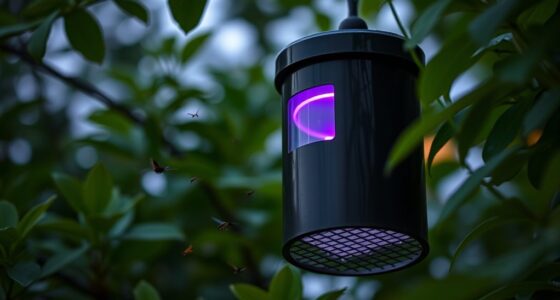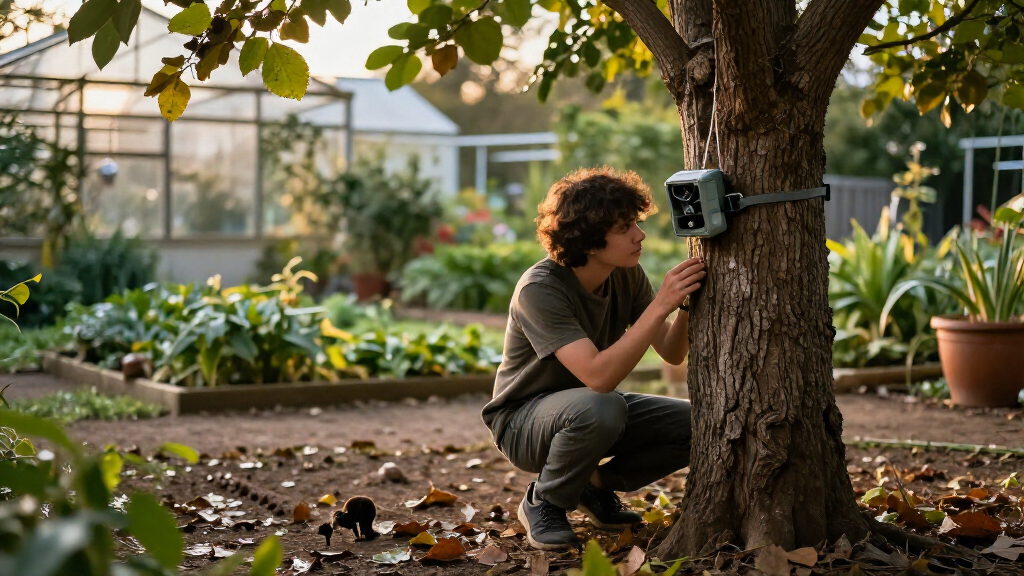
Choosing the best wildlife cameras requires balancing image clarity, battery longevity, and connectivity options. This roundup identifies the MAXDONE Solar Trail Camera as the standout for its 4K resolution and integrated solar panel, which solves the common issue of frequent battery changes. For those prioritizing instant alerts, the SPYPOINT FLEX-M cellular model offers unmatched reliability for remote locations, while the GardePro E5S remains a strong contender for users who prefer local storage and no monthly fees. The main tradeoff you will face is between cellular convenience and upfront cost versus the long-term savings of non-cellular models. Continue reading to see which specific features align with your monitoring goals.

Get garden gear delivered free with Prime
- Fast, free delivery on millions of items
- Prime Video, Amazon Music and more included
- Member-only deals all year
Complete the kit


Key Takeaways
- Solar integration is no longer a luxury; top-tier models like the MAXDONE and Misstech now include panels as standard to eliminate battery maintenance.
- Cellular cameras require monthly subscriptions, but the convenience of remote photo retrieval outweighs the cost for users with hard-to-reach setups.
- Resolution numbers like 64MP are often interpolated; real-world clarity depends more on sensor quality and trigger speed than raw megapixel count.
- No-glow infrared technology is critical for capturing shy nocturnal animals without spooking them, a feature present in all premium picks here.
- Wi-Fi connectivity is useful for on-site setup but rarely works for remote field monitoring unless you are within 15-20 feet of the device.
| MAXDONE Solar Trail Camera with WiFi and Bluetooth, 4K 64MP Night Vision Game Camera |  | Best for Low-Maintenance Monitoring | Photo resolution: 64MP | Video resolution: 4K | Night vision range: 65 feet | VIEW LATEST PRICE | See Our Full Breakdown |
| MAXDONE Solar Trail Camera, 4K 64MP with Night Vision |  | Best for Flexible Charging | Photo resolution: 64MP | Video resolution: 4K | Night vision range: Up to 65 feet | VIEW LATEST PRICE | See Our Full Breakdown |
| GardePro E5S Non-Cellular Trail Camera, 64MP Photos and 1296P HD Video |  | Best for Wide-Area, No-Glow Coverage | Photo resolution: 64MP | Video resolution: 1296p | Trigger speed: 0.1 seconds | VIEW LATEST PRICE | See Our Full Breakdown |
| MAXDONE Solar Trail Camera with WiFi and Bluetooth, 4K Video, 64MP Photos, Night Vision, 6000mAh Battery and 32GB Card |  | Best for a Broad Detection Zone | Photo resolution: 64MP | Video resolution: 4K at 30fps | Night vision range: 65 feet | VIEW LATEST PRICE | See Our Full Breakdown |
| CEYOMUR Trail Camera, 36MP Photos and 2K Video with Night Vision |  | Best for Simple On-Camera Setup | Photo resolution: 36MP | Photo sensor resolution: 20MP | Video resolution: 2K | VIEW LATEST PRICE | See Our Full Breakdown |
| SPYPOINT FLEX-M Cellular Trail Camera, Twin Pack |  | Best for Cellular Two-Site Monitoring | Pack: Twin pack | Photo resolution: 28 MP | Video: 720p with sound | VIEW LATEST PRICE | See Our Full Breakdown |
| Moultrie EDGE 3 Cellular Trail Camera, 2-Pack, 40MP, 0.5-Second Trigger |  | Best Feature-Rich Cellular Pair | Pack: 2 cameras | Photo resolution: 40MP | Video: 1080p HD | VIEW LATEST PRICE | See Our Full Breakdown |
| Solar-Powered 4K Trail Camera with Dual Lenses, WiFi, and Night Vision |  | Best for Solar-Powered Local Viewing | Video resolution: 4K at 30 FPS | Image resolution: 60 MP | Trigger speed: 0.1 seconds | VIEW LATEST PRICE | See Our Full Breakdown |
| Misstech Solar Trail Camera, 4K Video and 64MP Photos |  | Best Solar Value with Included Storage | Video resolution: 4K | Still image resolution: 64 MP | Motion activation: 0.1 seconds | VIEW LATEST PRICE | See Our Full Breakdown |
| GardePro A3S 64MP Non-Cellular Trail Camera with 1296P HD Video | 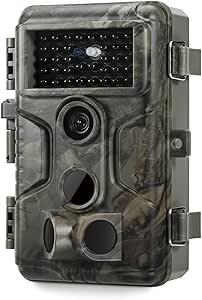 | Best for No-Glow Night Monitoring | Photo resolution: 64MP | Video resolution: 1296P HD with sound | Night vision: 940 nm no-glow infrared, up to 100 feet | VIEW LATEST PRICE | See Our Full Breakdown |
| KJK 4K 64MP WiFi Bluetooth Trail Camera with Night Vision |  | Best High-Resolution Local Storage | Photo Resolution: 64 MP | Video Resolution: 4K | Trigger Speed: 0.1 seconds | VIEW LATEST PRICE | See Our Full Breakdown |
| WOSPORTS 64MP 4K Trail Camera with No-Glow Night Vision |  | Best Flexible Power Options | Photo Resolution: Up to 64 MP | Video Resolution: 4K (3840 × 2160) | Trigger Speed: 0.2 seconds | VIEW LATEST PRICE | See Our Full Breakdown |
| Loatos 4G LTE Cellular Trail Camera with Solar Panel and 2K Live View |  | Best for Remote Cellular Monitoring | Connectivity: 4G LTE Cellular | Video Resolution: 2K Live Feed / 1080p Capture | Trigger Speed: 0.2 seconds | VIEW LATEST PRICE | See Our Full Breakdown |
| MAXDONE Solar Trail Camera with 4K Video, 64MP Photos, and 7800mAh Battery |  | Best Solar-Powered Local Unit | Photo Resolution: 64MP | Video Resolution: 4K | Trigger Speed: 0.1 seconds | VIEW LATEST PRICE | See Our Full Breakdown |
| Meidase P70 Trail Camera, 64MP, 1296p HD Video |  | Best Budget Entry Point | Photo Resolution: 64 MP | Video Resolution: 1296p HD | Trigger Speed: 0.1 seconds | VIEW LATEST PRICE | See Our Full Breakdown |
| wildlife camera | Video resolution | Trigger speed | Photo resolution | Connectivity |
|---|---|---|---|---|
| MAXDONE Solar Trail Camera wit | 4K | 0.1 seconds | 64MP | WiFi 6 and Bluetooth; built-in hotspot only |
| MAXDONE Solar Trail Camera | 4K | 0.1 seconds | 64MP | WiFi and Bluetooth; no home WiFi or cellular support |
| GardePro E5S Non-Cellular Trai | 1296p | 0.1 seconds | 64MP | — |
| MAXDONE Solar Trail Camera wit | 4K at 30fps | 0.1 seconds | 64MP | WiFi 6 and Bluetooth; hotspot range up to 55 feet |
| CEYOMUR Trail Camera | 2K | — | 36MP | — |
| SPYPOINT FLEX-M Cellular Trail | — | 0.4 seconds | 28 MP | Cellular |
| Moultrie EDGE 3 Cellular Trail | — | 0.5 seconds | 40MP | — |
| Solar-Powered 4K Trail Camera | 4K at 30 FPS | 0.1 seconds | — | Direct WiFi hotspot and Bluetooth |
| Misstech Solar Trail Camera | 4K | — | — | — |
| GardePro A3S 64MP Non-Cellular | 1296P HD with sound | 0.1 seconds | 64MP | — |
| KJK 4K 64MP WiFi Bluetooth Tra | 4K | 0.1 seconds | 64 MP | Bluetooth and Local WiFi |
| WOSPORTS 64MP 4K Trail Camera | 4K (3840 × 2160) | 0.2 seconds | Up to 64 MP | None (Non-cellular, Non-WiFi) |
| Loatos 4G LTE Cellular Trail C | 2K Live Feed / 1080p Capture | 0.2 seconds | — | 4G LTE Cellular |
| MAXDONE Solar Trail Camera wit | 4K | 0.1 seconds | 64MP | Local WiFi and Bluetooth |
| Meidase P70 Trail Camera | 1296p HD | 0.1 seconds | 64 MP | None (Non-cellular, Non-WiFi) |
More Details on Our Top Picks
MAXDONE Solar Trail Camera with WiFi and Bluetooth, 4K 64MP Night Vision Game Camera
Solar power and a 6000mAh battery make this MAXDONE a strong choice for buyers who want to limit trips to a camera mounted in a remote spot. It pairs that convenience with 64MP photos, 4K video, and a 0.1-second trigger, giving it a more detailed capture setup than the battery-powered CEYOMUR. Its 65-foot low-glow night vision and IP66 housing also suit changing outdoor conditions. The tradeoff is connectivity: WiFi and Bluetooth work through the camera’s own hotspot, not home WiFi or a cellular network, so this is not a way to receive remote alerts. Initial pairing calls for holding a phone very close to the camera. Compared with the MAXDONE B0FDB6TS3P, this model lists WiFi 6 and Bluetooth but does not specify USB-C charging.
Pros:- Solar charging and a 6000mAh rechargeable battery reduce routine battery changes.
- Captures 64MP stills and 4K video.
- WiFi 6 and Bluetooth support app-based file viewing and downloads without removing the card.
- IP66-rated casing and 65-foot low-glow night vision suit outdoor monitoring.
Cons:- Cannot connect to home WiFi or cellular networks, so it cannot provide remote access.
- Phone pairing requires close proximity, within 0.5 feet.
- No USB-C charging method is listed in the provided specifications.
Best for: Wildlife watchers who mount a camera where frequent battery changes are inconvenient and can retrieve files locally through the app.
Not ideal for: Buyers who need cellular access, remote motion alerts, home-network connectivity, or easy pairing from a distance.
- Photo resolution:64MP
- Video resolution:4K
- Night vision range:65 feet
- Trigger speed:0.1 seconds
- Battery:6000mAh rechargeable
- Power:Solar and rechargeable battery
- Connectivity:WiFi 6 and Bluetooth; built-in hotspot only
- Detection angle:100°
- Storage:32GB TF card included; supports up to 256GB
Our verdict“Choose this MAXDONE if solar-assisted operation and detailed 4K captures matter more than remote alerts or long-range app access.”
MAXDONE Solar Trail Camera, 4K 64MP with Night Vision
Three charging options set this MAXDONE apart from the solar-focused B0DHRYCZKF: its solar panel, rechargeable battery, and USB-C support give owners more ways to keep the camera running. The adjustable solar panel can be aimed toward available sunlight, while 64MP photos, 4K video, 65-foot infrared night vision, and a 0.1-second trigger cover the main needs of wildlife monitoring. A 32GB card is included, so basic recording does not depend on buying storage separately. The compromise is that its WiFi is a short-range camera hotspot for setup and downloads, not home-network or cellular access, and it sends no real-time alerts. Compared with the GardePro E5S, it offers higher-resolution video and app downloads, but the GardePro’s listed 100-foot night vision range is longer.
Pros:- Solar, USB-C, and rechargeable-battery charging offer useful power flexibility.
- Adjustable solar panel can be positioned toward sunlight.
- Records 64MP photos and 4K video with a 0.1-second trigger.
- Includes a 32GB SD card and supports app-based downloads.
Cons:- Does not support home WiFi or cellular networks.
- No real-time motion alerts or push notifications.
- WiFi is intended for nearby setup and downloads, with a listed range of up to 33–50 feet in open areas.
Best for: Wildlife camera owners who want solar charging with USB-C as a backup and expect to download footage while near the camera.
Not ideal for: People who need remote alerts, cellular monitoring, or a longer listed night-vision range for distant subjects.
- Photo resolution:64MP
- Video resolution:4K
- Night vision range:Up to 65 feet
- Trigger speed:0.1 seconds
- Battery:6000mAh rechargeable
- Charging methods:Solar, USB-C, and rechargeable battery
- Wireless range:Up to 33–50 feet in open areas
- Storage:32GB SD card included; supports up to 256GB
- Connectivity:WiFi and Bluetooth; no home WiFi or cellular support
Our verdict“Pick this model if charging flexibility matters more than remote alerts or the GardePro E5S’s longer stated night-vision reach.”
GardePro E5S Non-Cellular Trail Camera, 64MP Photos and 1296P HD Video
A 120-degree field of view and three PIR sensors make the GardePro E5S a useful fit for trails or clearings where animals may cross from several directions. Its no-glow infrared night vision is a practical choice for discreet monitoring, and the stated 100-foot range exceeds the 65 feet listed for both MAXDONE solar cameras. The main tradeoff is video detail: its 1296p recording falls short of their 4K capture, even though both options list 64MP photos and a 0.1-second trigger. This GardePro also runs on eight AA batteries, which are not included; an optional SP350 solar panel adds another purchase and setup step. Unlike the WiFi-equipped MAXDONE cameras, the E5S has no app-based downloads, so footage must be retrieved from the SD card.
Pros:- 120-degree field of view and three PIR sensors cover a broad monitoring area.
- No-glow night vision has a stated range of 100 feet.
- 0.1-second trigger speed helps capture fast-moving wildlife.
- IP66 housing and compatibility with an optional SP350 solar panel support outdoor use.
Cons:- 1296p video has less detail than the 4K footage from the MAXDONE solar models.
- Requires eight AA batteries, which are not included.
- The optional solar panel is sold separately, and footage must be retrieved from the SD card.
Best for: Wildlife observers who want a wide detection area, discreet no-glow night recording, and a camera that operates without wireless connectivity.
Not ideal for: Buyers who prioritize 4K video, app-based file transfers, included batteries, or solar power in the box.
- Photo resolution:64MP
- Video resolution:1296p
- Trigger speed:0.1 seconds
- Night vision range:100 feet
- Field of view:120°
- Sensors:Three PIR sensors
- Power:Eight AA batteries, not included
- Solar compatibility:GardePro SP350, sold separately
Our verdict“Choose the E5S for broad, discreet coverage and skip it if 4K video or easy wireless downloads are priorities.”
MAXDONE Solar Trail Camera with WiFi and Bluetooth, 4K Video, 64MP Photos, Night Vision, 6000mAh Battery and 32GB Card
A 130-degree detection angle gives this MAXDONE the widest listed coverage in this batch, edging past the GardePro E5S’s 120-degree field of view. That can help when a camera faces an open path or clearing, though placement still matters if the goal is close, well-framed footage. It adds solar power, a 6000mAh battery, 4K video, and 64MP photos, plus a 32GB card for recording out of the box. The five-shot burst setting can help capture a short sequence as an animal passes. Its app connection remains local: the camera creates its own hotspot, with a listed range of 55 feet, and does not connect to home WiFi or cellular networks. Like the other MAXDONE solar models, it is not suited to remote alerts; initial pairing also requires a phone within 0.5 feet.
Pros:- 130-degree detection angle covers a wider zone than the GardePro E5S’s 120-degree field of view.
- Solar panel and 6000mAh rechargeable battery support extended outdoor placement.
- Captures 64MP photos and 4K video, with a five-shot burst option.
- Includes a 32GB microSD card and supports app-based transfers.
Cons:- Its WiFi hotspot does not provide home WiFi or cellular connectivity.
- Initial phone pairing requires a distance of 0.5 feet or less.
- The 65-foot night-vision range is shorter than the GardePro E5S’s stated 100 feet.
Best for: Wildlife watchers monitoring broad trails or clearings who want solar power, included storage, and local app transfers.
Not ideal for: Buyers seeking cellular access or alerts, or those who need simple initial pairing without bringing a phone close to the camera.
- Photo resolution:64MP
- Video resolution:4K at 30fps
- Night vision range:65 feet
- Trigger speed:0.1 seconds
- Detection angle:130°
- Battery:6000mAh rechargeable
- Power:Solar panel and rechargeable battery
- Connectivity:WiFi 6 and Bluetooth; hotspot range up to 55 feet
- Storage:32GB microSD card included; supports up to 256GB
Our verdict“Choose this MAXDONE for broad-angle coverage and solar-assisted 4K recording, but not for remote monitoring or longer-range night vision.”
CEYOMUR Trail Camera, 36MP Photos and 2K Video with Night Vision
An integrated 2-inch LCD and onboard controls make the CEYOMUR easier to configure at the camera than the WiFi-enabled MAXDONE models, which rely on a nearby phone for app access. It records 36MP photos and 2K video, a step down from their 64MP and 4K capture, but the simpler setup may suit users who mainly need motion-triggered records and occasional time-lapse clips. Its 850nm infrared LEDs provide black-and-white night vision, and the IP66 housing is built for outdoor use. The cost of that straightforward approach is a more hands-on power and storage setup: eight AA batteries and an SD card are both absent from the package, unlike MAXDONE models that include a card and add solar charging. Night footage is monochrome, not color.
Pros:- Integrated 2-inch LCD and controls simplify setup and camera-angle adjustments.
- Motion detection, time-lapse, audio recording, timestamp, and password protection support varied monitoring.
- 850nm infrared LEDs provide black-and-white night vision.
- IP66-rated housing is designed for outdoor use.
Cons:- 36MP photos and 2K video offer less detail than the MAXDONE cameras’ 64MP and 4K capture.
- Eight AA batteries and an SD card are not included.
- Night footage is black and white.
Best for: First-time trail-camera owners who want to adjust settings and review framing on the camera without using a phone app.
Not ideal for: Wildlife recorders who want 4K detail, solar-assisted power, color night footage, or storage and batteries included.
- Photo resolution:36MP
- Photo sensor resolution:20MP
- Video resolution:2K
- Night vision:850nm infrared; black and white
- Infrared LEDs:24
- Screen:2-inch LCD
- Power:Eight AA batteries, not included
- Memory card:SD card, not included
Our verdict“Choose the CEYOMUR for straightforward on-camera setup, and look to a MAXDONE model if higher-resolution footage or solar charging matters more.”
SPYPOINT FLEX-M Cellular Trail Camera, Twin Pack
The SPYPOINT FLEX-M Twin Pack is a practical choice when checking two locations remotely matters more than maximizing image detail. Cellular transmission and app-based management let me monitor activity without visiting each camera, while time-lapse and time-lapse+ add ways to track movement beyond motion-triggered shots. Its 90-foot detection range and 0.4-second trigger are solid for routine trail monitoring, though the Moultrie EDGE 3 offers a longer stated range, 1080p video, and more app features such as live aiming and GPS mapping. The FLEX-M’s free plan sends up to 100 photos monthly, which can suit quieter sites but may be limiting at busy feeders. I’d also budget for a microSD card, and solar panels are sold separately. Choose this pair for cellular access across two sites; skip it if you want generous included transmission or higher-resolution video.
Pros:- Twin pack covers two locations with one purchase.
- Cellular transmission and app management allow remote monitoring.
- Photo, video, time-lapse, and time-lapse+ modes offer flexible recording.
- IP65 water resistance and low-glow night vision suit outdoor placement.
Cons:- The free transmission plan is limited to 100 photos per month.
- MicroSD cards are required but not included.
- Solar panels are sold separately.
Best for: Wildlife observers who want cellular access to two remote sites and plan to use time-lapse recording.
Not ideal for: People monitoring busy feeders who need more than 100 transmitted photos per month on the free plan, or buyers who want a memory card included.
- Pack:Twin pack
- Photo resolution:28 MP
- Video:720p with sound
- Trigger speed:0.4 seconds
- Motion detection range:90 ft
- Connectivity:Cellular
- Capture modes:Photo, video, time-lapse, time-lapse+
- Weather resistance:IP65
- Storage:MicroSD card required; not included
Our verdict“Pick the FLEX-M pair for remote monitoring at two sites, but choose the Moultrie EDGE 3 if longer detection range, 1080p video, or richer app tools matter more.”
Moultrie EDGE 3 Cellular Trail Camera, 2-Pack, 40MP, 0.5-Second Trigger
The Moultrie EDGE 3 two-pack suits buyers who want more than remote photo delivery from a cellular camera. Its automatic connection to four major U.S. networks can help when coverage varies between sites, while AI animal detection, alerts, live aiming, and GPS mapping make the app more useful for managing cameras at a distance. Compared with the SPYPOINT FLEX-M, it records sharper-specified 1080p video and reaches 100 feet, but its 0.5-second trigger is a little slower and an active data plan is required. Those app extras also have limits: compatible feeder controls require a Moultrie Connect-enabled feeder. The two-camera setup is a strong fit for monitoring multiple routes, but it asks for an ongoing plan and compatible power accessories if you want to expand beyond standard power. Pick it for connected oversight, not a no-subscription setup.
Pros:- Two cameras and automatic connection to four major U.S. networks support multi-site coverage.
- 40MP photos and 1080p HD video provide higher stated resolution than the SPYPOINT FLEX-M.
- AI animal detection, real-time alerts, live aiming, and GPS mapping add remote management tools.
- Works with EDGE Series lithium battery packs and solar panels.
Cons:- An active Moultrie data plan is required and sold separately.
- Feeder controls work only with compatible Moultrie Connect-enabled feeders.
- The 0.5-second trigger is slower than the 0.1-second trigger on the GardePro A3S.
Best for: Landowners and wildlife watchers placing cameras across multiple sites who want network flexibility, alerts, and app-based aiming.
Not ideal for: Buyers who want cellular monitoring without a separate data plan, or who expect feeder controls to work with any feeder.
- Pack:2 cameras
- Photo resolution:40MP
- Video:1080p HD
- Trigger speed:0.5 seconds
- Detection range:100 feet
- Network connectivity:Automatic connection to four major U.S. networks
- Night vision:Low-glow infrared flash
- Special features:AI animal detection, real-time alerts, live aim, built-in GPS, local recording
- Data plan:Active Moultrie plan required; sold separately
Our verdict“Choose the EDGE 3 pair if remote app features and multi-network connectivity are priorities; skip it if you want to avoid a separate cellular plan.”
Solar-Powered 4K Trail Camera with Dual Lenses, WiFi, and Night Vision
This dual-lens camera stands out for wildlife watchers who want solar-assisted recording and nearby phone access without cellular service. A direct WiFi hotspot lets me review and download clips at the camera, so there’s no data plan to manage—but the connection is local, not a way to check footage from home. Its automatic day-and-night lens switching, 4K video, and fast 0.1-second trigger make it a feature-rich alternative to the GardePro A3S, which has no-glow night vision and sound but relies on retrieving an SD card. The built-in solar panel, internal battery, and AA backup can reduce routine battery changes. The tradeoffs are that the memory card is not included and its 850 nm night illumination gives off a faint red glow, unlike the GardePro’s 940 nm no-glow system. Pick this one for convenient local access, not remote cellular viewing.
Pros:- Direct WiFi hotspot supports nearby phone access without internet or cellular service.
- Built-in solar panel, rechargeable battery, and AA backup offer multiple power options.
- Automatic day-and-night lens switching and 4K recording support varied lighting conditions.
- IP66 housing and loop recording suit extended outdoor placement.
Cons:- WiFi access is local and does not provide remote cellular viewing.
- The 850 nm infrared illumination emits a faint red glow at night.
- A memory card is not included.
Best for: Wildlife watchers who can visit their camera periodically and want solar charging plus local phone access without a cellular plan.
Not ideal for: People who need to view footage remotely from home, want fully invisible infrared illumination, or expect a memory card in the box.
- Video resolution:4K at 30 FPS
- Image resolution:60 MP
- Trigger speed:0.1 seconds
- Viewing angle:120 degrees
- Battery:5200 mAh internal battery
- Backup power:4 AA batteries
- Solar panel:2 W
- Connectivity:Direct WiFi hotspot and Bluetooth
- Weather resistance:IP66
Our verdict“Choose this model for solar-assisted recording and nearby wireless playback, but select a cellular camera if you need to check wildlife activity from a distance.”
Misstech Solar Trail Camera, 4K Video and 64MP Photos
The Misstech Solar Trail Camera is a sensible pick for buyers who want solar power and app-assisted playback without paying for cellular connectivity. It records 4K video and 64MP photos, and the included 8GB card means basic recording can start without sourcing storage first. That card is small, though, so frequent video capture may call for an upgrade. Like the solar-powered dual-lens camera in this lineup, it offers local wireless access rather than remote viewing; its Trailcam Go app has a stated 30–50 m range in open areas. The Misstech adds practical extras such as time-lapse, five-frame sequences, and moon-phase and temperature indicators, but its night-vision range is listed as just 65 inches. I’d favor it for nearby observation and simple setup, while choosing the GardePro A3S for longer-range no-glow night vision and larger supported storage.
Pros:- Solar panel and rechargeable battery reduce dependence on routine battery changes.
- 4K video and 64MP photos provide high stated capture resolutions.
- Included 8GB microSD card supports recording from setup.
- On-camera playback and local app access avoid cellular service.
Cons:- The included 8GB card may fill quickly, especially with video.
- App access is limited to a stated 30–50 m in open areas.
- Listed night-vision range is 65 inches.
Best for: First-time wildlife camera owners who want solar power, local app playback, and a memory card included for initial setup.
Not ideal for: Remote-site users who need cellular access, heavy video recorders who need more than the included 8GB card, or buyers seeking long-range night vision.
- Video resolution:4K
- Still image resolution:64 MP
- Motion activation:0.1 seconds
- Night vision range:65 inches
- Power:Rechargeable battery with solar panel
- Included storage:8 GB Micro SD card
- Maximum supported storage:128 GB
- App range:30–50 m in open areas
- Recording features:Time-lapse and 5-frame sequence mode
Our verdict“Choose the Misstech for a solar-powered starter setup with included storage, but pick the GardePro A3S for longer-range night vision and much larger card support.”
GardePro A3S 64MP Non-Cellular Trail Camera with 1296P HD Video
The GardePro A3S is the strongest fit here for discreet, close-range wildlife monitoring where invisible night illumination matters more than app access. Its 940 nm no-glow infrared reaches up to 100 feet, while the 0.1-second trigger and 120-degree detection angle give it a broad chance to catch fast-moving animals. Compared with the Misstech, it trades solar power and local app playback for a wider stated storage ceiling: SD cards up to 512GB are supported. It also records 1296P video with sound, rather than 4K, and requires retrieving the card to review footage because it has no cellular or WiFi connection. Eight AA batteries and the SD card are not included, though an optional solar panel is available. Choose it for quiet, high-capacity field monitoring; skip it if frequent remote checks are part of your plan.
Pros:- 940 nm no-glow infrared supports discreet night recording up to 100 feet.
- 0.1-second trigger and 120-degree detection angle help capture fast movement across a wide area.
- Supports SD cards up to 512GB, far more than the Misstech’s 128GB limit.
- Runs on 8 AA batteries or an optional solar panel and supports multiple recording modes.
Cons:- No cellular or WiFi access; reviewing footage requires retrieving the SD card.
- AA batteries, SD card, and optional solar panel are not included.
- 1296P video is lower resolution than the 4K options in this lineup.
Best for: Researchers, landowners, and backyard observers who need discreet night monitoring and can retrieve an SD card to review footage.
Not ideal for: People who need cellular or WiFi viewing, prefer 4K video, or want solar power and storage included in the box.
- Photo resolution:64MP
- Video resolution:1296P HD with sound
- Night vision:940 nm no-glow infrared, up to 100 feet
- Trigger speed:0.1 seconds
- PIR detection angle:120 degrees
- Burst mode:Up to 5 shots
- Power:8 AA batteries or optional SP350 solar panel
- Storage:SD cards up to 512GB
- Weather resistance:IP66
Our verdict“Choose the A3S for discreet night capture and large local storage, but opt for a solar WiFi or cellular camera if you want to review footage without visiting the site.”
KJK 4K 64MP WiFi Bluetooth Trail Camera with Night Vision
This model stands out for its 4K video and 64MP photo capabilities, delivering crisp detail that surpasses the 1296p HD footage found on the Meidase P70. The 0.1-second trigger speed is among the fastest in this group, ensuring you capture fast-moving game without blur. However, the connectivity is strictly local; it cannot connect to your home router, meaning you must be within the camera’s WiFi range to download files via the app. This makes it ideal for users who visit their setups regularly but less suitable for remote monitoring. Compared to the WOSPORTS 64MP, the KJK offers higher resolution but lacks the flexibility of external power options like solar panels.
Pros:- Captures 4K video and 64MP photos for high clarity
- Fast 0.1-second trigger minimizes missed shots
- Includes 8 AA batteries and 32GB SD card out of the box
- IP67 rating offers strong protection against water and dust
Cons:- Cannot connect to home WiFi routers for remote access
- App control requires being within the camera’s limited WiFi range
Best for: Hunters who visit their stands frequently and want maximum image detail without cellular fees.
Not ideal for: Remote landowners who need to check images from home without driving to the site.
- Photo Resolution:64 MP
- Video Resolution:4K
- Trigger Speed:0.1 seconds
- Connectivity:Bluetooth and Local WiFi
- Power Source:8 AA Batteries (Included)
Our verdict“Choose this if you prioritize image quality and are willing to physically retrieve data from the field.”
WOSPORTS 64MP 4K Trail Camera with No-Glow Night Vision
This camera excels in power versatility, offering compatibility with AA batteries, rechargeable lithium packs, and solar panels. This flexibility is a significant advantage over the KJK 4K, which relies solely on included AA batteries. While the 0.2-second trigger is slightly slower than the KJK’s 0.1-second speed, it remains fast enough for most wildlife scenarios. The 940nm no-glow IR is designed to remain invisible to animals, reducing the chance of spooking game compared to visible-glow models. It lacks cellular or WiFi connectivity, requiring you to swap SD cards manually, which limits it to local storage workflows similar to the Meidase P70.
Pros:- Compatible with AA, lithium, and solar power sources
- 940nm no-glow IR minimizes wildlife disturbance
- 2-inch LCD allows for easy on-device previewing
- Supports up to 256GB storage cards
Cons:- Batteries and solar panels are sold separately
- No cellular or WiFi connectivity for remote access
Best for: Users who want the freedom to choose between battery types or solar power for long-term deployment.
Not ideal for: Those who need immediate remote alerts or live viewing capabilities via cellular networks.
- Photo Resolution:Up to 64 MP
- Video Resolution:4K (3840 × 2160)
- Trigger Speed:0.2 seconds
- Night Vision:940nm No-Glow IR
- Power Options:AA, Lithium, or Solar
- Connectivity:None (Non-cellular, Non-WiFi)
Our verdict“This is the right pick if you value power flexibility and stealth over remote connectivity.”
Loatos 4G LTE Cellular Trail Camera with Solar Panel and 2K Live View
The Loatos 4G LTE distinguishes itself by offering remote live viewing and instant animal alerts via cellular networks, eliminating the need to physically retrieve SD cards. This sets it apart from local-only units like the WOSPORTS 64MP and KJK 4K, which require proximity to download data. The included 4W solar panel and 7800mAh battery support continuous operation, though the 2K live feed resolution is lower than the 4K capture quality of the MAXDONE Solar. The tradeoff is ongoing costs; after the 7-day trial, you must subscribe to a paid data plan, making it a recurring expense investment rather than a one-time purchase.
Pros:- 4G LTE connectivity enables remote live view and alerts
- Includes a 4W solar panel for extended runtime
- 940nm IR ensures stealthy nighttime capture
- Two-way audio allows for interactive monitoring
Cons:- Requires a paid data plan after the initial trial
- Cellular service is currently limited to the United States
Best for: Remote landowners who need real-time alerts and live video without visiting the site.
Not ideal for: Budget-conscious buyers who want to avoid monthly data subscription fees.
- Connectivity:4G LTE Cellular
- Video Resolution:2K Live Feed / 1080p Capture
- Trigger Speed:0.2 seconds
- Power Source:7800mAh Battery + Solar Panel
- Night Vision:940nm Infrared
- Data Plan:7-Day Trial, then Paid Subscription
Our verdict“Select this if you prioritize convenience and real-time data over image resolution and upfront cost.”
MAXDONE Solar Trail Camera with 4K Video, 64MP Photos, and 7800mAh Battery
This model combines 4K video and 64MP photos with a robust 7800mAh rechargeable battery and solar panel, offering a maintenance-free setup for local monitoring. Unlike the Loatos 4G LTE, it does not require cellular data fees, but it also lacks remote alerts, meaning you must be within Bluetooth or WiFi range to view images. The 0.1-second trigger matches the speed of the KJK 4K, ensuring quick response times. Its inclusion of a 32GB microSD card provides immediate readiness, whereas competitors like the WOSPORTS often require purchasing storage separately. It is a balanced choice for those who want high resolution and solar convenience without recurring costs.
Pros:- Solar panel and large battery support long-term deployment
- Captures 4K video and 64MP photos
- Includes 32GB microSD card for immediate use
- Bluetooth wake-up range up to 165 feet
Cons:- No cellular connectivity for remote alerts
- WiFi and Bluetooth control require phone proximity
Best for: Users seeking high-resolution images and solar autonomy without monthly subscription fees.
Not ideal for: People who need to check trail cams from home without visiting the location.
- Photo Resolution:64MP
- Video Resolution:4K
- Trigger Speed:0.1 seconds
- Battery Capacity:7800mAh
- Power Source:Solar Panel and Rechargeable Battery
- Connectivity:Local WiFi and Bluetooth
Our verdict“This is the best compromise for high-quality local storage with solar power and no ongoing fees.”
Meidase P70 Trail Camera, 64MP, 1296p HD Video
The Meidase P70 offers a cost-effective entry into wildlife monitoring with 64MP photos and 1296p HD video. While its video resolution is lower than the 4K offered by the KJK 4K and MAXDONE Solar, it remains sufficient for identifying species and behavior. The 100-foot no-glow night vision is competitive, matching the range of higher-end models. It supports massive storage capacities up to 512GB, exceeding the limits of the WOSPORTS and Loatos. However, it lacks any wireless connectivity, requiring manual SD card swaps, and does not include batteries or a solar panel, adding to the initial setup cost compared to the all-in-one MAXDONE.
Pros:- Supports SD cards up to 512GB for extended storage
- 100-foot no-glow night vision range
- Fast 0.1-second trigger speed
- IP66 waterproof rating for durability
Cons:- No cellular or WiFi connectivity for remote viewing
- Batteries, SD card, and solar panel sold separately
Best for: Beginners or budget-conscious hunters who want reliable performance without wireless features.
Not ideal for: Users who demand 4K video quality or need remote access capabilities.
- Photo Resolution:64 MP
- Video Resolution:1296p HD
- Trigger Speed:0.1 seconds
- Night Vision Range:100 feet
- Max Storage:512 GB
- Connectivity:None (Non-cellular, Non-WiFi)
Our verdict“Choose this if you want solid 64MP image quality at a lower price point and don’t mind manual data retrieval.”
How We Picked
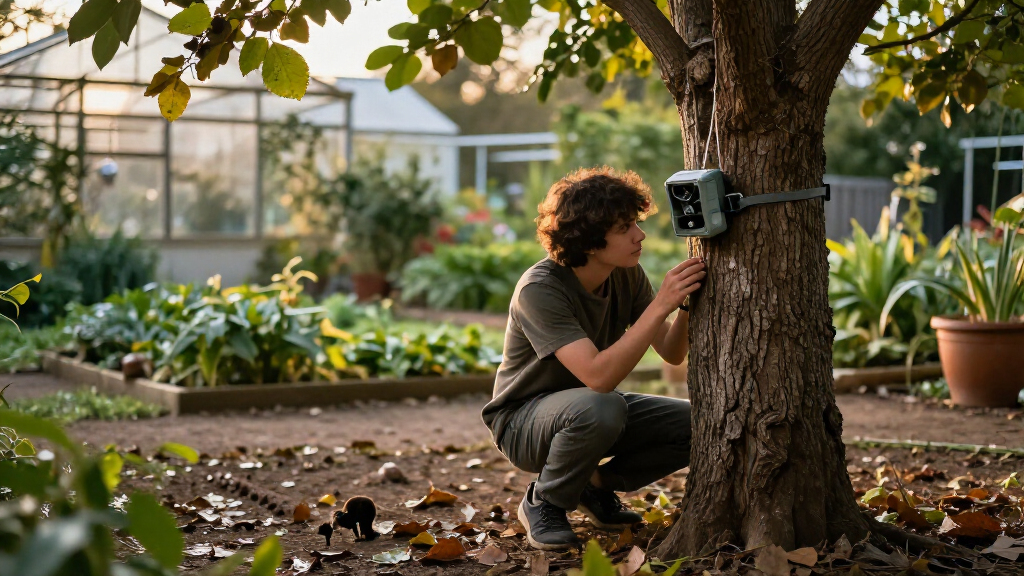
I evaluated these units based on four core pillars: image fidelity, trigger speed, power management, and connectivity. Image fidelity was judged not just by resolution specs but by the clarity of night vision and color accuracy in daylight. Trigger speed is the single most important factor for capturing fast-moving game, so models with sub-0.5-second triggers were prioritized. Power management focused on battery life efficiency and the viability of solar options for long-term deployments. Connectivity was assessed by the reliability of cellular networks versus the practical limits of Bluetooth and Wi-Fi in remote environments.
The ranking logic favors versatility and reliability over raw specs. A camera with slightly lower resolution but superior night vision and faster trigger times ranks higher than a high-megapixel unit with laggy performance. I also weighed the total cost of ownership, factoring in subscription fees for cellular models versus the one-time cost of non-cellular units. Products that require frequent maintenance or have poor weather sealing were penalized, as durability in harsh outdoor conditions is non-negotiable for wildlife monitoring.
Factors to Consider When Choosing Best Wildlife Cameras
Selecting the right trail camera involves more than picking the highest number on the spec sheet. You need to align the camera’s technology with your specific environment and monitoring goals. This guide breaks down the critical factors that influence performance and value.
Cellular vs. Non-Cellular Connectivity
The biggest decision you will make is whether to pay for cellular data. Cellular trail cameras send photos directly to your phone via apps, saving you trips to the field. However, they require a monthly subscription and depend on local cell signal strength. Non-cellular models store images on an SD card, which you must retrieve manually. These are cheaper upfront and have no ongoing costs, making them ideal for frequent visitors or areas with no signal. If you live far from your setup, cellular is worth the investment; if you can visit weekly, stick to non-cellular to save money.
Trigger Speed and Recovery Time
Wildlife moves fast. A slow trigger means you capture empty frames or blurred images. Trigger speed is the time between motion detection and image capture, with anything under 0.5 seconds considered excellent. Recovery time is how quickly the camera is ready to take the next shot. A slow recovery time means you miss subsequent animals in a group. Always check the real-world performance of trigger speeds, as marketing claims often test in ideal conditions. For deer or birds, prioritize cameras with fast recovery times to capture multiple shots per pass.
Night Vision Technology: Low Glow vs. No Glow
Most trail cameras use infrared (IR) LEDs for night vision, but they differ in visibility. Low glow IR emits a faint red flash that is barely visible to humans but can still alert sensitive animals. No glow (or black IR) LEDs emit light that is completely invisible to the naked eye and most animals. This is the preferred choice for hunting or observing shy nocturnal creatures like bobcats or coyotes. While no glow images may have slightly less range than low glow, the stealth factor is usually worth the tradeoff for undisturbed wildlife behavior.
Power Sources and Battery Life
Battery life varies wildly based on temperature, trigger frequency, and screen usage. Lithium batteries perform better in cold weather than alkaline, which can fail in winter. Many modern cameras now include solar panels, which extend runtime significantly during sunny months. However, solar panels are useless in dense canopy shade or during long periods of rain. If you deploy in open fields, solar is a game-changer. In forests, you must rely on high-capacity battery packs or choose models with efficient power management to avoid monthly maintenance trips.
Resolution and Image Quality
Don’t be fooled by inflated megapixel counts. A 64MP image is often interpolated from a lower-resolution sensor, resulting in digital zoom artifacts rather than true detail. True optical resolution matters more. Look for reviews that discuss sharpness and color accuracy rather than just the number. A 12MP or 20MP camera with a high-quality sensor will often produce clearer, more usable images than a poorly made 64MP unit. Video resolution is also critical; 1080p is standard, while 4K offers better detail but consumes more storage and battery.
Frequently Asked Questions
Do I need a high-megapixel camera for clear deer photos?
Not necessarily. While high megapixels allow for digital zooming, they often come with larger file sizes and slower write speeds. A 12MP to 24MP sensor with good optics typically produces sharper images than a 64MP interpolated sensor. Focus on the quality of the lens and the sensor size rather than the raw number. If you plan to print large posters or crop heavily, higher resolution helps, but for digital identification and social sharing, moderate resolution is sufficient and more storage-efficient.
How far can a trail camera detect motion?
Detection range typically spans 20 to 80 feet, depending on the PIR sensor quality and the target’s size and speed. Small animals like rabbits or squirrels may only be detected within 20-30 feet, while large mammals like deer or elk can be detected at 60-80 feet. Environmental factors like wind, heavy rain, or dense foliage can reduce effective range. Always position the camera so the subject crosses the sensor’s field of view perpendicularly for the best chance of triggering at maximum distance.
Can I use a trail camera without a subscription?
Yes, most non-cellular trail cameras work perfectly without any subscription. They store photos and videos on a micro SD card, which you retrieve by visiting the site. You only need a subscription if you choose a cellular model that sends images via 4G/LTE networks. Non-cellular options are ideal for users who want to avoid recurring fees and have easy access to their camera locations. Just ensure you buy a high-capacity SD card and check the camera’s compatibility with card sizes.
Why does my trail camera take blurry photos?
Blurry photos usually result from two causes: subject motion or camera shake. If the animal was moving quickly when the shutter fired, a faster trigger speed and higher shutter speed (often tied to lighting conditions) are needed. If the entire scene is blurry, the camera may have been bumped by wind or animals. Ensure you mount the camera securely on a sturdy tree or post, and use a strap that doesn’t loosen over time. Low light also slows shutter speeds, so check if your camera has a sensitive enough sensor for dawn/dusk shooting.
How do I prevent false triggers from wind or rain?
False triggers are common in windy or rainy conditions. To minimize them, position the camera so that moving branches, grass, or water do not cross the PIR sensor’s field of view. You can also adjust the sensitivity setting to ‘Low’ or ‘Medium’ if your camera allows it. Avoid pointing the camera directly at large bodies of water or open fields where wind blows debris across the frame. Some advanced models have algorithms to filter out small movements, but physical positioning is your best defense against wasted storage space.
Conclusion
Choosing the best wildlife cameras depends on your specific needs. For the best overall combination of features and ease of use, the MAXDONE Solar Trail Camera is the top recommendation due to its 4K capability and solar integration. If you need best premium reliability and remote access, the SPYPOINT FLEX-M cellular unit is unmatched, despite the subscription cost. For best value, the GardePro E5S offers solid performance without recurring fees. Beginners should start with the CEYOMUR Trail Camera for its simplicity and low cost. If you are monitoring remote areas without power, the Loatos 4G LTE model provides the necessary connectivity. Assess your access to the site, your budget for subscriptions, and your need for stealth to make the final choice.
Evergreen bestsellers Picks

Bose QuietComfort Ultra Headphones (2nd Gen), Wireless Noise Cancelling Over-Ear Headphones, Driftwood Sand

Dyson Cyclone V10 Origin Cordless Vacuum

KitchenAid Artisan 5-Quart Tilt-Head Stand Mixer, KSM150PS, Almond Cream
As an affiliate, we earn on qualifying purchases.