Choosing the right outdoor holly tree can transform a dull corner of your yard into a vibrant, year-round focal point. However, the term “holly” covers a wide range of growth habits, from compact patio shrubs to towering privacy screens. When I evaluate these plants, I look for specific traits: hardiness, foliage texture, and maintenance requirements. Among the options, the Christmas Jewel Holly stands out as the Best Overall choice for those wanting substantial height and winter berries without the hassle of cross-pollination. For gardeners with limited space, the Dwarf Holly Bush offers the Best Value by providing dense greenery in a compact package suitable for containers. Meanwhile, the Oak Leaf Holly serves as the Best for Beginners due to its forgiving nature and striking, non-spiny foliage that appeals to families with children or pets.

Get garden gear delivered free with Prime
- Fast, free delivery on millions of items
- Prime Video, Amazon Music and more included
- Member-only deals all year
The primary tradeoff in this category lies between aesthetic uniqueness and functional screening. A plant with distinctive leaves may not grow tall enough to block a neighbor’s view, while a robust privacy hedge might lack the ornamental flair of a berry-producing specimen. I have curated this list to address these specific needs, ensuring you can find a holly that matches your landscape goals, climate zone, and maintenance capacity. Whether you need a small accent for a porch or a large shrub for a backyard border, understanding the differences between these four varieties will save you time and money in the long run.
Complete the kit


Key Takeaways
- The Christmas Jewel Holly is the only self-pollinating option listed, making it ideal for growers who cannot plant male and female pairs.
- Dwarf Holly Bushes offer the widest climate adaptability, thriving in USDA zones 3-8, while Oak Leaf and Christmas Jewel prefer warmer zones 6-9.
- Oak Leaf Holly provides the most distinctive foliage texture with its lobed leaves, offering a softer look compared to the traditional spiny holly.
- Needlepoint Holly is sold in pairs, which is a practical advantage for creating immediate symmetry in foundation plantings or entryway accents.
- Shipping restrictions significantly limit the availability of the Christmas Jewel Holly in western and mountain states, forcing buyers in those regions to choose alternatives.
| Christmas Jewel Holly Live Evergreen Shrub, 3 Gallon |  | Best Overall | Brand: Generic | Botanical Name: Ilex × ‘HL10-90’ PP14477 | Pot Size: 3 Gallon | VIEW LATEST PRICE | See Our Full Breakdown |
| 2 Dwarf Holly Bush Live – Small Size, Hardy Evergreen Tree |  | Best Value | Brand: GINGERGLOW | Item Count: 2 Plants | Plant Type: Shrub & Hedge | VIEW LATEST PRICE | See Our Full Breakdown |
| Oak Leaf Holly Plant – 6–12″ Tall in 4″ Pot |  | Best for Beginners | Brand: GINGERGLOW | Pot Size: 4-inch | Initial Height: 6-12 inches | VIEW LATEST PRICE | See Our Full Breakdown |
| 2 Needlepoint Holly Live Shrubs |  | Best for Privacy | Brand: GINGERGLOW | Quantity: 2 Shrubs | Plant Type: Evergreen Shrub | VIEW LATEST PRICE | See Our Full Breakdown |
| outdoor holly tree | Brand | USDA Zone | Sun Exposure | Moisture Needs |
|---|---|---|---|---|
| Christmas Jewel Holly Live Eve | Generic | 6-9 | Full Sun to Partial Shade | — |
| 2 Dwarf Holly Bush Live | GINGERGLOW | 3-8 | Full Sun | Moderate Watering |
| Oak Leaf Holly Plant | GINGERGLOW | 6-9 | Full Sun | Regular Watering |
| 2 Needlepoint Holly Live Shrub | GINGERGLOW | 3-8 | Full Sun to Partial Shade | Moderate Watering |
More Details on Our Top Picks
Christmas Jewel Holly Live Evergreen Shrub, 3 Gallon
The Christmas Jewel Holly earns its top spot by solving the most common frustration holly growers face: pollination. Unlike many holly varieties that require a separate male plant to produce berries, this cultivar is self-pollinating. This feature makes it exceptionally user-friendly for gardeners who have limited space for multiple shrubs. The plant arrives in a 3-gallon pot, which is significantly larger than the starter pots of the other options on this list, giving it a head start in establishment. Its glossy dark green leaves and bright red berries provide high visual impact during the winter months, a time when many landscapes look barren.
Compared to the Dwarf Holly Bush, the Christmas Jewel grows much larger, reaching 10 to 12 feet in height. This makes it suitable for privacy screens or large container plantings where you need vertical presence. However, its size and weight (13 pounds) mean it requires more initial effort to plant and move. The main drawback is its shipping restriction list, which excludes many western and mountain states. If you live in California, Colorado, or Washington, this option is effectively unavailable, forcing you to look at the other three choices. For those in compatible zones, however, its combination of size, berry production, and ease of care makes it the superior choice.
Pros:- Self-pollinating nature eliminates the need for a male companion plant.
- Larger 3-gallon pot size aids in faster establishment and initial impact.
- Produces abundant red berries that persist through winter for wildlife and aesthetics.
Cons:- Severe shipping restrictions limit availability to many US states.
- Requires more space due to its 10-12 foot mature height.
- Heavier weight makes it harder to transport and plant for some users.
Best for: Gardeners in USDA zones 6-9 who want a large, berry-producing evergreen without the need for cross-pollination.
Not ideal for: Residents in AK, AZ, CA, CO, HI, ID, MT, NM, NV, OR, UT, WA, or WY, or those with very small patios.
- Brand:Generic
- Botanical Name:Ilex × ‘HL10-90’ PP14477
- Pot Size:3 Gallon
- Mature Height:10-12 Feet
- Mature Width:6-8 Feet
- USDA Zone:6-9
- Sun Exposure:Full Sun to Partial Shade
- Self-Pollinating:Yes
- Shipping Restrictions:Excludes AK, AZ, CA, CO, HI, ID, MT, NM, NV, OR, UT, WA, WY
Our verdict“The best choice for serious gardeners who want reliable berries and substantial size, provided they are not in a restricted shipping zone.”
2 Dwarf Holly Bush Live – Small Size, Hardy Evergreen Tree
The Dwarf Holly Bush set is the most accessible entry point into holly gardening, primarily due to its exceptional hardiness. Thriving in USDA zones 3-8, it can survive climates that would kill the Oak Leaf or Christmas Jewel varieties. This range makes it the best option for gardeners in the Midwest or Northeast who want evergreen color without the risk of winter kill. Selling in a pack of two also adds value, allowing you to create symmetry around a front door or fill two spots in a border immediately.
Compared to the Needlepoint Holly, which also comes in a two-pack, the Dwarf Holly is better suited for containers and small spaces. Its compact nature means it won’t outgrow a patio corner or overwhelm a foundation planting. While the Needlepoint is more upright and suited for hedges, the Dwarf Holly offers a denser, bushier form that works well as a standalone accent or low hedge. The tradeoff is that it lacks the dramatic berry display of the Christmas Jewel, focusing instead on reliable, dark green foliage. For budget-conscious buyers who need a tough, versatile plant that can handle cooler temperatures, this option provides the best balance of price and performance.
Pros:- Widest hardiness range (Zones 3-8) allows for use in colder regions.
- Sold as a pair, providing immediate visual balance for entryways or borders.
- Compact size makes it ideal for patios, balconies, and small foundation plantings.
Cons:- Lacks the significant berry production found in larger cultivars.
- Requires moderate watering to maintain dense foliage, especially in heat.
- Full sun preference means it may struggle in deeply shaded urban lots.
Best for: Gardeners in colder climates (zones 3-5) and those with limited space for containers or small gardens.
Not ideal for: Those seeking a tall privacy screen or dramatic winter berry displays.
- Brand:GINGERGLOW
- Item Count:2 Plants
- Plant Type:Shrub & Hedge
- USDA Zone:3-8
- Sun Exposure:Full Sun
- Moisture Needs:Moderate Watering
- Blooming Period:Spring to Summer
- Usage:Patio, Containers, Gardens
Our verdict“A hardy, versatile, and cost-effective option for small spaces and cooler climates where other hollies might fail.”
Oak Leaf Holly Plant – 6–12″ Tall in 4″ Pot
The Oak Leaf Holly distinguishes itself with distinctively lobed foliage that avoids the sharp spines associated with traditional hollies. This makes it a safer and more tactile choice for gardens with children or pets who might brush against the plants. Its upright pyramidal habit is naturally tidy, requiring less pruning than the sprawling forms of some other shrubs. For a beginner, this plant is forgiving; it establishes quickly in a 4-inch pot and tolerates a range of conditions once rooted.
When compared to the Christmas Jewel, the Oak Leaf Holly is much smaller and less imposing. It is not designed to be a privacy screen or a major landscape anchor but rather a refined accent or filler. Its low-maintenance profile is its strongest selling point, as it thrives in full sun with regular watering but doesn’t demand the specific soil amendments or pollination management that more complex varieties might. The main limitation is its limited mature height (6-12 inches at sale, though it grows larger over time, the description implies a smaller scale focus). It is best viewed as a starter plant or a component in a mixed border rather than a standalone centerpiece. If you want unique texture without the prickly danger, this is the ideal pick.
Pros:- Spine-free, oak-like foliage is safe for high-traffic areas.
- Upright, pyramidal growth habit reduces pruning needs.
- Cold-hardy in zones 6-9 and low maintenance once established.
Cons:- Small initial size (6-12″) requires patience for landscape impact.
- Limited shade tolerance compared to some other evergreens.
- Does not offer the dramatic berry display of berry-heavy cultivars.
Best for: Families with children or pets who want holly texture without sharp spines, and novice gardeners.
Not ideal for: Those needing immediate height or dense privacy screening.
- Brand:GINGERGLOW
- Pot Size:4-inch
- Initial Height:6-12 inches
- USDA Zone:6-9
- Sun Exposure:Full Sun
- Moisture Needs:Regular Watering
- Blooming Period:Spring to Summer
- Foliage Type:Lobed, Oak-like
Our verdict“A safe, easy-to-care-for option that adds unique texture to gardens without the risk of prickly injuries.”
2 Needlepoint Holly Live Shrubs
The Needlepoint Holly is engineered for vertical growth and density, making it the best candidate for hedges and privacy screens among this group. Its upright branching habit allows it to close gaps quickly, creating a solid visual barrier. Like the Dwarf Holly, it comes in a pack of two, which is strategic for starting a hedge line or flanking a walkway. The dense, dark green foliage provides year-round coverage, and its adaptability to partial shade is a significant advantage over the sun-strict Oak Leaf Holly.
Compared to the Christmas Jewel, the Needlepoint is less focused on berry production and more on structural integrity. It doesn’t have the self-pollinating berry advantage, but it compensates with a more consistent form for screening purposes. The moderate watering needs are a tradeoff; while it is drought-tolerant once established, it requires attention during its first year to ensure the dense foliage develops properly. This is the right choice if your primary goal is to block a view or define a space, rather than to add ornamental berries or unique leaf textures. It is a workhorse plant, reliable and robust, though less ornamental than its peers.
Pros:- Upright, dense growth habit is ideal for hedges and privacy screens.
- Adaptable to full sun or partial shade, offering more placement flexibility.
- Sold in pairs, facilitating easier hedge establishment or symmetrical planting.
Cons:- Less ornamental focus on berries compared to Christmas Jewel.
- Requires moderate watering to establish dense foliage.
- Standard holly appearance lacks the unique texture of Oak Leaf Holly.
Best for: Homeowners looking to create hedges, privacy screens, or foundation plantings that require dense, upright growth.
Not ideal for: Those prioritizing winter berries or unique leaf shapes over screening density.
- Brand:GINGERGLOW
- Quantity:2 Shrubs
- Plant Type:Evergreen Shrub
- USDA Zone:3-8
- Sun Exposure:Full Sun to Partial Shade
- Moisture Needs:Moderate Watering
- Blooming Period:Spring to Summer
- Primary Use:Hedges and Privacy
Our verdict“A reliable, dense grower perfect for creating privacy and structure in the landscape.”
How We Picked
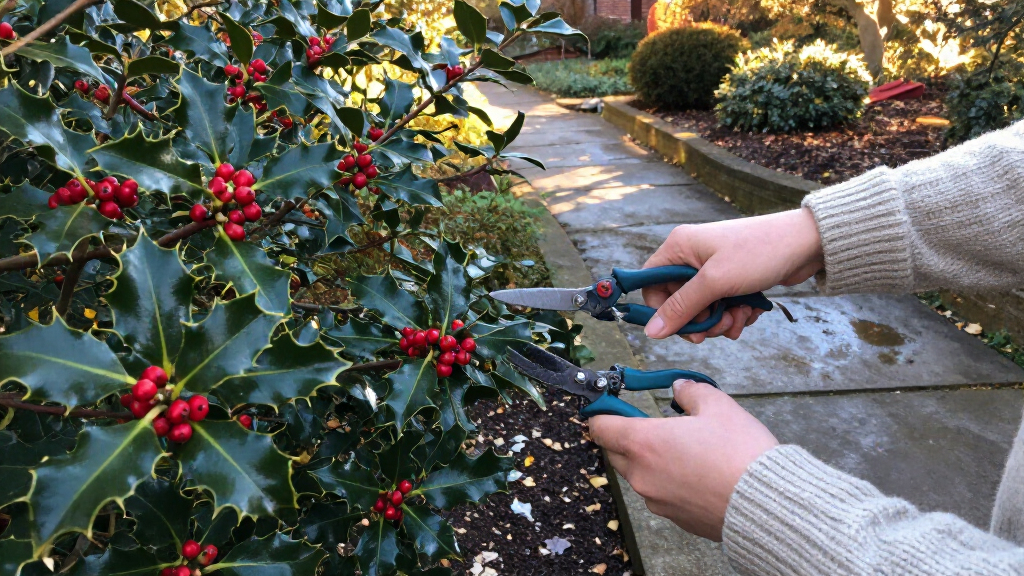
To select the best outdoor holly trees, I filtered dozens of options based on hardiness, growth habit, and maintenance needs. My primary criterion was versatility; I prioritized plants that offer clear benefits for specific garden scenarios, such as small spaces, privacy needs, or aesthetic variety. I also examined logistical factors, such as shipping restrictions and plant size upon arrival, because a beautiful plant that cannot reach your home or arrives too small to establish quickly is a poor investment.
I compared these four selections against common buyer complaints found in gardening forums, focusing on issues like shade tolerance and pest resistance. While all hollies prefer sun, I noted which varieties could handle partial shade, a common reality for many urban gardens. I also looked for functional differences, such as berry production and self-pollination capabilities, which are critical for gardeners who want winter color without the complexity of managing male and female plants. By balancing aesthetic appeal with practical gardening realities, I identified the four trees that offer the best return on investment for the widest range of gardeners.
| outdoor holly tree | Brand | Sun Exposure | Plant Type | Moisture Needs |
|---|---|---|---|---|
| Christmas Jewel Holly Live Eve | Generic | Full Sun to Partial Shade | — | — |
| 2 Dwarf Holly Bush Live | GINGERGLOW | Full Sun | Shrub & Hedge | Moderate Watering |
| Oak Leaf Holly Plant | GINGERGLOW | Full Sun | — | Regular Watering |
| 2 Needlepoint Holly Live Shrub | GINGERGLOW | Full Sun to Partial Shade | Evergreen Shrub | Moderate Watering |
Factors to Consider When Choosing Best Outdoor Holly Trees
Selecting the right holly tree requires looking beyond the leaf shape. I have broken down the key factors that should drive your decision, helping you match the plant to your specific environmental and aesthetic needs.
Hardiness Zones and Climate
Holly trees are not all created equal when it comes to cold tolerance. The Dwarf Holly and Needlepoint Holly boast the widest range, surviving in USDA zones 3-8. This makes them suitable for northern states where winters are harsh. In contrast, the Christmas Jewel and Oak Leaf Holly are limited to zones 6-9, meaning they will struggle or die in climates with severe freezes. If you live in the Northeast or Midwest, your choices are effectively limited to the Dwarf and Needlepoint varieties. For gardeners in the South or Pacific Northwest (coastal areas), the Christmas Jewel offers superior berry production and size. Always check your local hardiness zone before purchasing to avoid losing your investment to a winter storm.
Pollination and Berry Production
One of the biggest misconceptions about hollies is that they all produce berries. In reality, most holly species are dioecious, meaning male and female flowers are on separate plants. You need a male plant within 50 feet of a female plant to get berries. The Christmas Jewel Holly is unique on this list because it is self-pollinating. This is a massive advantage for small gardens where you cannot fit a male and female pair. If you choose the Oak Leaf, Dwarf, or Needlepoint varieties, you may need to research local pollinator trees or buy a male companion plant if berries are a priority. If you don’t care about berries and just want green foliage, this factor becomes irrelevant.
Size and Growth Habit
Consider the mature size of the plant relative to your space. The Christmas Jewel grows 10-12 feet tall, making it a medium-sized tree that can overwhelm small patios. The Oak Leaf Holly and Dwarf Holly are compact, staying under 6 feet easily, which is perfect for containers or foundation plantings. The Needlepoint Holly falls in the middle, offering an upright habit that can be pruned to maintain a hedge height. I recommend measuring your planting area before buying. A plant that looks small in a 4-inch pot can become a problem if it blocks windows or walkways within three years. Choose compact varieties for tight spaces and larger varieties for open backyards.
Foliage Texture and Safety
Traditional hollies have spiny leaves that can be painful to touch. The Oak Leaf Holly breaks this mold with lobed, spine-free leaves that are safe for children and pets. If your garden is a high-traffic area, this safety feature is a significant benefit. The Needlepoint and Dwarf varieties have standard holly foliage, which is prickly. The Christmas Jewel also has traditional spiny leaves. When I advise families, I often steer them toward Oak Leaf Holly for play areas and reserve the spiny varieties for perimeter hedges where physical contact is unlikely.
Frequently Asked Questions
Do I need to buy two holly trees to get berries?
It depends entirely on the specific variety you choose. Most traditional hollies are dioecious, meaning they have separate male and female plants, so you would need a male plant nearby to pollinate the female plant for berries. However, the Christmas Jewel Holly is self-pollinating, so you do not need a partner plant to produce its signature red berries. The Oak Leaf, Dwarf, and Needlepoint varieties listed here may require a male companion for berry production, so if berries are a priority for those specific plants, you should research local pollinator trees or purchase a male plant separately.
Can holly trees grow in containers?
Yes, holly trees can thrive in containers, but size matters. The Dwarf Holly and Oak Leaf Holly are excellent candidates for pots because of their compact growth habits and smaller root systems. The Christmas Jewel can also be grown in a large container, but it will eventually outgrow smaller pots and may need to be moved to the ground or a very large planter to reach its full potential. Ensure your container has excellent drainage and use a high-quality potting mix, as hollies are susceptible to root rot if the soil stays waterlogged.
How much sun do these holly trees need?
Most hollies prefer full sun to develop dense foliage and produce berries. The Oak Leaf Holly and Dwarf Holly perform best with at least six hours of direct sunlight daily. However, the Needlepoint Holly and Christmas Jewel are more adaptable and can tolerate partial shade. If you plant them in deep shade, they may become leggy and produce fewer berries. I recommend planting them in a location that gets morning sun and afternoon light to maximize their health and visual appeal without stressing the plant in extreme heat.
Are holly trees deer resistant?
Holly trees are generally considered deer resistant due to their prickly leaves and bitter taste. The Needlepoint and Christmas Jewel varieties, with their sharper foliage, are particularly unappealing to deer. However, the Oak Leaf Holly, with its softer, lobed leaves, may be more palatable to hungry deer, especially in winter when other food sources are scarce. If you live in an area with a high deer population, you might need to use repellents or fencing for the Oak Leaf variety, whereas the spiny varieties usually stand on their own.
Why is the Christmas Jewel Holly not shipping to my state?
Shipping restrictions for live plants are typically based on agricultural regulations designed to prevent the spread of pests and diseases. States like California, Arizona, and Washington have strict protocols for importing live plants to protect their local ecosystems. The Christmas Jewel Holly is restricted in these areas, likely due to specific quarantine rules regarding the Aquifoliaceae family or soil-borne pathogens. If you are in a restricted state, you must choose from the other three options or find a local nursery that is compliant with state agricultural laws.
Conclusion
To make the final decision, match the plant to your primary goal. If you want maximum visual impact and berries without the hassle of pollination, and you live in a warm zone, the Christmas Jewel Holly is the clear winner. For those in colder climates or with small spaces, the Dwarf Holly Bush offers the best resilience and value. If you need a privacy screen or hedge, the Needlepoint Holly provides the dense, upright structure required for that function. Finally, if you have children or pets and want a safe, textured accent, the Oak Leaf Holly is the most family-friendly option. Each of these trees offers a distinct advantage, so choose based on your climate, space, and maintenance preferences.