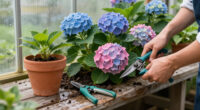
Hostas attract three recurring problems: fungal leaf spots, slugging damage from pests like aphids and mites, and exhausted soil in mature beds. After comparing the leading care products, Bonide Captain Jack’s Neem Oil Ready-to-Use Spray stands out as the best overall pick because it tackles both pests and mildew with one organic formula. For fungal outbreaks specifically, Southern Ag Garden Friendly Biological Fungicide offers a preventative biological approach, while Farmer’s Secret Soil Revitalizer addresses the soil-health angle most fungicides ignore. The main tradeoff you’ll face is between broad-spectrum convenience (one product, multiple problems) and targeted potency (stronger results on a single issue). Ready-to-use sprakes cost more per ounce than concentrates but eliminate mixing mistakes. Keep reading for the full breakdown of which product fits your hosta beds.
Complete the kit


Key Takeaways
- Neem oil (Bonide Captain Jack’s) proved the most versatile pick, covering pests, mildew, and mites with one organic spray — the reason it earns best overall for mixed-problem hosta beds.
- Copper fungicides dominate the lineup, but the dust and ready-to-use spray formats suit different situations: dust works for targeted spot treatment, while the 32 oz spray covers large beds faster.
- Southern Ag Garden Friendly is the only biological (live-bacteria) option, making it the safest choice for beds with earthworms and pollinator activity, though it prevents disease rather than curing it.
- Farmer’s Secret Soil Revitalizer is the lone soil-focused product — nothing else in the lineup addresses nutrient-depleted soil under mature hostas, a common hidden cause of weak, disease-prone plants.
- Garden Safe Fungicide 3 overlaps heavily with neem oil (it’s a neem extract), so choosing between them comes down to availability, price per ounce, and whether you also want separate copper fungicide on hand.
| Bonide Copper Fungicide, 1 lb. Ready-to-Use Spray or Dust |  | Best Overall Disease Prevention | Brand: Bonide | Size: 1 lb | Form: Ready-to-use spray or dust | VIEW LATEST PRICE | See Our Full Breakdown |
| Bonide Captain Jack’s Copper Fungicide, 32 oz Ready-to-Use Spray |  | Best for Beginners | Brand: Bonide | Size: 32 oz | Type: Ready-to-Use Trigger Spray | VIEW LATEST PRICE | See Our Full Breakdown |
| Bonide Captain Jack’s Neem Oil Ready-to-Use Spray, 32 oz |  | Best Multi-Purpose Care | Size: 32 oz | Formulation: Ready-to-Use trigger spray | Active Ingredient: Clarified Hydrophobic Extract of Neem Oil | VIEW LATEST PRICE | See Our Full Breakdown |
| Farmer’s Secret Soil Revitalizer – Organic Liquid Compost Soil Amendment with Activated Humic Acid (32oz) |  | Best for Long-Term Soil Health | Size: 32 oz | Certification: OMRI Listed Organic | Main Ingredient: Activated Humics | VIEW LATEST PRICE | See Our Full Breakdown |
| Garden Safe Fungicide 3 Ready-to-Use Trigger Spray, 32 fl oz |  | Best Value Multi-Purpose Spray | Brand: Garden Safe | Size: 32 fl oz | Active Ingredient: Clarified Hydrophobic Extract of Neem Oil 0.9% | VIEW LATEST PRICE | See Our Full Breakdown |
| Southern Ag Garden Friendly Biological Fungicide, 16 oz |  | Best Biological Option | Brand: Southern Ag | Size: 16 oz concentrate | Type: Biological Fungicide / Bactericide | VIEW LATEST PRICE | See Our Full Breakdown |
| hosta garden care product | Size | Brand | Active Ingredient |
|---|---|---|---|
| Bonide Copper Fungicide | 1 lb | Bonide | — |
| Bonide Captain Jack’s Copper F | 32 oz | Bonide | Copper |
| Bonide Captain Jack’s Neem Oil | 32 oz | — | Clarified Hydrophobic Extract of Neem Oil |
| Farmer’s Secret Soil Revitaliz | 32 oz | — | — |
| Garden Safe Fungicide 3 Ready- | 32 fl oz | Garden Safe | Clarified Hydrophobic Extract of Neem Oil 0.9% |
| Southern Ag Garden Friendly Bi | 16 oz concentrate | Southern Ag | — |
More Details on Our Top Picks
Bonide Copper Fungicide, 1 lb. Ready-to-Use Spray or Dust
Hostas and fungal trouble go hand in hand, and this option stands out for flexibility in how you apply it. The dual spray-or-dust format means one container covers both broad leaf coverage on large hosta beds and targeted spot treatment on a single infected plant. Compared with Bonide Captain Jack’s Copper Fungicide, the 1 lb format covers far more ground, which matters if you’re protecting an established shade garden through a damp season. Its organic approval keeps it viable for gardeners who also grow edibles alongside their hostas. The tradeoff: this is prevention-focused chemistry, not a pest solution, so slugs and aphids still need their own plan — something Captain Jack’s Neem Oil handles in a single bottle. You’ll also need to read the label carefully, since dosing varies by plant.
Pros:- Controls a wide range of common fungal diseases
- Approved for organic gardening
- Versatile use on fruits, vegetables, flowers, and shrubs
- Convenient ready-to-use format as dust or spray
Cons:- Full use instructions require consulting the product label
- Dust application can be uneven and messy in windy conditions
Best for: Gardeners with larger hosta beds who want season-long fungal prevention in one economical package
Not ideal for: Anyone who wants pest and disease control in one product — this does nothing for insects or mites
- Brand:Bonide
- Size:1 lb
- Form:Ready-to-use spray or dust
- Organic:Approved for organic gardening
- Controls:Blight, leaf spot, scab, powdery mildew, peach leaf curl
- Use Sites:Fruits, vegetables, beans, shrubs, flowers
Our verdict“This pick makes the most sense for hosta growers whose priority is stopping fungal outbreaks across a sizable garden.”
Bonide Captain Jack’s Copper Fungicide, 32 oz Ready-to-Use Spray
For someone nursing their first few hostas, no mixing and no measuring is the whole point. This arrives as a trigger spray you can take straight to the garden, which removes the most common way new gardeners go wrong: overdiluted or over-concentrated treatments. Compared with the 1 lb Bonide Copper Fungicide, the smaller volume costs more per ounce but eliminates guesswork entirely. The day-of-harvest safety also means you can treat hostas bordering a vegetable bed without worrying about spray drift onto dinner. The catch is capacity — 32 ounces goes quickly once leaf coverage gets dense, and thorough, repeated applications are part of the deal. Copper sprays also demand reapplication after rain, which is exactly when hosta fungal pressure peaks.
Pros:- Approved for organic gardening
- Can be used up to the day of harvest
- Controls a wide range of common plant diseases
- Arrives ready-to-use in a convenient trigger spray bottle
Cons:- Requires thorough application and repeated use for best results
- Full instructions only available on product label
- Small volume makes it costly for treating extensive plantings
Best for: First-time hosta owners or small-garden gardeners who want a grab-and-go treatment with zero prep
Not ideal for: Owners of large shade beds — the 32 oz bottle runs out fast and the trigger spray slows down big jobs
- Brand:Bonide
- Size:32 oz
- Type:Ready-to-Use Trigger Spray
- Active Ingredient:Copper
- Organic Gardening Approved:Yes
- Controls:Blight, black spot, powdery mildew, peach leaf curl
Our verdict“This model is better suited to beginners with a handful of hostas than to anyone managing a full shade garden.”
Bonide Captain Jack’s Neem Oil Ready-to-Use Spray, 32 oz
Hosta problems rarely arrive one at a time — powdery mildew, aphids, and spider mites often show up in the same stretch of damp weather. This 3-in-1 fungicide, insecticide, and miticide consolidates that fight into a single bottle, and it kills insects at every life stage, breaking the reinfestation cycle that single-target sprays miss. Compared with Garden Safe Fungicide 3, it shares the same neem-derived approach but positions itself as the more premium organic option with a clear reapplication cadence. The honest tradeoff is commitment: a 7-14 day reapplication schedule turns this into a routine, not a one-time fix, and neem residue can dull the waxy sheen that makes hosta foliage look its best. That cosmetic cost is the price of broad-spectrum control.
Pros:- 3-in-1 formula works as fungicide, insecticide, and miticide
- Approved for organic gardening and usable up to day of harvest
- Kills insects at all life stages (eggs, larvae, adults)
- Arrives ready-to-use with no mixing required
Cons:- Requires reapplication every 7-14 days
- Neem oil can leave residue on treated plants
- One bottle covers less ground than concentrate formats
Best for: Gardeners fighting both pests and fungal disease on hostas who want one product instead of three
Not ideal for: Anyone wanting a set-and-forget solution — skipping the reapplication window undermines its effectiveness
- Size:32 oz
- Formulation:Ready-to-Use trigger spray
- Active Ingredient:Clarified Hydrophobic Extract of Neem Oil
- Function:Fungicide, insecticide, miticide (3-in-1)
- Organic Certification:Approved for organic gardening
- Reapply Interval:Every 7-14 days
Our verdict“This pick makes the most sense for hosta growers dealing with combined pest and disease pressure who will stick to a spraying schedule.”
Farmer’s Secret Soil Revitalizer – Organic Liquid Compost Soil Amendment with Activated Humic Acid (32oz)
Sprays treat symptoms; this one builds the foundation. Rather than feeding the plant directly, activated humic acid stimulates soil microbial activity, which is exactly what heavy-feeding hostas in older beds tend to lack. Compared with the treatment-focused products in this lineup like Bonide Copper Fungicide, this is a preventive play — healthier soil grows more resilient foliage that resists problems in the first place. The OMRI listing and concentrated dilution (1 oz per gallon) mean a single 32 oz bottle stretches across months of monthly applications, giving it better cost-per-use than any ready-to-use spray here. The tradeoffs are patience and effort: results build gradually rather than overnight, and every application requires a dilution step the trigger-spray options skip.
Pros:- OMRI certified organic with no synthetic chemicals
- Concentrated formula offers good value per use
- Easy application via dilution and spray or pour
- Works like composting but faster
Cons:- Requires monthly application for best results
- Additional dilution step needed before use
- Slow, cumulative results won’t fix acute problems
Best for: Hosta growers with mature beds in tired soil who want to improve plant vigor from the roots up
Not ideal for: Anyone dealing with an active fungal outbreak or pest infestation right now — this is not a treatment product
- Size:32 oz
- Certification:OMRI Listed Organic
- Main Ingredient:Activated Humics
- Dilution Ratio:1 oz per 1 gallon of water
- Application Frequency:Monthly throughout growing season
- Made In:Kentucky, USA
Our verdict“This option stands out for gardeners playing the long game with soil quality rather than chasing immediate pest or disease fixes.”
Garden Safe Fungicide 3 Ready-to-Use Trigger Spray, 32 fl oz
When the job is fungus plus pests on a budget, this neem-based 3-in-1 covers black spot, rust, powdery mildew, aphids, whiteflies, and spider mites without a premium price tag. It shares the same active ingredient approach as Captain Jack’s Neem Oil — clarified hydrophobic neem extract — but delivers it as a straightforward value option, making it the smarter buy if you’re treating a modest number of hostas and want fungicide-plus-pesticide coverage for less. It’s also cleared for edible plants, so mixed borders of hostas and vegetables are fair game. The real tradeoff is application discipline: the oil-based formula can burn leaves in hot sun or midday heat, so you’re locked into early morning or evening spraying, and its reach stops at the listed pests and diseases — anything outside that list needs a different product.
Pros:- Three products in one: fungicide, insecticide, and miticide
- Suitable for organic gardening
- Ready-to-use trigger spray, no mixing required
- Safe for use on edible plants like fruits and vegetables
Cons:- Oil-based formula can cause leaf burn if applied in hot sun or midday
- Only controls listed pests and diseases
- Ready-to-use format costs more per ounce than concentrates
Best for: Budget-conscious gardeners who want combined pest and disease control for a small-to-medium hosta collection
Not ideal for: Gardeners in hot climates who can’t reliably spray at dawn or dusk — midday use risks leaf burn
- Brand:Garden Safe
- Size:32 fl oz
- Active Ingredient:Clarified Hydrophobic Extract of Neem Oil 0.9%
- Item Form:Spray
- Model Number:HG-93215
- UPC:072845932150
- Use Areas:Roses, flowers, houseplants, ornamental trees & shrubs, fruits & vegetables
Our verdict“This pick makes the most sense for value-focused growers who want dual-purpose neem coverage and can time their spraying carefully.”
Southern Ag Garden Friendly Biological Fungicide, 16 oz
Hosta growers dealing with anthracnose and fungal leaf spotting often reach for copper-based sprays first, but this concentrate takes a different route: it uses living beneficial bacteria that colonize leaf surfaces and crowd out pathogens rather than coating them in metal compounds. That biological approach makes it the friendliest choice in this lineup for gardeners who also grow vegetables or herbs near their hosta beds, since it is labeled for edible plants — something the Bonide copper dust cannot claim with the same flexibility. Compared with the Garden Safe Fungicide 3 trigger spray, this concentrate is far more economical per gallon once mixed, though you give up the convenience of a ready-to-spray bottle. The real tradeoff is patience: expect repeated applications on a regular schedule, because living organisms need time to establish and won’t knock out an aggressive outbreak as fast as a chemical copper hit.
Pros:- Biological fungicide and bactericide controls a wide range of plant diseases
- Labeled safe for edible plants including vegetables and fruit trees
- Concentrate format mixes into many gallons, costing less per application than ready-to-use sprays
- Works across lawns, flowers, shrubs, bedding plants, and potted ornamentals
Cons:- Requires repeated applications on a consistent schedule for meaningful results
- Concentrate must be measured and mixed, adding prep time compared with trigger-spray options
Best for: Organic-minded gardeners who want preventive disease control across hostas, vegetables, and shrubs without metal-based chemistry
Not ideal for: Anyone facing an active, fast-spreading outbreak who needs immediate knockdown — copper sprays like Bonide Captain Jack’s act faster
- Brand:Southern Ag
- Size:16 oz concentrate
- Type:Biological Fungicide / Bactericide
- Model Number:05172
- UPC:051538051729
- Form:Liquid concentrate (requires mixing)
- Suitable Plants:Vegetables, fruit trees, shrubs, lawns, flowers, bedding and potted ornamentals
Our verdict“This is the pick for preventive-minded gardeners who want living biological protection across a mixed edible and ornamental garden and don’t mind a mixing and reapplication routine.”


How We Picked
I evaluated each product against the problems hosta growers actually face: leaf spot and petiole rot control, pest suppression (aphids, mites, and the stress they cause), and long-term soil health under established clumps. Within that framework, I weighed format (ready-to-use versus concentrate versus dust), organic certification status, ease of application, and how safely each product can be used around shade-garden companions like ferns and astilbes.
The ranking rewards versatility and low user error first, which is why the ready-to-use neem spray leads and the biological fungicide ranks high despite its narrower scope. Products that solve one problem exceptionally well — like the copper dust — rank behind those that prevent several, because hosta problems rarely arrive one at a time. Soil revival earned a dedicated slot because no fungicide fixes a sick plant growing in depleted ground.
| hosta garden care product | Brand | Active Ingredient |
|---|---|---|
| Bonide Copper Fungicide | Bonide | — |
| Bonide Captain Jack’s Copper F | Bonide | Copper |
| Bonide Captain Jack’s Neem Oil | — | Clarified Hydrophobic Extract of Neem Oil |
| Farmer’s Secret Soil Revitaliz | — | — |
| Garden Safe Fungicide 3 Ready- | Garden Safe | Clarified Hydrophobic Extract of Neem Oil 0.9% |
| Southern Ag Garden Friendly Bi | Southern Ag | — |
Factors to Consider When Choosing Best Hosta Garden Care Products
Choosing hosta care products is less about finding the strongest chemical and more about matching the treatment to what your plants are actually suffering from. These factors will help you sort the lineup.Diagnose Before You Buy
The single most common mistake is spraying a fungicide on a plant that doesn’t have a fungus. Yellowing hosta leaves with brown edges are often soil exhaustion or drought stress, not disease — and no copper spray will fix that. True fungal problems show as concentric rings, white powdery coatings, or collapsing petioles at the crown. Pest damage looks different again: stippled leaves point to mites, sticky residue to aphids. If you skip diagnosis, you can spend a full season rotating products like the ones in this roundup while the real problem worsens. When in doubt, start with the soil revitalizer and a mild broad-spectrum option like neem, then escalate to copper only if symptoms match fungal descriptions.
Ready-to-Use vs. Concentrate vs. Dust
Ready-to-use trigger sprays cost more per ounce but eliminate dilution math, which matters if you’re treating a handful of hostas or are new to garden chemicals. Concentrates like the Southern Ag bottle reward experienced growers with far lower cost per application across large beds, but overdosing copper or neem can burn hosta foliage — the wide, tender leaves of hostas are more sensitive than many plants. Dust formats shine for targeted crown treatment during petiole rot season, since the powder settles exactly where the disease enters, though wind makes application messy. Most hosta keepers end up with one spray for foliage and one dry product for the crown zone.
Organic vs. Conventional Chemistry
Copper, neem, and biological fungicides all qualify for organic gardening, but they behave very differently. Neem and biological controls work best as preventatives and early interventions — they suppress problems before populations explode. Copper is a true contact fungicide with more curative punch, but it accumulates in soil over years, which matters if you grow hostas in the same bed long-term. Hosta collectors who show plants or trade divisions often prefer biological options to keep soil life intact. If you’re treating a severe active outbreak, expect the organic options in this lineup to require repeated applications rather than a one-shot fix.
Timing and Prevention Windows
Hosta fungal disease is far easier to prevent than cure. Early spring, just as eyes emerge, is the highest-value treatment window — a copper dust or biological drench applied then can skip most summer leaf spot entirely. Neem applications work best on a 7-to-14-day cadence during humid stretches rather than after symptoms appear. Growers who wait until August typically need aggressive, repeated treatments with weaker results. Build your product purchases around your regional humidity pattern: humid-climate gardeners should budget for season-long spraying, while dry-climate growers may only need crown protection at spring emergence.
Soil Health as Disease Prevention
Weak hostas attract pests and disease, and most weakness traces back to soil. Mature clumps deplete organic matter and trace minerals over five to ten years, producing smaller leaves and thinner crowns that succumb easily to rot. A soil amendment with humic acid, applied a couple of times per season, often reduces the need for fungicides at all — this is the logic behind including Farmer’s Secret in a lineup otherwise full of sprays. Divider-and-replanter gardeners should also note that freshly divided hostas benefit most from soil revitalization while their root systems rebuild. Treat soil care as the cheapest disease insurance in the category.
Safety Around Shade Companions and Pollinators
Hostas rarely grow alone — they share beds with ferns, heucheras, and often bee-visited bloomers. Neem and copper should never be sprayed on open flowers, since both can harm foraging pollinators on contact; apply in early morning or evening instead. Biological fungicides like the Southern Ag option are the gentlest choice for mixed pollinator beds. Copper accumulation also affects earthworm populations, which handle much of the aeration work under shade trees where hostas thrive. If your bed doubles as a wildlife-friendly space, lean toward biological and soil-focused products and reserve copper for spot emergencies.
Frequently Asked Questions
Can I use neem oil and copper fungicide on the same hostas?
Yes, but never in the same spray tank or on the same day — combining them can burn foliage and reduces the effectiveness of both. A safe approach is to alternate them a week apart, using neem for pest and mildew suppression and copper for active fungal outbreaks. Many hosta growers run neem on a regular preventive schedule through humid weather and reserve copper for when leaf spot or petiole rot actually appears. Always apply either product in the cooler part of the day, because sun on wet treated leaves intensifies the risk of phytotoxicity on those wide hosta leaves.
Is the copper dust or the ready-to-use copper spray better for hostas?
They contain similar active chemistry, so the choice comes down to where the problem is. Dust is superior for crown and petiole rot, because the powder works its way down into the base of the plant where those diseases enter. The ready-to-use spray covers large leaf surfaces faster and is easier to apply evenly across a whole bed. If your issue is leaf spotting on the foliage, spray wins; if plants are collapsing at the base, dust targeted at the crown is more effective. Gardeners with serious rot issues often keep both on hand for the two distinct attack points.
Do I need the soil revitalizer if my hostas look healthy?
If your clumps are under five years old and growing in amended soil, probably not yet — this is the product for mature beds showing gradual decline: smaller leaves, fewer eyes emerging in spring, or increased disease susceptibility. Healthy-looking hostas can still benefit from humic acid as maintenance, but the visible payoff comes with stressed plants. It’s also the most useful product right after dividing, when the root system is cut back and struggling to regroup. Skip it for new plantings in fresh compost-enriched soil, where it largely duplicates what the planting mix already provides.
What’s the difference between Garden Safe Fungicide 3 and Bonide’s neem spray?
Both are neem-derived, but Garden Safe Fungicide 3 is formulated to target three problem classes — fungi, insects, and mites — making it a true multi-purpose bottle for gardeners who want one product on the shelf. Bonide Captain Jack’s Neem Oil is a straightforward clarified neem oil spray, which tends to be the better pure preventative for powdery mildew and pest pressure on a regular schedule. Functionally, they overlap heavily, so owning both rarely makes sense. Choose based on whether you want the labeled triple-action claim or a simpler neem product you’ll reapply routinely through the growing season.
How often should I actually spray hostas for prevention?
For neem-based products, a 7-to-14-day cadence during humid or rainy stretches is the sweet spot, backing off in dry weather when fungal pressure drops. Copper should be applied more sparingly — typically at first emergence and then only after rain events or when symptoms appear, since it accumulates in soil and heavy use harms earthworms. The biological fungicide works on a similar regular schedule to neem but needs to be in the soil before disease pressure builds. A common mistake is spraying weekly all season regardless of conditions, which wastes product and stresses the foliage without improving results.
Conclusion
Matching the product to your situation matters more than any single purchase. For best overall, Bonide Captain Jack’s Neem Oil Ready-to-Use Spray covers the widest range of hosta problems with organic ingredients and no mixing. The best value pick is Southern Ag Garden Friendly Biological Fungicide — the concentrate format treats an entire shade garden for pennies per plant while staying gentle on soil life. Best for beginners goes to Garden Safe Fungicide 3, whose triple-action label removes the guesswork of diagnosing whether you’re dealing with fungus, insects, or mites. For a targeted premium approach, the Bonide copper options deliver the strongest curative punch against active fungal disease, with the dust format reserved for crown rot specifically. And for specific needs, Farmer’s Secret Soil Revitalizer stands alone in addressing the depleted-soil decline that no spray can fix. Ideally, pair one foliage treatment with the soil amendment, and your hostas will have both protection and the foundation to outgrow whatever the season throws at them.