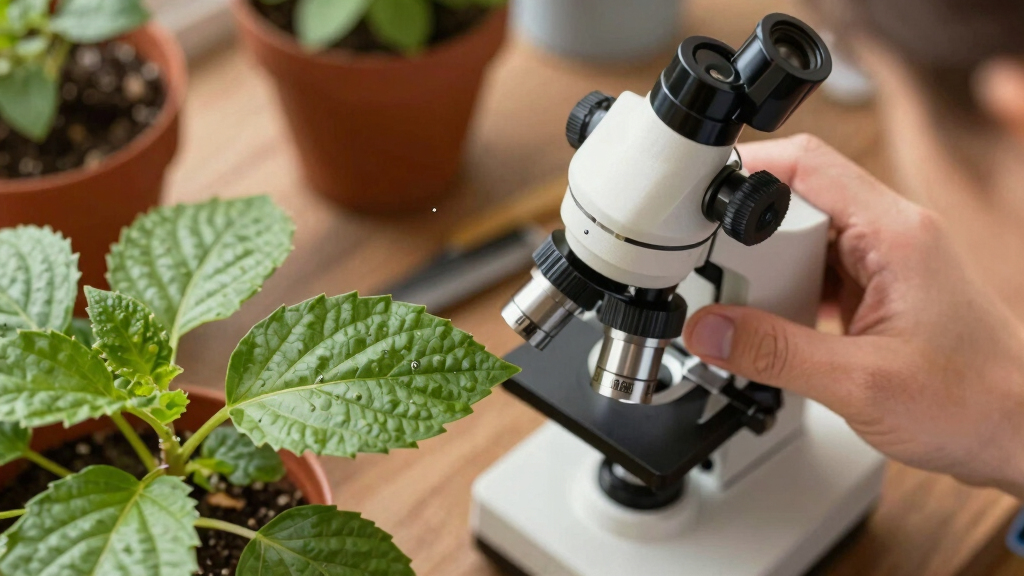

For anyone battling spider mites, a high-quality handheld microscope can make all the difference in early detection and effective treatment. The Best Overall pick, the TOMLOV P10, offers a clear 100X magnification with built-in lighting, perfect for quick inspections. The Skybasic Wireless Digital Microscope stands out for its impressive zoom range up to 1000X, ideal for detailed examination. However, these options come with tradeoffs: higher magnification often means more complexity, and budget models may lack clarity or durability. Keep reading to see how these models compare and find the best fit for your needs.
Key Takeaways
- Highest magnification doesn’t always mean better for spider mite detection; clarity at lower magnifications can be more effective.
- Wireless models offer greater flexibility but may compromise on image stability or battery life.
- Built-in lighting, especially adjustable LEDs, significantly improves visibility of tiny pests like spider mites.
- Durability and ease of use are crucial, especially for beginners or frequent field use.
- Price varies widely; balancing features against budget is essential for selecting the right microscope.


More Details on Our Top Picks
TOMLOV P10 Microscope for Adults Kids, Portable 100X Illuminated Jewelers Loupe, Handheld Coin Magnifier with Light for Collectors, Pocket Trichome Magnifying Glass, Digital Microscope with 2″ Screen
The TOMLOV P10 stands out for its built-in 2″ LCD screen, making it simple to view and share live images without needing a computer, unlike the Skybasic 50X-1000X WiFi model which requires pairing with a device. Its fixed 100X magnification provides clear, detailed views ideal for inspecting spider mites on plants or trichomes, yet the focus is fixed, limiting flexibility for different magnification needs. The inclusion of white and UV lights ensures visibility in various conditions, but the battery life of up to 50 minutes can be restrictive during prolonged use. Compared to more advanced models like the Skybasic, this is more straightforward but less versatile for high-magnification detailed work. Its compact, lightweight design makes it perfect for outdoor or quick inspections, though the fixed focus may be a drawback for precise, detailed analysis.
Pros:- Built-in 2″ LCD screen for easy sharing and viewing
- Fixed 100X magnification suitable for general inspection
- Includes white and UV lights for versatile illumination
- Capture images with 16MP camera and 8GB SD card
Cons:- Fixed focus limits ability to adjust for different depths
- Battery life of only 50 minutes may be insufficient for extended use
- Limited zoom and no high-magnification capabilities
Best for: Beginners and hobbyists needing a simple, shareable visual inspection tool for plant health and trichome analysis.
Not ideal for: Professional botanists or entomologists requiring variable magnification and manual focus for detailed mite identification.
- Magnification:100X fixed
- Display:2-inch LCD
- Lights:White and UV LED
- Camera:16MP
- Storage:8GB SD card
- Power:Rechargeable battery, 50 mins
Bottom line: This pick suits casual users or beginners looking for a portable, easy-to-use device for basic spider mite and trichome inspection.
Wireless Digital Microscope, Skybasic 50X-1000X Magnification WiFi Portable Handheld Microscopes with Adjustable Stand HD USB Microscope Camera Compatible with iPhone Android iPad Windows Mac Computer
The Skybasic 50X-1000X WiFi microscope excels in its wireless connectivity, allowing easy pairing with smartphones and tablets, unlike the TOMLOV P10 which relies on a direct USB connection. Its adjustable stand enhances stability during detailed inspections, but the fixed focus can be less precise at higher magnifications—similar to the APEXEL 800X but with broader zoom capabilities. The 8 adjustable LED lights ensure clear imaging in low light, and the ability to capture 1080P images directly on a device adds to its convenience. However, the need to maintain the optimal distance of 3-60mm for sharp images can be a minor challenge. Compared to models with built-in screens, this is more portable and versatile, especially for outdoor or field use, though it requires familiarity with app-based controls.
Pros:- Wireless WiFi connection for iOS and Android devices
- Magnification range up to 1000X for detailed inspection
- Includes adjustable LED lighting for clarity
- Compatible with Windows and Mac via USB
Cons:- Requires maintaining proper distance for sharp focus
- App connectivity can sometimes be finicky or require updates
- No built-in display, relying on external devices for viewing
Best for: Field researchers or hobbyists who prioritize wireless operation and high zoom range for inspecting plant pests or small insects.
Not ideal for: Users seeking a simple plug-and-play device with a built-in screen, such as casual gardeners or beginners.
- Magnification:50X-1000X
- Connectivity:WiFi and USB
- Lights:8 adjustable LEDs
- Resolution:1080P
- Compatibility:iPhone, Android, Windows, Mac
- Power:Rechargeable
Bottom line: Ideal for tech-savvy users who need high zoom flexibility and wireless convenience for plant mite detection outdoors or in the field.
ScopeAround Digital Microscope, Autofocus Handheld Microscope, Magnifier with 2.8″ IPS Screen and LEDs, Portable Magnifying Glass, Compatible with Mac/Windows
The ScopeAround digital microscope features a bright 2.8″ IPS screen with autofocus, making it easier to view and document tiny details compared to models like the TOMLOV P10 or Skybasic which rely on external devices. Its autofocus system quickly achieves clarity, saving time during inspections of spider mites or plant trichomes, but the fixed focus range (0.43-0.63 inches) might limit focus precision at very close or varied depths. The dual LED system offers versatile lighting options, and the ergonomic handle stabilizes the device during use. While it’s portable at under 0.25 lbs, the fixed focus and lack of manual zoom can be a limitation for certain detailed tasks, unlike the APEXEL 800X which offers higher magnification. This model suits users who prefer a larger, integrated screen for easier viewing and sharing.
Pros:- Large 2.8″ IPS color display for easy viewing
- Autofocus system for quick clarity
- Dual LED lights for flexible illumination
- Lightweight and portable design
Cons:- Fixed focus limits depth adjustment
- No zoom or manual focus control for fine adjustments
- Limited to 35 images without video recording unless a SD card is added
Best for: Home gardeners or hobbyists who want a larger display for inspecting mites and trichomes without connecting to other devices.
Not ideal for: Professional researchers needing variable focus and higher magnification for detailed mite taxonomy.
- Display:2.8″ IPS
- Magnification:Unknown fixed
- Lights:Dual LED
- Focus:Autofocus
- Compatibility:Mac, Windows
- Weight:0.25 lbs
Bottom line: Suitable for casual users seeking a user-friendly, larger screen device to observe mites and plant trichomes comfortably.
Carson MicroBrite Plus 60x-120x Accurate LED Lighted Pocket Microscope, Portable Educational STEM Toy, Mini Handheld Microscope for Student Science Lab (MM-300), Grey
The Carson MicroBrite Plus offers a reliable 60X-120X zoom range, giving enough flexibility for basic inspection of spider mites or plant trichomes, especially for students or beginners. Its pocket-sized design makes it highly portable, but the limited magnification at the lower end (60X) may not reveal the finest mite details, unlike the Skybasic or APEXEL models which provide higher zoom levels. The LED illumination is bright and evenly distributed for clear views, although the fixed zoom limits detailed focus control. This model is more affordable than the Skybasic WiFi, but sacrifices some magnification and advanced features for simplicity and cost-effectiveness. Perfect for educational settings or entry-level plant pest checks, but less suited for detailed scientific analysis.
Pros:- Affordable price point for educational use
- Magnification range 60X-120X suitable for general inspection
- Bright LED illumination for clear visibility
- Pocket-sized and lightweight for portability
Cons:- Limited zoom compared to higher-end models
- No digital image capture or video recording
- Fixed zoom range restricts close-up detail at higher magnifications
Best for: Students or novice gardeners seeking an affordable, portable microscope for basic mite and plant inspection.
Not ideal for: Professional growers or entomologists needing high magnification and adjustable focus for precise mite species identification.
- Magnification:60X-120X
- Lights:LED
- Objective Lens:Achromatic
- Power Source:Battery
- Weight:2.08 ounces
- Size:2.25″L x 1.2″W x 3.5″H
Bottom line: A solid choice for students and hobbyists needing a compact, budget-friendly microscope for basic mite observation.
APEXEL 800X Handheld Digital Microscope with 2” LCD Screen, Pocket Portable Microscope for Kids with Adjustable LED Lights, Coins Microscopes Magnifier Camera, USB to PC Including 32G SD Card
The APEXEL 800X digital microscope offers impressive magnification with a built-in 2″ LCD screen, making it ideal for detailed inspection of spider mites and plant trichomes. Its autofocus system ensures quick, crisp images, much like the ScopeAround model but with a higher maximum zoom. The adjustable LED lights facilitate clear observation in various lighting conditions. However, the fixed focus and lack of manual zoom controls mean it may struggle with extremely close or varied depths, similar to the limitations of the ScopeAround. Its portable design and SD card support make it suitable for fieldwork and documentation, but users should be aware that the autofocus at high magnifications can sometimes be tricky to manage at very close distances. This makes it perfect for hobbyists or students requiring more detailed visual analysis.
Pros:- High 800X magnification with built-in display
- Autofocus for quick, clear images
- Adjustable LED lighting for detailed observation
- Supports SD cards for image storage
Cons:- Limited manual focus control at high zoom levels
- Autofocus may require adjustment for very close objects
- Fixed focus range may limit flexibility
Best for: Enthusiasts and students who want a portable, high-magnification device with a display for inspecting mites and other small objects.
Not ideal for: Professionals needing precise, manual focus and variable zoom control for scientific mites identification.
- Magnification:up to 800X
- Display:2″ LCD
- Lights:Adjustable LED
- Focus:Autofocus
- Memory:Supports SD card
- Weight:130g
Bottom line: This microscope is well-suited for users who seek high magnification and a built-in display for detailed, portable inspection of mites and plant trichomes.
USB Digital Microscope, 50x-1600x Magnification Handheld, 1920P HD 8 LED Lights, Portable Pocket Microscope, Compatible with iOS and Android Devices, +2MP Magnifier Camera, No PC Support
This microscope excels in offering high-resolution images directly to smartphones, making it ideal for quick, on-the-spot inspections of spider mites on plants. Its +2MP camera captures sharp HD images, surpassing many basic models like the 1000X Kids Microscope with Screen in clarity and detail. The absence of PC support simplifies its use but limits versatility for more detailed analysis on larger screens. The 50x-1600x digital zoom allows for detailed examination of tiny pests like spider mites, but at high magnifications, stability becomes crucial to avoid blurry images. The 8 LED lights are adjustable, providing enough illumination even in low-light conditions. However, this device’s reliance on a dedicated app and mobile-only compatibility could be a drawback for users needing to connect to computers or larger displays. Overall, this pick makes sense for those who prioritize mobility and smartphone integration over extensive software options.
Pros:- High-resolution 1920x1440P HD image and video output
- Powerful 50x-1600x digital zoom with manual focus
- Easy plug-and-play connection with iOS and Android devices
Cons:- Limited to mobile device compatibility, no PC support
- High magnification images require a steady hand or stand to prevent blurring
Best for: Hobbyists or professionals who want portable, smartphone-based inspection of spider mites without carrying extra equipment.
Not ideal for: Researchers needing detailed, large-screen analysis or those working on a laptop or desktop who prefer a wired connection with higher flexibility.
- Magnification:50x-1600x (digital zoom)
- Camera Resolution:2MP
- Image Resolution:1920x1440P HD
- Light Source:8 adjustable LEDs
- Connectivity:iOS and Android via Type-C
- Objective Lens:Achromatic, multi-coated
- Power Source:USB Type-C
- Dimensions:4.41″L x 1.56″W x 1.17″H
- Weight:0.09 kg
Bottom line: This microscope suits users who need quick, high-quality mobile inspection of spider mites in the field or on the go.
1000X Handheld Microscope for Kids 4K 2.0″ Screen Rechargeable Mini Pocket Digital Microscopes w/Slides Kit Portable Edu Gift Age 4-6 8-12 Children Students
This model stands out for its user-friendly 4K display and simple zoom controls, making it ideal for children exploring spider mites on leaves or tiny objects. Compared to the USB Digital Microscope, it offers an integrated screen that avoids the need for a smartphone, which is perfect for younger users but limits the resolution slightly compared to high-end phone-based options. The 200x-1000x zoom range covers the typical size of spider mites, offering enough detail for identification and observation. Its lightweight design and included neck strap make it portable and safe for kids, though the lower maximum magnification may not satisfy advanced hobbyists. The rechargeable battery lasts over two hours, and it comes with prepared slides, adding educational value. However, it’s less versatile for detailed professional work and less suitable for users who prefer larger screens or more precise focus control. This pick makes sense for parents and teachers seeking a beginner-friendly, all-in-one educational tool.
Pros:- 4K built-in display with bright, clear image
- Wide 200x-1000x zoom range suitable for spider mite observation
- Lightweight, portable design with neck strap for hands-free use
Cons:- Limited maximum magnification for detailed research
- Lower resolution compared to high-end smartphone microscopes
Best for: Parents or educators looking for a safe, easy-to-use microscope for children to observe spider mites and other small subjects.
Not ideal for: Advanced hobbyists or professionals requiring higher magnification and detailed imaging suited for laboratory work.
- Magnification:200x-1000x
- Display:4K 2.0″ Screen
- Power:Rechargeable, 2.5 hours
- Included Slides:Yes, lab-grade glass slides
- Portability:Very lightweight, fits in pocket
- Connectivity:Built-in screen, no external device needed
Bottom line: This microscope is perfect for young learners and beginners to safely explore tiny organisms like spider mites at an accessible level.
1000X Handheld Microscope for Kids 4K 2.0″ Screen Rechargeable Mini Pocket Digital Microscopes w/Slides Kit Portable Edu Gift Age 4-6 8-12 Children Students (Grey)
Sharing similar features with the previous kid-friendly model, this version offers the same 200x-1000x zoom range and 4K display, but in a sleek grey design. It provides an excellent balance between size, ease of use, and affordability, making it ideal for young students beginning to explore tiny pests like spider mites. While it’s not as feature-rich as the USB Digital Microscope for professional detail, its rechargeable battery and included slides make it a complete starter kit. The built-in display simplifies the observation process for children, but the lower maximum magnification may limit detailed examination of very small mites or eggs. Its portability and ease of use make it a popular choice for casual or educational use, though it may not satisfy more advanced users seeking finer detail or connectivity options for larger screens. This pick is great for budget-conscious parents or teachers introducing kids to microscopy.
Pros:- Affordable, with 4K display for clear images
- Compact and lightweight, easy for kids to carry
- Includes slides and a hard case for storage and transport
Cons:- Maximum 1000x zoom may not reveal all mite details
- Limited to built-in screen, no external device connectivity
Best for: Educational settings or parents seeking an affordable, portable microscope for children to observe spider mites and other small objects.
Not ideal for: Users who need high-magnification research tools or detailed professional imaging for pest control or scientific study.
- Magnification:200x-1000x
- Display:4K 2.0″ Screen
- Battery Life:2.5 hours
- Included Slides:Yes
- Portability:Very light, fits in pocket
- Connectivity:Built-in display, no external device needed
Bottom line: This microscope offers a straightforward, budget-friendly way for kids to explore spider mites and other tiny objects safely and easily.
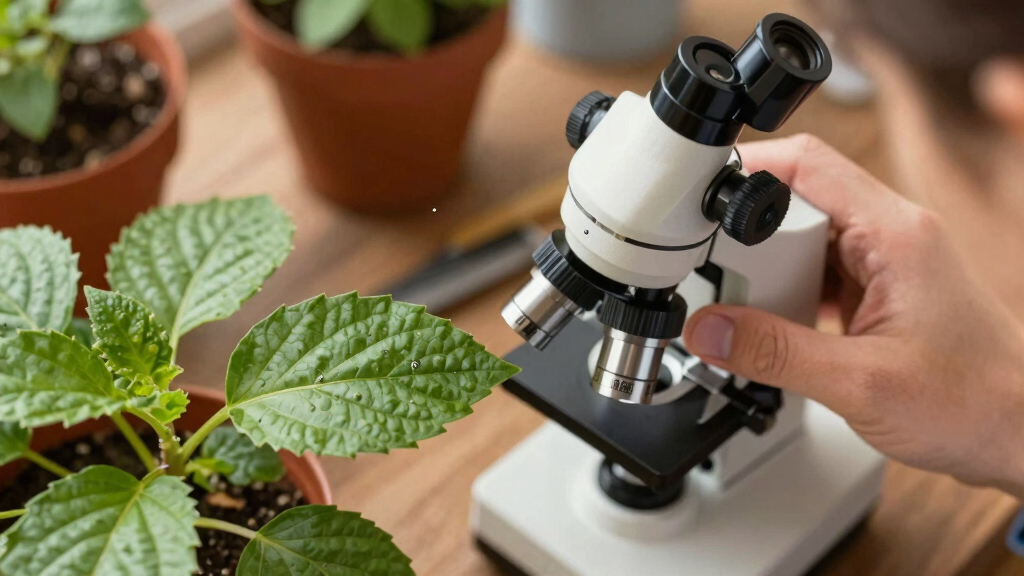
How We Picked
These products were evaluated based on key factors that matter most when inspecting spider mites: optical clarity at various magnifications, ease of use, build quality, lighting options, and overall value. We prioritized models with stable image quality, user-friendly interfaces, and durable construction suitable for regular use. Price was also considered to include options for different budgets, ensuring that both entry-level and premium buyers find suitable choices. The ranking reflects a balance between technical performance and practical usability for identifying tiny pests like spider mites effectively.Factors to Consider When Choosing Best Handheld Microscope For Spider Mites
Choosing the best handheld microscope for spider mites involves more than just zoom levels. You need a device that offers clear images at the magnifications relevant to identifying these pests, typically around 50X to 200X. Ease of use is critical because you might need to inspect plants frequently and quickly. Lighting is another vital factor, as spider mites are tiny and often hidden in dense foliage; adjustable LEDs can dramatically improve visibility. Portability and durability also matter if you plan to carry the microscope outdoors or move it between multiple plants. Finally, consider whether you prefer a digital display or a traditional eyepiece, based on your comfort with technology and inspection needs.Magnification Range and Clarity
For spider mite detection, a magnification of around 50X to 200X usually suffices. Higher magnifications, like 1000X, are more suited for detailed cellular analysis rather than quick pest identification. The key is a microscope that provides sharp, well-contrasted images at these levels. Digital microscopes with high-resolution screens often make it easier to spot tiny pests compared to traditional optical models, especially if you need to share images or record inspections. Beware of models that advertise high magnification but deliver blurry or low-contrast images, as these can hinder accurate identification.
Lighting and Visibility
Proper lighting dramatically impacts your ability to see spider mites clearly. Models with built-in adjustable LEDs, preferably with multiple brightness levels, help illuminate dense foliage and tiny pests. Some microscopes offer ring lights or side lighting for more even illumination, reducing shadows that obscure details. Avoid models with insufficient or non-adjustable lighting, as they can make inspection frustrating. Remember, consistent, bright, and adjustable lighting is often the difference between missing a pest and catching it early.
Ease of Use and Portability
If you plan to inspect plants frequently, a lightweight, portable model is essential. Features like simple controls, ergonomic design, and quick focusing mechanisms save time and reduce frustration. Wireless or battery-powered models eliminate the hassle of cords, but check battery life and stability of the wireless connection. For field use, rugged construction and compact size enhance convenience. Conversely, more complex models with extensive features might suit professional growers but can overwhelm casual users.
Build Quality and Durability
Inspecting plants often involves outdoor environments, so a durable, well-constructed microscope is a smart choice. Materials like shock-resistant plastics and sealed lenses prevent damage from accidental drops or dust. If you need to carry the device around a garden or greenhouse, investing in a model with protective casing or a carrying case can extend its lifespan. Cheaper models may be tempting, but they often lack the robustness needed for regular use in demanding conditions.
Price and Value
Prices for handheld microscopes vary from budget-friendly models to premium digital options. While cheaper models can be sufficient for occasional use or hobbyist purposes, they often compromise on image quality or durability. Investing more in a well-made model with good optics and reliable lighting can save money long-term by reducing frustration and the need for replacements. Consider your frequency of use, level of detail needed, and whether features like digital recording or connectivity justify the extra cost.
Frequently Asked Questions
Can I use a handheld microscope to identify spider mites on dense plant foliage?
Yes, but choosing a model with adjustable lighting and sufficient magnification makes the process much easier. Dense foliage can cast shadows or obscure pests, so bright, directional LEDs can help illuminate hidden areas. Compact, portable designs allow you to inspect difficult-to-reach places comfortably. While higher magnification is available, focusing on models that provide clear images at 50X to 200X will generally be enough for quick identification of spider mites, preventing infestations from spreading.
Is digital or optical better for spotting spider mites?
Digital microscopes with high-resolution screens tend to be more user-friendly for quick inspections because they allow you to see the image without squinting through lenses and can record or share images easily. Optical microscopes with eyepieces can sometimes offer better image clarity at high magnifications but require more skill to operate and share findings. For most hobbyists and casual gardeners, digital models provide a good balance of ease and clarity, especially when inspecting multiple plants regularly.
How important is magnification range when choosing a microscope for spider mites?
Most spider mites are quite small, so a magnification of 50X to 200X generally suffices for identification. Higher magnifications, such as 1000X, are unnecessary unless you need to examine cellular structures or eggs in detail. The key is a microscope that provides sharp, high-contrast images at these levels. Overly high magnification can lead to blurry images or require complex focusing, which may slow down routine inspections.
Should I prioritize portability over image quality?
Portability is essential if you plan to inspect plants outdoors or move frequently between locations. However, sacrificing too much image quality for portability can make pest identification difficult. The best approach is to find a balance—compact models with good optical performance and reliable lighting. That way, you get the convenience of portability without compromising the clarity needed to spot spider mites effectively.
Are more expensive models worth the extra investment for spider mite detection?
Generally, yes. Higher-priced models often offer better optics, more consistent lighting, and greater durability, which are all valuable when inspecting tiny pests like spider mites. They can also provide features like digital recording and higher magnification ranges, making your inspections more efficient and accurate. However, for casual or infrequent use, a mid-range model that balances quality and price can still be effective. It’s important to match the features with your specific needs and inspection frequency.