Choosing the right pH dosing pump for hydroponics is crucial for maintaining optimal nutrient levels and healthy plant growth. The best models automate pH adjustments, saving time and reducing errors, but they vary in precision, ease of use, and price. The Bluelab pH Controller Wi-Fi stands out as the best overall for its reliable automation and connectivity, while the AC Infinity Peristaltic Dosing Pump offers excellent control at a lower price. However, many options involve tradeoffs between advanced features and simplicity. Continue reading to see how these pumps compare and which might be best for your setup.

Get garden gear delivered free — and shop member deals
- Fast, free delivery on millions of items
- Access to Prime Big Deal Days deals on October 6–7
- Prime Video, Amazon Music and more included
Complete the kit


Key Takeaways
- Higher-end models like the Bluelab Controller offer advanced connectivity and precision, ideal for tech-savvy growers.
- Peristaltic pumps generally provide more consistent dosing compared to simpler diaphragm models, but may come at a higher cost.
- Ease of installation and user interface vary significantly; beginners should prioritize models with clear controls and setup guides.
- Dual relay output features allow for integrating with existing systems, a key consideration for automated setups.
- Price ranges reflect differences in build quality, control features, and dosing accuracy—budget options can work for small-scale or hobby growers.
| Bluelab pH Controller Wi-Fi, Automated Nutrient Dosing | 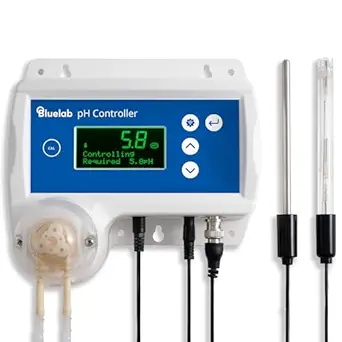 | Best Overall for Remote pH Management | Connectivity: Wi-Fi (can be disabled) | Dosing Rate: 120 ml/min (4.06 fl oz) | Cable Length: 2 meters (6 feet) | VIEW ON AMAZON | See Our Full Breakdown |
| Bluelab PERIPODM3 Peripod M3 for Pro Controller, Dosing for pH and Nutrients, 3 Pumps with Accessories | 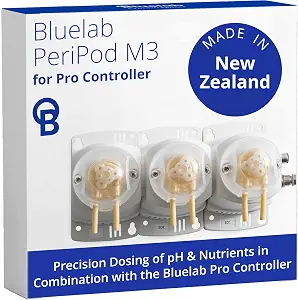 | Best for Integrated Hydroponic Systems | Pump Flow Rate: 120 ml/min | Number of Pumps: 3 | Power Supply: 24V DC 2Amp | VIEW ON AMAZON | See Our Full Breakdown |
| Bluelab PERIPODL3 Peripod L3 for Pro Controller, Dosing for pH and Nutrients, 3 Pumps (1200ml) with Accessories |  | Best for Precise, High-Volume Dosing | Pump Capacity: 1200 ml/min | Number of Pumps: 3 | Power Supply: 24V DC 2Amp | VIEW ON AMAZON | See Our Full Breakdown |
| Milwaukee Instruments MC720 Dosing Pump Kit |  | Best for Precise pH Control in Hydroponic Tanks | pH Range: 5.5 to 9.5 | Includes: pH controller, dosing pump | Application: Hydroponic systems, fertilization tanks | VIEW ON AMAZON | See Our Full Breakdown |
| AC Infinity Peristaltic Dosing Pump, 10-Level Dosing Control |  | Best for Precise, Flexible Dosing Control | Flow Rate: up to 21 mL/min | Dosing Levels: 10 | Interval: seconds | VIEW ON AMAZON | See Our Full Breakdown |
| Automatic pH Controller with Dosing Pump & Dual Relay Output for Aquariums and Hydroponics |  | Best for Automated pH Balance with Trend Analysis | Dosing Pumps: Yes | Dual Relay Output: Yes | Data Chart Display: Yes | VIEW ON AMAZON | See Our Full Breakdown |
| Smart pH Controller with Dosing Pump – Dual Relay Output, LCD Display, Temp Compensation, Auto Data Logging for Hydroponics, Aquariums, Indoor Grow |  | Best for User-Friendly Automation with Data Logging | Dimensions: 7.7 x 4.7 x 1.7 inches | Temperature Units: °C/°F switchable | Includes: Peristaltic dosing pump, L-bracket, silicone tubing, fastening nuts, mounting screws | VIEW ON AMAZON | See Our Full Breakdown |
| Milwaukee Instruments MP810 Dosing Pump for pH Controller, 110V |  | Best for Precise Chemical Dosing in Water Treatment | Model Number: 1188J12EA | Package Dimension: 4.0″ L x 6.0″ W x 12.0″ H | Package Weight: 2.0 lb | VIEW ON AMAZON | See Our Full Breakdown |
| pH Controller with Dual Relay Output & Dosing Pump, Digital pH Monitor with Auto Temperature Compensation for Hydroponics and Aquariums |  | Best for Reliable, Automated pH Control with Data Monitoring | Type: pH Controller | Relay Output: Dual | Features: Dosing Pump, Auto Temperature Compensation, Data Trend Display | VIEW ON AMAZON | See Our Full Breakdown |
More Details on Our Top Picks
Bluelab pH Controller Wi-Fi, Automated Nutrient Dosing
This model stands out for its seamless remote control capabilities, allowing users to monitor and adjust pH levels via smartphone. Compared with the Milwaukee MC720, the Bluelab Wi-Fi offers more precise dosing with adjustable speed and the convenience of automated alerts, making it ideal for growers who prioritize automation and remote access. However, its reliance on Wi-Fi can complicate setup for those without a stable network, and its higher price point might deter casual users. The built-in peristaltic pump ensures reliable, fine-tuned adjustments, while safety lockouts prevent overcorrection, making it a top choice for tech-savvy hydroponic growers who want peace of mind.
Pros:- Remote control and monitoring via smartphone
- Precise dosing with adjustable pump speed
- Built-in safety lockouts prevent over-adjustments
Cons:- Requires Wi-Fi connection for full functionality
- Complex setup may challenge beginners
Best for: Growers seeking advanced remote monitoring and automation capabilities, especially with larger or more complex setups
Not ideal for: Small-scale hobbyists or those with limited Wi-Fi infrastructure who prefer simple, plug-and-play devices
- Connectivity:Wi-Fi (can be disabled)
- Dosing Rate:120 ml/min (4.06 fl oz)
- Cable Length:2 meters (6 feet)
- Pump Type:Built-in variable speed peristaltic pump
- Safety Features:Lockouts, auto-resume after power loss
Our verdict“This pick is perfect for tech-savvy growers who want reliable, remote pH control with smart safety features.”
Bluelab PERIPODM3 Peripod M3 for Pro Controller, Dosing for pH and Nutrients, 3 Pumps with Accessories
This system excels when paired with the Pro Controller, automating both pH and nutrient dosing for consistent results in larger setups. Compared to the Bluelab PERIPODL3, the PERIPODM3 offers simpler integration with existing hydroponic infrastructure and includes comprehensive accessories, making it suitable for serious growers wanting automation without manual intervention. Its dependency on the separate Pro Controller, however, means a higher initial investment and added complexity for beginners. The three pumps with 13-foot tubing support flexible placement, ensuring even water distribution, but the setup can be daunting for those new to automation systems.
Pros:- Automates pH and nutrient dosing for consistency
- Includes comprehensive accessories and sturdy mounting hardware
- Supports various recirculating and drain-to-waste systems
Cons:- Requires Pro Controller (sold separately)
- Setup complexity may challenge beginners
Best for: Professional or larger-scale growers who already use or plan to adopt the Pro Controller for integrated management
Not ideal for: Small growers or hobbyists without the Pro Controller, as this system isn’t standalone
- Pump Flow Rate:120 ml/min
- Number of Pumps:3
- Power Supply:24V DC 2Amp
- Tubing Length:13 feet (4 meters)
- Warranty:2 years (6 months for pump cartridge and tubing)
Our verdict“This system is ideal for experienced growers seeking seamless automation within an integrated hydroponic setup.”
Bluelab PERIPODL3 Peripod L3 for Pro Controller, Dosing for pH and Nutrients, 3 Pumps (1200ml) with Accessories
The Bluelab PERIPODL3 offers a significant upgrade in capacity, with 1200ml per minute flow rates, making it suitable for larger hydroponic systems or those requiring frequent dosing. Compared to the PERIPODM3, its higher capacity can handle bigger water volumes, but it still requires the Pro Controller for operation, which elevates the overall cost and complexity. Its comprehensive hardware and mounting options make it versatile, though some users with less technical experience might find the setup challenging. This model is particularly advantageous for sizeable operations needing robust, reliable dosing over extended periods.
Pros:- High-capacity pumping for large water volumes
- Includes hardware and mounting accessories
- Compatible with most modern hydroponic systems
Cons:- Requires Pro Controller (sold separately)
- Setup may be complex for beginners
Best for: Large-scale growers or commercial operations that need high-volume, consistent dosing
Not ideal for: Small hobbyists or those with limited space, as the system’s capacity and complexity may be overkill
- Pump Capacity:1200 ml/min
- Number of Pumps:3
- Power Supply:24V DC 2Amp
- Tubing Length:13 feet (4 meters)
- Warranty:2 years (6 months for pump cartridge and tubing)
Our verdict“This system fits growers managing large or automated systems demanding high-volume dosing with reliable performance.”
Milwaukee Instruments MC720 Dosing Pump Kit
The Milwaukee MC720 offers precise pH regulation in hydroponic or fertilization tanks, with a focus on small, accurate adjustments. Unlike the digital, WiFi-enabled models from Bluelab, the MC720 emphasizes straightforward, manual control, making it suitable for growers who prefer simple, reliable equipment. It excels in small to medium-sized systems where detailed pH control is critical. However, its limited flexibility outside of pH adjustment and lack of automation features mean it’s less suitable for growers wanting fully automated nutrient management. Its small flow rate provides accuracy but isn’t designed for large-volume dosing, requiring careful manual setup.
Pros:- Automated pH control with precise flow rate
- Simple to set desired pH levels
- Reliable and straightforward operation
Cons:- Limited to pH adjustments only
- Requires understanding of pH adjustment process
Best for: Growers who need reliable, manual pH control in small or medium hydroponic systems
Not ideal for: Large-scale or automated systems where integrated or remote control is desired
- pH Range:5.5 to 9.5
- Includes:pH controller, dosing pump
- Application:Hydroponic systems, fertilization tanks
Our verdict“This kit suits growers prioritizing accurate, manual pH regulation without the need for automation or remote features.”
AC Infinity Peristaltic Dosing Pump, 10-Level Dosing Control
The AC Infinity Dosing Pump shines in settings requiring fine-tuned, variable dosing, thanks to its 10 adjustable levels and WiFi app control. Compared with the simpler Milwaukee MC720, this pump offers a broader range of flow rates (up to 21 mL/min), making it suitable for more sensitive applications like labs or aquariums. Its quiet operation and energy efficiency add to its appeal for discreet, long-term use. However, its reliance on compatible controllers and limited flow rates mean it might not suit high-volume needs or users without existing automation infrastructure. Its sealed, leak-free design provides added reliability for delicate environments.
Pros:- Precise 10-level dosing for fine control
- Quiet, energy-efficient operation
- WiFi app for easy programming and remote control
Cons:- Requires compatible controllers for full functionality
- Limited flow rate range for large-volume applications
Best for: Growers or researchers needing sensitive, multi-level dosing for small volumes, especially in controlled environments
Not ideal for: High-volume hydroponic systems or growers seeking very simple setup without additional controllers
- Flow Rate:up to 21 mL/min
- Dosing Levels:10
- Interval:seconds
- Control:WiFi app
Our verdict“This pump is excellent for users needing highly adjustable, low-volume dosing in sensitive or laboratory environments.”
Automatic pH Controller with Dosing Pump & Dual Relay Output for Aquariums and Hydroponics
This digital pH controller stands out for its integrated dosing pumps and dual relay outputs, making it ideal for maintaining stable pH levels in both aquariums and hydroponic systems. Compared with simpler models like the Milwaukee MP810, it offers automatic temperature compensation and a data chart display that helps track pH trends over time, which is critical for fine-tuning nutrient solutions. However, its setup can be complex, especially for users without technical experience, and it’s limited mainly to specific environments. The inclusion of functions like MAX, MIN, and AVG readings adds value for detailed monitoring, but the device’s complexity may be a barrier for beginners. This option is best suited for growers or hobbyists who prioritize detailed data and automation.
Pros:- Automatic pH balancing with integrated dosing pumps
- Includes data trend analysis with easy-to-read chart display
- High-precision sensor with automatic temperature compensation
Cons:- Setup can be complicated and may require technical skills
- Limited to specific applications like aquariums and hydroponics
Best for: Hydroponic growers or aquarists needing automated pH control with detailed trend analysis
Not ideal for: Beginners or those seeking a simple plug-and-play solution, due to its complex setup
- Dosing Pumps:Yes
- Dual Relay Output:Yes
- Data Chart Display:Yes
- ATC (Automatic Temperature Compensation):Yes
- Functions:MAX/MIN/AVG, Dose Count
Our verdict“This controller is best for experienced users who want detailed monitoring and automation in their hydroponic or aquatic systems.”
Smart pH Controller with Dosing Pump – Dual Relay Output, LCD Display, Temp Compensation, Auto Data Logging for Hydroponics, Aquariums, Indoor Grow
This smart pH controller makes a strong case for ease of use combined with accurate pH management, featuring a clear LCD display and real-time data logging, unlike the more technical Automatic pH Controller with Dosing Pump. Its compact size and straightforward installation appeal to indoor growers who want reliable, automated pH adjustments without extensive setup. While it offers automatic pH correction and temperature compensation, some users may find that initial calibration needs careful attention to achieve optimal results. The included peristaltic pump and mounting accessories simplify integration into existing systems, and the data logs make ongoing system adjustments easier. This pick is perfect for hobbyists or small-scale growers seeking a balance of automation and ease of operation.
Pros:- Accurate pH measurement with automatic temperature compensation
- Real-time data monitoring with detailed logs and charts
- Easy to install and operate with included accessories
Cons:- Requires some initial setup and calibration for best performance
- Limited to specific applications like hydroponics and aquariums
Best for: Indoor growers or hobbyists who want automated pH control with easy setup and data tracking
Not ideal for: Large-scale commercial growers needing highly customizable or industrial-grade systems, due to size and feature set
- Dimensions:7.7 x 4.7 x 1.7 inches
- Temperature Units:°C/°F switchable
- Includes:Peristaltic dosing pump, L-bracket, silicone tubing, fastening nuts, mounting screws
Our verdict“This controller is best for indoor or small-scale growers prioritizing simplicity and reliable automation.”
Milwaukee Instruments MP810 Dosing Pump for pH Controller, 110V
The Milwaukee MP810 offers a straightforward approach to chemical dosing, especially suited for integration with pH controllers like the pH Controller with Dual Relay Output & Dosing Pump. Its compact design and 110V operation make it ideal for setups where space is limited, but it lacks detailed pH measurement features or advanced automation. The main advantage is its precision in chemical dosing, yet the absence of detailed flow rate specs and limited control capabilities mean it’s less adaptable for complex hydroponic systems. It works well as a dedicated dosing component but requires a compatible pH controller for full automation. This pump makes the most sense for users who already have a pH controller and need a reliable chemical delivery device.
Pros:- Precise chemical dosing for pH adjustment
- Compact and lightweight, easy to install
- Suitable for water treatment systems
Cons:- Limited flow rate information available
- Requires an external pH controller for automation
Best for: Hydroponic or water treatment users needing a reliable, compact dosing pump compatible with existing controllers
Not ideal for: Users seeking integrated pH measurement and automation, as it functions mainly as a dosing component
- Model Number:1188J12EA
- Package Dimension:4.0″ L x 6.0″ W x 12.0″ H
- Package Weight:2.0 lb
- Voltage:110V
Our verdict“This pump is best for users who need a dependable dosing pump to work alongside their existing pH control setup.”
pH Controller with Dual Relay Output & Dosing Pump, Digital pH Monitor with Auto Temperature Compensation for Hydroponics and Aquariums
This digital pH controller offers a comprehensive solution for maintaining stable water conditions, combining automatic pH adjustment, dual relay outputs, and data trend display. Compared with the Automatic pH Controller with Dosing Pump, it provides a more streamlined, plug-and-play approach, though both excel in automation. Its auto temperature compensation feature ensures consistent pH readings across temperature variations, which is essential for sensitive hydroponic systems. The detailed data trend display helps monitor ongoing pH and temperature changes, but the setup can be complex for those unfamiliar with electronic calibration. Its straightforward operation makes it suitable for both hobbyists and more experienced growers. This device is ideal for anyone seeking reliable, automatic pH regulation with monitoring capabilities.
Pros:- Accurate and reliable pH measurement with temperature compensation
- Automatic pH adjustment for stable conditions
- Data trend display for ongoing monitoring
Cons:- Setup can be complex and may require calibration expertise
- Limited details on long-term durability and calibration stability
Best for: Hydroponic or aquarium enthusiasts wanting dependable, automated pH control with data insights
Not ideal for: Complete beginners or those with limited technical knowledge, due to complex setup requirements
- Type:pH Controller
- Relay Output:Dual
- Features:Dosing Pump, Auto Temperature Compensation, Data Trend Display
- Application:Hydroponic System, Aquarium
- Display:LCD
- Automatic pH Adjustment:Yes
Our verdict“This controller fits users who prioritize dependable automation and data tracking for their hydroponic or aquatic systems.”

How We Picked
The products were evaluated based on their dosing accuracy, ease of use, build quality, connectivity options, and value for money. We prioritized models that offer reliable pH control, straightforward installation, and compatibility with hydroponic systems. Additional features like data logging, temperature compensation, and automation capabilities were also considered, as they enhance usability and precision. Our rankings reflect a balance between performance and affordability, aiming to help both casual growers and more advanced setups find a suitable option.Factors to Consider When Choosing Ph Dosing Pump For Hydroponics
Selecting the right pH dosing pump involves understanding key factors that impact performance and usability. It’s important to consider how the pump integrates with your existing hydroponic system, the level of automation you need, and your budget. Making informed choices can prevent costly mistakes and ensure your plants receive consistent nutrient balance. Here are the main considerations to keep in mind:Dosing Accuracy and Precision
Accurate pH adjustment is essential for plant health. Look for pumps with fine control and consistent dosing to avoid swings that can stress plants. Higher-end models often include sensors and feedback systems that improve precision, but they come at a higher cost. Cheaper pumps may work for small or hobby setups but might struggle with larger systems requiring tight control.
Ease of Installation and Use
Choose a pump that is straightforward to install and operate. Clear instructions, intuitive interfaces, and features like LCD displays make daily adjustments easier. Inexperienced users should prioritize models with automated calibration and user-friendly controls to avoid frustration and errors. Complex setups can be manageable with training or technical support, but simplicity often saves time.
Connectivity and Automation Features
Many modern pumps offer Wi-Fi or Bluetooth connectivity, allowing remote monitoring and control via apps. This can be a game-changer for busy growers who want to automate pH adjustments. Consider whether the pump integrates with your existing controllers or systems and if additional features like data logging or temperature compensation are worth the extra investment.
Build Quality and Durability
Since dosing pumps operate continuously, durability is key. Look for corrosion-resistant materials like polypropylene or stainless steel, especially if using harsh chemicals. Well-built pumps reduce maintenance needs and prevent failures that could jeopardize your crop. Cheaper models may save money upfront but could require frequent repairs or replacements.
Price and Value
Expect to pay more for increased accuracy, automation, and durability. Balance your budget against your system’s size and complexity. Small-scale or hobby growers can often get by with basic models, while commercial setups benefit from premium features. Remember, investing in a reliable pump can save time and reduce crop risk in the long run.
Frequently Asked Questions
How precise does a pH dosing pump need to be for hydroponics?
Precision depends on your crop and system size. For most hydroponic applications, a pump that can adjust pH within ±0.1 is sufficient to maintain stable nutrient levels. More sensitive plants or larger systems may require ±0.05 or better. Investing in a pump with fine control ensures consistent pH, reducing fluctuations that can harm plant roots and affect growth rates.
Can I use a regular dosing pump for pH adjustment in hydroponics?
While some basic pumps can handle pH solutions, they often lack the accuracy, feedback, and automation features necessary for optimal control. Dedicated pH dosing pumps are designed for precision and integrate with sensors to automatically maintain pH levels. Using a standard pump might work temporarily but can lead to inconsistent results and increased manual monitoring.
What maintenance is required for a pH dosing pump in hydroponics?
Routine maintenance involves cleaning the pump head and tubing to prevent buildup and clogging, which can impair dosing accuracy. Regular calibration of sensors and checking for leaks are also important. Depending on the chemical solutions used, some materials may degrade over time, so choosing corrosion-resistant components extends the lifespan. Proper maintenance ensures reliable operation and consistent pH control.
Is automation worth the extra cost for a pH dosing pump?
Automation can significantly reduce manual labor and improve consistency, especially in larger or more complex systems. Automated pumps with features like data logging and remote control help maintain stable pH levels and detect issues early. While they cost more upfront, they often save time and prevent crop damage caused by pH swings, making them a worthwhile investment for serious growers.
How do I choose between a peristaltic and diaphragm pH dosing pump?
Peristaltic pumps generally provide more consistent and gentle dosing, making them better suited for sensitive nutrients or chemicals. Diaphragm pumps are often simpler and cheaper but might offer less precision and can be prone to clogging. Your choice should depend on the chemical properties you’re handling, the required accuracy, and your budget. For high-precision needs, a peristaltic pump is typically the better option.
Conclusion
For small hobbyist setups or beginners, a simple, budget-friendly pump with easy controls is enough to get started. Growers seeking reliable automation and integration should consider premium options like the Bluelab Wi-Fi Controller, which offers advanced connectivity and precision. Commercial operations or those with complex systems will benefit from high-end models with robust features and durability. Ultimately, your choice depends on your system size, budget, and how much automation you desire, but investing wisely ensures consistent crop health and less hassle over time.
Fall yard work Picks
leaf blowers
As an affiliate, we earn on qualifying purchases.