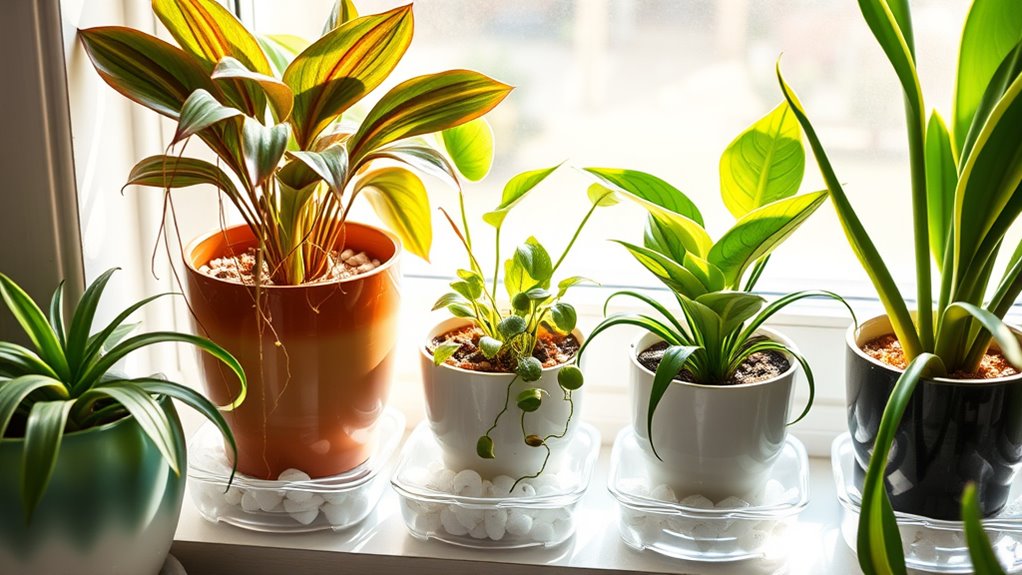
When bringing home new houseplants, it’s essential to quarantine them first. Place them in a separate, well-ventilated area away from your existing plants for at least two to four weeks. Carefully inspect for pests, eggs, or damage and avoid sharing tools to prevent spread. Using organic treatments, like neem oil, can also help. Proper quarantine protects your entire indoor garden, and if you keep going, you’ll learn how to set up an effective quarantine system.

Get garden gear delivered free with Prime
- Fast, free delivery on millions of items
- Prime Video, Amazon Music and more included
- Member-only deals all year
Key Takeaways
- Carefully inspect new plants for pests, eggs, and damage before bringing them indoors.
- Designate a separate, well-ventilated quarantine area away from existing plants.
- Keep quarantined plants isolated for 2 to 4 weeks, monitoring for pests or signs of illness.
- Use dedicated tools and disinfect them after handling quarantined plants to prevent pest spread.
- Treat any pests with organic solutions like insecticidal soap or neem oil during quarantine if needed.
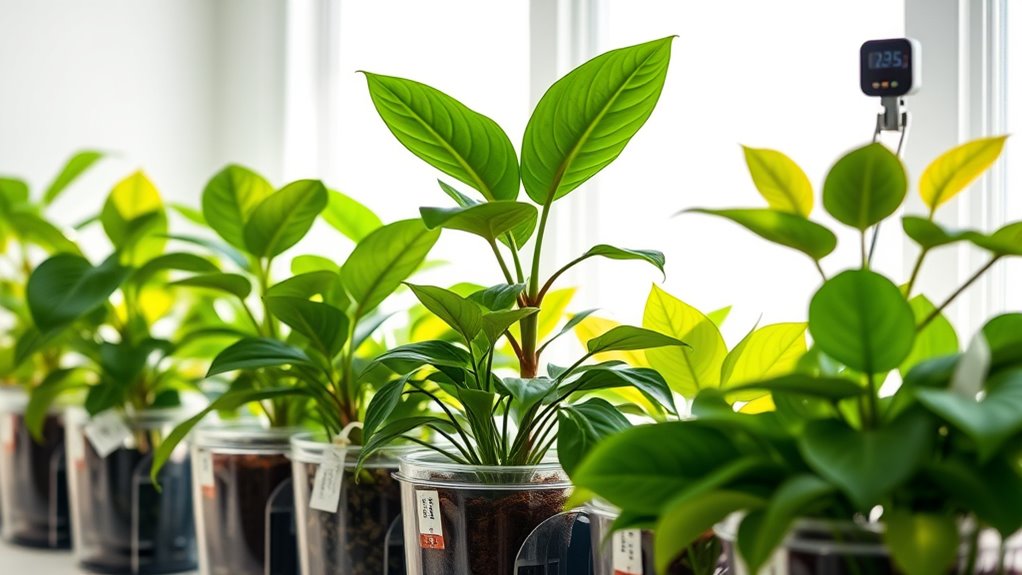
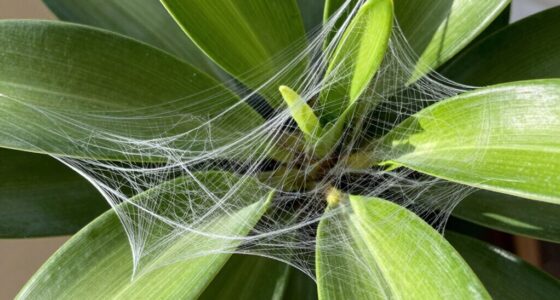
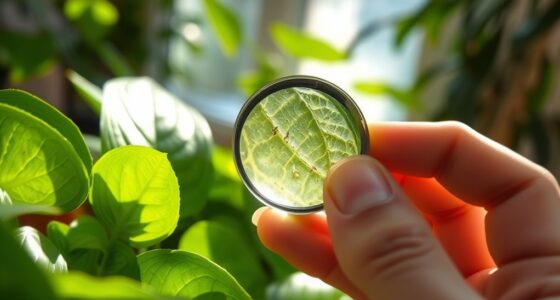
Are you bringing new houseplants into your home? If so, it’s essential to give them a proper quarantine before placing them among your existing plants. Quarantining helps prevent pests from hitching a ride into your indoor garden, saving you time and frustration later. The first step is pest identification—carefully inspecting your new plants for any signs of pests or damage. Look closely at the undersides of leaves, stems, and soil surfaces for tiny insects, eggs, or webbing. Common pests like aphids, mealybugs, spider mites, or scale insects can hide in these areas. If you spot anything suspicious, isolate the plant immediately and consider treating it before introducing it to your collection.
Inspect new houseplants carefully for pests before quarantine to protect your indoor garden.
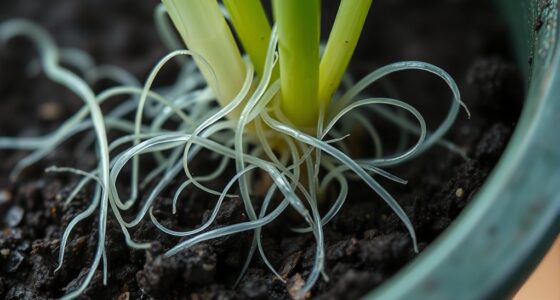
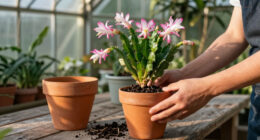
Once you’ve done a thorough pest identification, set your new plant aside in a designated quarantine space. This space should be separate from your established plants and well-ventilated. During this quarantine period, you want to keep a close eye on your plant for any emerging pests or diseases, which might not have been visible during your initial inspection. The quarantine duration typically spans about two to four weeks, giving enough time for pests to become evident if they’re present. This period also allows you to observe how the plant adapts to its new environment and whether it shows any signs of stress or illness that could compromise its health or spread to others. Incorporating watering tools that are dedicated solely to the quarantined plant helps prevent cross-contamination.
During the quarantine, avoid sharing tools, watering cans, or any gardening supplies between your new plant and your established collection. Always wash your hands and disinfect tools after handling the quarantined plant. If you notice pests during this period, treat the plant with appropriate methods—whether that’s insecticidal soap, neem oil, or other organic solutions—before moving it into your main collection. Even if no pests are visible after the quarantine, continue to monitor the plant regularly for a few more weeks. It’s better to be cautious than to find out later that pests have taken hold, potentially spreading to your other plants.
Ultimately, the goal of quarantine is to give yourself peace of mind and to protect your entire indoor garden. By dedicating time to pest identification and sticking to a consistent quarantine duration, you’re creating a safer environment for your plants. It might seem like a small step, but it can save you a lot of trouble down the line—keeping your houseplants healthy, vibrant, and pest-free.
houseplant pest inspection tools
As an affiliate, we earn on qualifying purchases.
As an affiliate, we earn on qualifying purchases.
Frequently Asked Questions
How Long Should I Quarantine New Houseplants?
You should quarantine new houseplants for about 2 to 4 weeks. During this time, avoid watering too much to prevent mold or rot, and check soil drainage to make certain excess water isn’t trapped. By inspecting for pests and keeping plant watering minimal, you reduce risks of spreading issues. This period helps you catch any hidden pests or diseases early, protecting your other plants and ensuring a healthy, pest-free environment.
What Signs Indicate Pest Infestation During Quarantine?
You might notice tiny specks crawling or moving on your plant, which are clear signs of pest infestation. Watch for discoloration, sticky residue, or webbing that indicate pest activity. Effective pest identification relies on symptom recognition—such as deformed leaves or off-colored spots. Since over 50% of plant pests hide on the undersides of leaves, inspecting thoroughly helps you catch problems early and keeps your new plant healthy during quarantine.
Can Quarantine Prevent All Types of Pests?
Quarantining your new houseplants substantially reduces the risk of pest infestation but can’t guarantee complete prevention. While quarantine enhances pest identification and helps catch issues early, some pests might be hidden or arrive later. For maximum quarantine effectiveness, inspect plants thoroughly, isolate them for a few weeks, and monitor closely. This approach minimizes the chances of pests spreading to your other houseplants, though it doesn’t eliminate all risks entirely.
Should I Isolate Plants if I Notice Minor Pest Issues?
Think of your plant as a brave knight guarding its domain. When you spot minor pest issues, isolating it acts like a fortress keeping pests from spreading. Doing so protects your plant’s health and prevents tiny invaders from sneaking into your other greenery. By acting quickly, you bolster pest prevention efforts and give your plant the best chance to recover and thrive, safeguarding your entire indoor garden.
How Do I Disinfect Tools Used on Quarantined Plants?
You should clean your tools thoroughly after working on quarantined plants. Disinfecting equipment is essential to prevent pests from spreading, so use a solution of 70% isopropyl alcohol or a diluted bleach mixture. Dip or wipe your tools, ensuring you reach all surfaces, then let them air dry. Regularly disinfecting your tools helps keep pests at bay and maintains a healthy environment for your new houseplants.
organic houseplant pest treatment neem oil
As an affiliate, we earn on qualifying purchases.
As an affiliate, we earn on qualifying purchases.
Conclusion
Think of quarantining your new houseplants as planting the first seeds of trust and patience. Just as a gardener tends to delicate sprouts, you nurture a silent promise of harmony between your plants and home. By giving them time to reveal their true selves, you safeguard your sanctuary from unseen pests. In this quiet act, you’re cultivating not just healthy plants, but a peaceful, resilient home where growth can truly flourish.
As an affiliate, we earn on qualifying purchases.
As an affiliate, we earn on qualifying purchases.
Fall Picks
fall essentials
As an affiliate, we earn on qualifying purchases.