Nutrient deficiency color charts can be helpful for identifying common deficiencies through visual clues, but their accuracy depends on proper interpretation and supporting soil data. Factors like plant species, growth stage, and environment can influence leaf color, so relying solely on the chart may lead to misdiagnosis. Combining these charts with soil tests ensures more precise results. To understand how to use these tools effectively, keep exploring for useful tips and insights.
Key Takeaways
- Color charts provide visual cues but should be confirmed with soil testing for accurate deficiency diagnosis.
- Proper interpretation of color charts depends on understanding plant species, growth stage, and environmental factors.
- Soil pH and nutrient availability influence leaf coloration, affecting the accuracy of color chart assessments.
- Combining visual clues with soil analysis enhances diagnostic precision, reducing reliance on color charts alone.
- Regular monitoring and testing improve the reliability of deficiency identification and appropriate nutrient management.
Understanding nutrient deficiencies in plants is essential for maintaining healthy crops and gardens. When your plants show unusual coloring, it often signals a problem with nutrient levels, but accurately diagnosing these issues requires more than just observation. Soil testing is a vital step in this process, helping you determine which nutrients are lacking or imbalanced. By analyzing soil samples, you get a clear picture of the nutrients available to your plants, allowing you to make informed decisions about nutrient supplementation. This scientific approach minimizes guesswork and ensures you address the root cause rather than just treating symptoms.
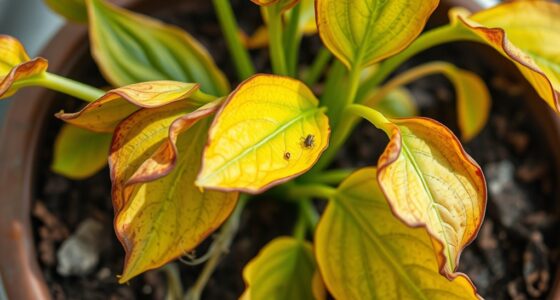
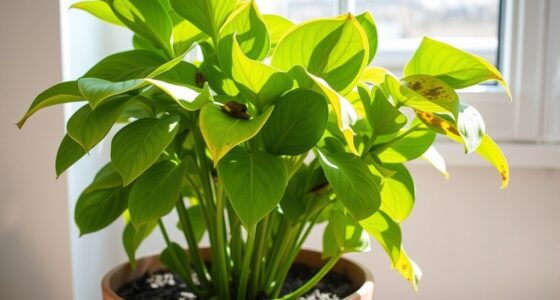
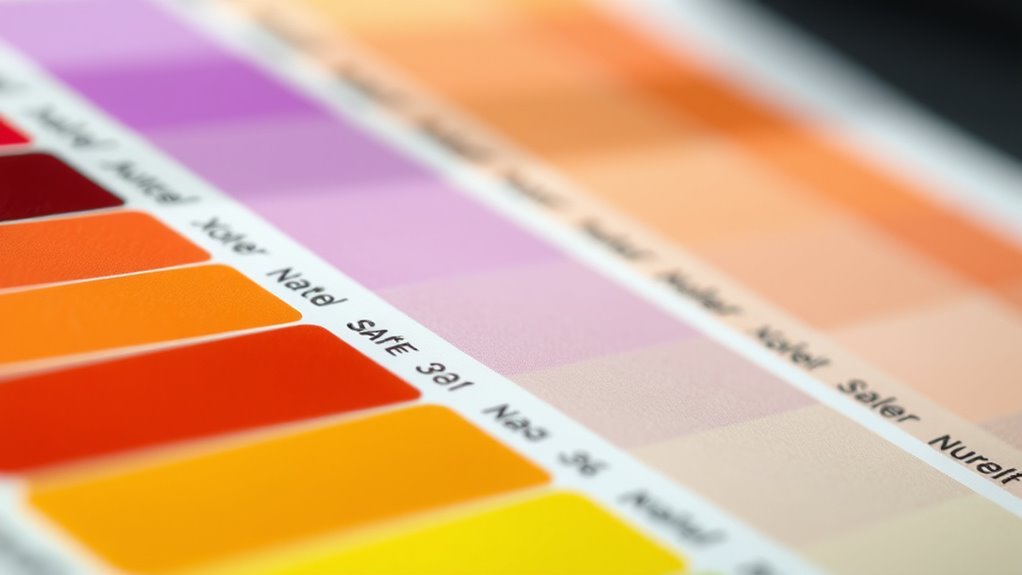
Using nutrient deficiency color charts can significantly improve your ability to identify deficiencies visually, but their accuracy depends on proper interpretation and context. These charts typically display a range of colors that correspond to specific nutrient deficiencies, such as nitrogen, potassium, magnesium, or iron. When your plants display leaf discoloration, you compare the affected leaves to the chart to pinpoint the likely deficiency. However, keep in mind that color alone isn’t always definitive. Factors like plant species, growth stage, environmental conditions, and soil pH can influence leaf color and complicate diagnosis. For example, chlorosis in young leaves may indicate iron deficiency, but it could also be caused by pH imbalances preventing nutrient uptake.
To enhance the accuracy of your diagnosis, combine visual clues from color charts with soil testing results. Soil testing provides concrete data about nutrient levels, confirming or ruling out deficiencies suggested by leaf color. If your test indicates low nitrogen, then yellowing leaves aligned with the chart confirm your diagnosis. Conversely, if the soil test shows adequate nutrients but the plant still exhibits deficiency symptoms, you might need to consider other factors such as root health or pH issues affecting nutrient absorption. This integrated approach improves your chances of correct identification and effective treatment.
Nutrient supplementation is the next step once you’ve identified the deficiency accurately. Using the information from soil testing and color charts, you can apply targeted fertilizers or amendments to correct specific deficiencies. Proper application ensures that nutrients are available when and where your plants need them, reducing waste and environmental impact. Keep in mind that over-fertilizing can cause toxicity or further imbalances, so precise diagnosis is crucial. Regular monitoring, combined with ongoing soil testing and visual assessment through color charts, helps you maintain a balanced nutrient profile, promoting healthy, vigorous growth.
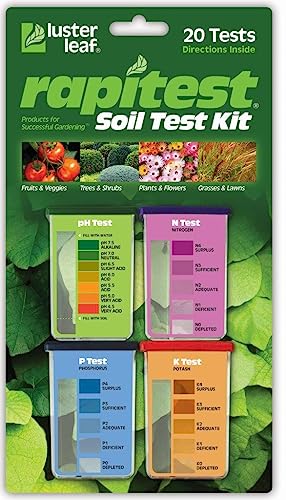
Rapitest Soil Test Kit for Gardens, Vegetables, Flowers and Lawns. USA designed and assembled soil tester completely, quickly and accurately measures/analyzes soil pH acidity and garden nutrients.
Quick, at home results for Soil pH, Nitrogen, Phosphorous and Potash Innovative and inexpensive soil test kit features…
As an affiliate, we earn on qualifying purchases.
As an affiliate, we earn on qualifying purchases.
Frequently Asked Questions
Can Color Charts Detect Early Nutrient Deficiencies?
Color charts can help detect some early nutrient deficiencies through visual assessment, but they aren’t completely reliable. You might notice color changes in leaves or skin, but nutrient interactions can mask or mimic deficiencies, leading to misdiagnosis. Relying solely on color charts isn’t enough; combining them with soil tests or lab analysis gives a more accurate picture of your plants’ or body’s nutrient status.
Are Color Charts Effective Across All Plant Species?
Think of color charts as universal translators, but just like languages vary, so do plant species. They aren’t equally effective across all species due to variability in plant responses. Species variability means a chart that works for one plant may not be reliable for another. Without proper chart standardization, you risk misdiagnosing deficiencies. Always consider species-specific differences and standardize your approach for accurate nutrient deficiency detection.
How Often Should Nutrient Deficiency Color Charts Be Used?
You should use nutrient deficiency color charts regularly, ideally once a week, to maintain visual consistency and catch deficiencies early. Frequent use helps you better understand how different deficiencies appear and improves your interpretation skills over time. Keep in mind that charts are guides, so combining their insights with other diagnostic methods guarantees more accurate assessments. Regular checks help prevent nutrient imbalances from affecting plant health and productivity.
Do Environmental Factors Affect Color Chart Accuracy?
Environmental factors like soil composition and light exposure do affect color chart accuracy. You might think these variables are minor, but they influence plant health and color changes, making charts less reliable if disregarded. Changes in soil nutrients or inconsistent light can cause color variations that mislead your diagnosis. To guarantee accuracy, consider environmental conditions and adjust your assessments accordingly, rather than relying solely on color charts.
Can Color Charts Differentiate Between Multiple Deficiencies Simultaneously?
You can’t rely solely on color charts to differentiate multiple deficiencies at once, because visual interpretation can be tricky with color variability. When symptoms overlap, it’s hard to tell if a color change indicates one deficiency or several. Using color charts as a quick guide helps, but for accurate diagnosis, you should combine them with laboratory tests and professional assessments, especially when multiple deficiencies might be present.

Culver's Cannabis Nutrient Deficiency Guide Poster – Plant Health Diagnostic Chart, Premium Matte Wall Print for Grow Rooms, Tents, Greenhouses & Cultivation Education (18"x24")
FAST NUTRIENT DIAGNOSIS TOOL: Visual chart helps growers identify nutrient deficiencies and excesses quickly by comparing plant symptoms,…
As an affiliate, we earn on qualifying purchases.
As an affiliate, we earn on qualifying purchases.
Conclusion
Using nutrient deficiency color charts helps you quickly identify deficiencies visually, saving time and reducing guesswork. Some might worry these charts aren’t precise enough, but when used alongside soil tests and plant observations, they greatly improve accuracy. Think of them as a helpful guide, not the only tool. By combining visual cues with scientific data, you get a clearer picture of your plants’ health—making your troubleshooting more effective and confident.

SONKIR Soil pH Meter, MS02 3-in-1 Soil Moisture/Light/pH Tester Gardening Tool Kits for Plant Care, Great for Garden, Lawn, Farm, Indoor & Outdoor Use (Green)
Kindly NOTE: This soil tester can not be applied to test pH value of any other liquid. If…
As an affiliate, we earn on qualifying purchases.
As an affiliate, we earn on qualifying purchases.

FoxFarm Soil Liquid Trio Pack – Big Bloom, Grow Big, Tiger Bloom Fertilizers Supports Vigorous Plant Growth, Bud Development & Abundant Fruit – Complete Liquid Plant Food Set – 3 Pint Bottles
COMPLETE PLANT POWER TRIO: The FoxFarm Soil Liquid Trio Pack includes Tiger Bloom, Grow Big, and Big Bloom…
As an affiliate, we earn on qualifying purchases.
As an affiliate, we earn on qualifying purchases.