Regularly cleaning and maintaining your irrigation filters is a small task that prevents big failures. By removing debris like dirt, leaves, and algae, you keep water flowing smoothly and maintain proper pressure. This protects your pumps and valves, reduces repairs, and guarantees your plants get consistent watering. A little effort now prevents costly issues later. Want to discover simple tips to keep your system running efficiently? Keep going to find out more.

Get garden gear delivered free — and shop member deals
- Fast, free delivery on millions of items
- Access to Prime Big Deal Days deals on October 6–7
- Prime Video, Amazon Music and more included
Key Takeaways
- Regularly inspect and clean filters to prevent debris buildup that can cause system blockages.
- Maintain proper water pressure by ensuring filters are clear, avoiding pump strain and damage.
- Follow manufacturer guidelines for cleaning frequency and filter replacement to ensure optimal performance.
- Address clogs early to prevent costly failures of pumps, valves, and other irrigation components.
- Consistent filter maintenance promotes healthy plant watering and prolongs system lifespan.
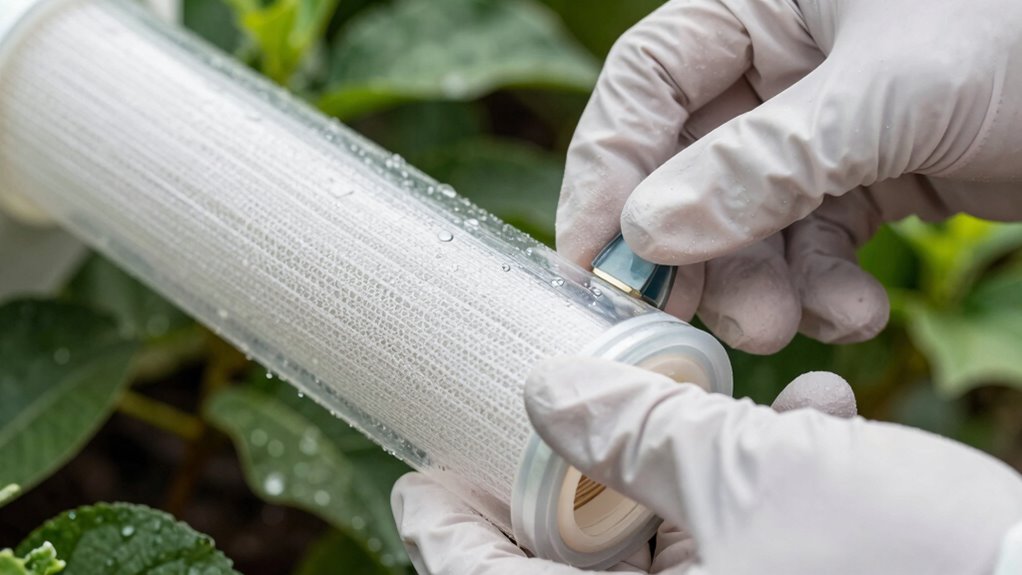
Have you ever wondered how to keep your filters working efficiently and extend their lifespan? Proper filter maintenance might seem like a small task, but it plays a big role in preventing larger, costly failures in your irrigation system. When your filters are clean and functioning well, water flows smoothly through the system, maintaining ideal water pressure and ensuring your plants receive the right amount of water. Neglecting this tiny job can lead to serious issues, including clogs, uneven watering, and even damage to pumps and valves.
One of the most important aspects of filter maintenance is debris removal. Over time, dirt, leaves, algae, and other debris accumulate on and inside the filter screens. If left unchecked, these particles can clog the filter, reducing water flow and increasing pressure on the entire system. Regularly inspecting and cleaning your filters prevents this buildup. You’ll find that removing debris is a simple process: turn off your water supply, open the filter housing, and carefully clear away any blockages. Using a gentle brush or water stream can help dislodge stubborn debris, restoring the filter’s ability to trap particles effectively.
Maintaining ideal water pressure is another key benefit of keeping filters clean. When filters are clogged, water has difficulty passing through, leading to increased pressure upstream. This elevated pressure can strain your pump, cause leaks, or damage other system components. Conversely, a clean filter allows water to flow freely at the correct pressure level, ensuring even distribution across your irrigation zones. By regularly checking and cleaning your filters, you help maintain consistent water pressure, which translates to healthier plants and more efficient water use. Proper filter care is also essential for extending the overall lifespan of your system’s components, reducing the need for costly repairs. Additionally, understanding the importance of system maintenance can help prevent unexpected failures and keep your irrigation running smoothly.
It’s also important to establish a routine. Depending on your system’s size and water quality, you might need to clean your filters weekly or biweekly, especially during peak usage or after heavy storms that introduce more debris. Properly handling and replacing filters according to manufacturer guidelines can further ensure their effectiveness and durability. Always follow the manufacturer’s instructions for cleaning and replacing filters, as improper handling can reduce their effectiveness or cause damage. Additionally, inspecting your filters after heavy rain or when you notice uneven watering can catch problems early, saving you time and money in the long run. Regularly reviewing filter maintenance tips can help you stay on top of these tasks and optimize your system’s performance.
In the end, taking a few minutes to maintain your filters isn’t just about keeping your irrigation system running smoothly. It’s about preventing larger failures and ensuring your garden or lawn gets the water it needs without interruption. When you stay on top of debris removal and keep your filters clean, you’re fundamentally giving your entire watering system a health check—one that pays off with lush, healthy plants and fewer headaches down the line. Regular filter care also helps ensure the longevity of your irrigation components and promotes overall system efficiency.
irrigation system filter cleaner
As an affiliate, we earn on qualifying purchases.
As an affiliate, we earn on qualifying purchases.
Frequently Asked Questions
How Often Should I Replace My Filter?
You should replace your filter based on your filter material and the replacement schedule recommended by the manufacturer. Typically, check your filter every month and replace it every 3 to 6 months, especially if it’s clogged or dirty. Regularly inspecting your filter guarantees your irrigation system runs smoothly, prevents clogs, and saves water. Adjust your replacement schedule if you notice decreased water flow or dirt buildup, ensuring ideal system performance.
Can Filter Maintenance Improve Overall Irrigation Efficiency?
Absolutely, filter maintenance can revolutionize your irrigation efficiency! By keeping filters clean, you prevent tiny clogs from causing massive water wastage and uneven watering, saving gallons daily. This boosts water conservation efforts and keeps soil healthy by ensuring even, consistent moisture. Regular filter checks might seem small, but they prevent big failures, making your irrigation system run smoother, longer, and more efficiently—transforming your garden into a lush, thriving oasis.
What Are Signs of a Clogged Filter?
You’ll notice a clogged filter when your irrigation system’s flow slows down or if certain zones don’t water properly. Debris buildup can cause uneven coverage and pressure issues. Additionally, increased pressure or frequent system shutdowns might indicate a filter is blocking the flow. Regularly checking and cleaning your filter helps extend its lifespan and prevents debris from clogging, ensuring your irrigation runs smoothly and efficiently.
Is DIY Filter Cleaning Effective or Should I Hire a Professional?
DIY filter cleaning can be effective if you’re comfortable with basic tasks and have the time, helping extend your filter’s lifespan and reduce maintenance costs. However, if you’re unsure or notice persistent issues, hiring a professional guarantees thorough cleaning and prevents potential damage. Professionals can spot underlying problems early, saving you money long-term. Ultimately, your choice depends on your experience and the complexity of your irrigation system.
What Tools Are Needed for Filter Maintenance?
To tackle filter maintenance, you’ll need basic tools like pliers, a soft brush, and a garden hose. These tools help clean and inspect the filter, extending its lifespan and sticking to your maintenance schedule. Regular cleaning keeps your irrigation system efficient and prevents costly failures. Keep tools handy, follow a routine, and you’ll master this tiny task that saves big trouble, ensuring your garden stays lush and lively.
garden irrigation filter replacement
As an affiliate, we earn on qualifying purchases.
As an affiliate, we earn on qualifying purchases.
Conclusion
Regularly maintaining your filter isn’t just a small task—it’s a vital step to prevent major irrigation failures. Some believe that ignoring filter upkeep won’t cause problems, but data shows that neglected filters often lead to costly system breakdowns. So, don’t underestimate this tiny job. Keep your filters clean and your system running smoothly. In the end, consistent filter maintenance proves that small actions can save you from big headaches down the line.
sprinkler system filter maintenance kit
As an affiliate, we earn on qualifying purchases.
As an affiliate, we earn on qualifying purchases.
As an affiliate, we earn on qualifying purchases.
Fall Picks
fall essentials
As an affiliate, we earn on qualifying purchases.