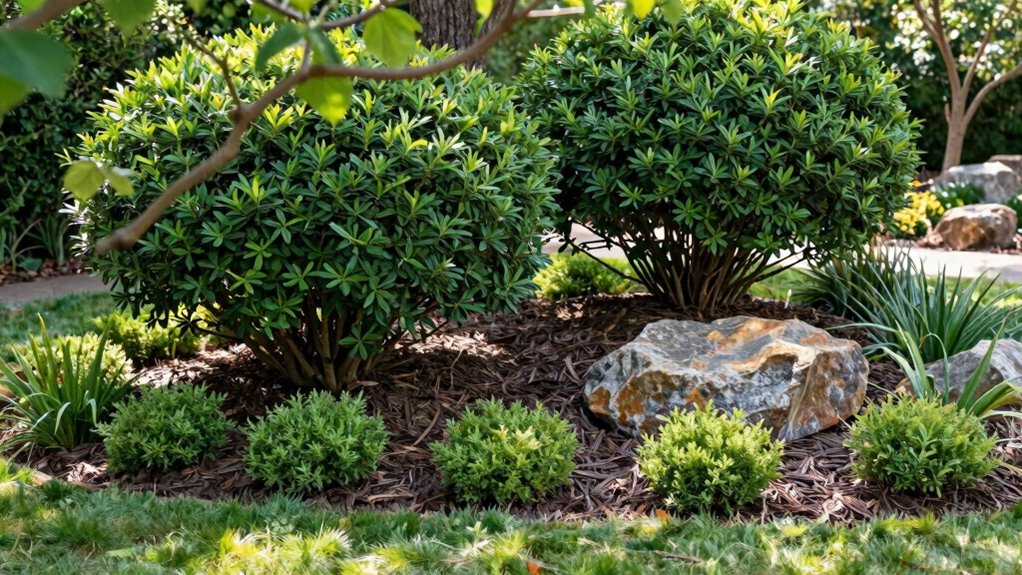

To reduce pest hiding spots without harming habitat value, focus on strategic landscape design. Remove dense shrubbery close to walls, and keep lawns and gravel beds well-maintained to discourage pests. Support beneficial insects and wildlife by maintaining natural habitat features, and incorporate pest-repelling plants like garlic or neem. Seal entry points and clear clutter to eliminate easy shelter options. By balancing these steps, you’ll create a pest-resistant environment that also supports the ecosystem’s health—all the tips you need are just ahead.

Get garden gear delivered free — and shop member deals
- Fast, free delivery on millions of items
- Access to Prime Big Deal Days deals on October 6–7
- Prime Video, Amazon Music and more included
Key Takeaways
- Trim dense shrubbery and prune trees away from walls to reduce hiding spots while maintaining habitat for beneficial wildlife.
- Use open, well-maintained lawns and gravel beds to discourage pest nesting without harming ecosystem diversity.
- Incorporate pest-repelling plants like marigolds and mint into landscaping to organically deter pests while supporting habitat value.
- Seal cracks and gaps in structures to prevent pest entry without removing natural shelter options for wildlife.
- Create buffer zones and maintain natural features to balance pest reduction with habitat preservation and ecological health.
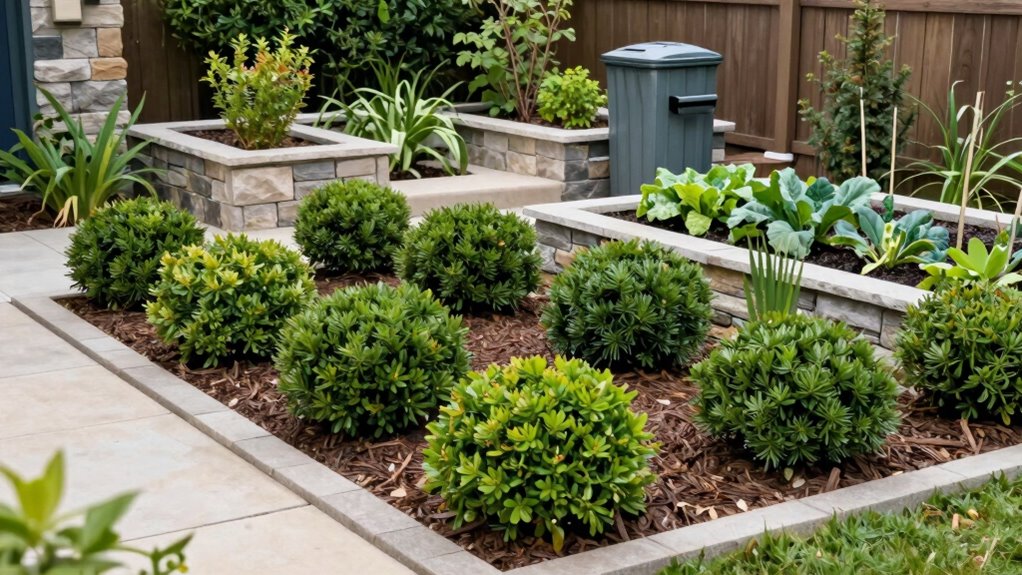
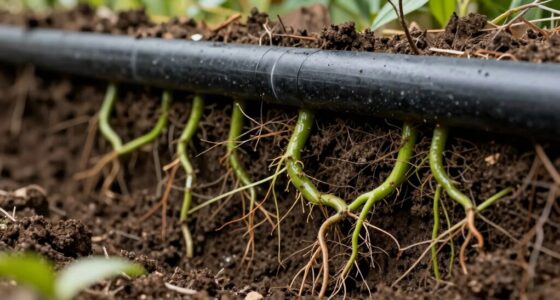
Reducing pest hiding places is essential for effective pest control, as it eliminates the spots where pests can thrive and evade treatment. You want to strike a balance between making your space less inviting to pests while maintaining its natural habitat value. One way to do this is by using natural deterrents — substances or plants that pests find unappealing but that don’t harm your environment or the beneficial creatures living nearby. For example, planting herbs like mint, basil, or marigolds around your garden or home can repel insects and rodents without resorting to harsh chemicals. These natural options not only discourage pests but also support the overall health of your garden and landscape.
Using herbs like mint, basil, and marigolds can naturally repel pests and support garden health.
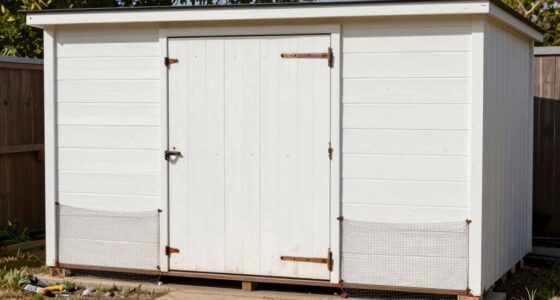
Another effective approach involves structural modifications, which focus on making physical changes to your environment to reduce pest hiding spots. You might start by sealing cracks and gaps around doors, windows, and foundation walls, preventing pests from slipping inside or hiding in crevices. Clearing clutter such as piles of wood, leaves, or debris around your property minimizes potential shelters for rodents, insects, and other pests. Additionally, elevating compost bins and trash containers can eliminate easy access points and hiding spots. Incorporating pest-resistant materials into your construction or landscaping choices can further enhance these efforts. Incorporating proper ventilation can also help reduce excess humidity that attracts pests like mold mites and certain insects. Creating a balanced ecosystem by supporting beneficial insects and wildlife can help naturally control pest populations, reducing the need for chemical interventions.
Implementing integrated pest management principles, which involve combining multiple strategies for pest control, can lead to more sustainable and environmentally friendly outcomes. While making these adjustments, be mindful of preserving the habitat value. You don’t want to strip away the natural elements that support beneficial insects, birds, and small wildlife. Instead, aim for structural modifications that streamline your space, reducing pest-friendly environments without harming the ecosystem. For example, installing screens or barriers over vents and entry points blocks pests without disrupting airflow or plant life.
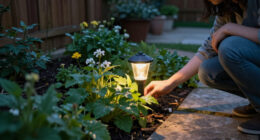
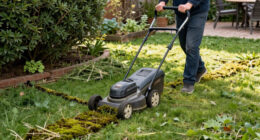
It’s also worth considering the landscape design. Create a buffer zone around your home by removing dense shrubbery close to walls and foundation, which can serve as hiding spots. Instead, incorporate open, well-maintained lawns or gravel beds that discourage pests from nesting. You can also incorporate natural deterrents into your landscape, such as planting garlic or neem to repel pests organically. These strategies reduce pest hiding spots and keep your environment balanced and healthy.
Additionally, understanding the importance of biodiversity helps in creating a resilient ecosystem that naturally controls pest populations. Ultimately, the goal is to make your space less attractive to pests while maintaining its natural beauty and ecological functions. By combining natural deterrents and thoughtful structural modifications, you can effectively reduce pest hiding places without compromising habitat value. This balanced approach helps keep pests at bay while respecting and supporting the natural environment around you.
natural pest repellent plants for garden
As an affiliate, we earn on qualifying purchases.
As an affiliate, we earn on qualifying purchases.
Frequently Asked Questions
How Do I Identify the Main Pest Hiding Spots in My Yard?
To identify pest hiding spots in your yard, start by inspecting common pest entry points like gaps in fences, around doors, and vents. Look for hiding spot hotspots such as tall grass, piles of debris, and dense shrubbery. Focus on areas with standing water or clutter, as these attract pests. Regularly check dark corners, under decks, and inside woodpiles, so you can target pests before they multiply.
Are There Natural Deterrents to Pests Besides Habitat Modification?
Yes, you can use natural repellents and botanical sprays to deter pests effectively. Plants like citronella, neem, and lavender act as natural repellents, discouraging insects without harming your garden. Botanical sprays made from these plants can be sprayed around problem areas to keep pests at bay. Regularly applying these natural deterrents minimizes pest hiding spots while preserving the habitat value of your yard, creating a balanced, healthy environment.
Can Reducing Hiding Places Harm Beneficial Insects?
Think of your garden as a bustling city. When you reduce hiding spots, you’re like city planners removing alleys and parks—beneficial insects, the helpful residents, might struggle to find shelter. But if you carefully preserve key habitats, you protect beneficial insects while discouraging pests. So, yes, reducing hiding places can harm beneficial insects if not done thoughtfully. Balance habitat preservation with pest control for a thriving, healthy ecosystem.
How Often Should I Inspect for Pest Hiding Spots?
You should inspect for pest hiding spots at least once a month to maintain an effective pest prevention routine. Regular inspections help you identify potential hiding places early, allowing you to address issues before they escalate. Adjust your inspection schedule based on your environment’s specific needs, increasing frequency if you notice signs of pests. Consistent checks keep your space pest-free without compromising habitat value, ensuring a balanced and healthy environment.
Are There Eco-Friendly Ways to Control Pests Without Habitat Loss?
Yes, there are eco-friendly ways to control pests without habitat loss. You can use chemical alternatives like organic sprays or essential oils that target pests safely. Biological controls, such as introducing natural predators or beneficial insects, help keep pest populations in check while preserving habitat. These methods reduce the need for harmful chemicals and maintain the ecological balance, making your pest management both effective and environmentally friendly.
sealing cracks and gaps for pest prevention
As an affiliate, we earn on qualifying purchases.
As an affiliate, we earn on qualifying purchases.
Conclusion
By making small adjustments like sealing cracks, trimming overgrown plants, and keeping your space clean, you can effectively reduce pest hiding spots without sacrificing habitat value. These proactive steps create a less inviting environment for pests while still supporting beneficial wildlife. Isn’t it worth the effort to protect your space and encourage natural pest control? With mindful practices, you can maintain a healthy, balanced habitat that benefits both you and the environment.
beneficial insect habitat support products
As an affiliate, we earn on qualifying purchases.
As an affiliate, we earn on qualifying purchases.
pest-resistant landscape materials
As an affiliate, we earn on qualifying purchases.
As an affiliate, we earn on qualifying purchases.
Evergreen bestsellers Picks
bestsellers
As an affiliate, we earn on qualifying purchases.