To compost without attracting rats, place your bin away from your house and dense shrubbery, elevated and secured with a tight-fitting lid and sturdy mesh. Keep food scraps buried deep, cover them with brown materials like leaves or wood chips, and avoid adding meat or oily foods. Use natural repellents like peppermint oil and install physical barriers to prevent entry. For more tips on keeping rodents out and maintaining a rat-proof compost system, continue exploring.

Get garden gear delivered free with Prime
- Fast, free delivery on millions of items
- Prime Video, Amazon Music and more included
- Member-only deals all year
Key Takeaways
- Place compost bins away from structures and dense vegetation, and elevate them on non-chewable surfaces with secure lids.
- Use rodent-proof materials like heavy-duty plastic or metal and install fine wire mesh barriers around the compost area.
- Balance food scraps with plenty of carbon-rich materials, and bury or cover scraps thoroughly to minimize odors and scent trails.
- Incorporate natural repellents such as peppermint oil or garlic around the site to deter rodents without attracting them.
- Regularly turn and maintain the compost to disturb potential nesting sites and promptly address any signs of rodent activity.
As an affiliate, we earn on qualifying purchases.
Why Do Rodents Like Compost?
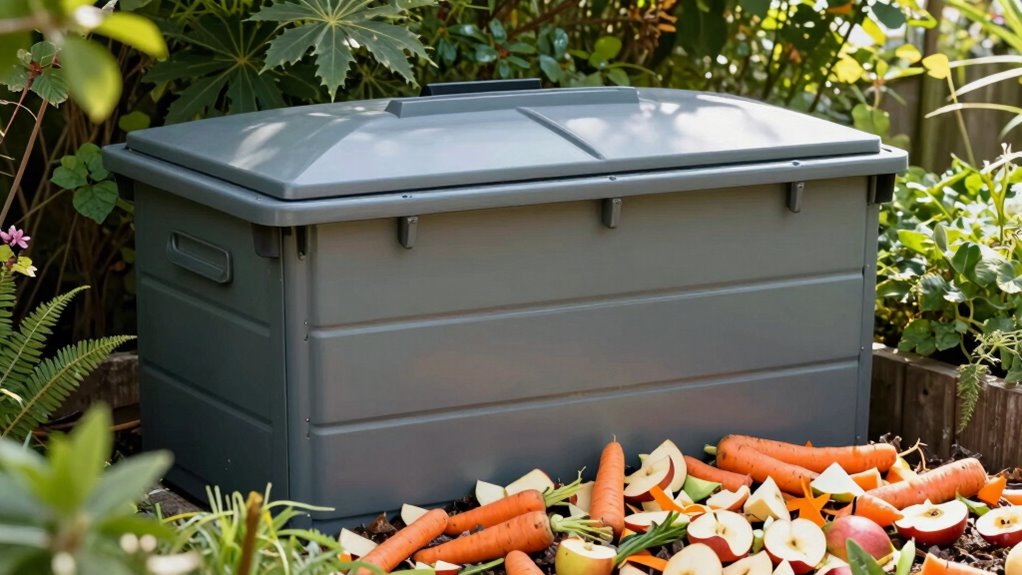
Have you ever wondered why rodents are so attracted to compost piles? Many composting myths suggest rodents are solely after food scraps, but their behaviors go deeper. Rodents are instinctively drawn to the warmth, moisture, and shelter that compost provides. They see your compost bin as a perfect nesting site, especially if exposed to easy access or poor enclosure. These pests are opportunistic eaters, so if your compost contains fruit peels, grains, or other appealing scraps, they’ll be enticed. Additionally, proper composting techniques can help reduce the likelihood of attracting rodents by minimizing the comfort and resources they seek. Proper management of compost temperature and moisture levels is crucial in rodent control to discourage their nesting instincts. Understanding rodent behaviors helps debunk the myths and highlights why compost piles can become problem zones. To prevent attraction, it’s essential to manage what goes in your compost and how it’s stored, reducing the appeal of your pile as a rodent habitat.
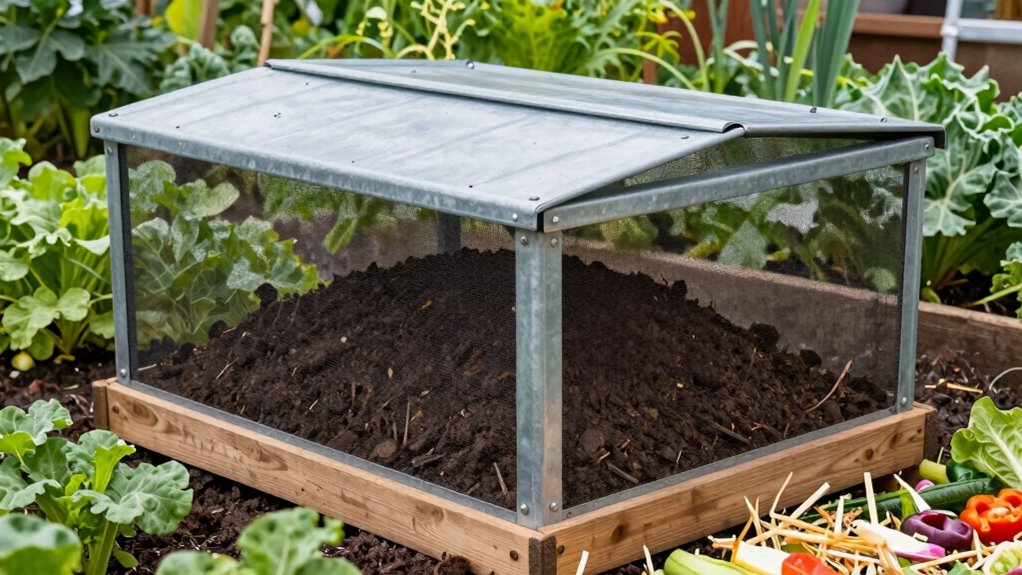
heavy-duty compost bin with secure lid
As an affiliate, we earn on qualifying purchases.
As an affiliate, we earn on qualifying purchases.
How to Position Your Compost Bin to Keep Rats Out

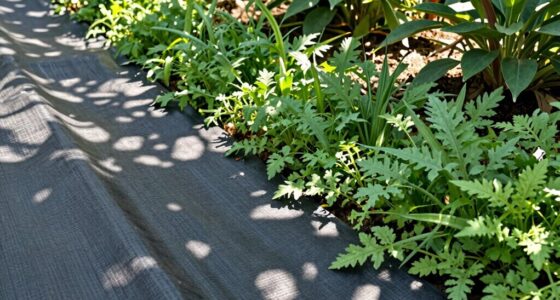
Positioning your compost bin correctly is key to preventing rats from making it their home. Place it away from your house and out of sight to maintain good garden aesthetics. Avoid situating it near dense shrubs or woodpiles, which can attract rodents. Instead, choose a well-drained, open area with good airflow. Use durable compost bin materials like heavy-duty plastic or metal; these are harder for rats to chew through compared to wooden or wire bins. Elevate the bin on a stand or concrete blocks to discourage burrowing underneath. Keep the area around the bin clean and free of debris, and ensure the lid fits tightly. Proper placement combined with sturdy materials makes your compost bin less inviting to rats and easier to keep rodent-free. Additionally, selecting a vetted compost bin with secure fastenings can further reduce the risk of rodent intrusion. Incorporating rodent-resistant materials into your bin design can significantly enhance its defenses against pests. Using proper placement and materials can also help improve airflow, which discourages pests and promotes efficient composting. Paying attention to design features that prevent rodent entry can make a substantial difference in keeping your compost bin pest-free.
As an affiliate, we earn on qualifying purchases.
How to Balance Food Scraps and Carbon Materials to Deter Rodents

To keep rodents away, you need to balance green food scraps with brown carbon materials, ensuring your compost doesn’t attract pests. Minimizing food odors by covering scraps and maintaining proper layering helps keep rodents at bay. By managing these points carefully, you create a compost that’s both effective and rodent-resistant. Incorporating proper composting techniques can further enhance pest deterrence and promote healthy decomposition. Additionally, using contrast ratio awareness to monitor how dark or bright your compost appears can help you identify areas that may attract pests and adjust accordingly. Paying attention to lighting conditions around your compost site can also reduce pest attraction by discouraging nocturnal rodents from approaching.
Balance Green and Brown
Balancing green and brown materials is essential for keeping rodents out of your compost. Many composting myths suggest using only one type, but mixing food scraps (greens) with carbon-rich materials (browns) reduces odors and discourages pests. Proper balance also minimizes environmental impacts by promoting efficient decomposition. To help, consider this guide:
| Green Materials | Brown Materials |
|---|---|
| Food scraps, grass clippings | Dry leaves, straw |
| Fruit and vegetable waste | Paper, cardboard |
| Coffee grounds | Pine needles |
Use a ratio of roughly 1 part green to 3 parts brown to keep your compost pest-free and environmentally friendly. This balance helps prevent rodent attraction and dispels composting myths about needing only greens or browns. Maintaining the correct compost balance is key to effective, pest-free composting. Additionally, understanding the Youngster Choice can provide insights into sustainable practices and how to adapt your composting routine for better results. Recognizing the importance of pest deterrence can further enhance your composting success.
Minimize Food Odors
When food scraps break down, they can produce strong odors that attract rodents and pests to your compost. Some composting myths suggest that all food scraps are equal, but minimizing smelly waste helps deter rodent behavior. To effectively reduce odors, balance food scraps with plenty of carbon materials like dry leaves or shredded paper. This combination absorbs moisture and controls the smell, making your compost less appealing to rodents. Keep in mind that rodents are more attracted to accessible food sources, so covering food scraps thoroughly is essential. Properly managing the odor not only speeds up composting but also discourages pests, and incorporating sustainable composting practices can further enhance odor management and pest prevention. Additionally, incorporating aeration strategies can further reduce unpleasant smells and discourage pest activity.
Maintain Proper Compost Layering
Maintaining proper compost layering is essential for deterring rodents and ensuring efficient decomposition. Proper layering techniques balance food scraps and carbon materials, making the bin less attractive to pests. Place your compost bin in a well-drained, discreet location away from structures. To prevent rodents, alternate layers of green (food scraps) with brown (carbon materials) to create a dense, unappealing environment. Use the table below to guide your layering process:
| Layer Type | Material Examples | Purpose |
|---|---|---|
| Green | Fruit scraps, grass clippings | Add nitrogen, promote decomposition |
| Brown | Leaves, shredded paper | Absorb moisture, block odors |
| Cover | Soil, wood chips | Insulate, discourage pests |
Consistent layering techniques keep rodents away and improve compost quality.
natural rodent repellent peppermint oil
As an affiliate, we earn on qualifying purchases.
As an affiliate, we earn on qualifying purchases.
What Physical Barriers and Coverings Keep Rodents Away?

To effectively keep rodents out of your compost, installing sturdy physical barriers is essential. Using wire mesh with small openings prevents rodents from squeezing through. Cover your compost pile with rodent-proof covers made of durable materials that rodents can’t chew through. Additionally, consider these measures:
- Enclose the entire compost area with fine wire mesh to block entry points.
- Use heavy-duty lids or covers to prevent rodents from burrowing underneath.
- Elevate compost bins on concrete or non-chewable surfaces to reduce access.
- Ensuring proper maintenance and monitoring helps identify and address potential breaches early.
These barriers create a physical obstacle that rodents can’t bypass, helping you maintain a clean, rodent-free compost. Properly installed wire mesh and covers are your first line of defense in effective rodent-proof composting.
Which Natural Repellents Help Prevent Rodents in Compost?

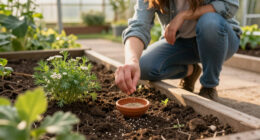
Natural repellents can be an effective way to deter rodents from your compost without resorting to chemicals or traps. Certain natural repellents act as rodent deterrents by emitting strong scents that rodents dislike. Peppermint oil is a popular choice; simply soak cotton balls in it and place them around your compost area. Castor oil and capsaicin, found in hot peppers, also serve as effective deterrents when mixed with water and sprayed on compost surfaces. Additionally, garlic and predator urine (like fox or coyote scent) can help discourage rodents from approaching. Using these natural repellents creates an environment that rodents find unappealing, reducing their presence around your compost. Incorporating cultural beliefs about natural repellents can also enhance their effectiveness. Remember, combining natural repellents with physical barriers enhances your rodent-proofing strategy.
How to Maintain Your Compost to Avoid Creating Rodent Habitats

To keep rodents away from your compost, you need to focus on proper layering techniques that discourage burrowing. Avoid adding attractants like meat or oily foods, which draw pests. Regular maintenance, such as turning the pile and monitoring for signs of rodents, helps prevent habitats from forming. Incorporating essential oils for pest control, such as peppermint or eucalyptus, can also serve as natural repellents to deter rodents from invading your compost. Using rodent-proof compost bins can further minimize access points and protect your compost from unwanted pests. Additionally, maintaining the correct composting balance with appropriate browns and greens can reduce odors that attract pests. Proper air circulation inside the compost helps reduce moisture and odor buildup, making it less inviting to rodents. Ensuring your compost has good drainage also prevents excess moisture that attracts pests.
Proper Layering Techniques
Proper layering in your compost pile is essential for preventing rodent problems. Proper layers help maintain ideal compost temperature and moisture control, discouraging rodents from nesting. To do this effectively:
- Place a thick, carbon-rich layer (like straw or shredded paper) at the bottom to insulate heat and improve airflow.
- Add a balanced mix of greens and browns, ensuring the pile stays moist but not soaked, which helps regulate temperature and prevents odors.
- Cover fresh additions with a dense layer of coarse material, such as wood chips or leaves, to block scent trails and reduce access.
Consistent layering maintains the right compost temperature and moisture levels, making the pile less attractive to rodents and keeping your composting process efficient.
Avoiding Attractants
Maintaining your compost properly is key to preventing rodent problems, as overlooked details can create inviting habitats. One essential step is monitoring compost temperature; keep it hot enough (around 130-160°F) to discourage rodents and accelerate decomposition. Proper moisture control is also vital—avoid making the pile too wet or too dry, as excess moisture attracts rodents searching for water, while dry material can slow decomposition and create gaps. Cover the compost with a tight-fitting lid or heavy tarp to prevent odors that attract rodents. Keep food scraps buried deep within the pile, away from the edges, and avoid adding processed foods or greasy leftovers. By maintaining ideal compost temperature and moisture levels, you make your compost less appealing and less inviting for rodents.
Regular Maintenance Practices
Regularly inspecting and turning your compost helps prevent rodent habitats from forming. Proper maintenance keeps your compost bin design effective and reduces attractants. Make sure your compost bin has a sturdy, rodent-proof lid to prevent entry. Additionally, follow these steps:
- Turn compost frequently to aerate and break down materials, discouraging rodents from nesting.
- Check for gaps or weak spots in the bin’s structure and seal them promptly.
- Remove any food scraps or organic waste that may attract rodents, especially near the lid and base.
What To Do If You Find Rodents in Your Compost: Troubleshooting Tips

If you discover rodents in your compost, acting quickly can help prevent the problem from worsening. First, observe their behavior to understand how they’re accessing your pile. Rodent behavior often indicates gaps or weak spots in your compost containment, leading to compost contamination. Remove any food scraps or attractants immediately, as these draw rodents in. Tighten your compost bin’s lid, seal any holes, and ensure the enclosure is secure. Turn the compost to disturb their nesting sites and make the environment less inviting. Consider adding natural deterrents like garlic or peppermint oil around the bin. Regular monitoring and maintenance are key to preventing future rodent issues. Addressing problems early helps keep your compost clean and rodent-free.
Frequently Asked Questions
Can Composting Attract Other Pests Besides Rodents?
Yes, composting can attract other urban pests besides rodents if you’re not careful. Poorly maintained compost may emit strong odors, drawing pests like flies, ants, and raccoons. To prevent this, turn your compost regularly, keep it covered, and avoid adding meat or dairy. Properly managed compost reduces odors and minimizes the chances of attracting unwanted urban pests, helping you compost safely without attracting critters.
Are There Specific Compost Bin Designs That Prevent Rat Entry?
You need a compost bin so secure it could withstand a tornado! Opt for ones with secured lids that latch tight, and vented bins to prevent pests from sneaking in. These features create an impenetrable fortress, making it virtually impossible for rats to enter. By choosing the right design, you keep rodents out and your compost safe, ensuring your eco-friendly efforts stay pest-free and effective.
How Long Does It Take for Rodents to Discover Compost?
Rodents typically discover compost within a few days to a week, depending on their timing awareness and nearby food sources. Your rodent behavior plays a key role; if your compost is easily accessible or smells attractively strong, they’ll find it faster. To prevent this, keep your compost bin sealed tightly, avoid adding meat or dairy, and monitor for signs of rodent activity regularly. This reduces the chances of them discovering your compost quickly.
Does Adding Certain Plants Deter Rodents From Compost Areas?
Adding certain plants to your compost area is like arming yourself with natural defenses. Native plants and pest repellent herbs, such as mint, lavender, or garlic, can effectively deter rodents. These plants emit strong scents that rodents dislike, creating a barrier they avoid. Planting them around your compost not only enhances your garden’s beauty but also keeps unwanted pests at bay, making your composting experience safer and more sustainable.
What Are Environmentally Friendly Methods to Control Rodent Populations?
You can control rodent populations naturally by encouraging natural predator control, like attracting owls and hawks with birdhouses. Habitat modification also helps—remove debris, dense shrubbery, and food sources that attract rodents. Avoid chemicals and traps, opting instead for these eco-friendly methods. Creating a less inviting environment and supporting predator presence reduces rodent numbers sustainably, keeping your outdoor space safe and environmentally friendly.
Conclusion
If you follow these simple steps, you’ll turn your compost into a fortress that rats can’t breach—no matter how clever or relentless they are. Imagine a world where rats are utterly powerless, cowering at the mere sight of your well-protected pile. With the right precautions, you’ll create a rodent-proof oasis, saving your garden, your sanity, and your peace of mind. Say goodbye to rat invasions forever—your compost’s new, unstoppable defenses await!
Fall yard work Picks
leaf blowers
As an affiliate, we earn on qualifying purchases.