If you notice fine webbing on your houseplants, it usually means pests like spider mites are present. These tiny pests spin delicate webs to hide and feed on your plant’s leaves and stems. The webbing, especially on the undersides of leaves, signals an infestation that can cause yellowing or speckled leaves. Catching this early is vital for controlling the problem. Keep going to discover how to effectively manage and prevent these pests from damaging your plants.
Key Takeaways
- Fine webbing on houseplants typically indicates an infestation of tiny pests like spider mites.
- The webbing is a sign that pests are actively feeding and hiding on the plant.
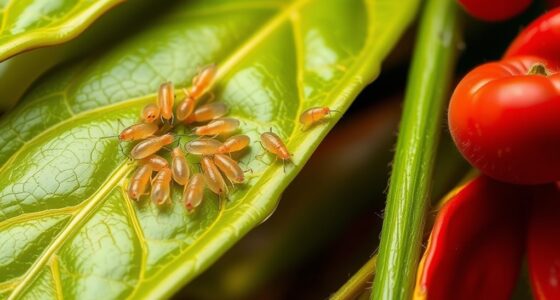
- Spider mites are nearly invisible but leave behind webbing, eggs, and speckled, yellowing leaves.
- Immediate action, such as rinsing with water or applying insecticidal soap, helps control the pests.
- Maintaining proper humidity and regular inspection prevents pest buildup and web formation.
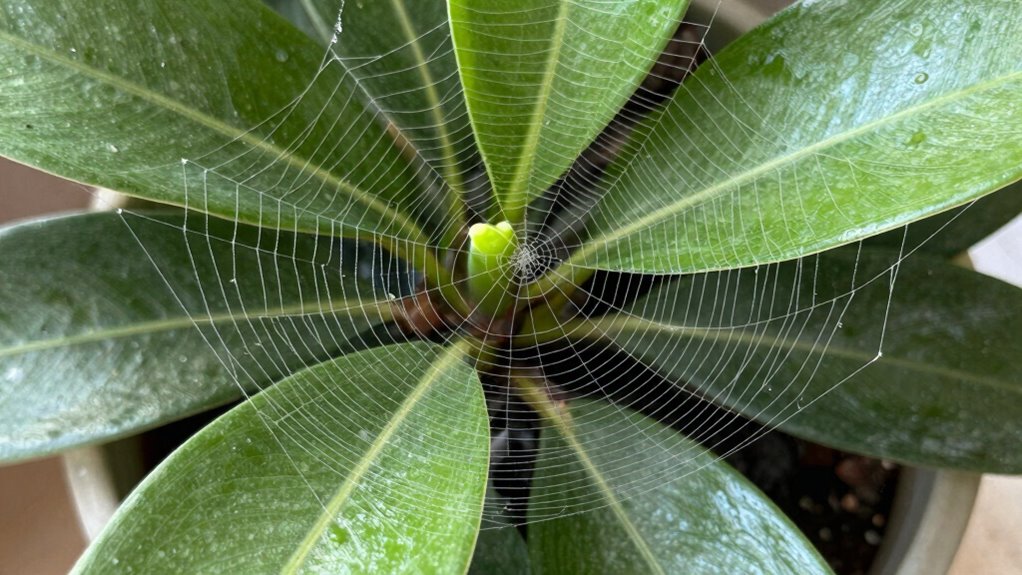
If you notice a sticky, web-like substance on your houseplants, it’s often a sign of an unwanted pest infestation. That fine webbing is more than just a nuisance; it indicates the presence of pests like spider mites, which can quickly damage your plants if left unchecked. Recognizing what this webbing means is crucial for proper plant pest identification. Spider mites, for instance, spin delicate, silken webs that often cover the undersides of leaves and stems. These tiny pests are nearly invisible to the naked eye but leave behind telltale signs such as speckled or yellowing leaves. Once you notice the webbing, it’s a clear sign that you need to act fast to prevent further damage. Using proper plant pest identification techniques can help you determine the exact pest and choose the most effective treatment. To effectively deal with these pests, understanding natural pest remedies can save your plants without introducing harmful chemicals. You might start with a strong stream of water to dislodge the mites—this physical removal can significantly reduce their numbers. Another effective method is to use insecticidal soap or neem oil, which are safe for most houseplants and work by suffocating or disrupting the pests’ life cycle. Be sure to thoroughly spray the undersides of leaves and areas covered in webbing. Regularly inspecting your plants and maintaining high humidity levels can make your environment less hospitable to spider mites, as they thrive in dry conditions. Environmental factors, such as humidity and temperature, play a significant role in pest proliferation, and adjusting these conditions can help in pest prevention. Maintaining good plant health through proper watering and fertilization can also make your plants less attractive to pests and more resilient to infestations. It’s also important to be vigilant in plant pest identification to prevent a small problem from escalating. Look for tiny, moving dots on the webbing or on the leaves—these are the pests themselves. If you see eggs or webbing spreading, it may be time for a more targeted approach like introducing natural predators such as ladybugs or predatory mites, which can help keep the pest population in check naturally. Environmental conditions, such as humidity and temperature, also influence pest spread and should be monitored regularly. Consistent monitoring and early intervention are key to maintaining healthy plants.
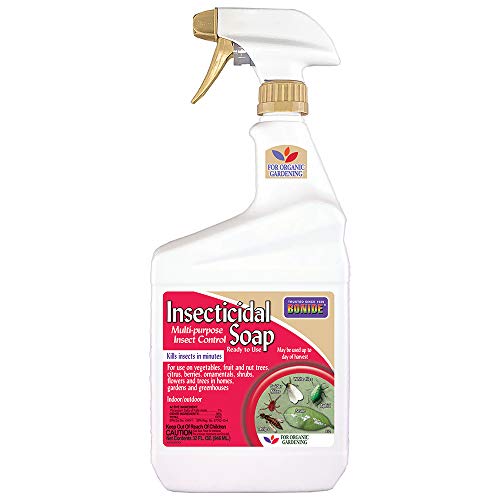
Bonide Insecticidal Soap, 32 oz Ready-to-Use Spray Multi-Purpose Insect Control for Organic Gardening Indoor and Outdoor
Captain Jack's Insecticidal Super Soap controls species of adelgid, ant, aphid, borer, caterpillar, spider mite, cricket, chinch bug,…
As an affiliate, we earn on qualifying purchases.
As an affiliate, we earn on qualifying purchases.
Frequently Asked Questions
Can Webbing Harm My Houseplant’s Growth?
Webbing can harm your houseplant’s growth if it indicates pests like spider mites or insects, which threaten plant health. These pests feed on your plant’s sap, causing stress, damage, and reduced growth. To safeguard your plant and prevent further infestation, regularly inspect for webbing and take pest prevention measures such as washing leaves or applying natural insecticides. Addressing webbing early ensures your houseplant stays healthy and thrives.
Is Webbing a Sign of Plant Disease?
Webbing often signals pest activity, not necessarily disease. Did you know that over 70% of plant health issues are caused by pests? If you see webbing, it’s usually from spider mites or other pests, which can harm your plant’s growth. To prevent webbing, regularly inspect your houseplants and wipe away pests early. Proper webbing prevention helps keep your plants healthy and thriving, avoiding more serious health problems later on.
How Often Should I Remove Webbing?
You should remove webbing as soon as you notice it to prevent pest infestations. Regular webbing removal helps keep pests like spider mites or aphids at bay and promotes healthier plant growth. Incorporate pest prevention strategies, such as maintaining proper humidity and inspecting your plants frequently. By staying vigilant and removing webbing promptly, you reduce the risk of pests settling in and damaging your houseplants, ensuring they stay vibrant and healthy.
Are Certain Houseplants More Prone to Webbing?
Yes, some houseplants are more prone to webbing due to their plant habitat and webbing patterns. Spider mites, for example, thrive on plants like ivy, ferns, and succulents, especially in dry, warm environments. These pests create fine webbing patterns that cover leaves and stems. If your plant’s habitat favors dry air and limited airflow, it’s more likely to develop webbing, so monitor these plants closely for early signs.
Can Webbing Attract Pests to My Houseplants?
Yes, webbing can attract pests to your houseplants because it provides shelter for insects like spider mites and aphids. To prevent pests, you should regularly inspect your plants and perform pest prevention measures. If you notice webbing, remove it carefully to disrupt pest habitats and reduce infestation chances. Regular webbing removal keeps your houseplants healthy and less attractive to pests, ensuring they stay vibrant and pest-free.

Bonide Captain Jack's Neem Oil, 128 oz Ready-to-Use, Multi-Purpose Fungicide, Insecticide and Miticide for Organic Gardening
Protect your oasis with 3 garden products in 1 from Captain Jack’s; Captain Jack’s Ready-to-Use Neem Oil spray…
As an affiliate, we earn on qualifying purchases.
As an affiliate, we earn on qualifying purchases.
Conclusion
So, when you spot fine webbing on your houseplants, don’t jump to conclusions right away. It’s often a sign of pests like spider mites, but with quick action, you can turn the tide. Keep a close eye, treat the problem early, and give your plants the care they need. Remember, a stitch in time saves nine—address the issue now, and your greenery will be thriving before you know it.

Mighty Mint Peppermint Oil Plant Protection Spray – Insect & Pest Control for Gnats, Spider Mites & Aphids – Plant-Based, Easy-to-Use – 16 oz
Plant-Based Pest Protection: Helps protect plants from common pests including gnats, spider mites, aphids, fungus issues, and other…
As an affiliate, we earn on qualifying purchases.
As an affiliate, we earn on qualifying purchases.

Natria Neem Oil Spray for Gardening – Ready-to-Use – Pest Control & Disease Control – Use for Houseplants and Home Gardens – 24 oz Bottle
PLANT DISEASE CONTROL: Natria Neem Oil acts as an insecticide and fungicide in one convenient spray; Ready-to-use trigger…
As an affiliate, we earn on qualifying purchases.
As an affiliate, we earn on qualifying purchases.