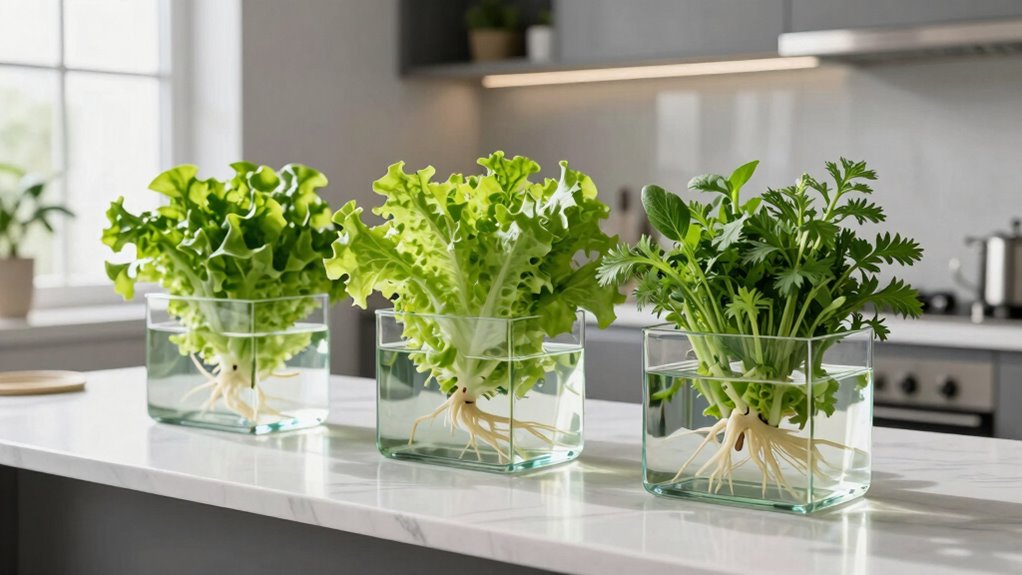
Countertop hydroponics shines when you want fresh herbs or greens in small indoor spaces, especially in urban settings. It’s compact, easy to use, and offers year-round growth without soil mess. However, it hits limits with larger plants or extensive food production, and it relies on electricity for lighting and pumps. If you keep exploring, you’ll discover how to maximize its benefits and work around its challenges.

Get garden gear delivered free — and shop member deals
- Fast, free delivery on millions of items
- Access to Prime Big Deal Days deals on October 6–7
- Prime Video, Amazon Music and more included
Key Takeaways
- Ideal for small-scale indoor gardening of herbs, greens, and microgreens in limited spaces.
- Excels in providing automated, year-round cultivation with minimal soil mess.
- Limited to small plants and cannot support large vegetables or root crops.
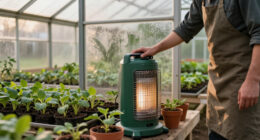
- Requires electrical power for lighting and pumps, increasing ongoing energy costs.
- Best for urban dwellers seeking sustainable, space-efficient solutions rather than large-scale food production.
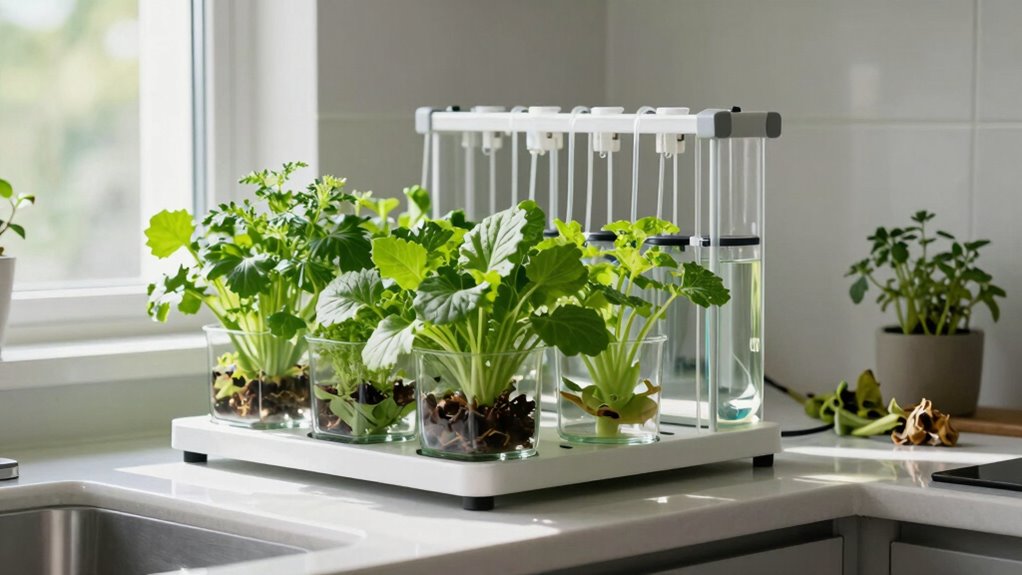
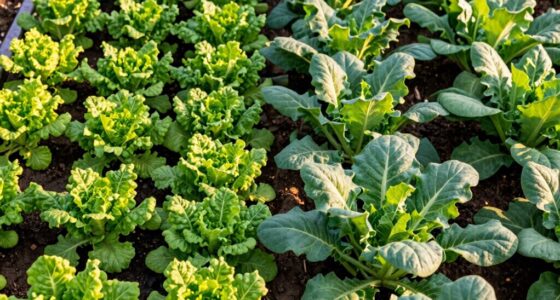
Have you ever wondered how to grow fresh herbs and vegetables right on your kitchen counter? Countertop hydroponics makes that possible, especially if you’re interested in urban gardening. With limited outdoor space, these systems allow you to cultivate greens indoors, making the most of your available space without sacrificing your kitchen’s aesthetic. They’re designed to be compact and efficient, fitting neatly on countertops where traditional gardening simply wouldn’t work. This makes them perfect for city dwellers who want to enjoy fresh produce without a backyard or balcony. The key advantage is space efficiency—you don’t need large pots, soil, or outdoor plots. Instead, these systems utilize vertical or small footprint designs, maximizing your limited area for maximum yield. You can grow herbs, lettuce, microgreens, and even small vegetables, all within arm’s reach. Moreover, hydroponic systems often incorporate automated controls for watering and lighting, making them even easier to manage. Countertop hydroponics systems are easy to set up and maintain, making them appealing for beginners and seasoned gardeners alike. They typically use nutrient-rich water solutions that eliminate the mess and dirt associated with soil gardening. Because you’re growing indoors, you’re not limited by seasonal changes or pests, giving you year-round access to fresh produce. Plus, the controlled environment means you can fine-tune lighting, water, and nutrients to optimize growth. This aspect enhances your ability to produce healthy, flavorful crops consistently. Additionally, integrating indoor gardening techniques can further improve your success rate and plant health. Using controlled environment agriculture, you can create optimal growing conditions tailored to each plant’s needs, further increasing your harvest quality. Embracing these practices also supports the broader goals of sustainable living, reducing reliance on imported produce and minimizing your ecological footprint. Understanding the importance of plant nutrition can help maximize the efficiency of your hydroponic setup and ensure healthy growth. However, despite their many benefits, countertop hydroponic systems do have limits. Their size constraints mean you can’t grow large plants or substantial quantities. If you’re looking to produce a significant amount of food for a family, these systems might fall short. They also rely heavily on electricity for lighting and pumps, so ongoing energy costs can add up. Additionally, maintaining a balanced water and nutrient supply requires some attention and knowledge, which might be a hurdle for absolute beginners. While they’re fantastic for herbs and small greens, they aren’t suitable for root vegetables or plants with extensive space needs.
Perfect for urban spaces, countertop hydroponics lets you grow herbs and greens indoors with minimal effort and space.
In essence, countertop hydroponics shines when you want to bring gardening into tight spaces and enjoy fresh herbs and greens daily. It’s a smart solution for urban gardening, where space efficiency is vital. But if your goal is large-scale food production or growing bigger plants, these systems hit their limits. They’re best viewed as a convenient, space-saving way to enjoy the benefits of gardening indoors—an innovative step toward sustainable, fresh eating right on your countertop.
countertop hydroponic herb garden
As an affiliate, we earn on qualifying purchases.
As an affiliate, we earn on qualifying purchases.
Frequently Asked Questions
What Are the Best Plants for Countertop Hydroponic Systems?
You’ll find herbs like basil, mint, and parsley excel in countertop hydroponic systems due to their quick growth and plant compatibility. Leafy greens such as lettuce and spinach also thrive, offering easy maintenance. These plants require minimal system upkeep, making them ideal for small spaces. Just make sure you regularly check nutrient levels and clean the system to keep your plants healthy and productive, maximizing your countertop setup’s potential.
How Much Does a Typical Countertop Hydroponic Setup Cost?
Think of a countertop hydroponic setup as a garden in a box—costs can range from around $50 for basic models to over $300 for advanced systems. You’ll find a variety of options, reflecting setup diversity, from simple self-watering units to high-tech systems with LEDs. The price depends on features, size, and brand, but it’s generally more budget-friendly than larger indoor gardens, making it accessible for many home growers.
Can Countertop Hydroponics Be Used Outdoors?
Yes, you can use countertop hydroponics outdoors, but you should consider outdoor weather conditions like rain, wind, and temperature fluctuations. Protect your system from harsh weather to prevent damage. Also, be vigilant about pest management, as pests can easily access your plants outdoors. By providing shelter and monitoring pests, you can successfully grow indoors-inspired hydroponic plants outdoors.
How Often Do I Need to Replace the Nutrient Solution?
You should replace your nutrient solution every two to three weeks. During this, you’ll check the nutrient concentration to guarantee plants get enough nourishment and adjust the pH balance to keep conditions consistent. Regular replacement prevents buildup of salts and pests, promoting healthy growth. Keep an eye on your plants’ progress, and if you notice any problems, consider replacing the solution sooner to maintain ideal conditions.
Are There Any Safety Concerns With Countertop Hydroponics?
You should be aware of safety concerns with countertop hydroponics, mainly involving plant pests and system maintenance. Regularly inspect your plants for pests, which can spread quickly in enclosed systems. Keep your system clean and monitor nutrient levels to prevent mold or bacterial growth. Proper maintenance reduces risks, ensuring a safe, healthy environment for your plants and your home. Always follow manufacturer instructions to minimize hazards.
compact indoor vegetable growing system
As an affiliate, we earn on qualifying purchases.
As an affiliate, we earn on qualifying purchases.
Conclusion
As you explore countertop hydroponics, you’ll find it’s like tending a delicate, vibrant garden in the palm of your hand—bright, inspiring, and full of promise. Yet, remember, it’s not a boundless jungle but a carefully curated oasis. With patience and care, your mini garden will flourish, transforming your space into a lush sanctuary. Embrace its limits as part of the journey, and watch your green thumb bloom in this tiny, thriving world.
automatic hydroponic microgreens kit
As an affiliate, we earn on qualifying purchases.
As an affiliate, we earn on qualifying purchases.
electric countertop plant grow light
As an affiliate, we earn on qualifying purchases.
As an affiliate, we earn on qualifying purchases.
Fall Picks
fall essentials
As an affiliate, we earn on qualifying purchases.