Choosing compact varieties over standard ones can save you a lot of work later. Compact plants stay smaller, require less pruning, and are easier to shape, making maintenance simpler and less time-intensive. They also tend to resist pests better, reducing treatment needs. Plus, they fit well in small spaces or containers, helping you avoid overgrowth and control issues. If you want a garden that’s easier to manage with less effort, compact varieties are often the better choice—let’s explore why.
Key Takeaways
- Compact varieties require less pruning and trimming, reducing ongoing maintenance efforts.
- They are easier to shape and control, minimizing overgrowth management.
- Less pest susceptibility and resistance lead to fewer treatments and less pest control work.
- Ideal for container gardens and small spaces, simplifying overall garden management.
- Their slower growth and contained size lower long-term labor and planning needs.
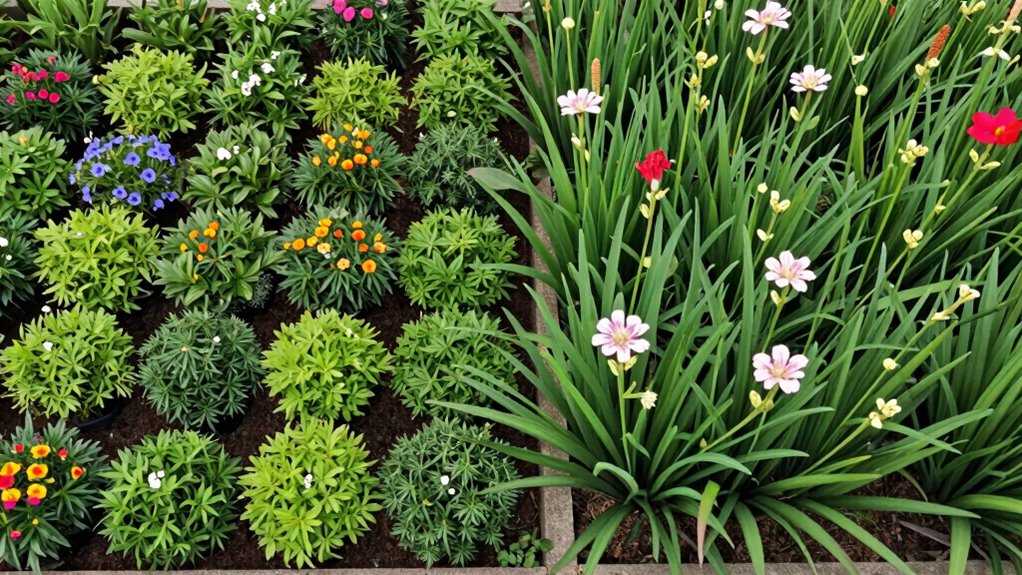
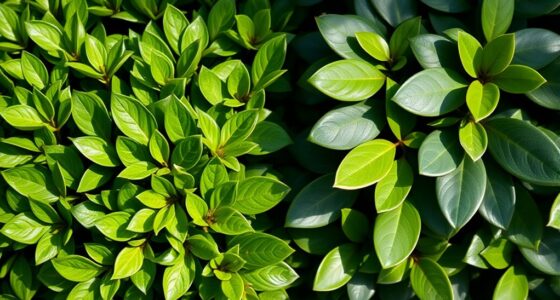
Have you ever wondered what sets compact varieties apart from standard varieties? The differences go beyond just size; they influence how you manage your garden or landscape day-to-day. Compact varieties tend to have more controlled growth habits, meaning they grow more slowly, stay smaller, and often require less pruning and trimming. This trait makes them particularly appealing if you’re looking to minimize maintenance or work within limited space. Standard varieties, on the other hand, usually grow larger and faster, which can lead to more frequent pruning and more space needed for healthy growth. If you’re aiming for a low-maintenance garden, understanding these growth habits can help you pick the right plants from the start. Additionally, growth habits play a key role in how easily you can shape and contain your plants, making compact varieties especially suitable for small or container gardens.
Compact varieties grow more slowly, stay smaller, and require less pruning—ideal for low-maintenance gardens and limited spaces.
Pest resistance is another notably important factor that sets compact varieties apart from their standard counterparts. Many compact varieties have been bred or naturally selected to be more resistant to pests, which means fewer infestations and less need for chemical treatments. This resistance can save you time, effort, and money, especially if you prefer organic gardening or want to reduce pesticide use. Standard varieties may be more susceptible to pests, requiring vigilant monitoring and more frequent interventions. Choosing compact varieties with strong pest resistance can markedly reduce your gardening workload later on, helping you maintain a healthier, more manageable landscape.
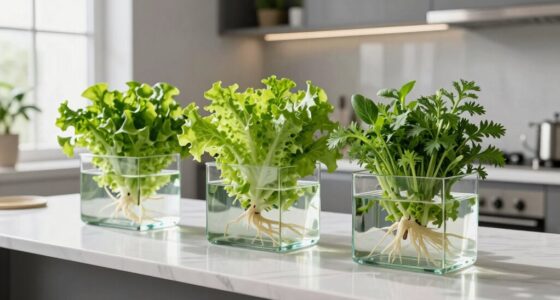
In addition, because compact varieties tend to grow in a more predictable and contained manner, they’re easier to control and shape. This predictability allows you to plan your garden layout more effectively, saving you time and effort during planting and ongoing maintenance. Their smaller size also means they’re often better suited for container gardening, which can simplify watering, fertilizing, and overall upkeep. Conversely, standard varieties might need more space and regular attention to prevent overgrowth, which can be a hassle if you’re balancing gardening with other commitments.
Ultimately, if your goal is to save work later, compact varieties offer advantages that align well with low-maintenance gardening. Their growth habits mean less pruning, and their pest resistance reduces the need for treatments. Both factors contribute to a garden that’s easier to manage over time. While standard varieties have their appeal for lush, expansive landscapes, choosing compact varieties can help you enjoy a thriving garden without the extra effort, making your gardening experience more enjoyable and less labor-intensive.
As an affiliate, we earn on qualifying purchases.
Frequently Asked Questions
Are Compact Varieties More Cost-Effective Than Standard Varieties Initially?
Yes, compact varieties are more cost-effective initially because they require less space, leading to lower upfront costs for land or containers. Their space efficiency means you can plant more in a smaller area, maximizing your initial investment. Although they might have slightly higher price tags per plant, the savings on space and resources make compact varieties a smart choice for those looking to save money early on.
How Do Compact Varieties Impact Long-Term Maintenance Costs?
Compact varieties can reduce long-term maintenance costs by about 20%, mainly because they’re easier to manage and less prone to scaling challenges. Their smaller size means fewer resources are needed for trimming, watering, and pest control, which also benefits aesthetic considerations. Over time, these efficiencies lead to less work and lower expenses, making compact varieties a smart choice if you want to minimize ongoing upkeep and keep your landscape looking great.
Which Variety Is Better for Small Spaces and Limited Storage?
You’ll find compact varieties better suited for small spaces and limited storage because they maximize space efficiency. Their smaller size makes them easier to fit into tight areas, providing effective storage solutions without cluttering your environment. You won’t need extensive rearranging or additional furniture, saving you time and effort. Overall, a compact variety helps you utilize your space smartly, making your small area more functional and organized.
Do Compact Varieties Require Specialized Tools or Techniques?
Like a knight preparing for battle, you’ll need specialized pruning tools for compact varieties. These plants often require precise, gentle cuts to maintain their shape and health, especially during unique planting. While standard tools can work, investing in specialized pruning shears and techniques makes trimming easier and more effective. With the right tools, you’ll keep your compact plants thriving and looking their best without extra hassle later on.
Are There Specific Climates Where One Variety Outperforms the Other?
You’ll find that compact varieties often excel in urban or limited-space climates due to their adaptability and ease of maintenance, performing well in regions with cooler or more variable weather. Standard varieties tend to outperform in broader regional climates with stable temperatures and ample space, offering better yield and resilience. Your choice depends on climate adaptability and regional performance, ensuring you select the variety best suited to your local conditions for ideal results.

FIREBOOMOON 12 Pack Plastic Black Round Wave Plant Saucer,Durable Heavy Duty Flower Plant Pot Drip Tray Container for Home Garden Indoor and Out Door Plant (6 Inch/8 Inch/10 Inch)
- High-Quality Durable Material: Made of thick, sturdy PP resin
- Multiple Sizes Included: Available in 6, 8, and 10 inches
- Set of 12 Pieces: Four of each size for versatile use
As an affiliate, we earn on qualifying purchases.
As an affiliate, we earn on qualifying purchases.
Conclusion
So, you thought choosing compact varieties would save you time later? Turns out, they might just be the little troublemakers lurking in your garden, demanding more attention and effort than you bargained for. Meanwhile, standard varieties seem to roll out the red carpet with less fuss. Irony strikes again—sometimes, the smaller package promises big convenience, but ends up being the troublemaker you never saw coming. Who knew gardening could be such a clever trickster?
low maintenance flowering plants
As an affiliate, we earn on qualifying purchases.
As an affiliate, we earn on qualifying purchases.
As an affiliate, we earn on qualifying purchases.